People like to minimise online abuse as “hurty words” – a few seconds of typing, a cheap laugh, something that passes. That’s not what it costs.
It costs time you don’t get back. A sense of peace you don’t realise you’ve lost until calm feels unfamiliar. It costs relationships: friendships strained, trust broken, and it quietly erodes years of hard work. Some doors rarely slam shut; they simply stop opening.
And particularly for women who speak up, the cost escalates.
In my case, that cost became measurable. After a sustained campaign of abuse that moved from social media into the UK courts, accountability came in the form of criminal convictions and a civil outcome: a £360,000 libel award against Joey Barton for his campaign of hatred towards me and my family. Many will see that figure as justice. But money is not the full story. The real cost is what hate takes before accountability ever arrives and what it continues to take after you refuse to stay silent.
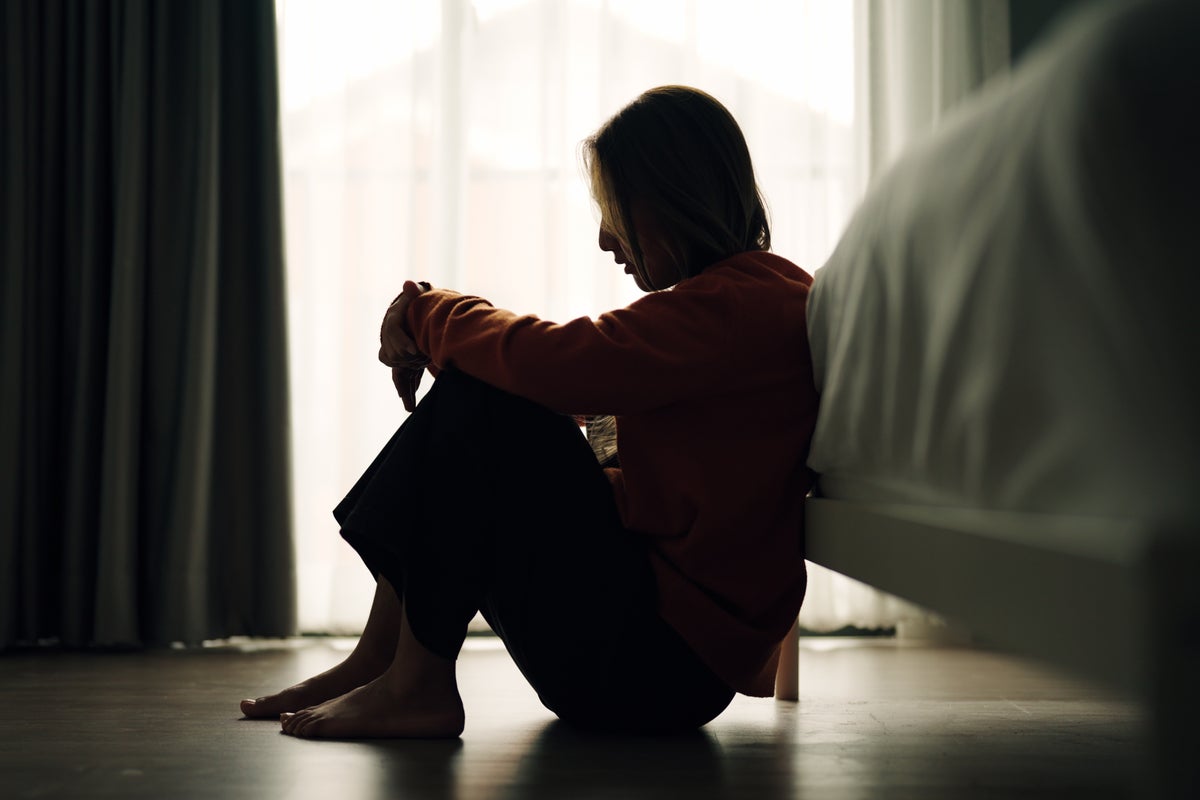
We know how widespread this is. One in five women in the UK report experiencing online abuse, often explicitly misogynistic and frequently involving threats of sexual or physical violence. But what is less discussed is what happens next when women challenge it. Because speaking up doesn’t end abuse, it multiplies it. It becomes more targeted, more strategic, more personal. The goal shifts from intimidation to correction, a deliberate effort to put you “back in your place.” The attention is deliberate and humiliation is the point. The message is clear: you can exist, but don’t challenge power.