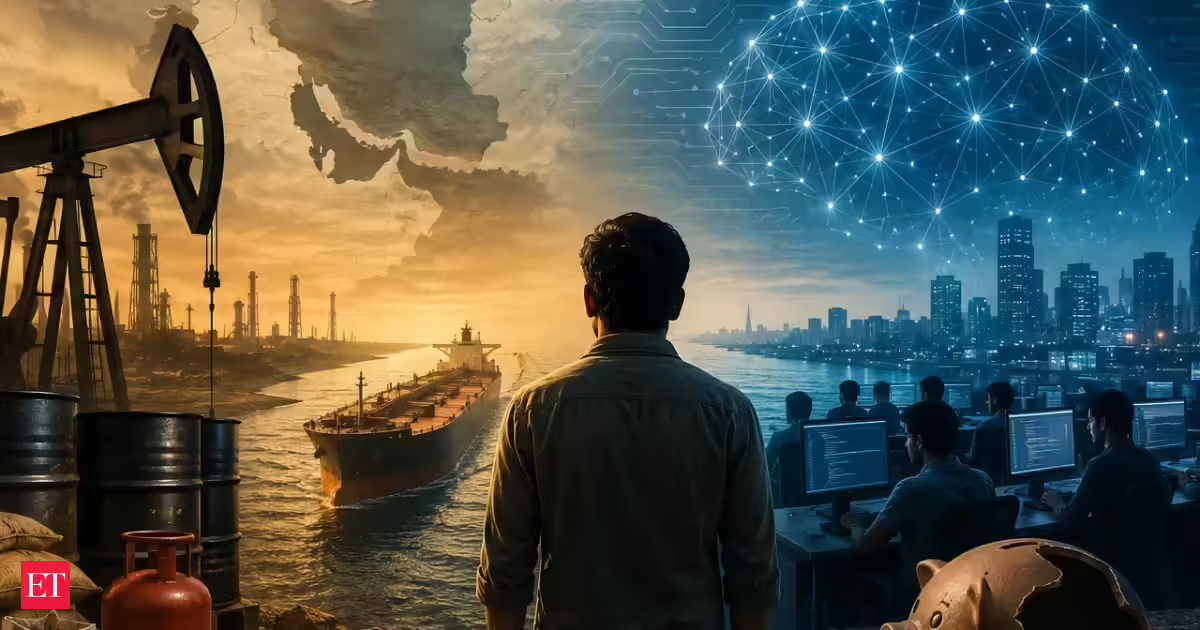
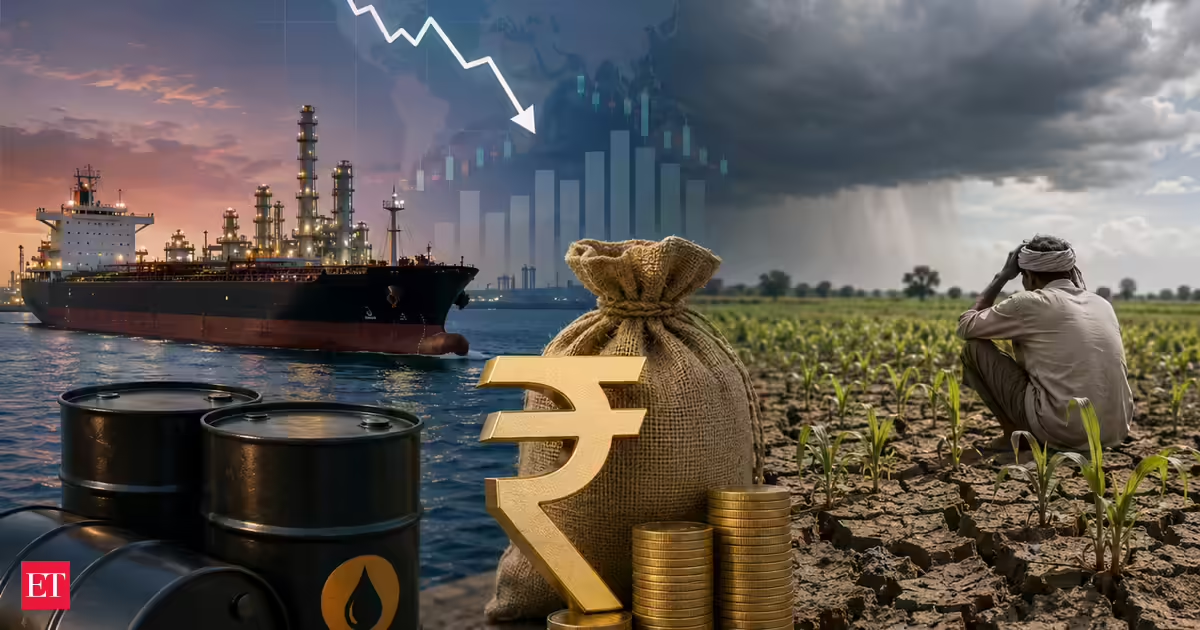
A US-Iran peace deal will be cheered by governments around the world. But in India, critically dependent on the Strait of Hormuz for everything from cooking fuel to fertilizers, an end to the energy squeeze of the last three months will only bring short-term relief. That’s because the Middle East crisis has exacerbated a different kind of shortage in the world’s most-populous nation — of capital and ideas. Neither gap will get plugged any time soon.
The two flows are interlinked. Having failed to emulate East Asia’s success with manufacturing exports, India pays for its chronic trade shortfall by writing IOUs to global investors. As Kotak Institutional Equities in Mumbai noted in a recent report, a combination of high current deficits and large capital surpluses has historically sustained India’s external accounts. But that model of financing was weakening long before the effective closure of the Strait of Hormuz.For the past six years, venture capital and private equity firms have been aggressively taking profits on their investments in e-commerce, digital payments and other startups. Multinationals like Hyundai Motor Co. and LG Electronics Inc. also took advantage of India’s frothy equity valuations to offload shares in their local units. More than 60% of the IPO fundraising last year ended up giving exits to firms’ original sponsors. In other words, Indian households and institutions bought the IOUs, and foreigners took out dollars.