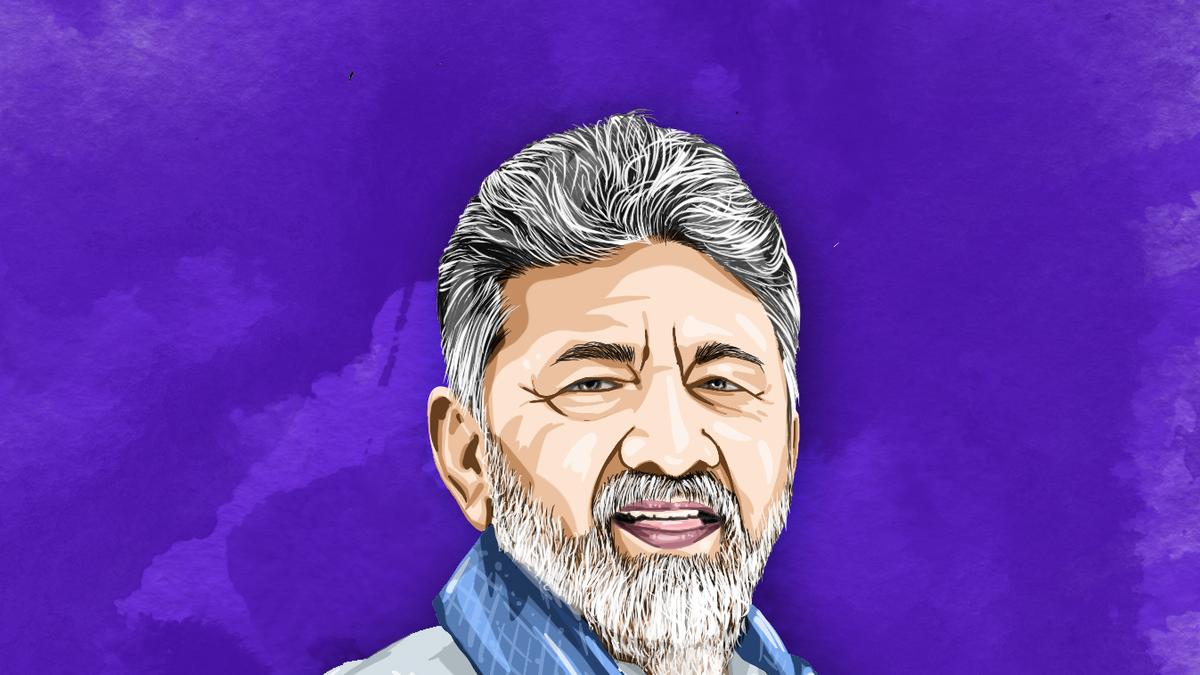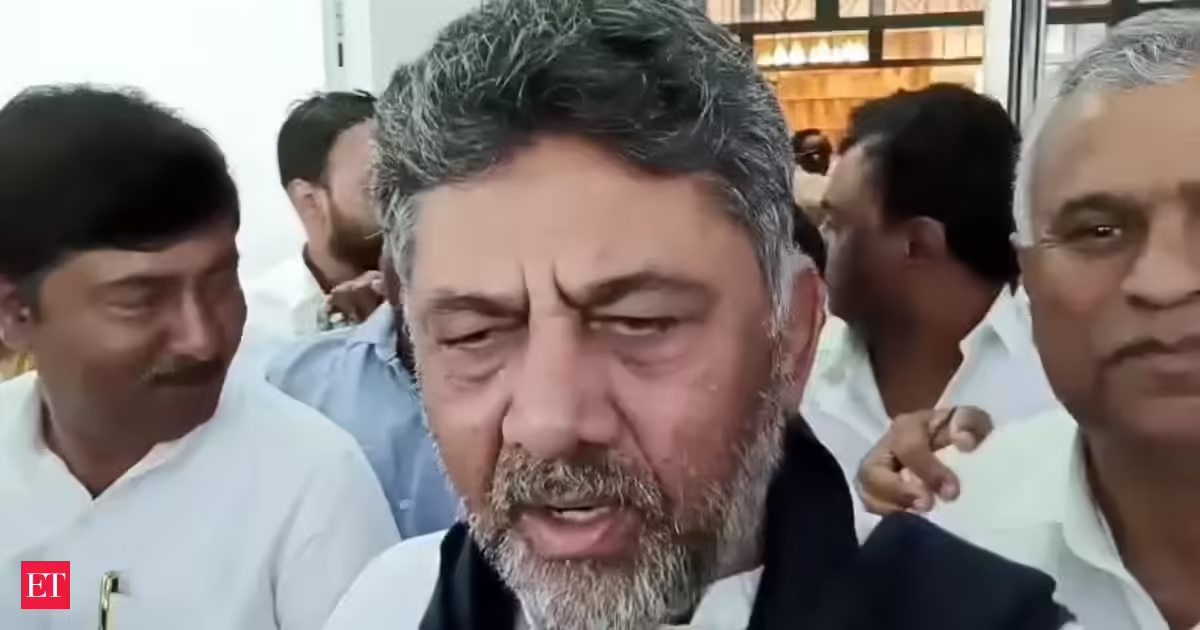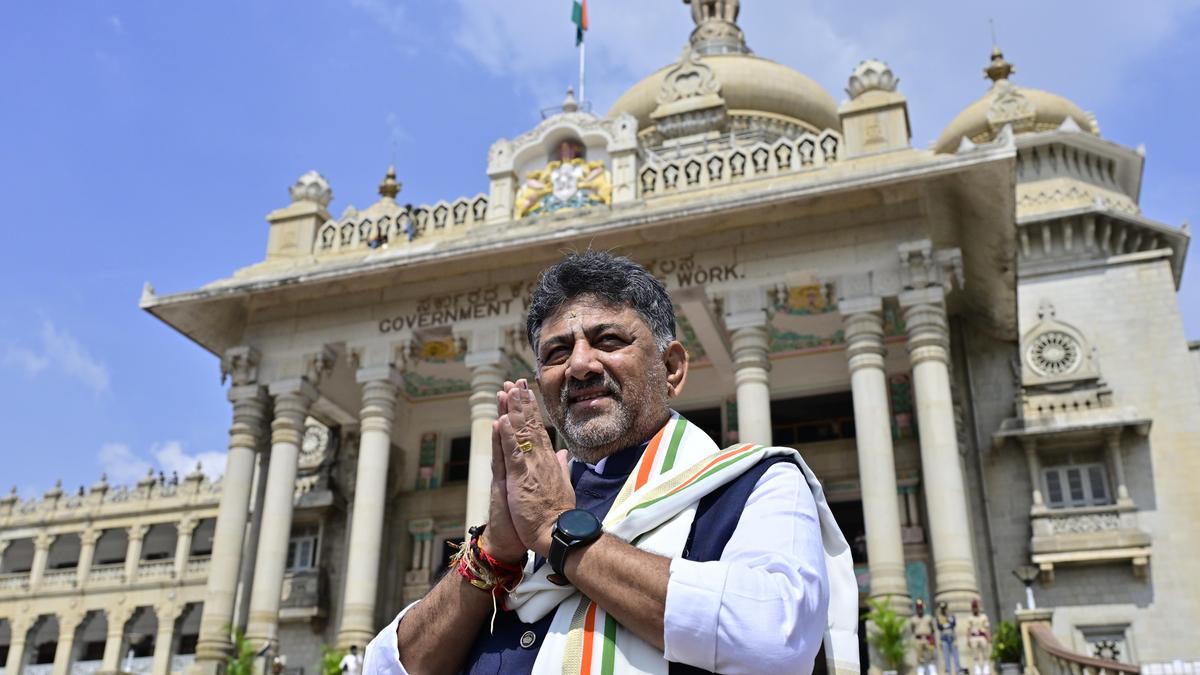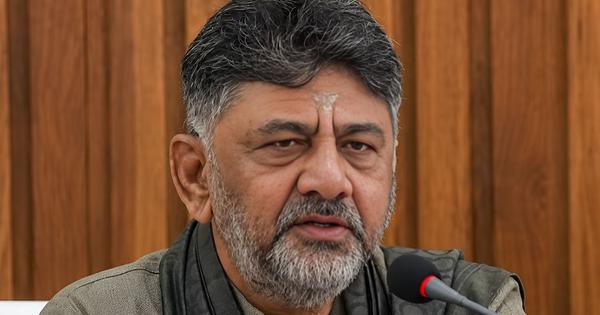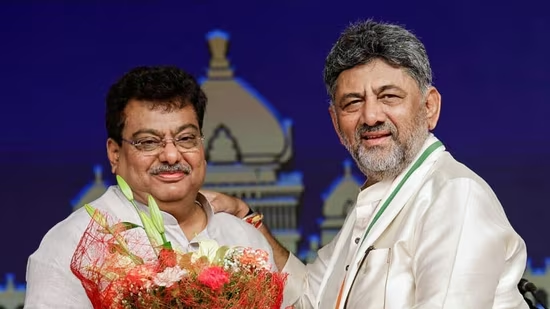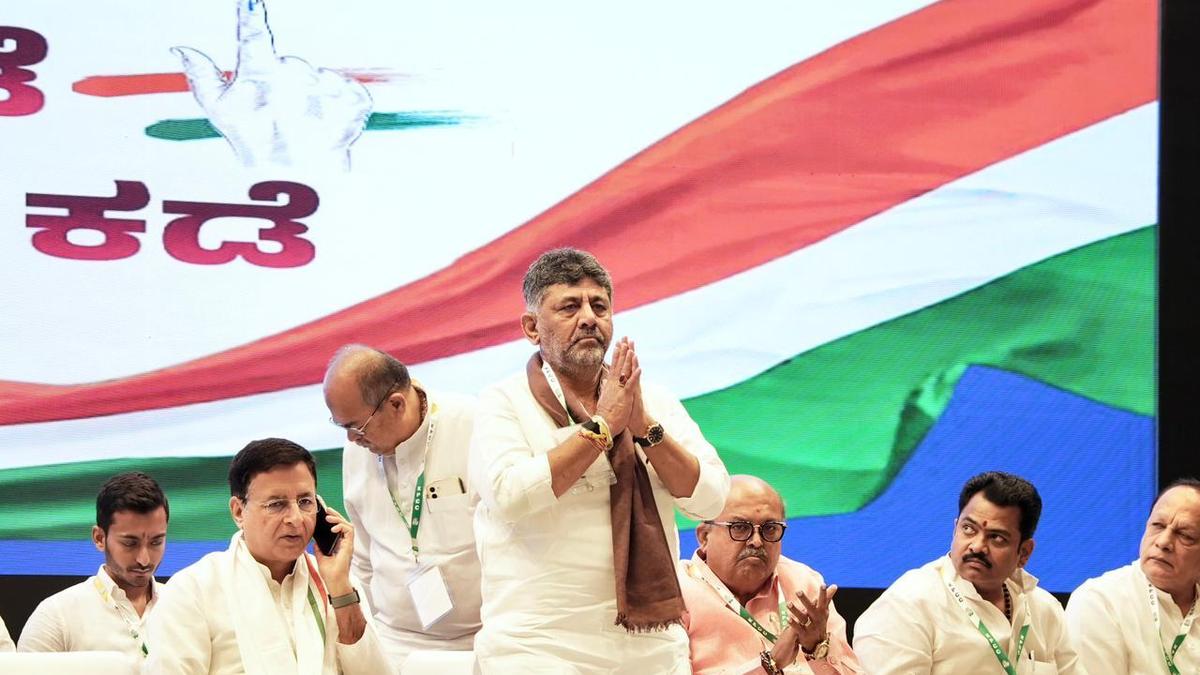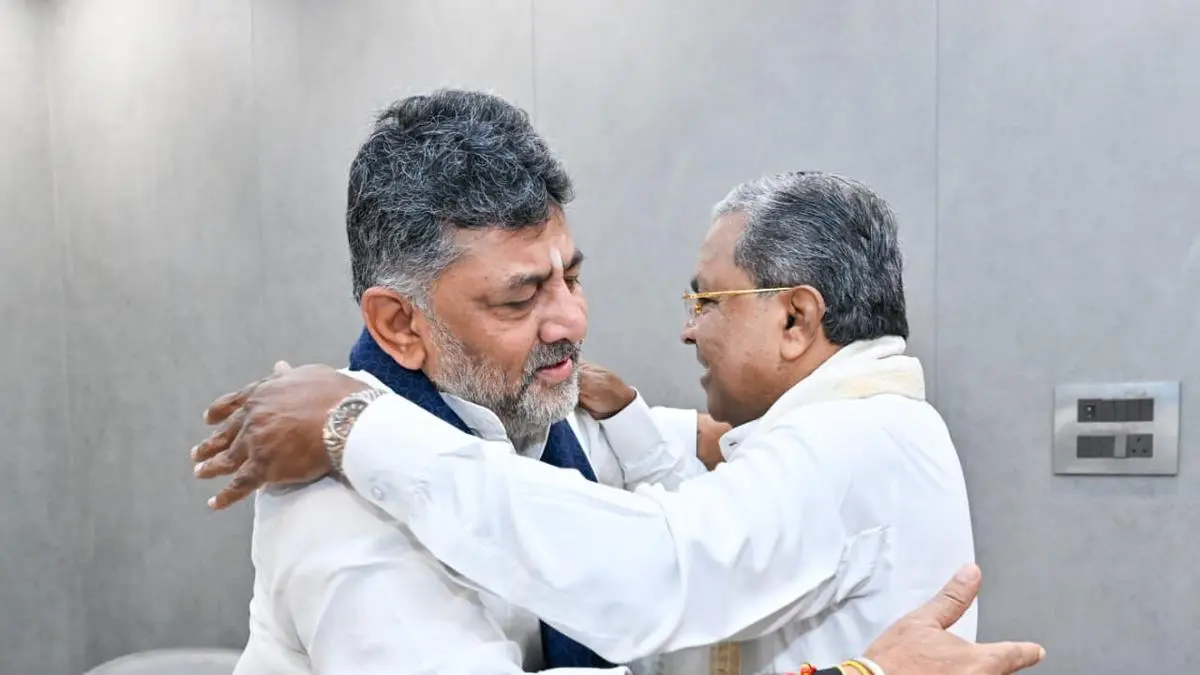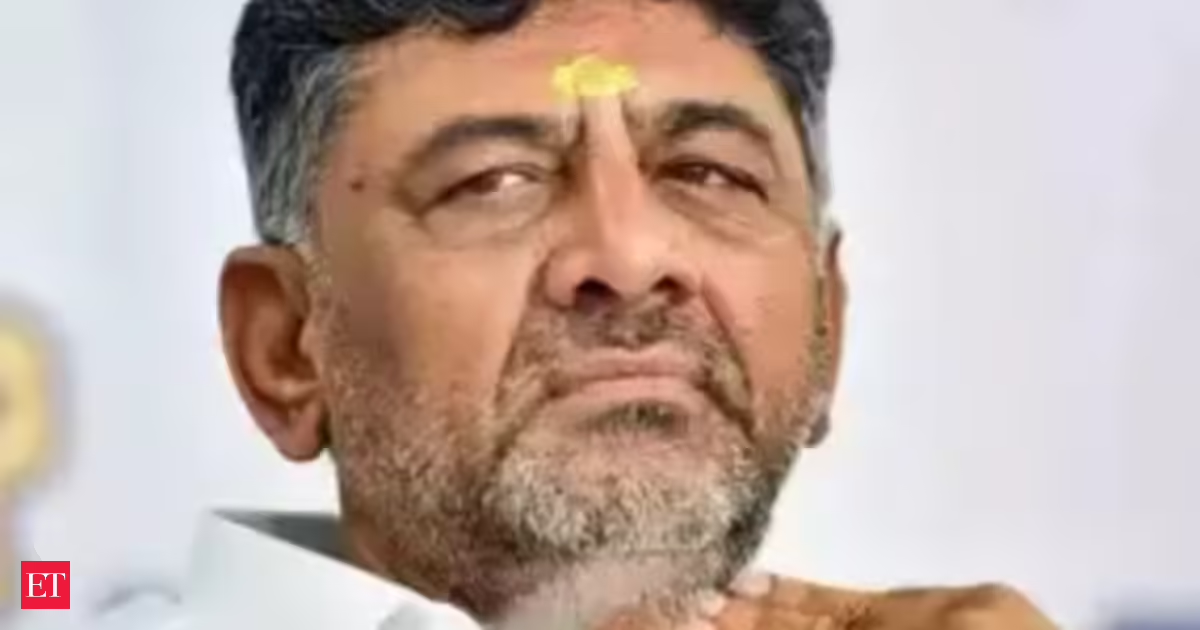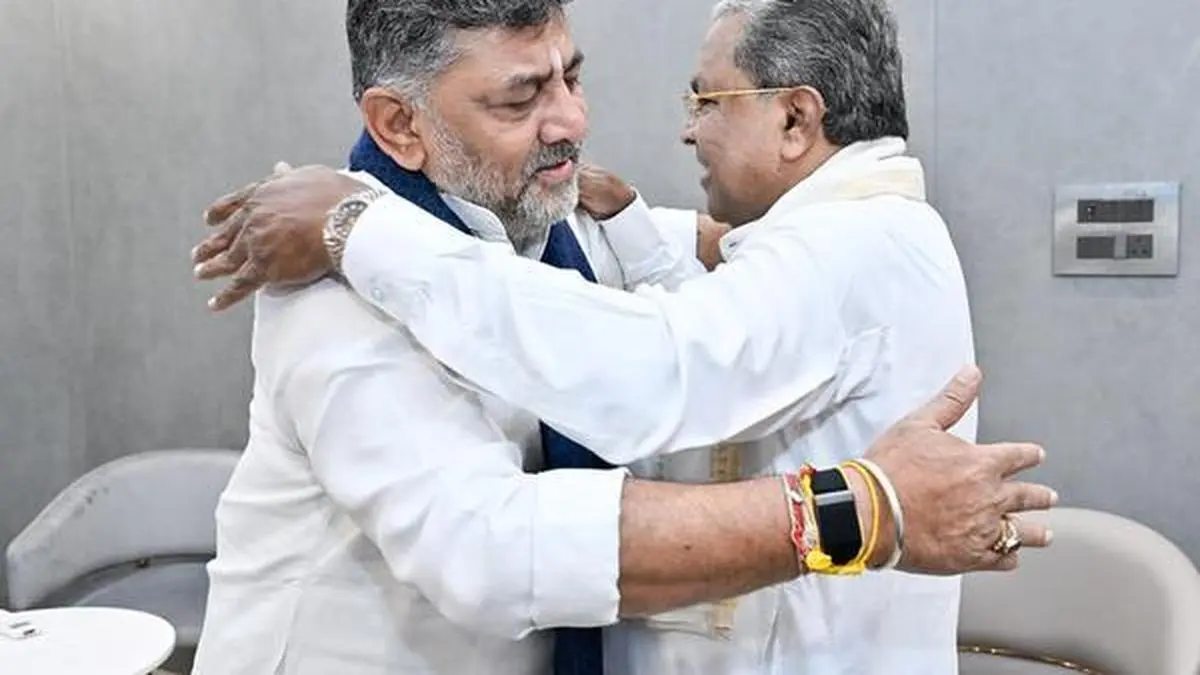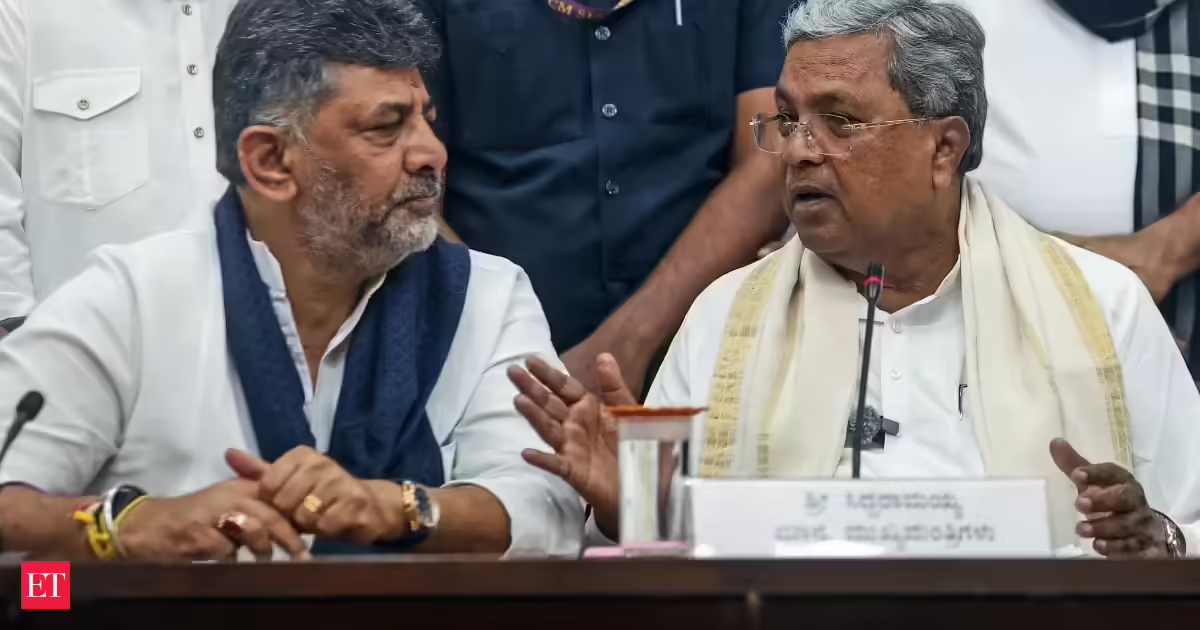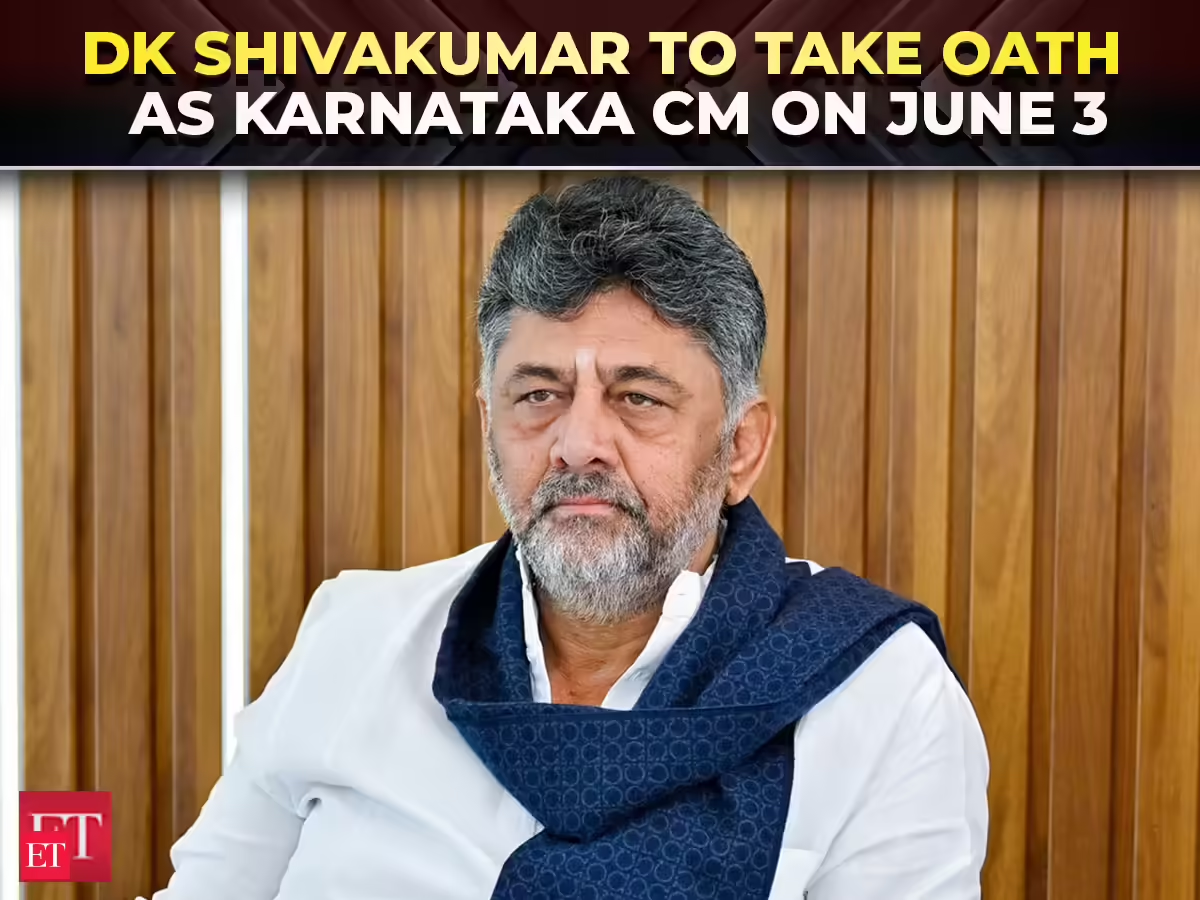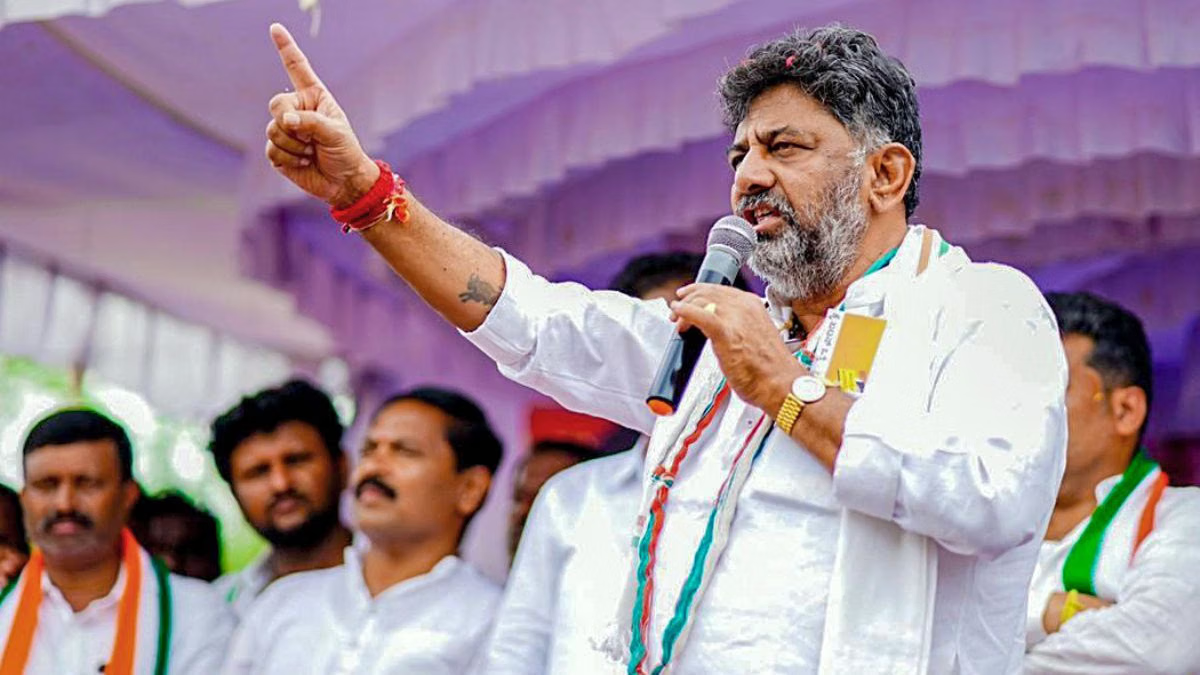
There are politicians who inherit power, politicians who wait for it, and politicians who build the machinery that makes power possible. DK Shivakumar belongs firmly to the third category. In Karnataka, where every political move is read through caste, coalition, loyalty, money, memory, and muscle, the man known as Kanakapurada Bande — the Rock of Kanakapura — has spent more than four decades making himself indispensable.
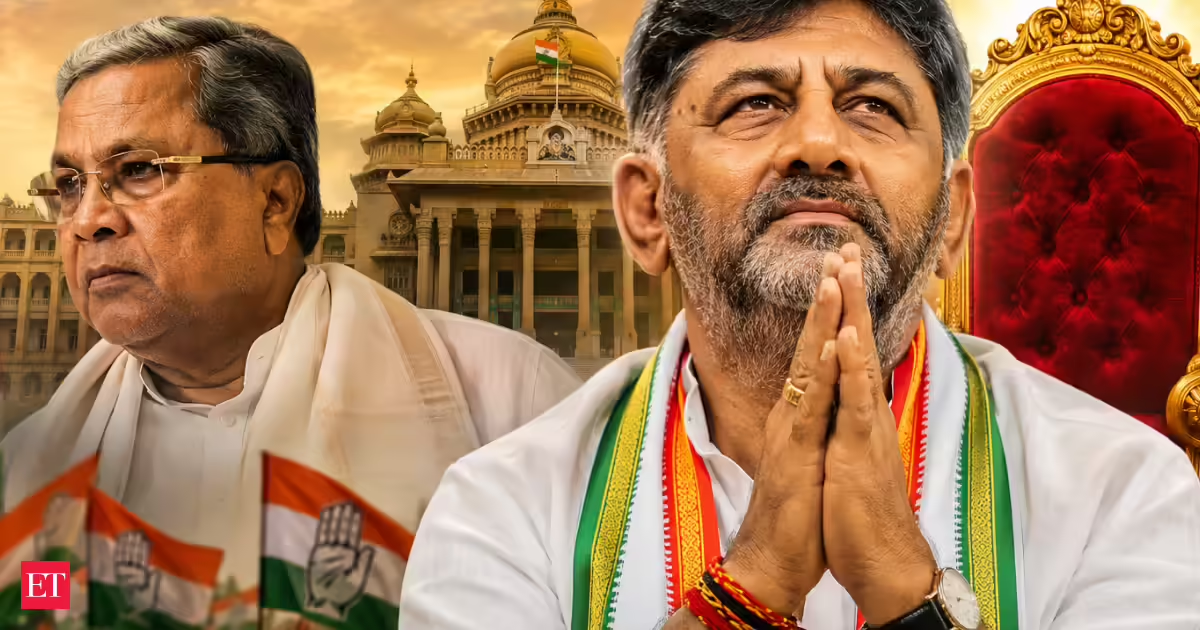
Now, as reports of an impending leadership transition in Karnataka gather force and DK Shivakumar is widely seen as the man most likely to succeed Siddaramaiah as Chief Minister, the question before the Congress is no longer whether he has waited long enough. It is whether Karnataka is ready for the most complete expression yet of the Shivakumar method: patient, transactional, fiercely loyal, administratively ambitious, and unafraid of power.The making of the Rock
Doddalahalli Kempegowda Shivakumar was born on 15 May 1962 into an agrarian family in Karnataka’s Vokkaliga heartland. In his own telling, there was no inheritance of privilege.
“I come from a simple village background, nobody gave me anything… I built everything step by step.”Shivakumar’s political instincts were sharpened in school and college elections, in hostel rooms, student unions, small gatherings, and the rough informal networks of Bengaluru’s youth politics. At GRC College, he entered the National Students’ Union of India (NSUI) and rose through the Congress’s student and youth structures. By his teens, he had already decided that politics was not an interest but a vocation. By his twenties, he had become the kind of young organiser older leaders both used and feared.His first great test came in 1985, when he contested against HD Deve Gowda and lost narrowly. For most young politicians, such a defeat would have ended the experiment. For Shivakumar, it became fieldwork. “I went back to the villages of Sathanur — not to ask for votes, but to listen,” he has said. Four years later, at 27, he won Sathanur. In 1994, denied a Congress ticket, he contested as an independent and won again. The lesson he drew was simple: “If you have the people’s support and you stay loyal to your roots, you will always find your way back.”