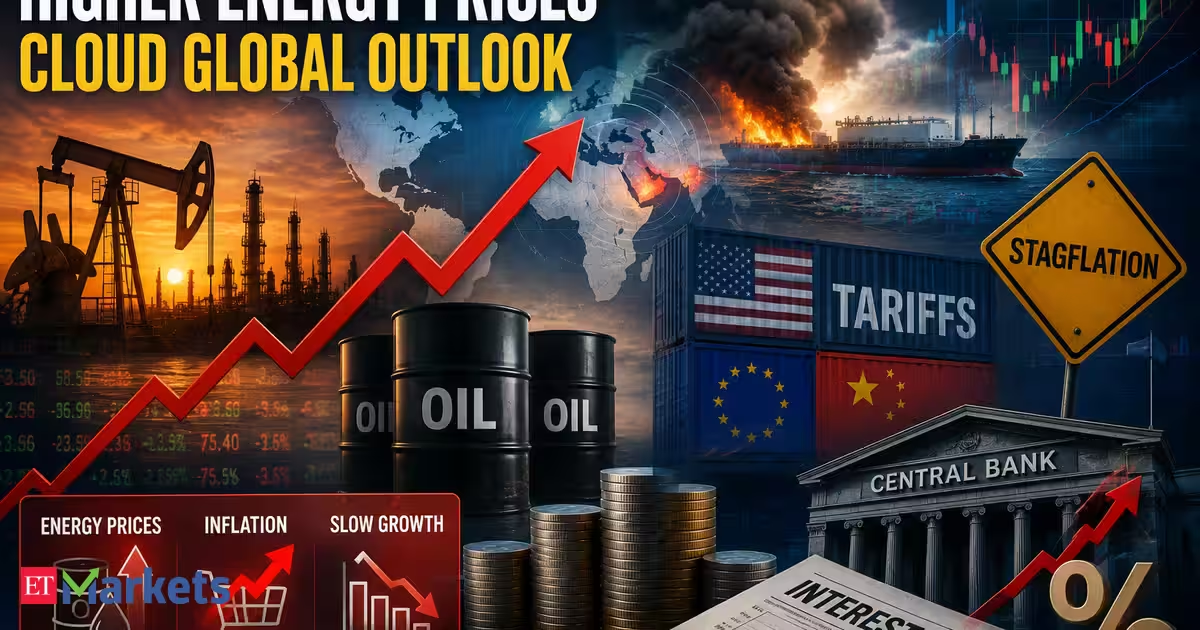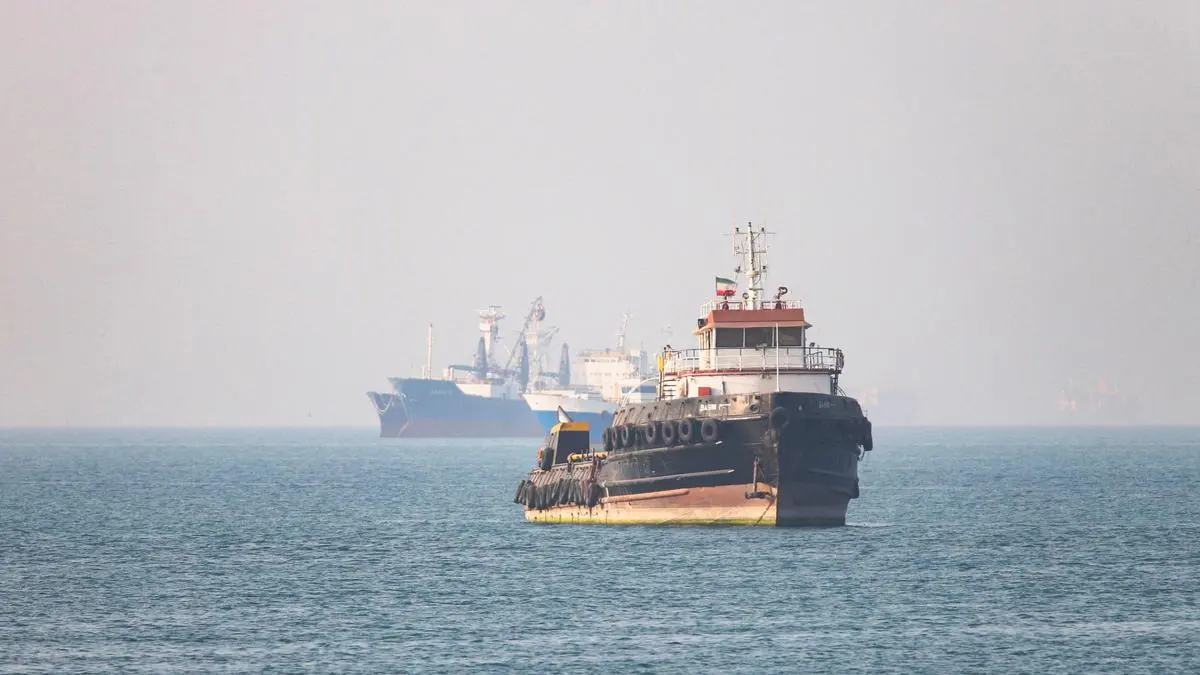
SynopsisThe West Asia conflict has triggered a stagflationary shock, impacting global growth and inflation. Bank of America forecasts a lower global growth projection, with disruptions in the Strait of Hormuz being a critical factor. Oil prices are expected to remain elevated, impacting energy importers, while central banks face difficult decisions.ETMarkets.comClaudio Irigoyen, Managing Director and Head of Global Economics, Bank of AmericaThe West Asia conflict has delivered what economists call a classic stagflationary shock to the global economy, simultaneously squeezing growth and pushing prices higher. Bank of America has revised down its full-year global growth projection to 3.1%, from a pre-war estimate of 3.5%, with Claudio Irigoyen, its Managing Director and Head of Global Economics, warning the damage is already done even if hostilities were to end tomorrow.ETMarkets.com"The permanent impact will depend on how long the war lasts," Irigoyen explained, pointing to disruptions in the Strait of Hormuz as the critical variable. The bank's base case assumes some form of resolution that reopens the waterway, but uncertainty remains high. Markets appear to be pricing in a quick end to the conflict, an assumption Irigoyen believes may be dangerously complacent, especially if the war extends through summer when global oil inventories could reach breaking point."If the war extends throughout the summer, the pressure on oil prices will be much higher and non-linear — it does not look like that is a story priced in at this point," says Irigoyen.Crude unlikely to return to pre-conflict range of high $60s to low $70sOil prices are not going back down. Even in an optimistic scenario, BofA does not see crude returning to its pre-conflict range of the high $60s to low $70s. Expect a new normal somewhere around $90–95 per barrel as inventories need to be replenished across Asia and supply chains in the Middle East take time to normalise. Other producers, particularly the United States, are stepping up output, but the restocking cycle, especially for large importers like China and Japan, will keep prices elevated for an extended period.Energy importers bear the brunt. The nations most exposed are those that depend heavily on imported oil. Europe is expected to suffer more acutely than the United States, which now benefits from its status as a net energy exporter. India faces a twin pressure: a widening current account deficit driven by both rising energy costs and strong investment-led imports, alongside currency depreciation. However, Irigoyen notes that India's current account stress is partly a sign of strength. Rising capital imports from China are feeding genuine productive investment capacity rather than just consumption.You Might Also Like:RBI expected to stay on hold in near termCentral banks are caught in a bind. The Federal Reserve, under new leadership, is expected to hold rates steady for now. The European Central Bank faces a harder choice and may be forced to hike. As for the Reserve Bank of India, BofA sees it staying on hold in the near term, with rate hikes possible toward year-end or early next year if energy prices remain elevated. The key distinction, Irigoyen stresses, is between core inflation, which was already sticky near 3% in the US before the war, and energy-driven headline moves. Central banks can afford to look through a temporary supply shock; they cannot ignore persistent second-round effects.Emerging markets divergingEmerging markets are diverging sharply. Latin American economies such as Brazil, Colombia, and Mexico, net energy and commodity exporters, are benefiting from higher oil, copper, and gold prices. This is the mirror image of the pressure facing oil-importing emerging markets. Meanwhile, equity markets, particularly in the United States, continue to climb on the strength of the AI investment narrative, suggesting that risk appetite is not fully accounting for the downside scenarios if the conflict drags on longer than expected.The bottom line: the global economy is absorbing a shock whose full scale remains unknown. Investors and policymakers alike face a forecast that is heavily contingent on a single variable - how long this war lasts.You Might Also Like:Read More News on(What's moving Sensex and Nifty Track latest market news, stock tips, Budget 2025, Share Market on Budget 2025 and expert advice, on ETMarkets. Also, ETMarkets.com is now on Telegram. For fastest news alerts on financial markets, investment strategies and stocks alerts, subscribe to our Telegram feeds .) Subscribe to ET Prime and read the Economic Times ePaper Online.and Sensex Today. Top Trending Stocks: SBI Share Price, Axis Bank Share Price, HDFC Bank Share Price, Infosys Share Price, Wipro Share Price, NTPC Share Price...moreless(You can now subscribe to our ETMarkets WhatsApp channel)Read More News on(What's moving Sensex and Nifty Track latest market news, stock tips, Budget 2025, Share Market on Budget 2025 and expert advice, on ETMarkets. Also, ETMarkets.com is now on Telegram. For fastest news alerts on financial markets, investment strategies and stocks alerts, subscribe to our Telegram feeds .) Subscribe to ET Prime and read the Economic Times ePaper Online.and Sensex Today. Top Trending Stocks: SBI Share Price, Axis Bank Share Price, HDFC Bank Share Price, Infosys Share Price, Wipro Share Price, NTPC Share Price...moreless
West Asia conflict a stagflationary shock; world economy not ready for a long war: Bank of America
The West Asia conflict has triggered a stagflationary shock, impacting global growth and inflation. Bank of America forecasts a lower global growth projection, with disruptions in the Strait of Hormuz being a critical factor. Oil prices are expected to remain elevated, impacting energy importers, while central banks face difficult decisions.
Bank of America cut its 2025 global growth forecast to 3.1% (from 3.5%), warning the West Asia conflict has triggered a stagflationary shock with oil unlikely to return below $90–95/barrel even in an optimistic scenario. For tech leaders with global operations or budget exposure to energy costs, the ECB may be forced to hike while Fed holds, and equity markets pricing in a quick resolution may be underestimating tail risk if the Strait of Hormuz remains disrupted through summer.