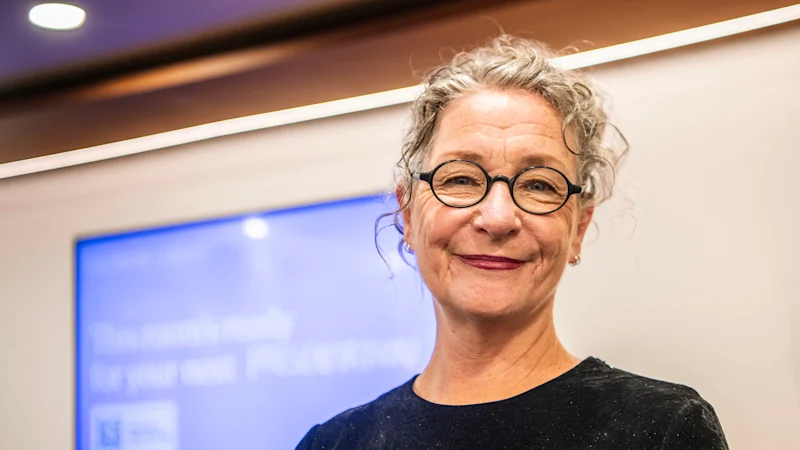
May 29, 2026 — 3:00pmA backlash against the state and federal governments’ “evidence-based” teaching reforms is growing among teachers and academics, despite early claims they are raising test scores.Jenny Donovan, chief executive of the Australian Education Research Organisation (AERO), will tell The Age Schools Summit next month that the job of reform is far from done and that governments should avoid complacency in the face of growing resistance to change.The two big evidence-based education reforms of recent years – phonics and explicit learning at schools, and uniform standards for teacher training at universities – have been driven enthusiastically by the Victorian and federal governments respectively.But the AERO chief told The Age that there was growing pushback among academics and teachers.One of the leading critics of the evidence-based agenda – The University of NSW’s Nikki Brunker – said opposition to what she called the new “orthodoxy” was gaining momentum.Donovan will make her case at The Age Schools Summit at Melbourne’s Crown Conference Centre on June 10, which will once again bring together the state’s leading educators, policymakers, and thought leaders to tackle the most pressing challenges and opportunities in Victoria’s education landscape.Keynote speakers this year include state Education Minister Ben Carroll, opposition education spokesman Brad Rowswell and Department of Education deputy secretary David Howes.Donovan said her organisation, which is funded by the Commonwealth and state governments, had been a leading force for the evidence-based reforms beginning to sweep through Australia’s schools and universities.“Since AERO was established five years ago, a lot of the jurisdictions around Australia have begun to move towards evidence-based practice, which is pretty exciting in education because we haven’t traditionally been so driven by evidence or science,” Donovan said.Carroll used the 2024 summit to launch his evidence-based shake-up of literacy teaching in Victorian public schools, announcing at the event that children in the state would be taught to read through phonics, with the explicit learning model subsequently rolled out in other subjects.Carroll seized upon the nation-leading performance of Victorian children in last year’s NAPLAN testing as early evidence the policies were working, but Donovan warned that not everybody was convinced.“A couple of elements of the backlash come from higher education, from academics who have been associated with initial teacher education, and their view is there’s no problem to fix, that all of this research is unnecessary,” she said.“So that’s one source of the kind of pushback; the other is really associated with just what a challenge it is to get a really large teaching workforce to learn about something that’s new.”Donovan said politicians and other policymakers must stay the course of reform, even as a backlash against the evidence-based agenda grew.“We’re humans, we get distracted really easily,” she said.“So a bit of what I will talk about [at the summit] is what does it take to really stay the course here.“It’s a big challenge.”Brunker, at UniNSW, is one of those leading the backlash to the evidence-based agenda, and she says like-minded academics are getting more organised and vocal.The Sydney-based academic and her colleagues at the Australian Association for Research in Education (AARE) argue the agenda has become a rigid orthodoxy, locking educators into a narrow range of teaching practice, which teachers and principals dare not step outside.“When you talk about this evidence-based practice orthodoxy, everything must be evidence-based practice, or you don’t do it,” Brunker told The Age.“When we look at what evidence-based practice is, it’s so narrow.“Teachers and school leaders are the ones on the ground seeing the problems arise as a result of trying to follow evidence-based practice.“The reliance on explicit teaching, which it’s sold as explicit teaching, but it really is direct instruction, and schools are seeing the detriment, they’re seeing the disengagement in teachers and students.”She said discussions on the subject held at the AARE’s annual conference last year had been “packed out with academics, teachers, school leaders ... who have wanted to be involved,” in the growing campaign against the evidence-led agenda.“So yes, there is definite momentum,” Brunker said.The Age Schools Summit 2026 is at Crown Conference Centre on June 10. More:SchoolsSMH schools summitFor subscribersTeachingBen CarrollFrom our partners
This style of teaching gets results, say governments. But resistance to it is growing
State government says its evidence-based reforms to classroom teaching are a winner, but critics are getting more vocal and organised.
685 words~3 min read