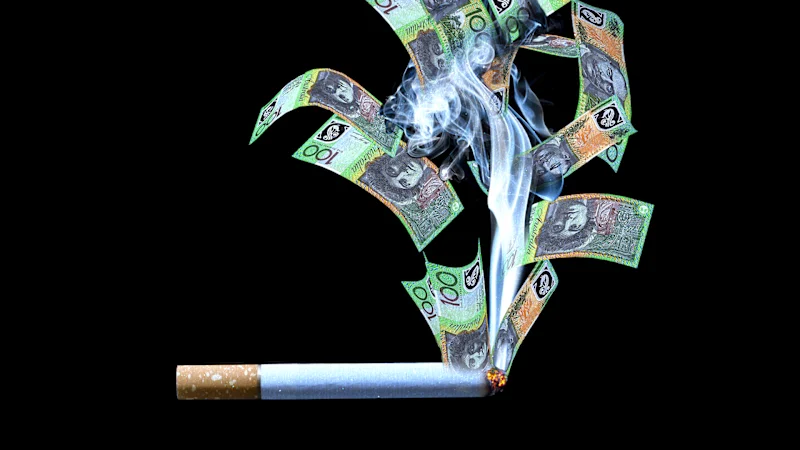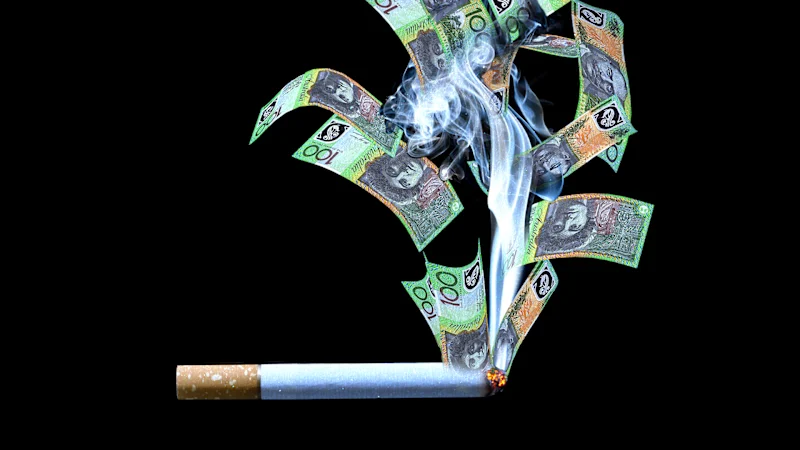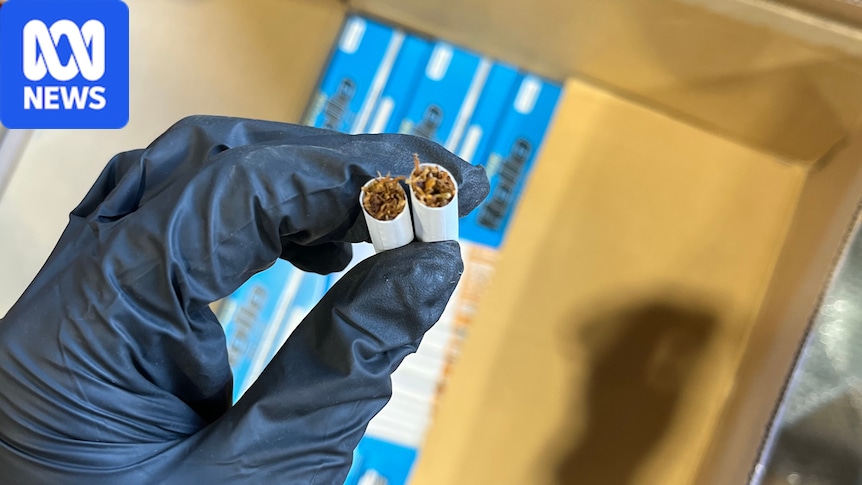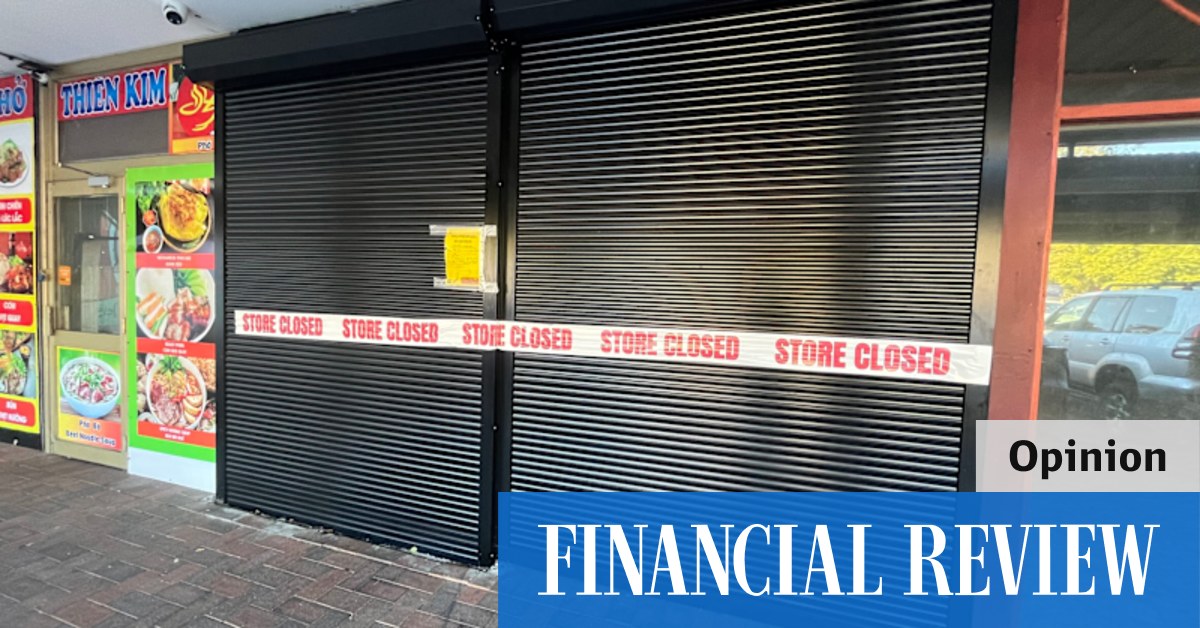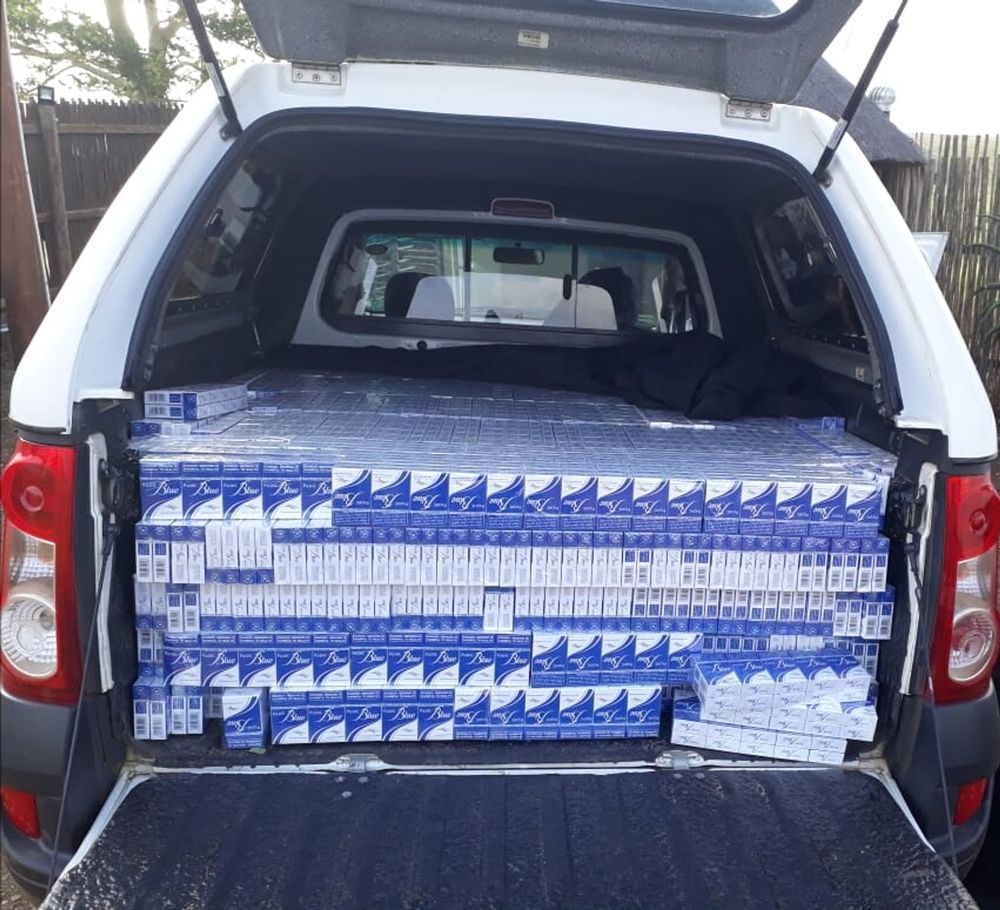
EditorialMay 29, 2026 — 2:39pmTobacco is a cancer, so too is organised crime. Yet good intentions have turned them into a deadly combination.The Senate Legal and Constitutional Affairs References Committee inquiry into the illegal tobacco crisis has heard evidence on how a combination of rising government cigarette duties and lax law enforcement delivered Australia’s multibillion dollar market to organised crime.Illegal cigarettes on the black market are on the rise, wiping out tax revenues from tobacco.Police MediaBy some estimates, 65 per cent of tobacco sales are now on the black market - up from 16 per cent in 2020. Meanwhile, businesses registered to sell tobacco products of the illicit or legal variety since 2015 has soared.The near-tripling in the excise on tobacco over the past decade has pushed the price of a packet of cigarettes at Coles to almost $50, while an illegal version can cost less than $20 if bought under the counter at a shopping centre tobacconist.Billions of dollars a year are now flowing to organised crime instead of government coffers, and smoking rates are rising again.Australia had been a world leader in tackling Big Tobacco and the scourge of smoking. It was banned from Commonwealth buildings and then domestic flights in 1987; now plain paper wrapping and graphic health warnings on cigarette packs make cigarette brands less attractive, and the product must not be displayed in shops.Australian tobacco taxes - thought to be a financial deterrent - are among the highest in the world.But charging people more for a lethal product to improve health had unintended consequences.Organised crime saw a market opportunity and flooded the country with black market cigarettes. They also paid next to no taxes for effectively killing thousands while further crushing the health system. It has led to gang violence, particularly in Victoria.A report by Oxford Economics predicted organised crime on a trajectory to capture almost 90 per cent of total tobacco consumption by 2028-29 without government intervention.So what to do?Three decades ago, Canada was similarly hit by black market cigarettes and decided to lower tax rates. It took away the contraband market’s competitive edge.Many Australian public health experts argue that dropping the excise will only further worsen smoking as a health problem. Not Nick Coatsworth, an infectious diseases expert and Australia’s deputy chief medical officer during the COVID pandemic, who has criticised the “public health absolutism” that prioritised smoking reduction above all else.“The comparison with COVID matters because the intellectual pattern is the same. A narrow expert community defines the problem. It proposes increasingly restrictive interventions. It dismisses trade-offs as distractions. Then, when harms emerge outside its field of vision, it insists the answer is more of the same,” Coatsworth said.The Australian Association of Convenience Stores estimates that up to $11.8 billion worth of duties went up in smoke last year alone. Yet, as business journalist Colin Kruger writes today, Big Tobacco corporate profits remain healthy despite the illegal market while workers and businesses were pay the price.The NSW government has raided retail outlets in NSW suspected of selling illicit cigarettes and vapes. Seventeen franchises in the Sydney CBD closed this month, but that is a drop in the ocean. Inner West Council mayor and president of Local Government NSW Darcy Byrne has said tobacconists should be forced to lodge development applications, which would be a positive step.NSW Premier Chris Minns argues that the excise should be cut. He is concerned that state police departments are having to deal with the increase in criminal activity.The senate committee is due to report next month but state and federal governments cannot continue to let things drift. They are wedged and most likely must choose between lowering the excise on cigarettes or redoubling enforcement efforts. Both courses are fraught, but the current situation is untenable.The Herald's View – Since the Herald was first published in 1831, the editorial team has believed it important to express a considered view on the issues of the day for readers, always putting the public interest first.From our partners
Tragically, tobacco tax opened the door to organised crime
Governments have let the illegal tobacco trade run wild.
667 words~3 min read