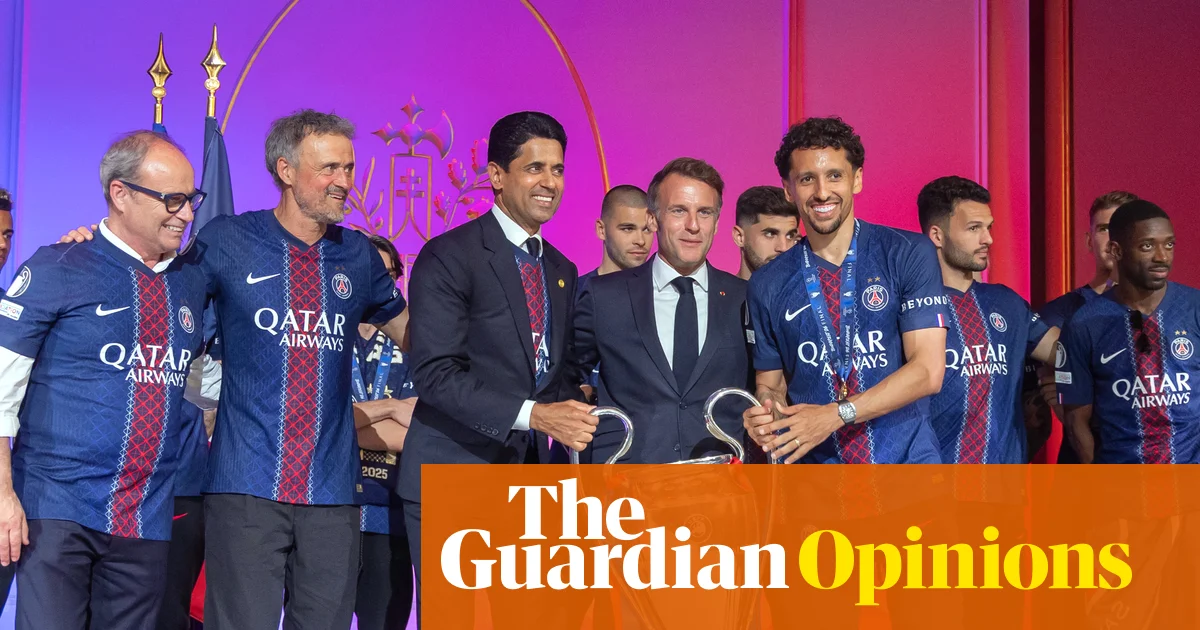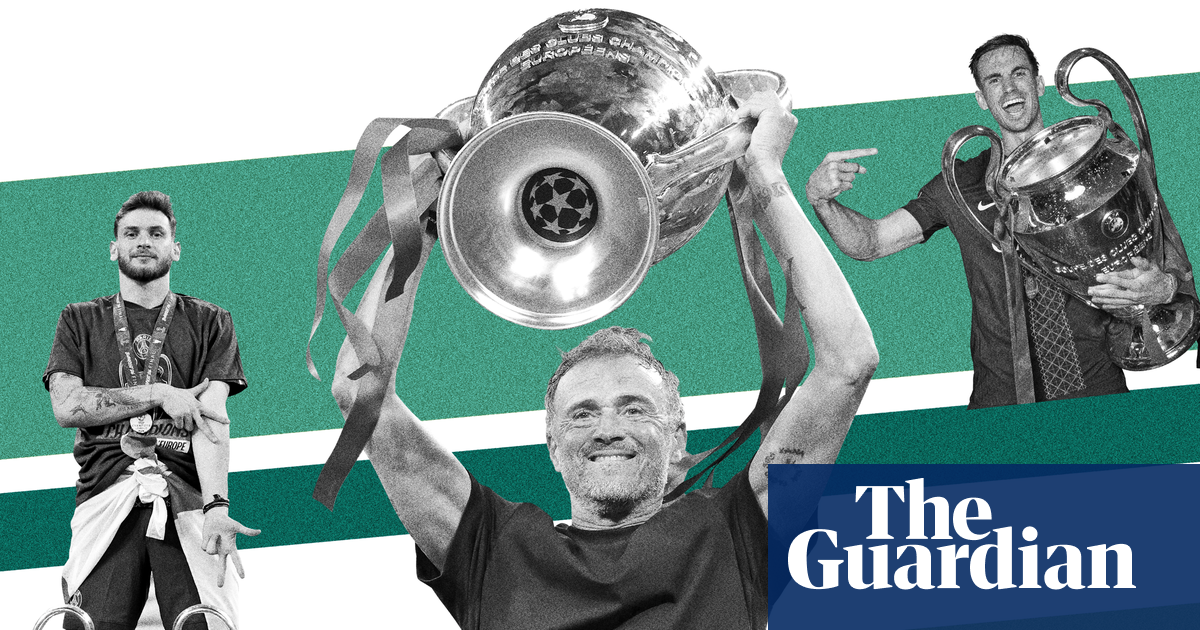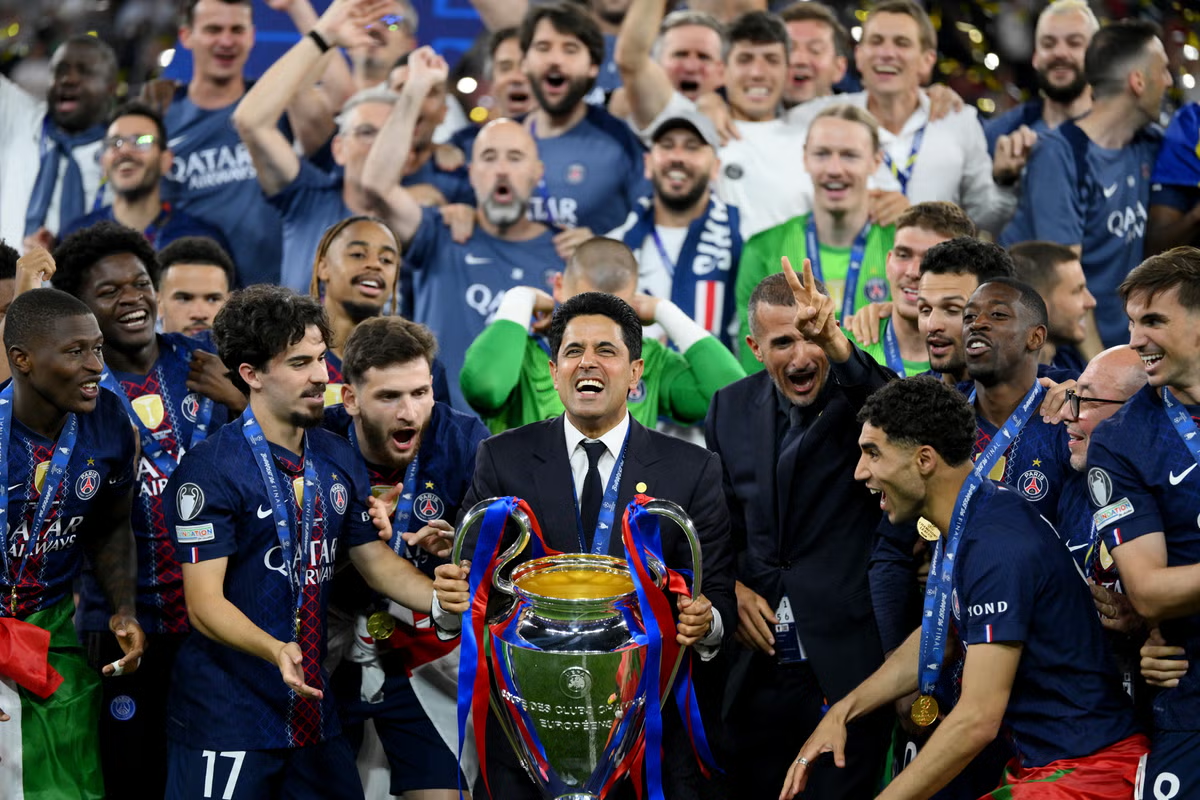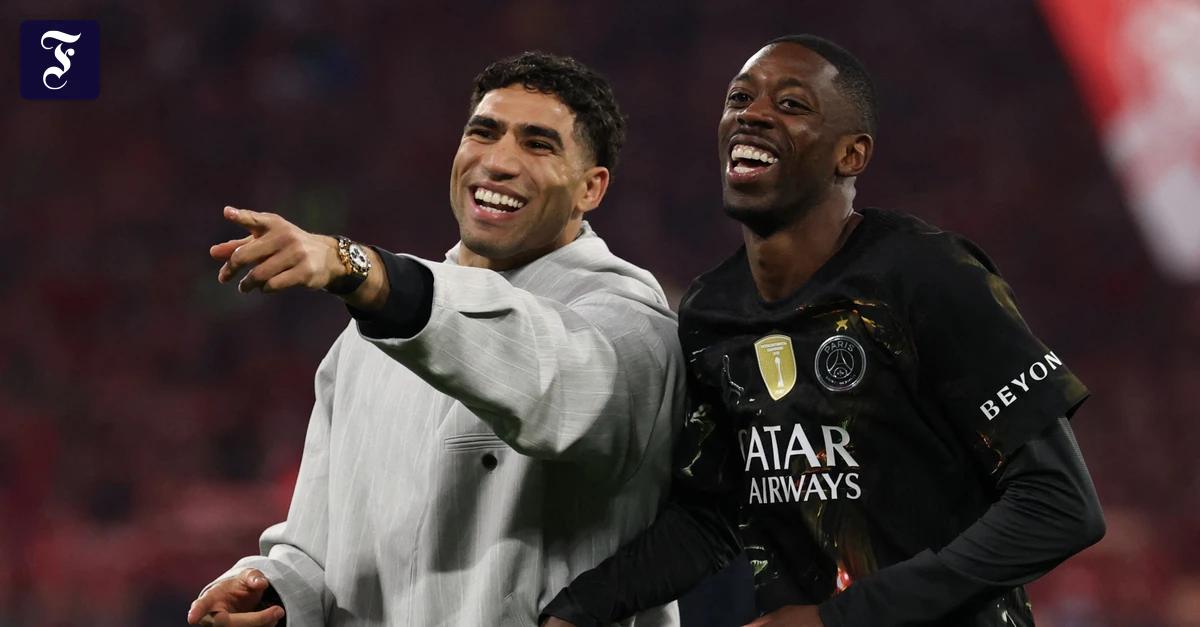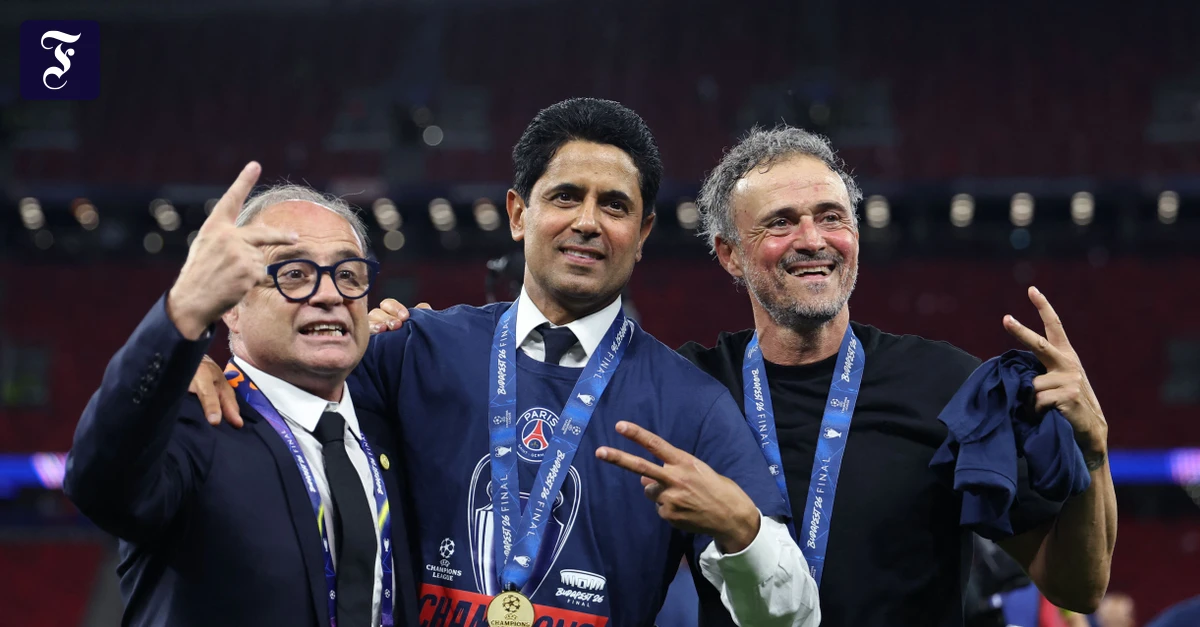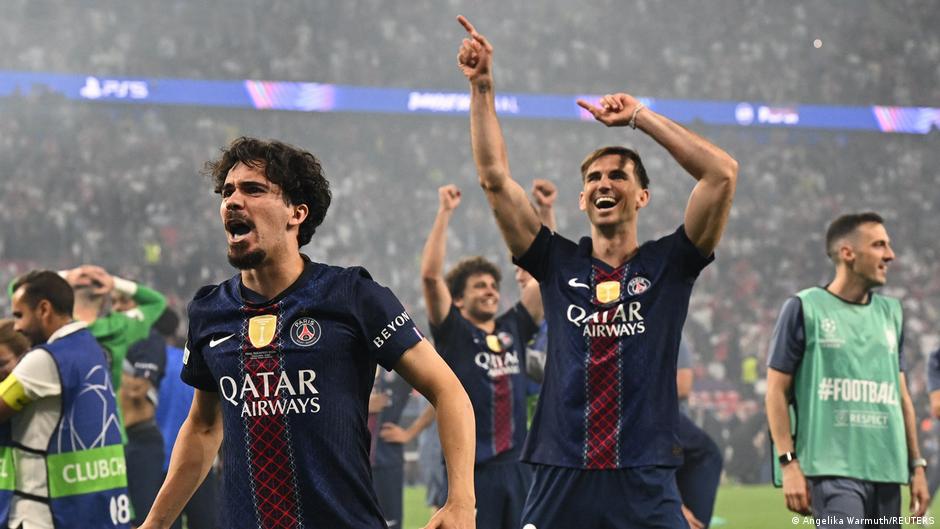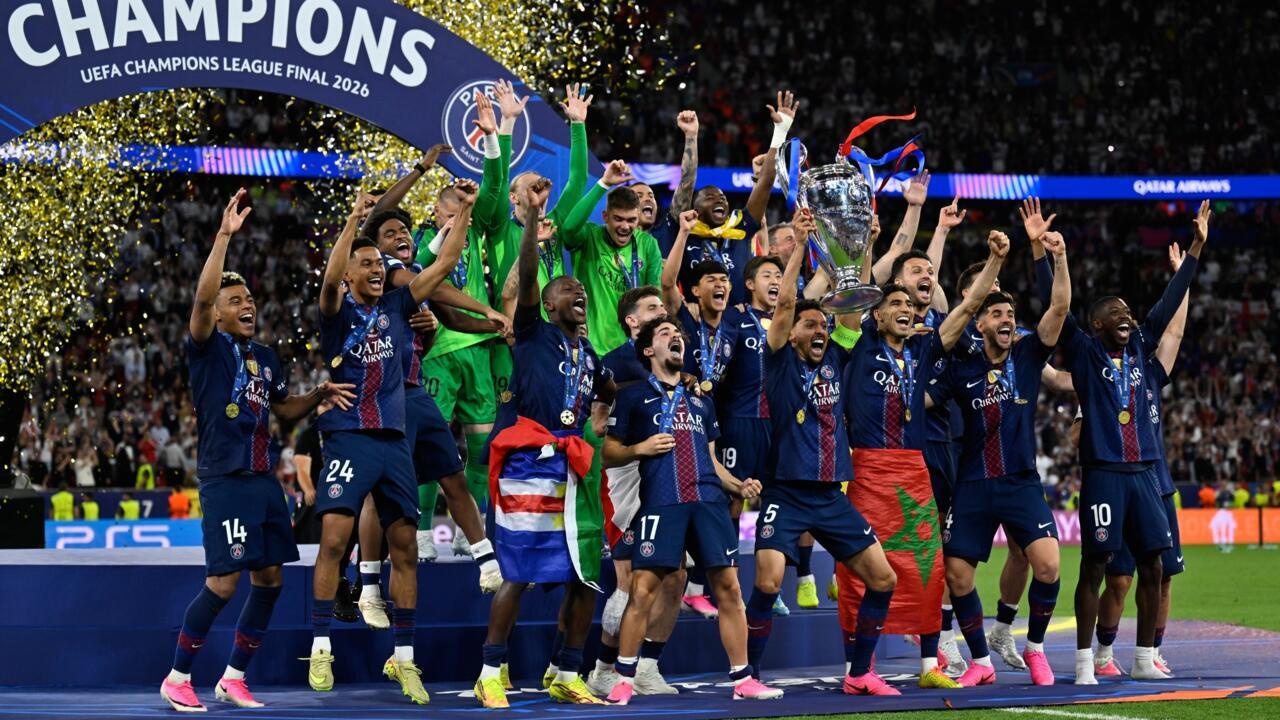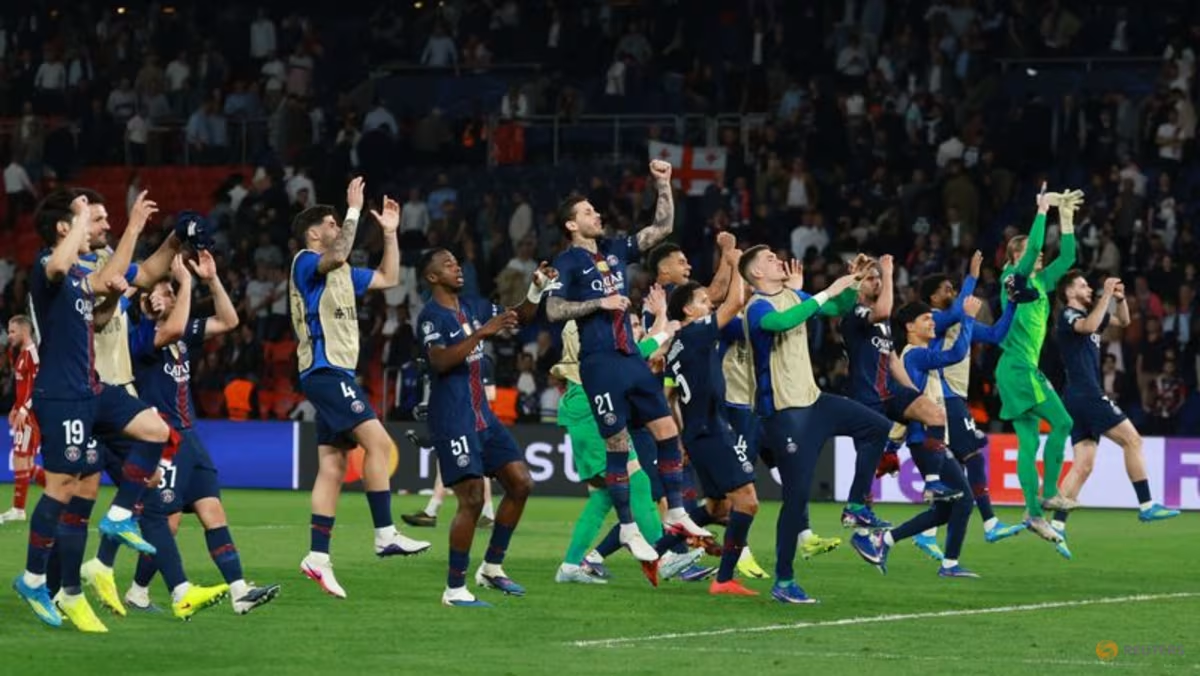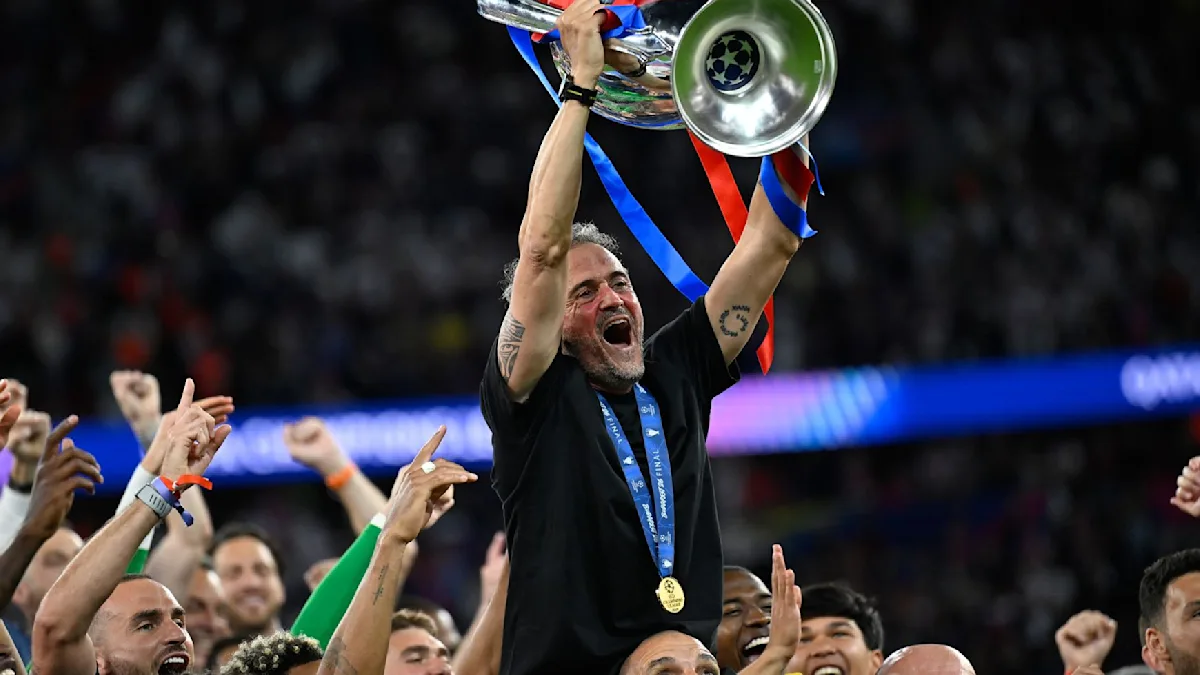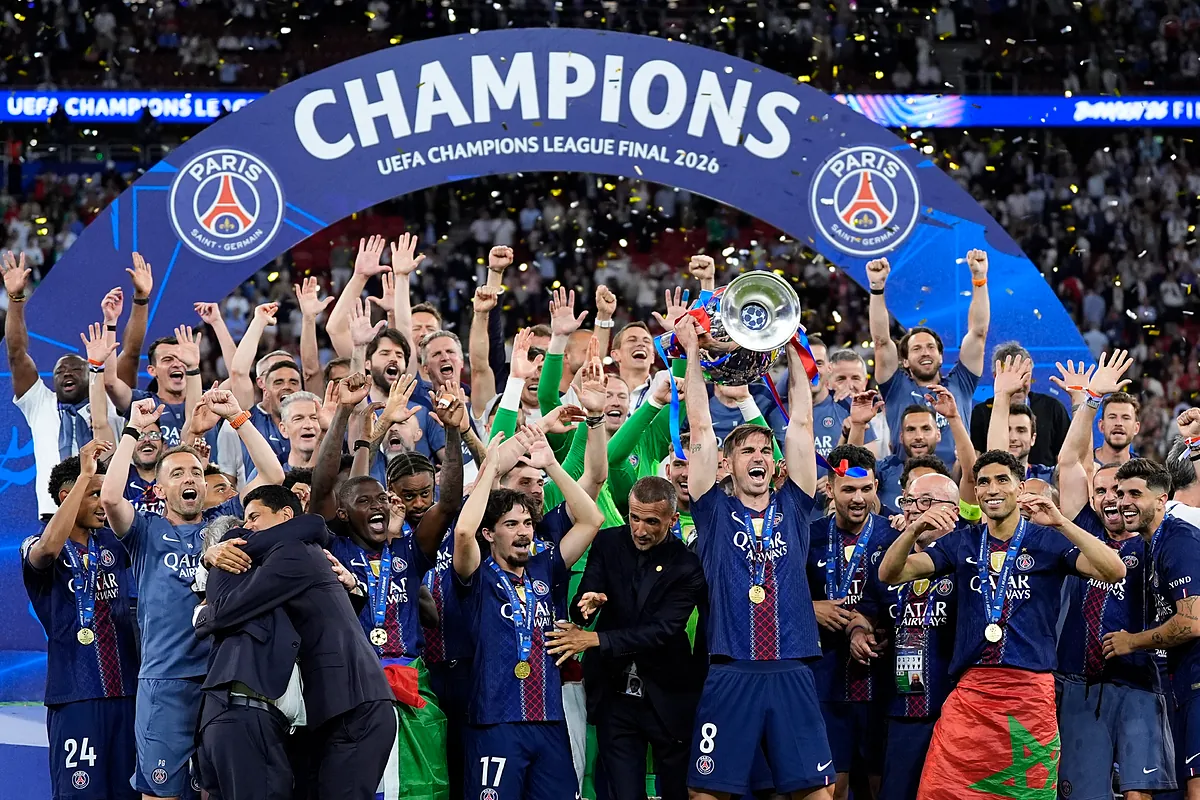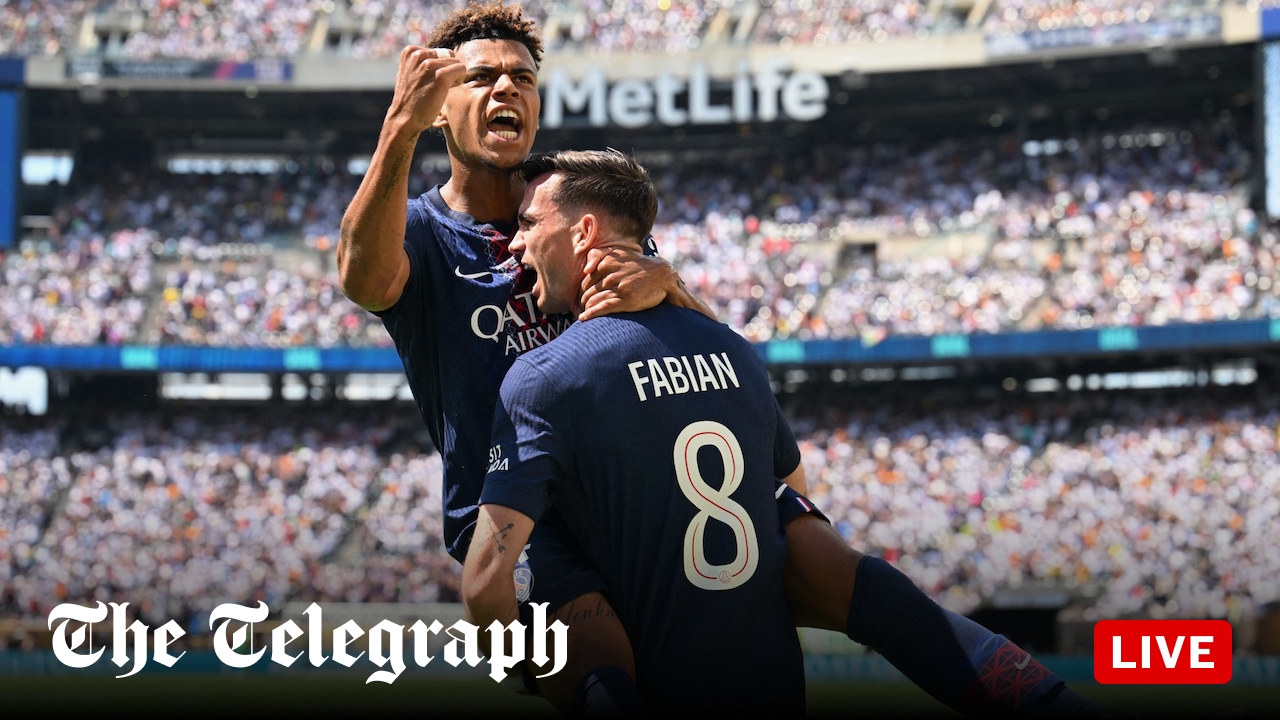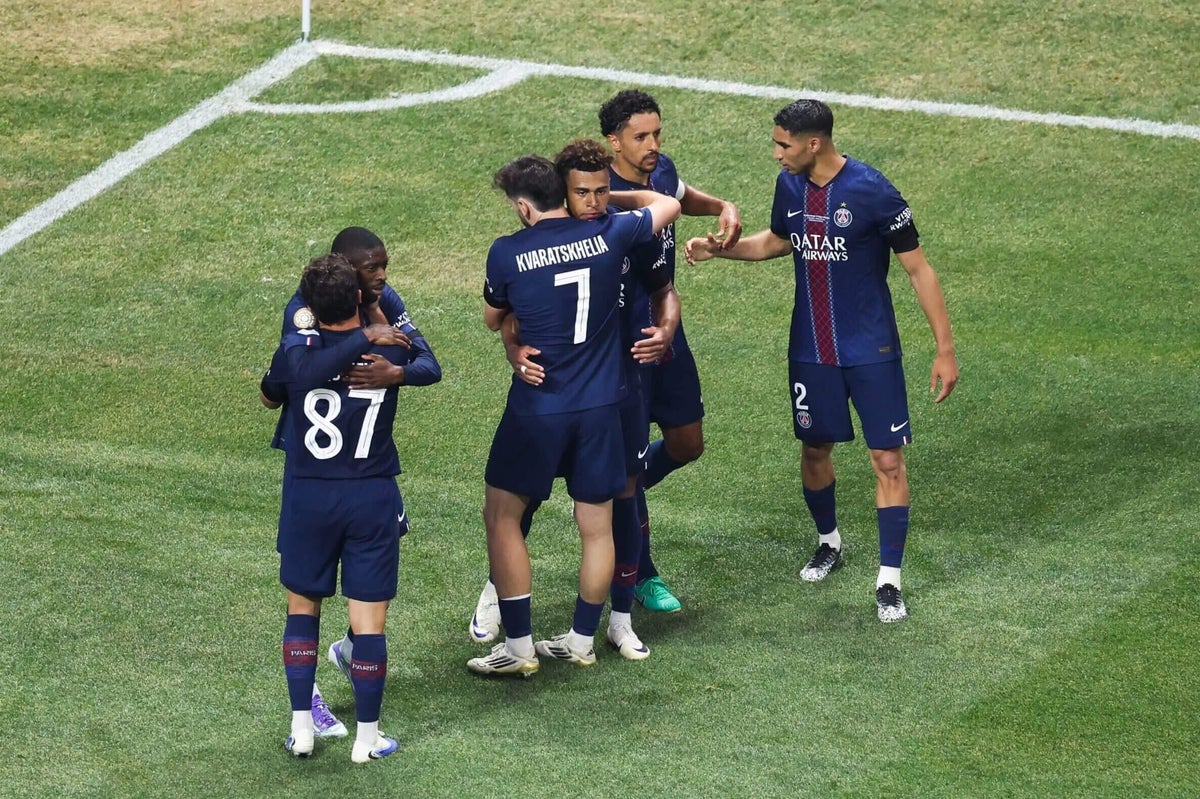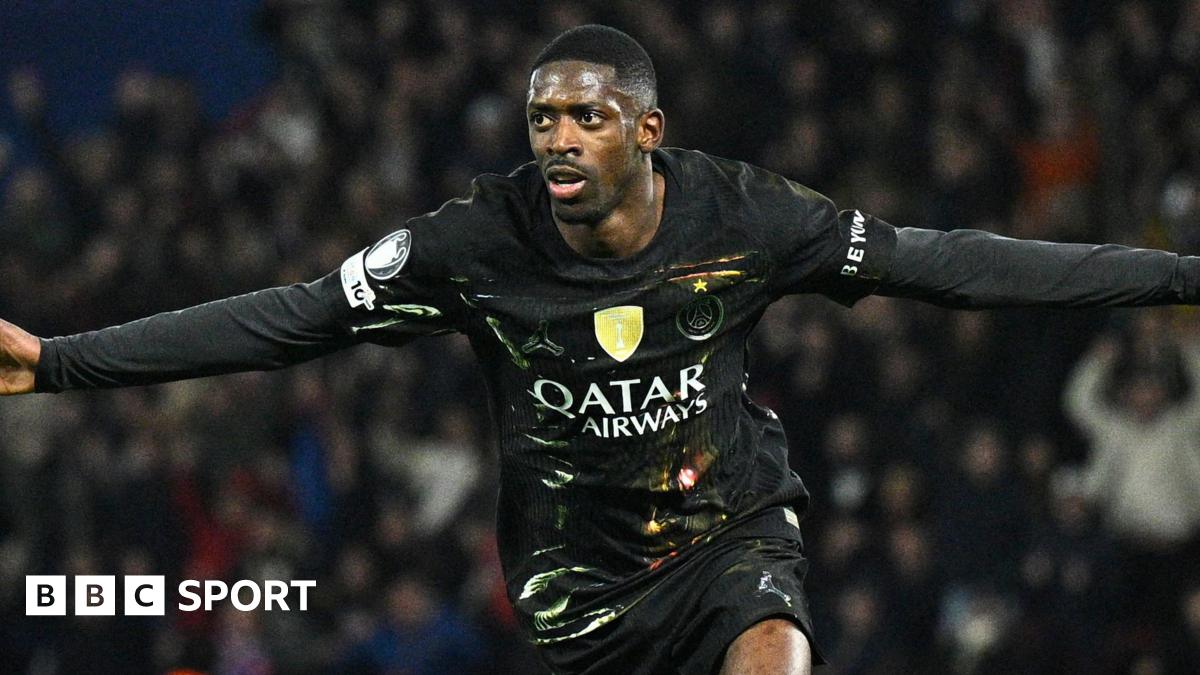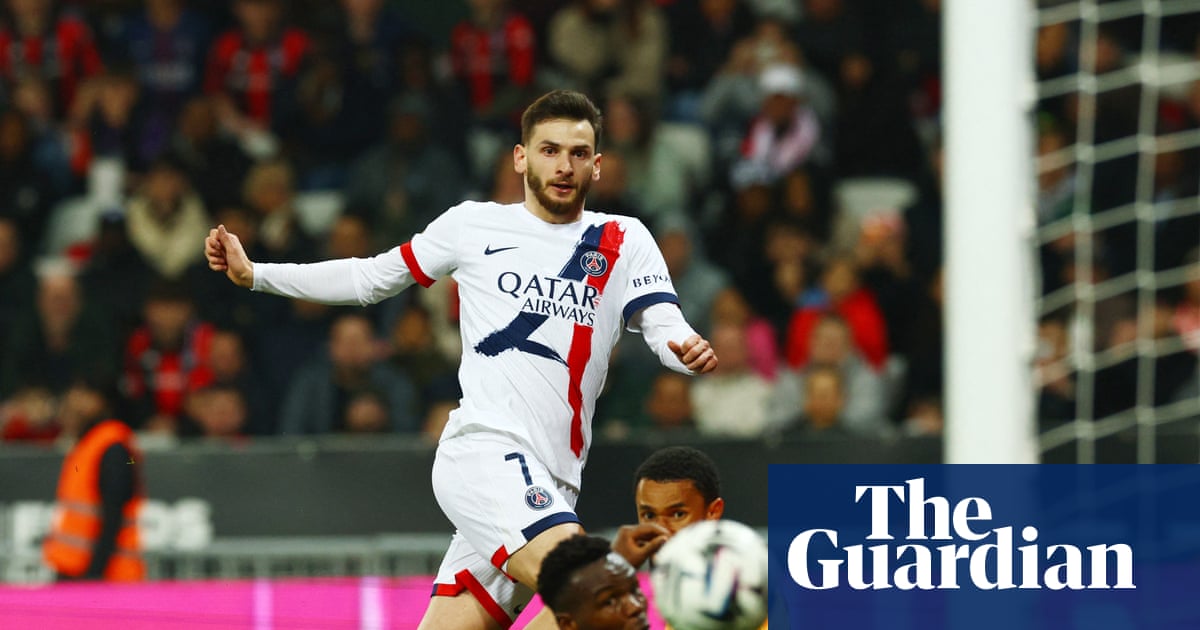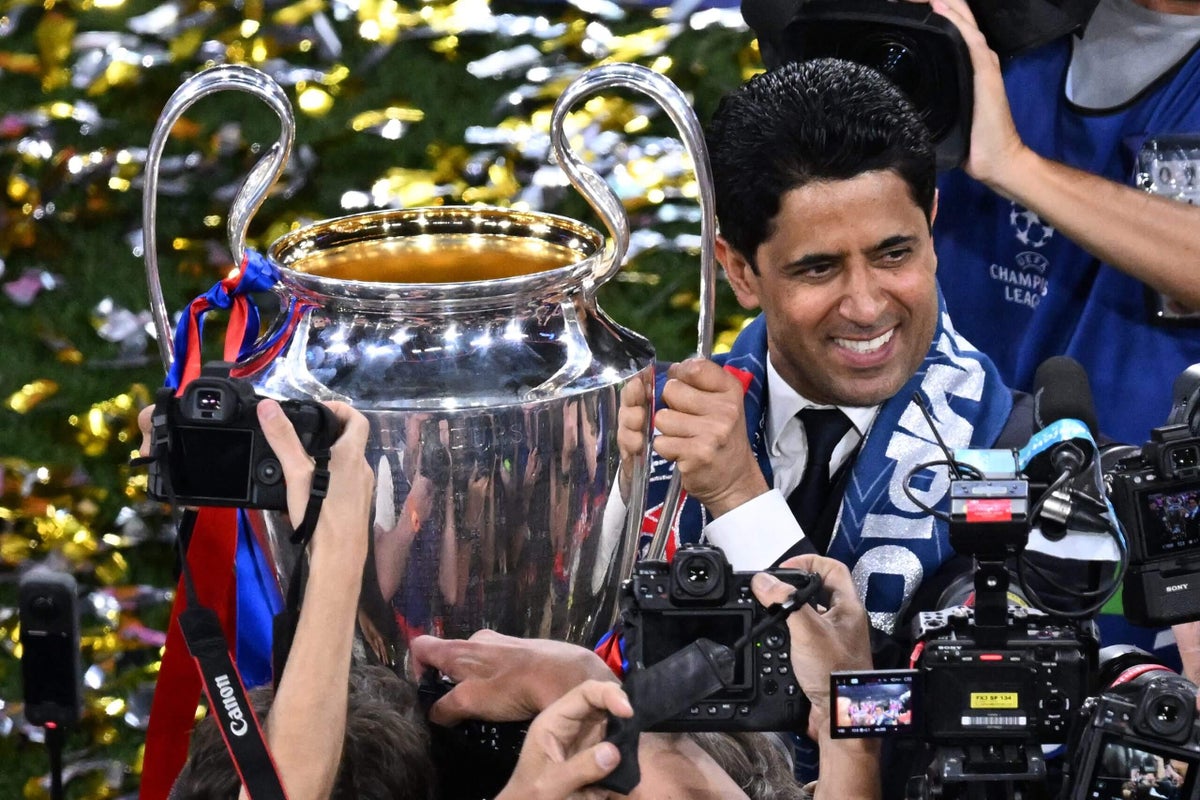
Paris Saint-Germain are not just the best team in Europe and possibly the world right now, but they are also surely the best to watch.Their full-backs could be wingers in most other teams. Observing their midfield do a rondo in the warm-up would probably be more entertaining than many full games elsewhere. Ousmane Dembele has been transformed from a talented but unreliable and injury-prone winger into a Ballon d’Or-winning striker.Desire Doue is a thrilling mixture of pace, skill and nous. Bradley Barcola would start for most other teams in the Champions League but can’t get a game here. And then there’s Khvicha Kvaratskhelia, part bull, part 100m sprinter and part ballet dancer, combining to make probably the most viscerally thrilling player in the world.Some of their performances in this season’s Champions League made you conclude that this is football how it was meant to be played: fast, attacking, tons of goals, with structure but also just enough vulnerability to ensure they are not a complete machine.In most circumstances, all of that would add up to a pretty likeable team.And then you remember what club they represent.Qatar Sports Investments bought PSG in 2011, the deal concluded just under a year after the tiny Gulf state of Qatar was awarded the 2022 World Cup. The semantics behind criticisms of their motivations may vary: sportswashing, soft power, geopolitical influence, an elaborate state marketing exercise. Whatever term you use, it all adds up to essentially the same thing: Qatar bought a famous but hitherto underachieving European football club, in a desirable location, in order to further the interests of Qatar.From a football perspective, it has worked spectacularly. They have won 12 of the past 14 French titles, last season’s Champions League and they are favourites to retain that trophy when they face Arsenal in Budapest on Saturday.From a business perspective, too: QSI paid around €70million (£61m, $82m) to acquire the club 15 years ago, but the investment group Arctos’s purchase of 12.5 per cent of PSG in 2023 valued the whole thing at around €4.25billion.It has been a bit of a journey. The slightly reductive version of their timeline is that for the first decade or so of the Qatari era, they were a brand with a football team loosely attached. And that is only slightly reductive: in early 2024, I interviewed Nasser Al-Khelaifi, chairman of QSI and PSG, for my book Who Owns Football?, and when I asked about his main priority when he arrived in 2011, his immediate response was: “I wanted to build a brand.” More football-adjacent goals followed, but the order of his priorities was striking.And it was obvious in pretty much everything they did. They signed famous players rather than necessarily ones who would form a coherent team; they tried to make themselves as ‘of Paris’ as possible, redesigning their club logo to accentuate the city and minimise the ‘Saint-Germain’ part of their name; they entered into a partnership not just with Nike, but its Jordan imprint; celebrities were invited to the Parc des Princes, and they showed up — Leonardo Di Caprio, Beyonce, Jay-Z. Lenny Kravitz became weirdly ubiquitous.
The PSG paradox: Football’s most beautiful team are also the sport’s most successful state project
Watching the reigning European champions can be such a joy but it is hard to separate the football from the club's ownership
1,320 words~6 min read