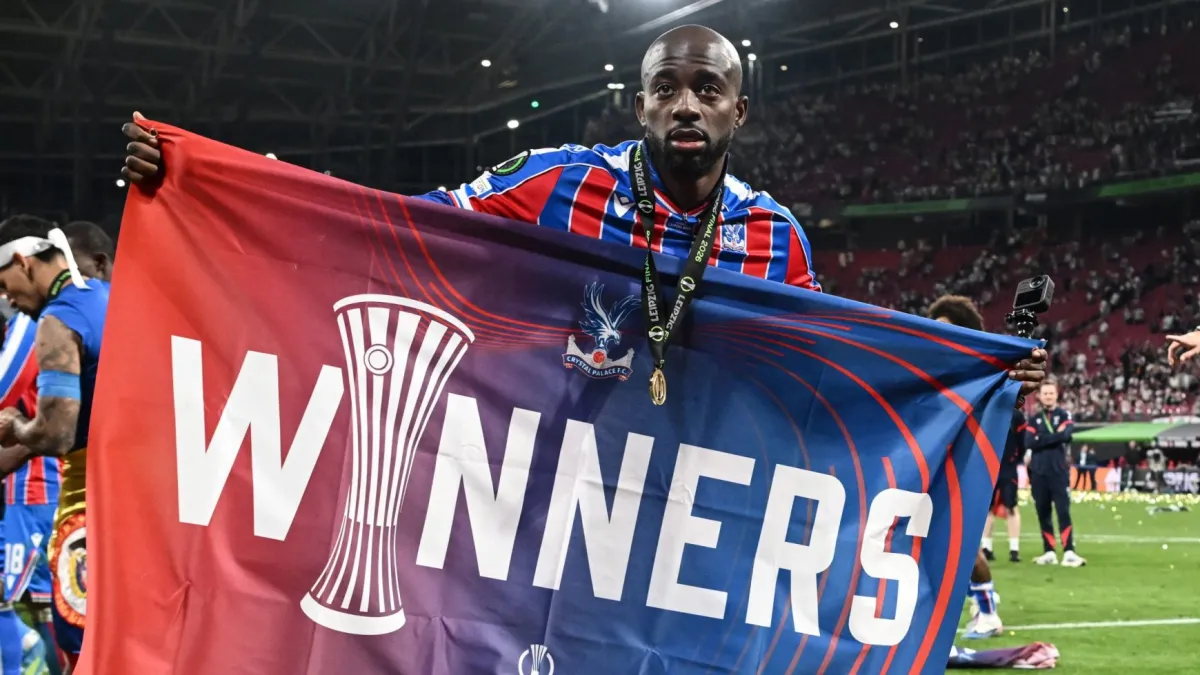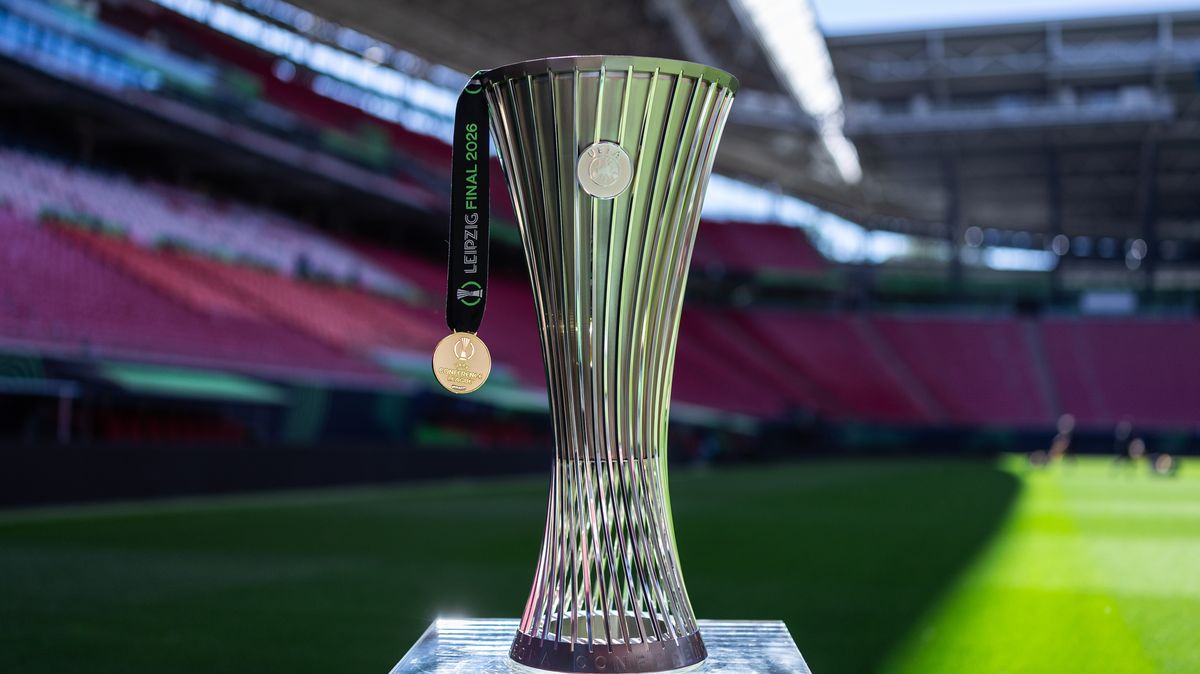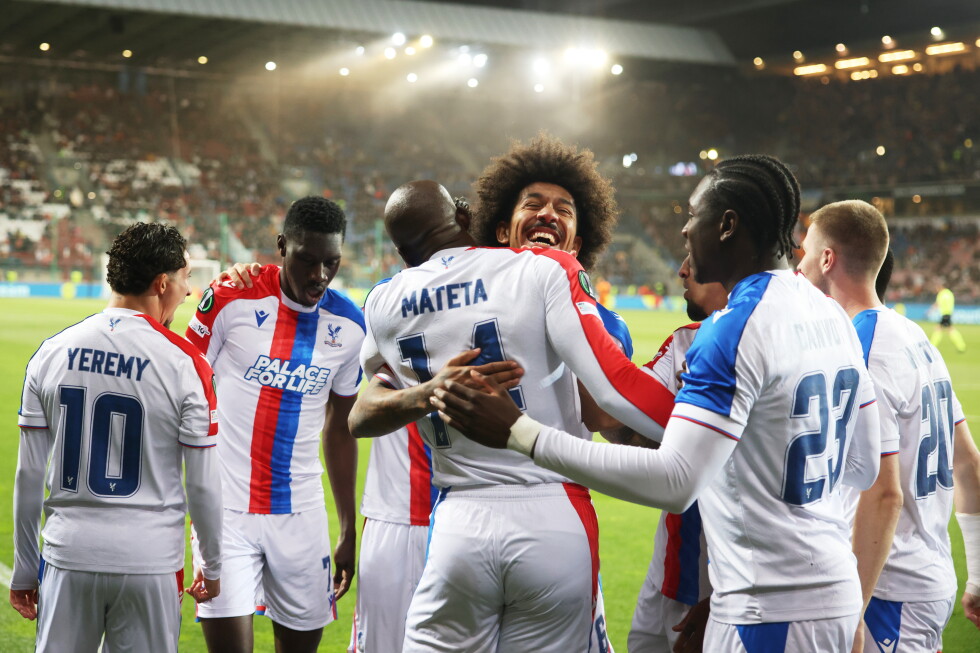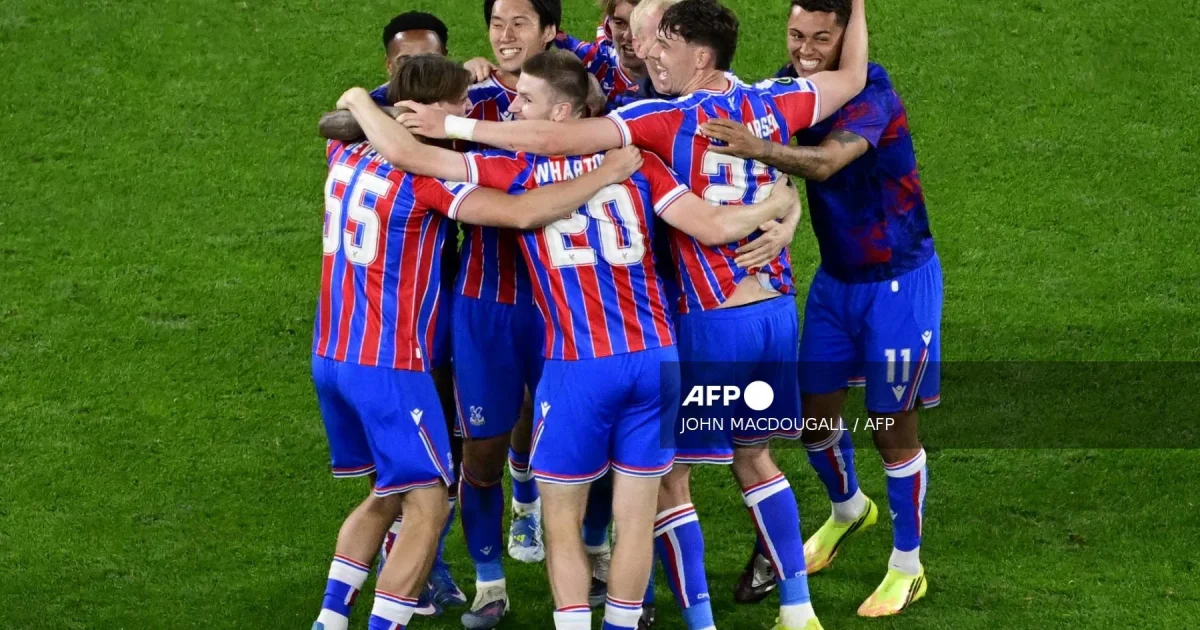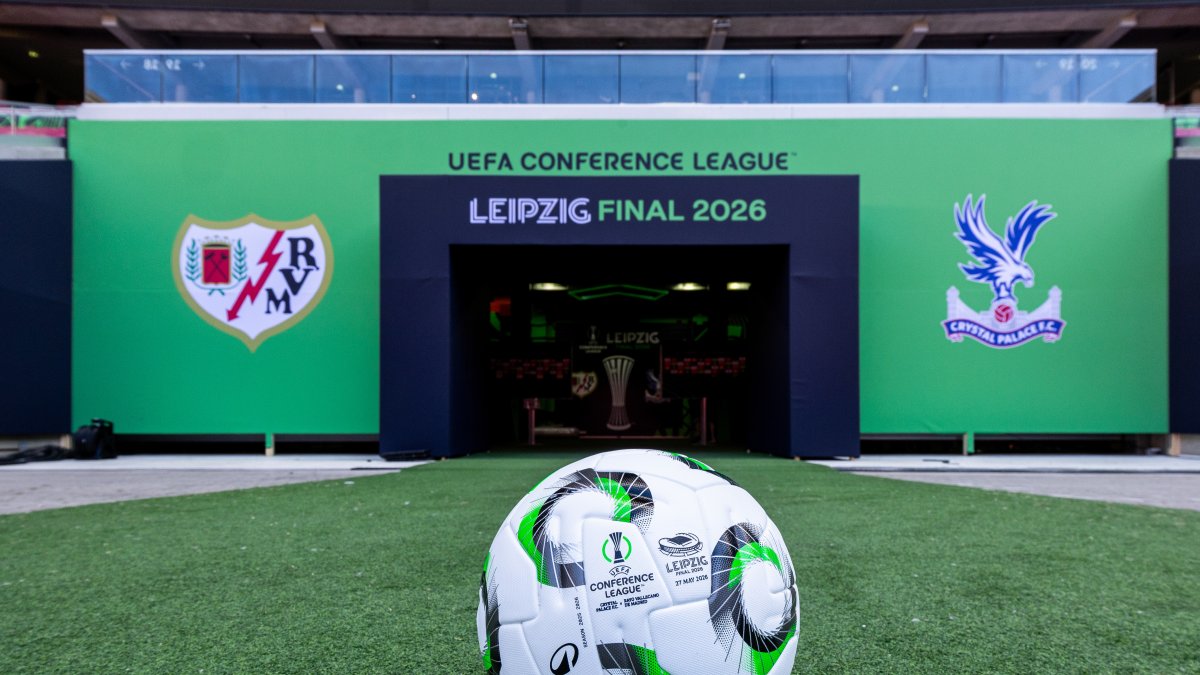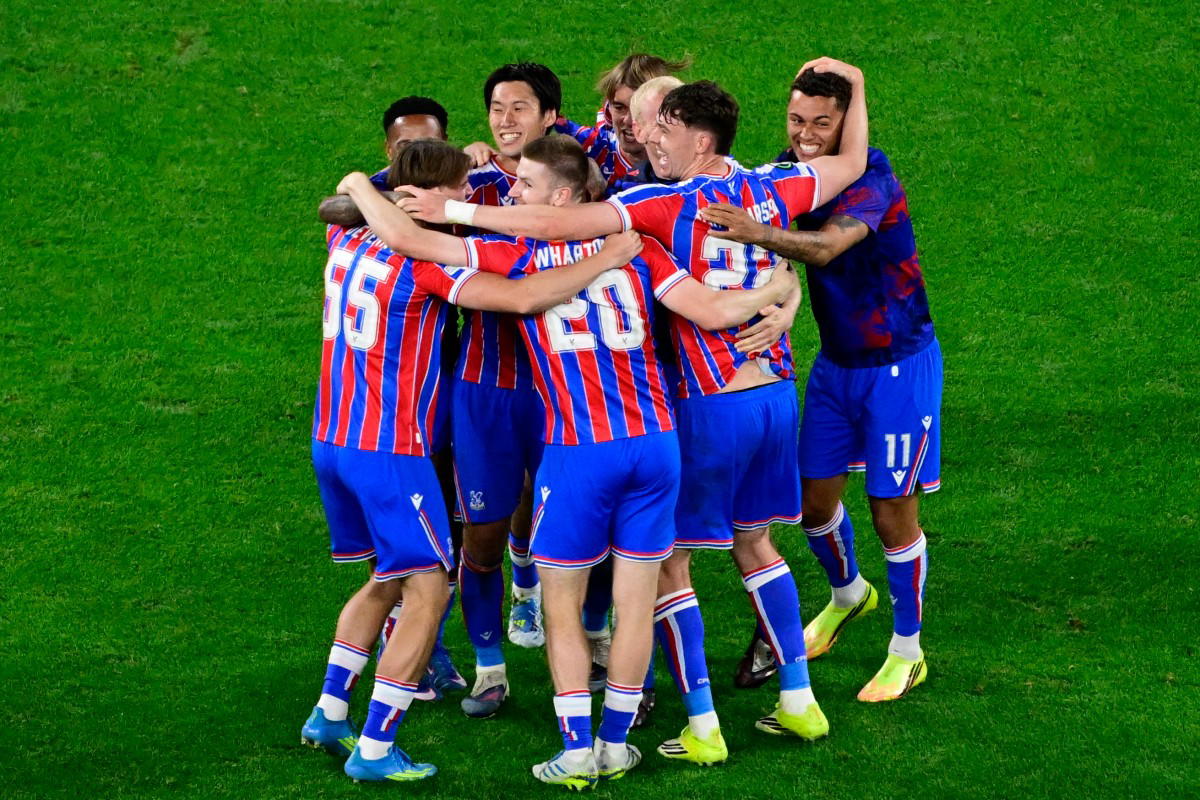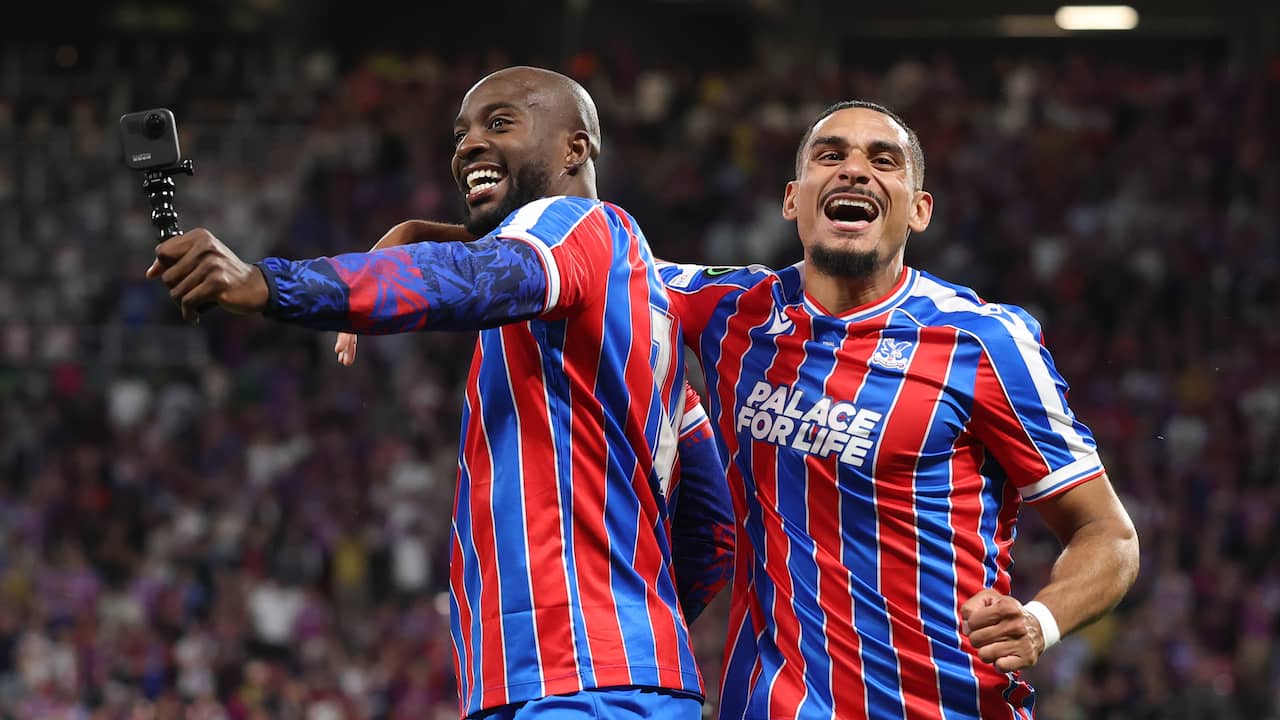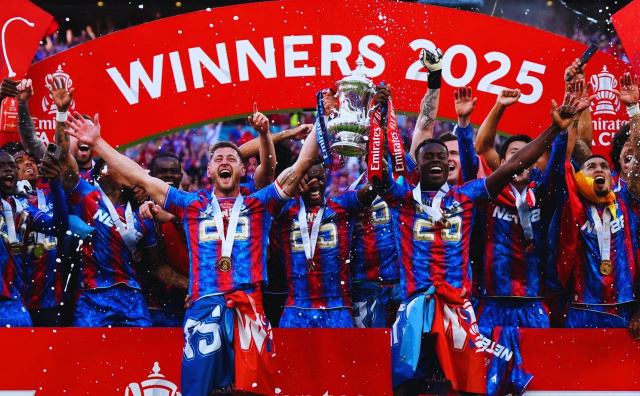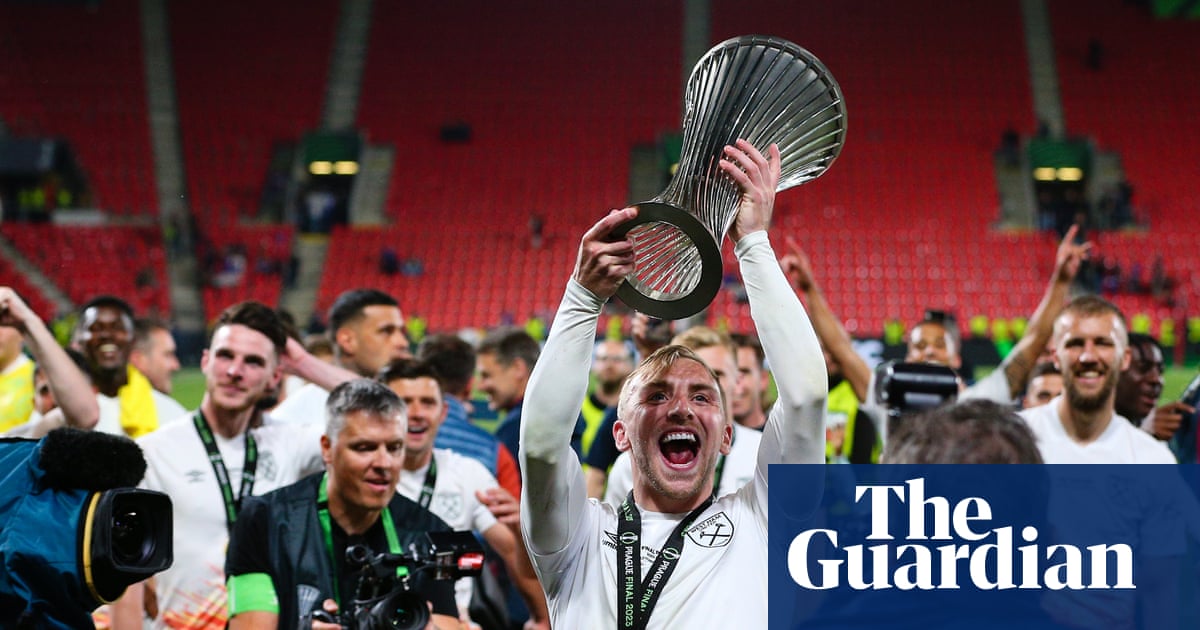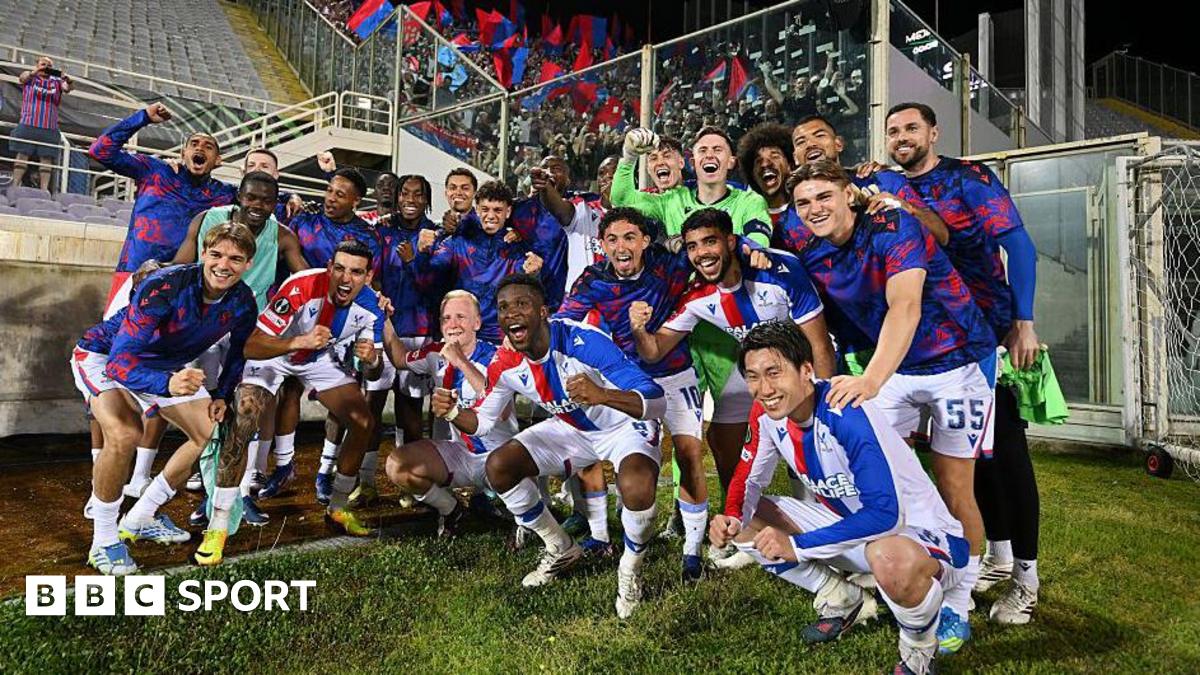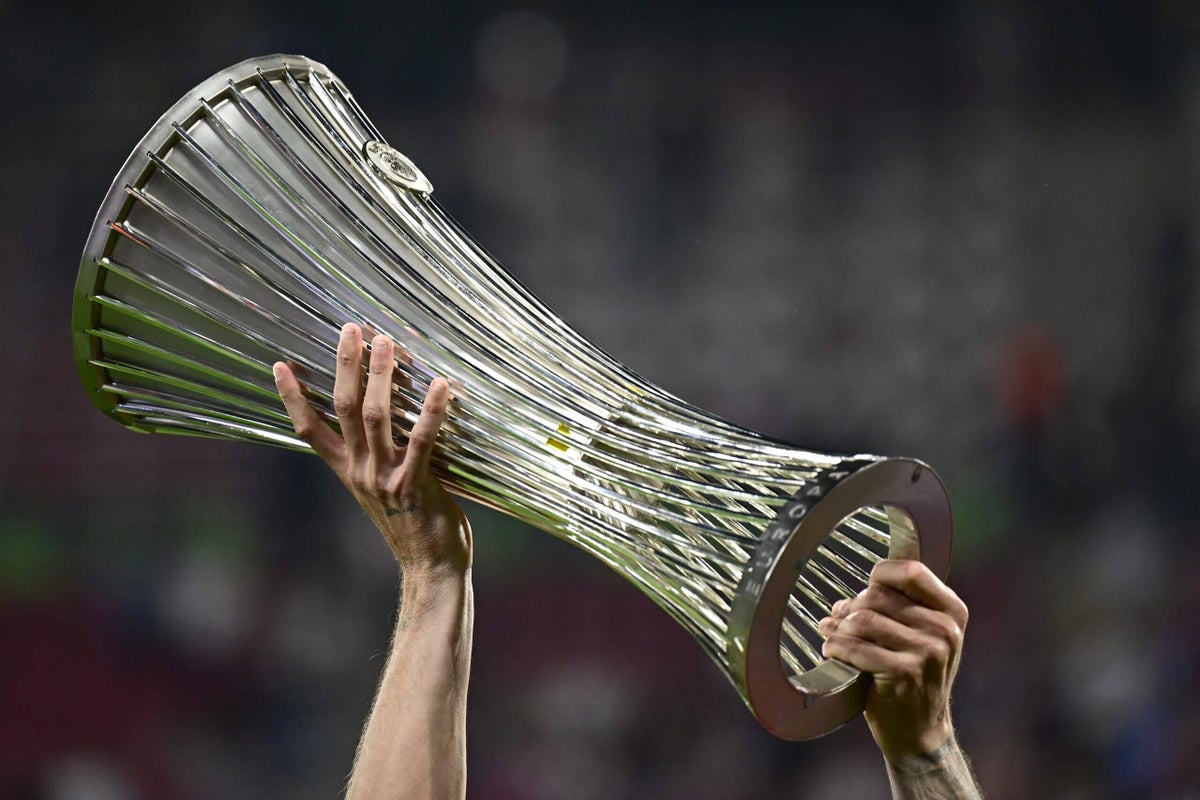
One of the main goals for Brighton & Hove Albion is to win a first major trophy.So, on the face of it, competing in the UEFA Conference League in 2026-27 is an opportunity to celebrate the club’s 125th anniversary season with silverware.Rivals Crystal Palace became the third Premier League club in four years to lift the trophy with Wednesday’s 1-0 win in the final against Spanish side Rayo Vallecano in Leipzig, emulating West Ham (2023) and Chelsea (2025).Brighton skipper Lewis Dunk, quoted on the club’s website after Sunday’s closing 3-0 home defeat by Manchester United, said: “I think we have to try, don’t we? We will see where we end up. If you look at the European competitions this year with the number of English teams in all the finals, it gives us hope.“We have to back ourselves. You never know what will happen. We know the quality we have, we know the fight we have. Let’s see where the road in Europe takes us. Let’s see where we end up.”Brighton’s Lewis Dunk is backing the team to make an impression in next season’s UEFA Conference League (Glyn Kirk/AFP via Getty Images)Palace’s triumph cranks up the pressure, as does the level of expectation associated with Premier League representatives in UEFA’s third-tier competition. Brighton will start as one of the favourites to go all the way to the final at the Besiktas Stadium in Istanbul on June 2 next year, but it will be a long and arduous road ahead. One full of potholes.The format of UEFA’s club competitions changed in 2024-25 — the season after Brighton played in the Europa League under former head coach Roberto De Zerbi. That first experience of European competition was a useful learning curve, but the team will have to adapt after reaching the knockout stages of the Europa League in 2023-24 by topping a group of four teams that also contained Marseille, Ajax and AEK Athens.The revamp has replaced the traditional 32-team group stages with a single-league system of 36 teams, each playing six matches — three at home and three away.First things first, Fabian Hurzeler’s side will enter the competition in the final play-off round of 48 clubs, reduced from 167 teams starting out in a range of play-off rounds.
Crystal Palace have won the UEFA Conference League — so can Brighton follow suit?
The south coast club will try to emulate their rivals and win a first major trophy in a competition that will place a strain on the squad
1,151 words~5 min read