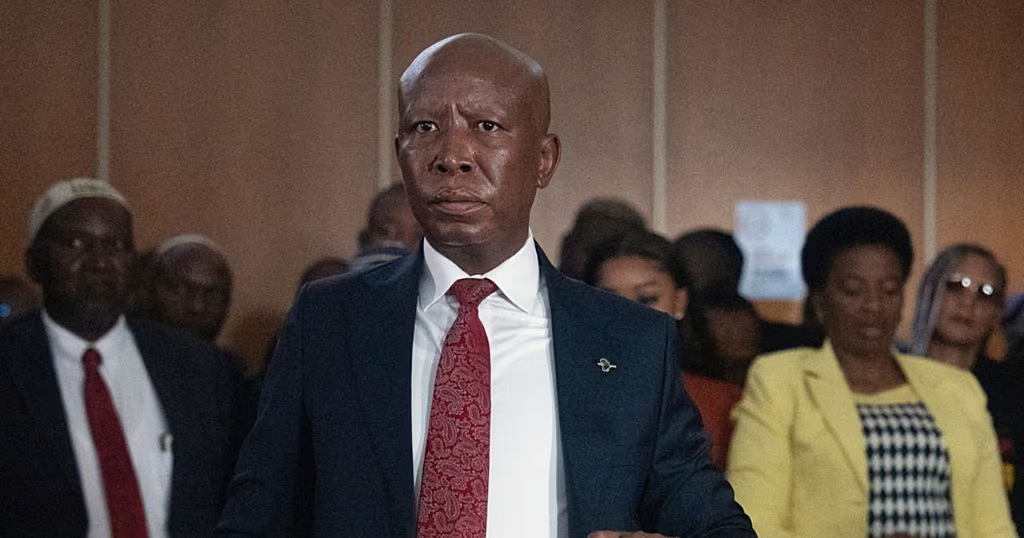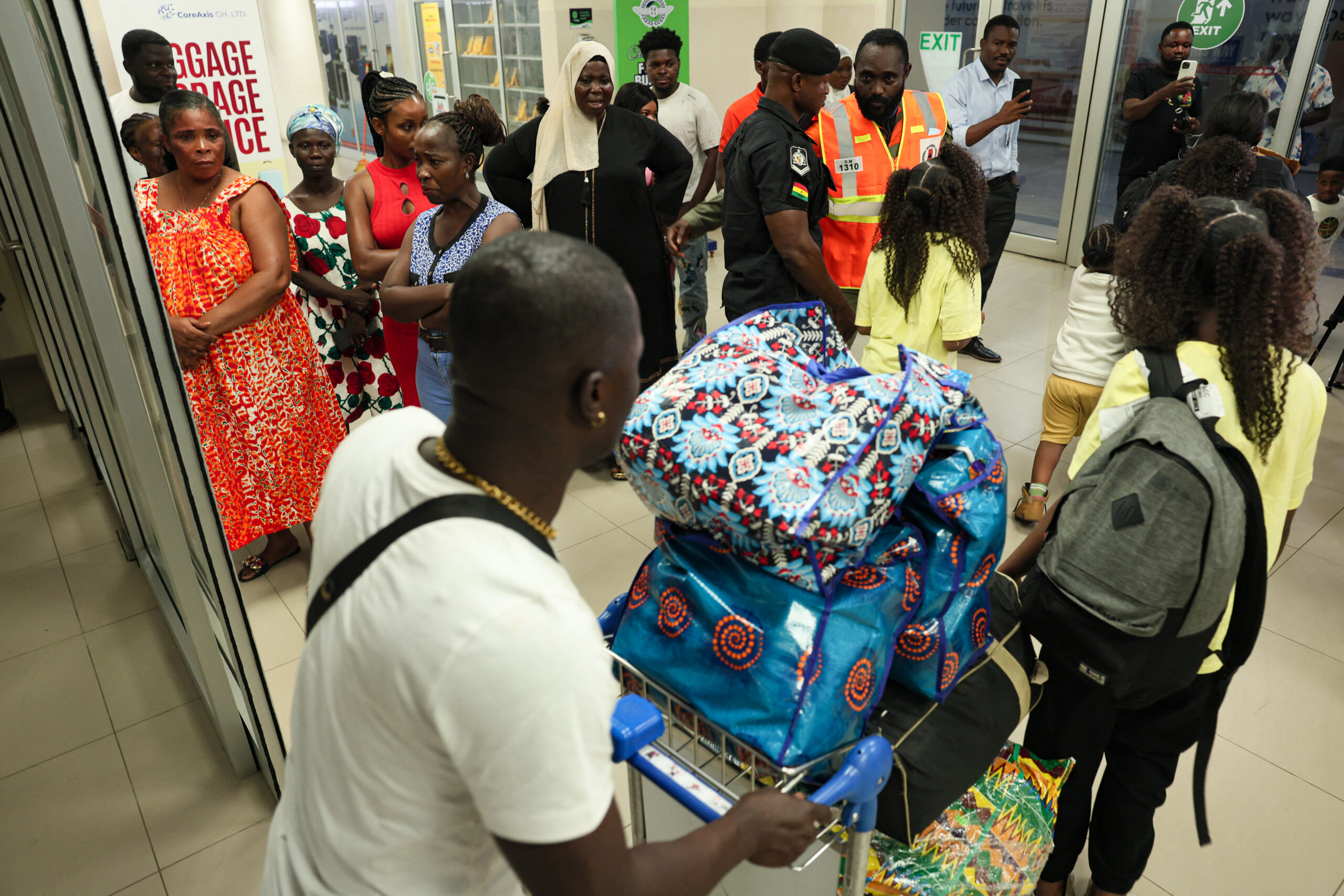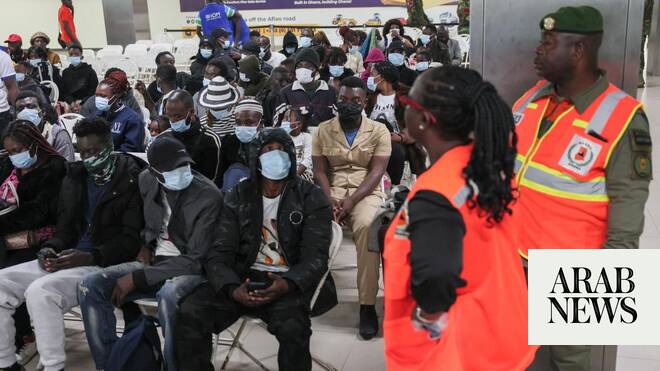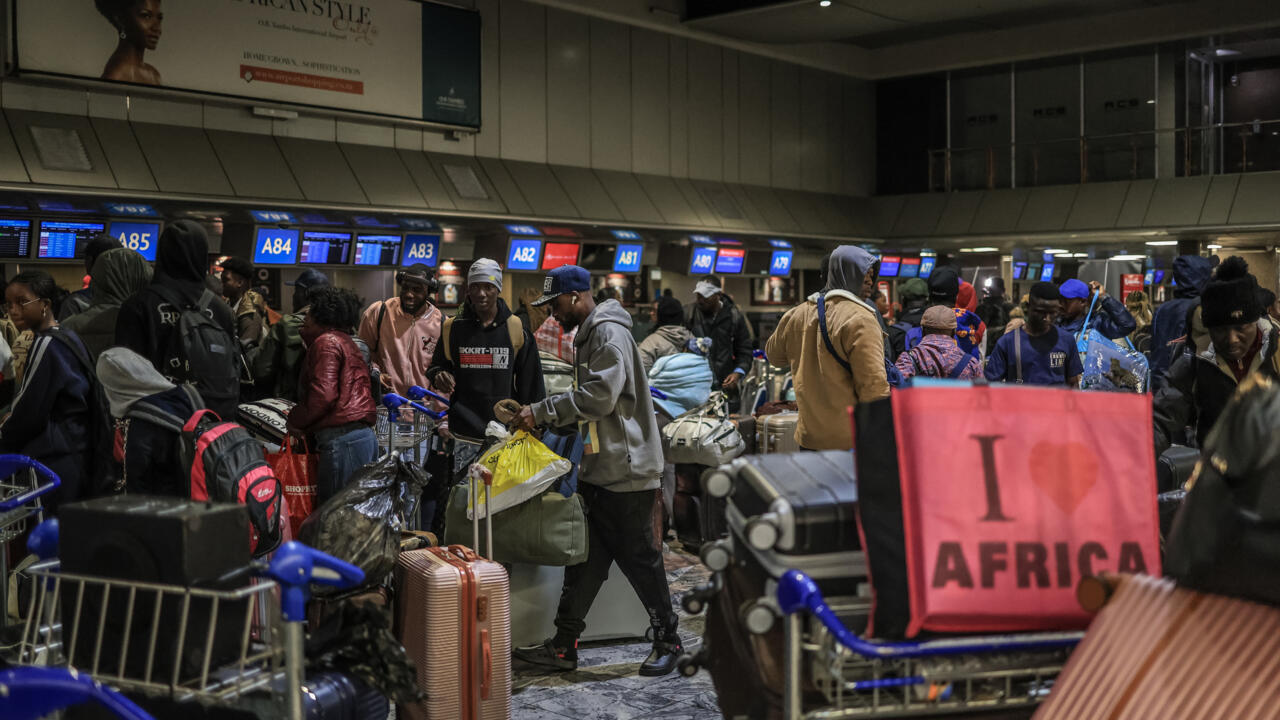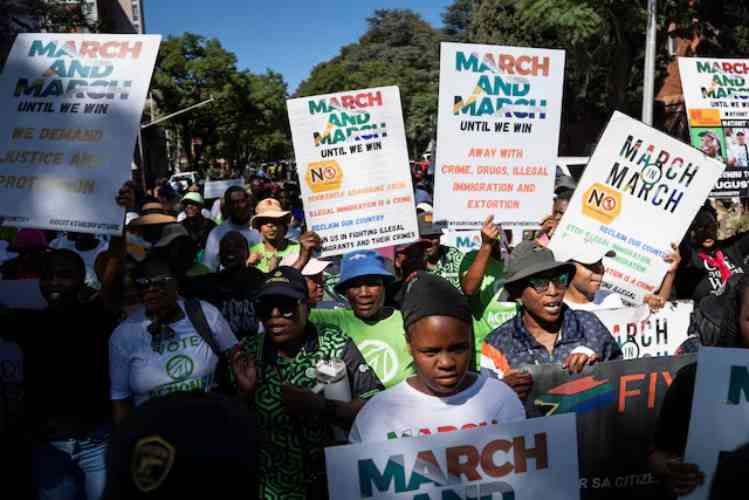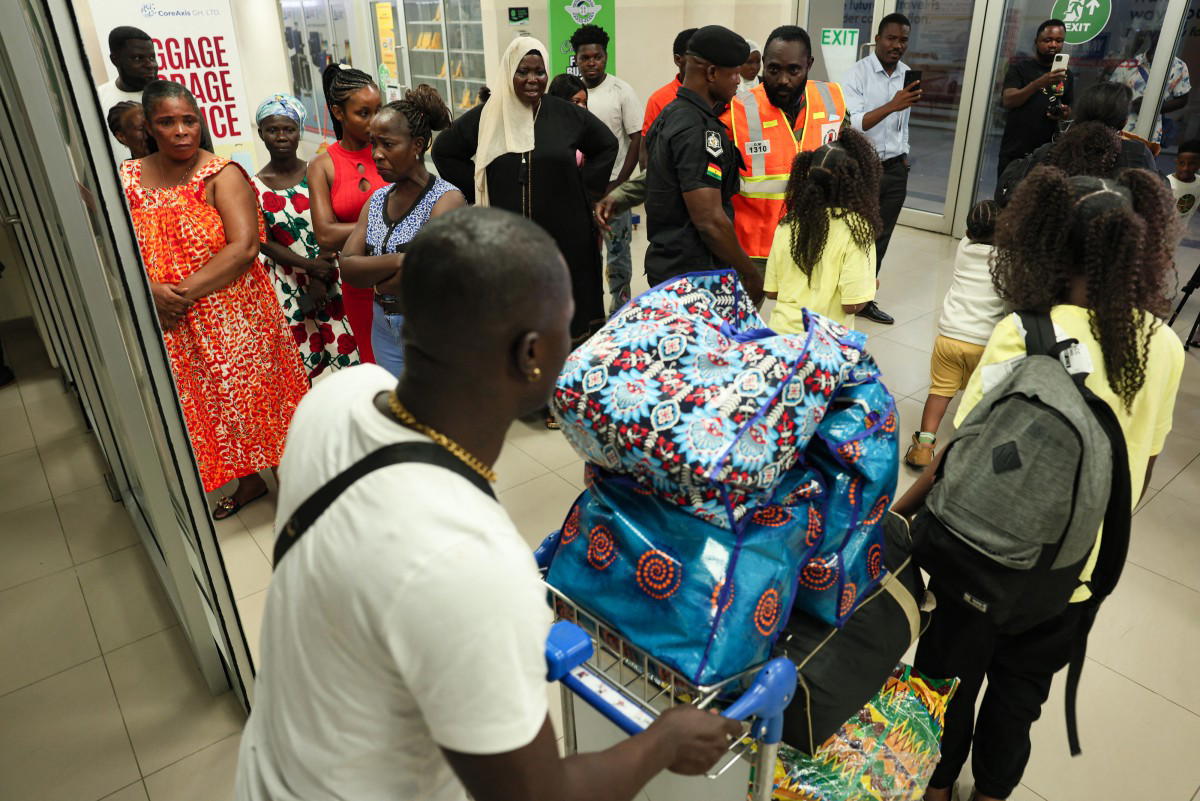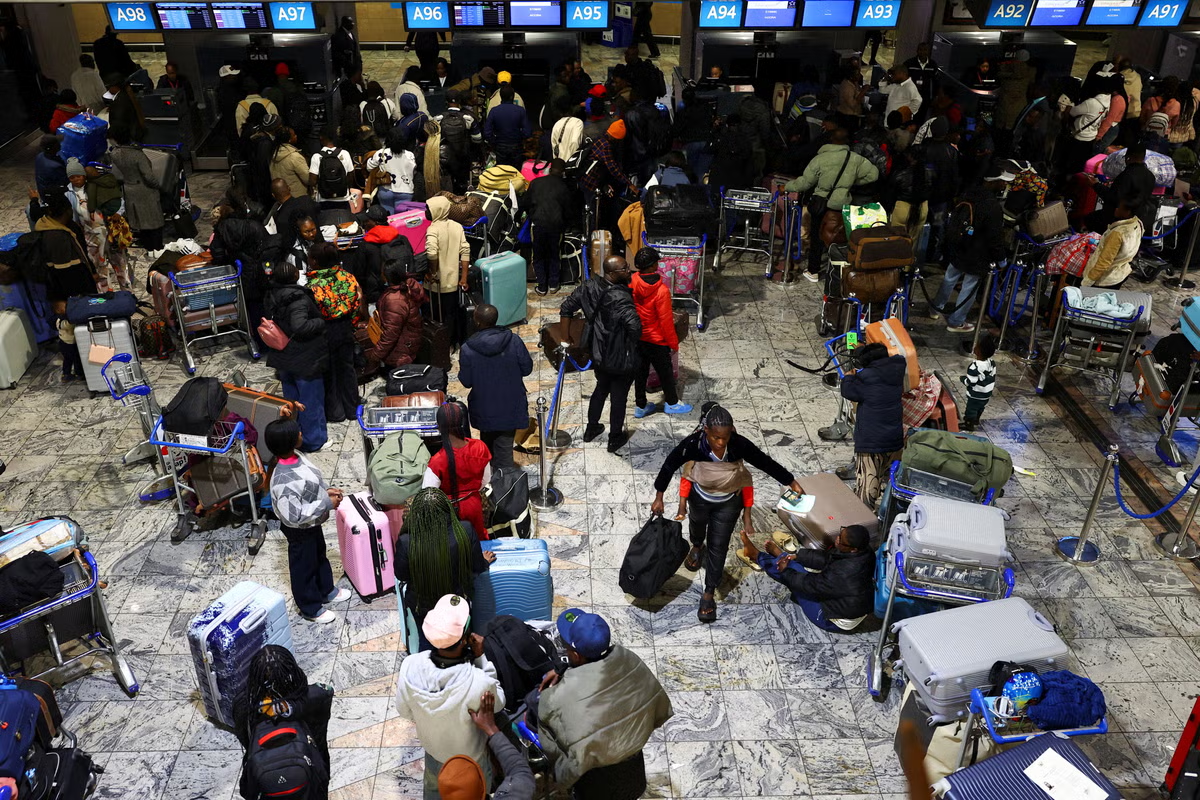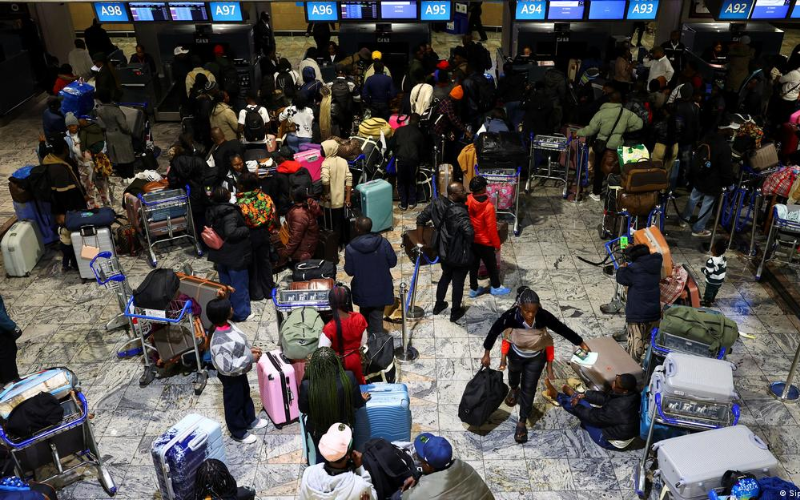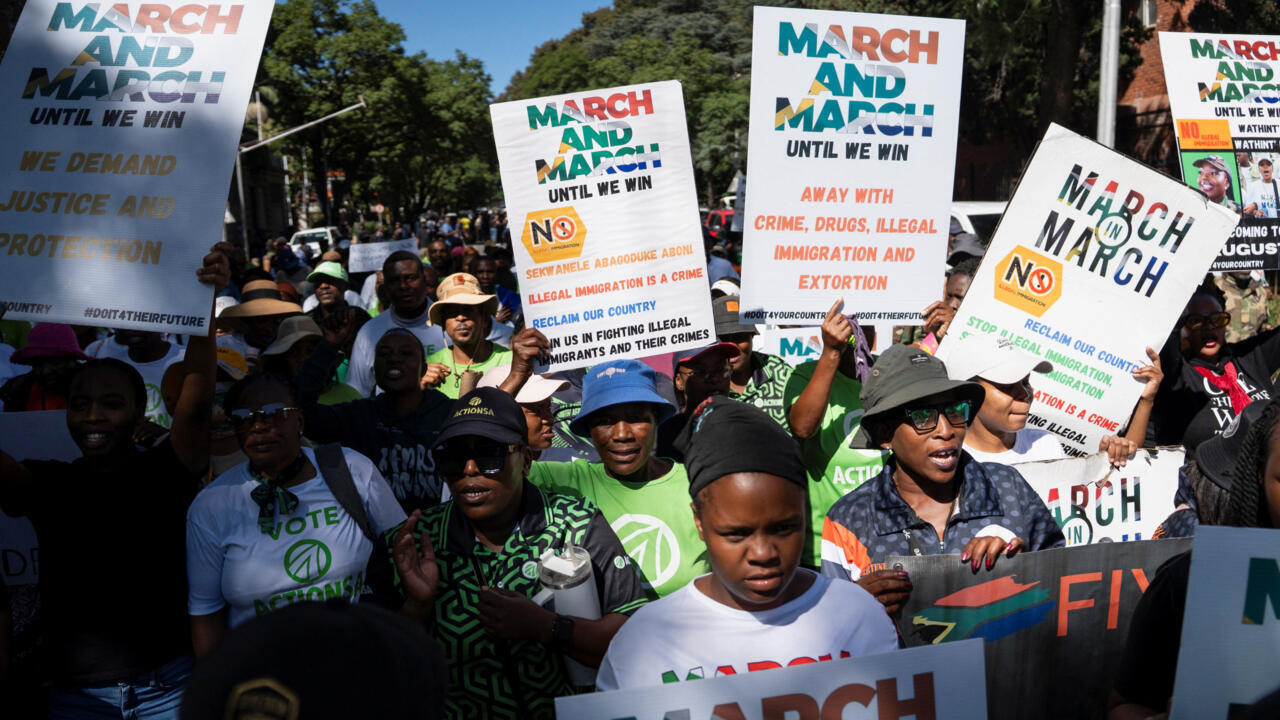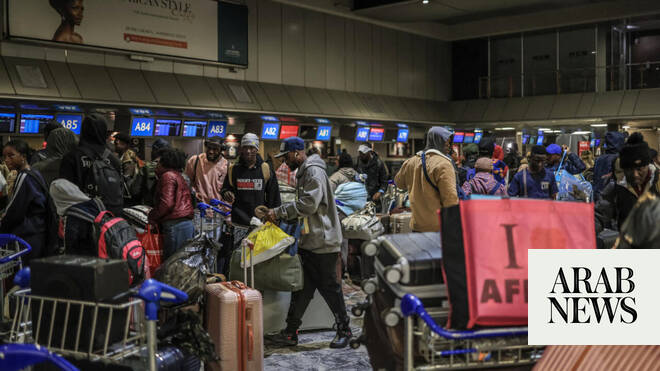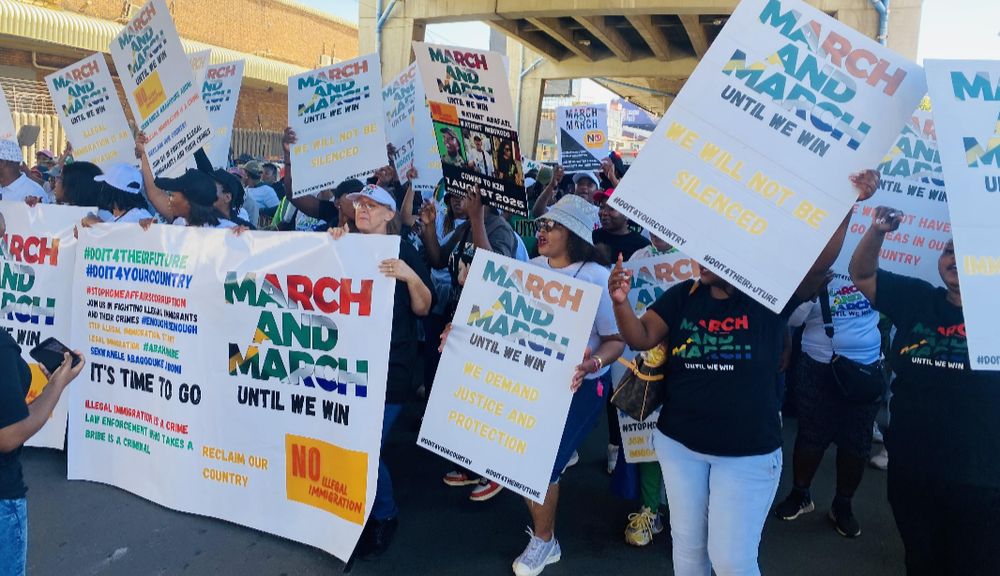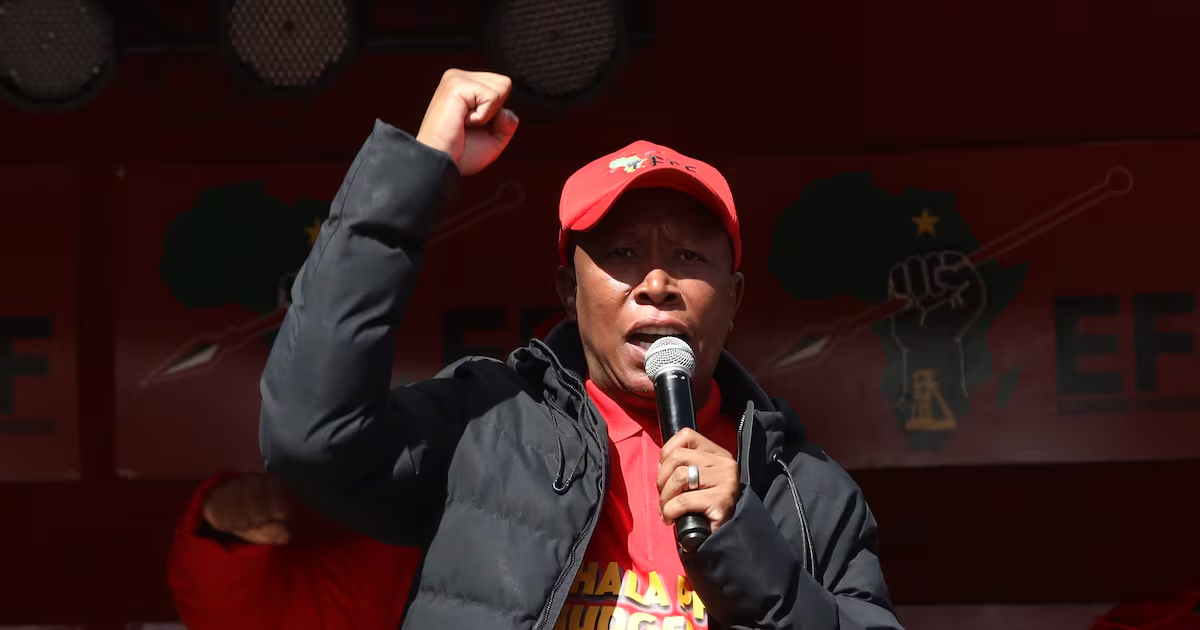
EFF leader Julius Malema has criticised Ghana’s decision to repatriate its citizens from South Africa over fears of xenophobia, saying Pretoria should have been given more time to deal with attacks on foreign nationals through diplomatic and law enforcement channels.Speaking on the sidelines of the EFF Africa Day Summit on Thursday, Malema said Ghana’s response risks portraying South Africans broadly as hostile to African migrants when the violence is being driven by “a certain section of our society”. He said legally documented migrants who fear for their safety should receive state protection while authorities pursue perpetrators of attacks.Tensions between South Africa and Ghana escalated after a series of reported incidents in which Ghanaian nationals in South Africa were subjected to violence and harassment, allegedly with little intervention from South African law enforcement. The Ghanaian government responded by initiating the repatriation of its citizens and indicating its intention to refer the matter to the AU on grounds of xenophobia.“We think it was too quick…. The president of Ghana should have given us some time to really deal with this matter and we will get to the bottom of it…. Those who don’t feel safe, especially the legally documented, should be able to run to for safety, and they will be directed to rightful places where they’ll be secured,” Malema said.His remarks broadly align with the position adopted by South Africa’s government, which has described Ghana’s decision to push for an AU debate on xenophobia as “regrettable”.In a statement issued earlier this month, the government said it remained open to “constructive dialogue” with Ghana and argued that bilateral diplomatic engagement would have been preferable to escalating the matter to the continental body.The department of international relations & co-operation also said the government had moved swiftly to condemn intimidation and violence against foreign nationals after sporadic incidents earlier this year, adding that law enforcement agencies had been instructed to act against perpetrators. President Cyril Ramaphosa publicly condemned vigilante attacks during Freedom Day commemorations in April and reaffirmed South Africa’s ties with other African nations.The current wave of anti-immigrant mobilisation is linked to groups such as March and March, which have campaigned against undocumented migrants and foreign-owned businesses in townships and urban centres. Rights groups and African institutions have warned that the violence risks undermining South Africa’s standing on the continent and contradicts its long-standing pan-African foreign policy.
Malema says Ghana acted too quickly in evacuating citizens from SA
EFF leader calls for diplomacy, saying Accra was too quick to repatriate nationals over fears of xenophobia
394 words~2 min read