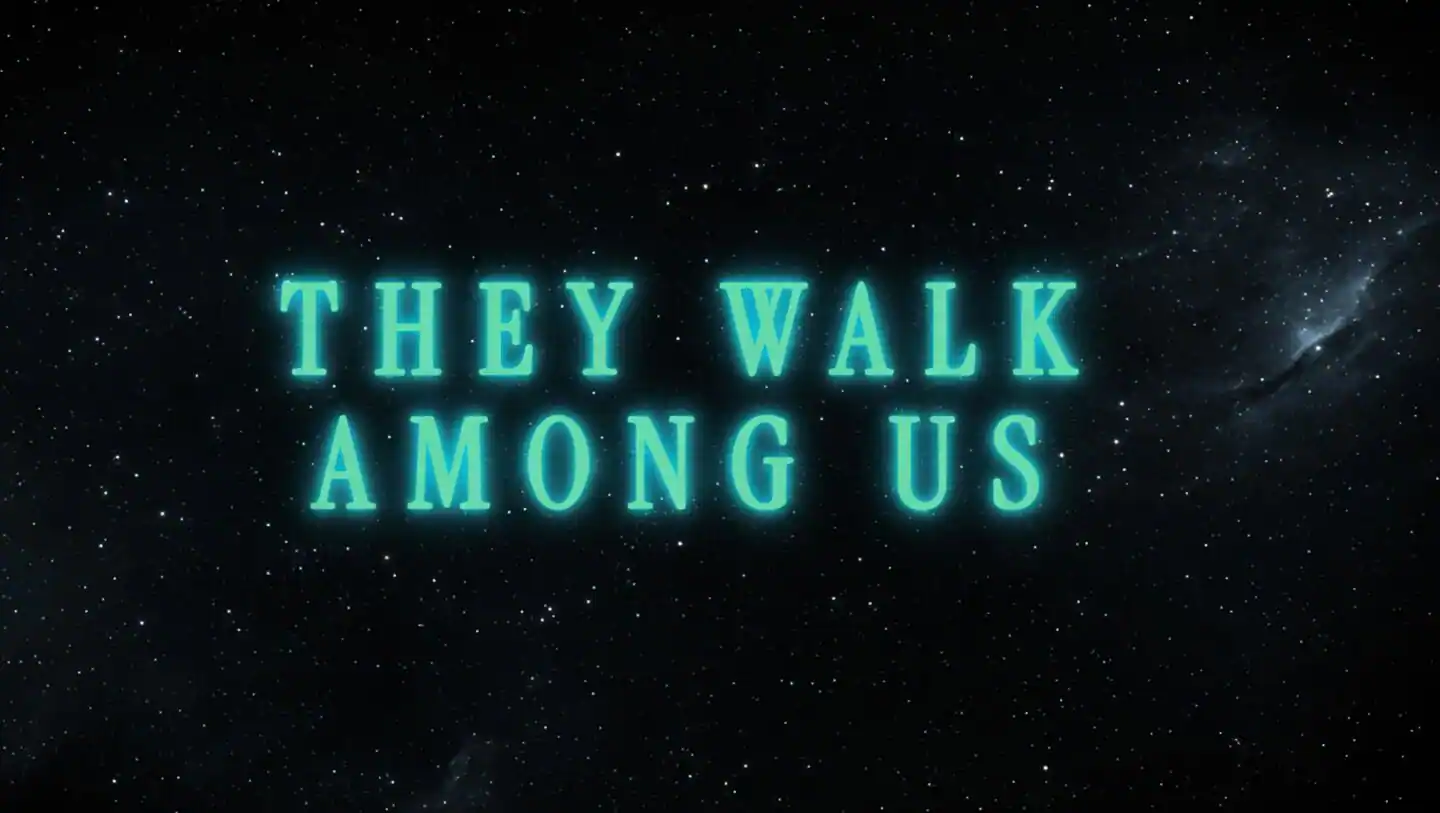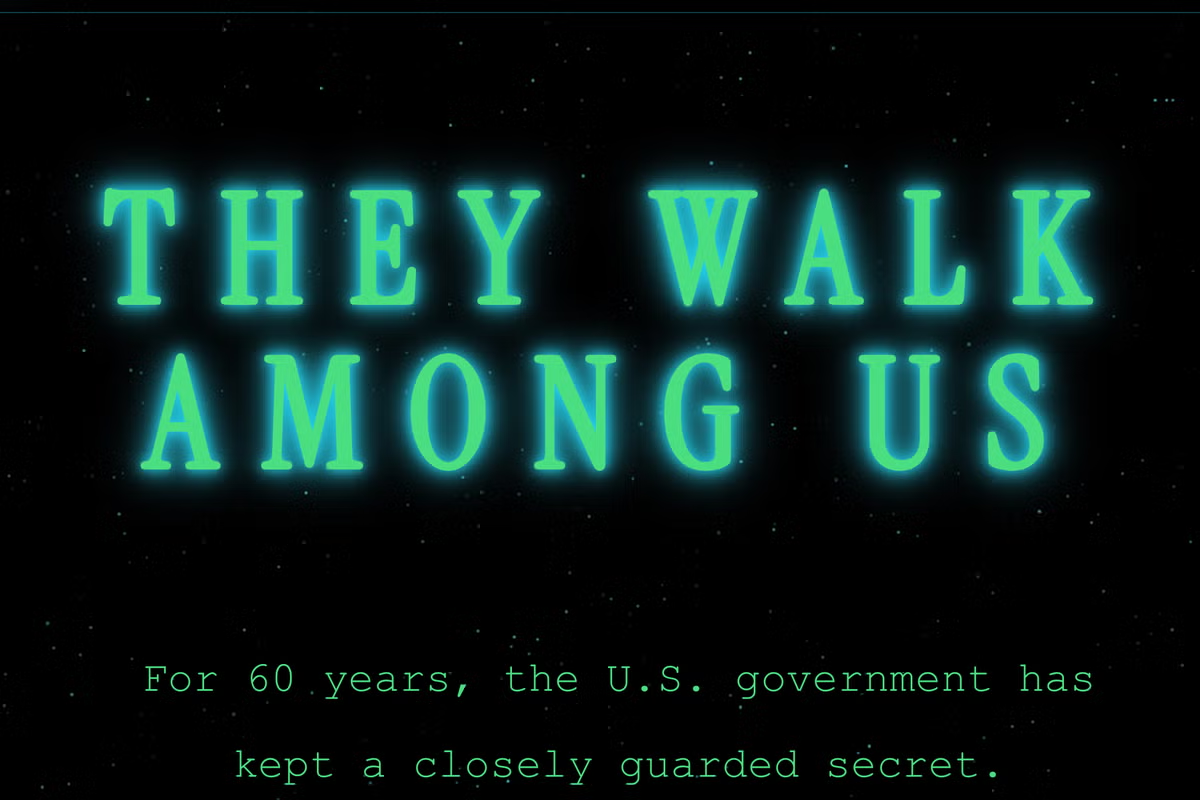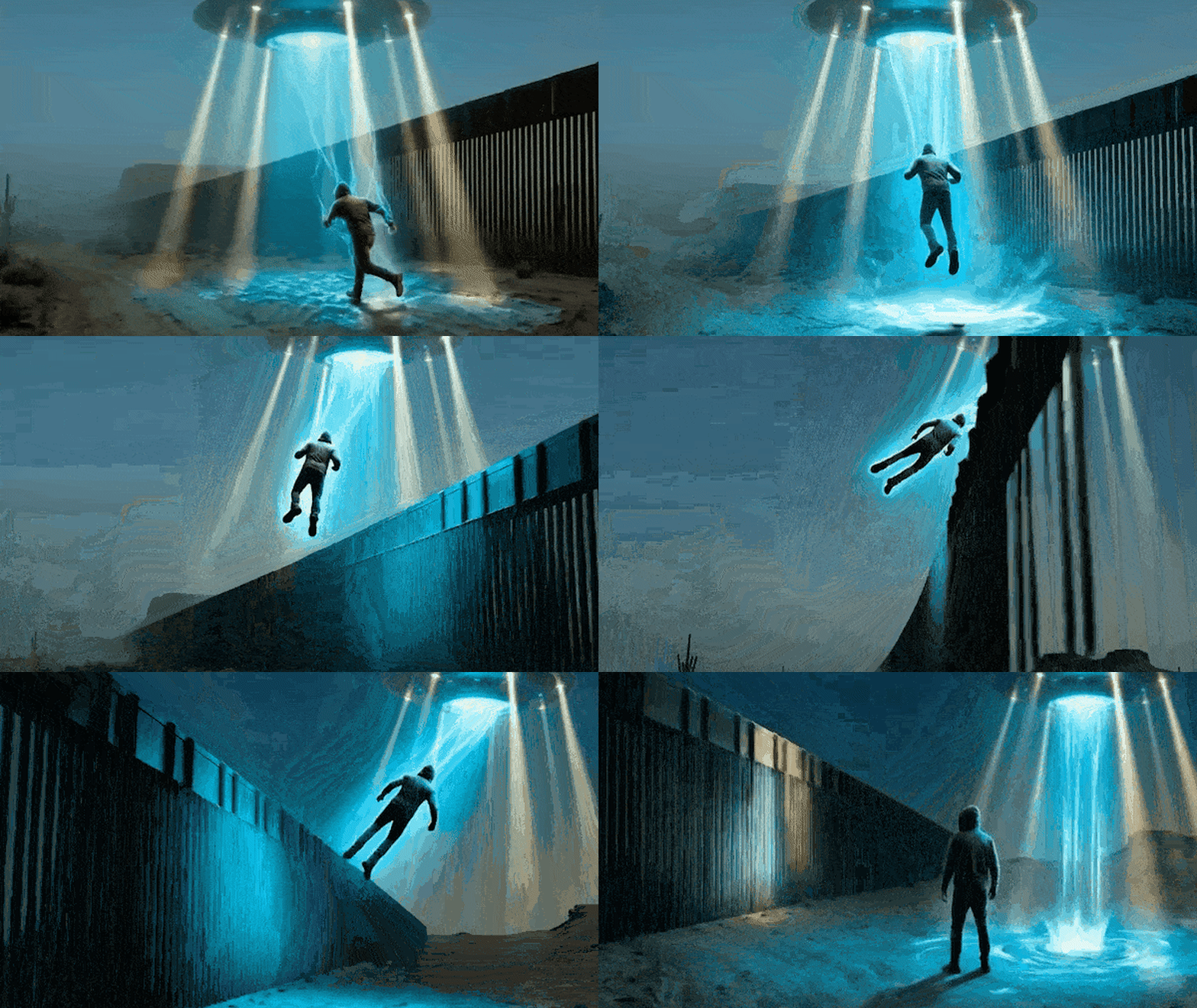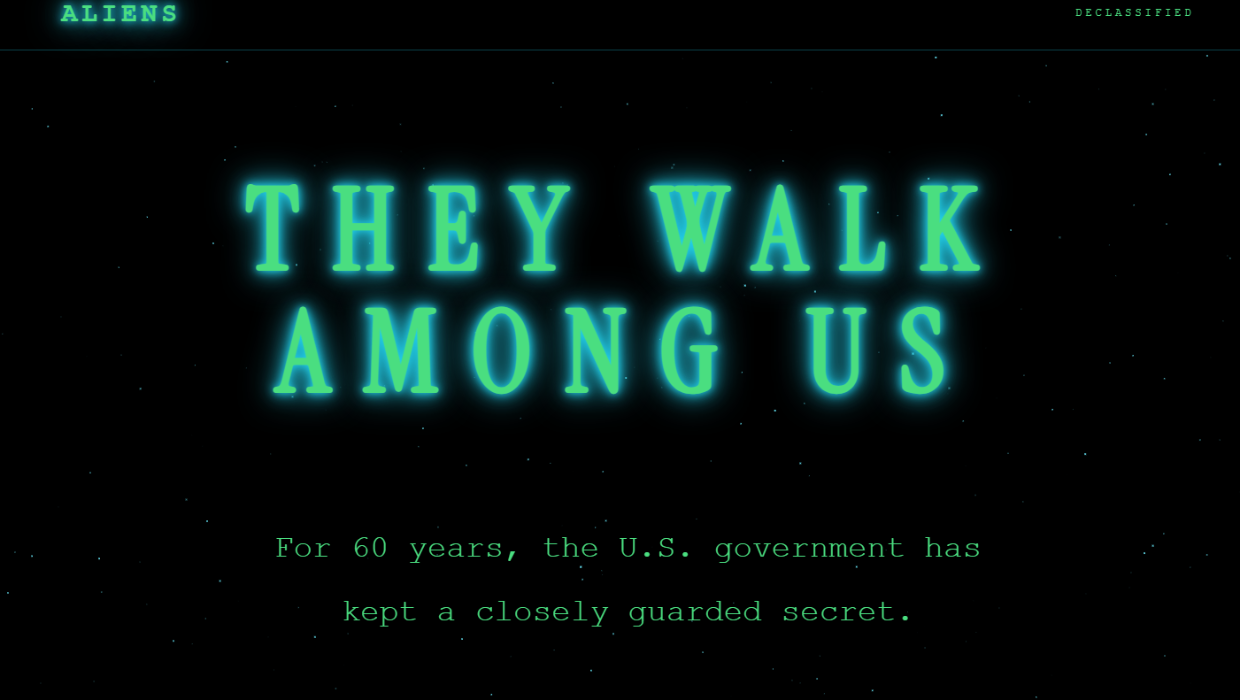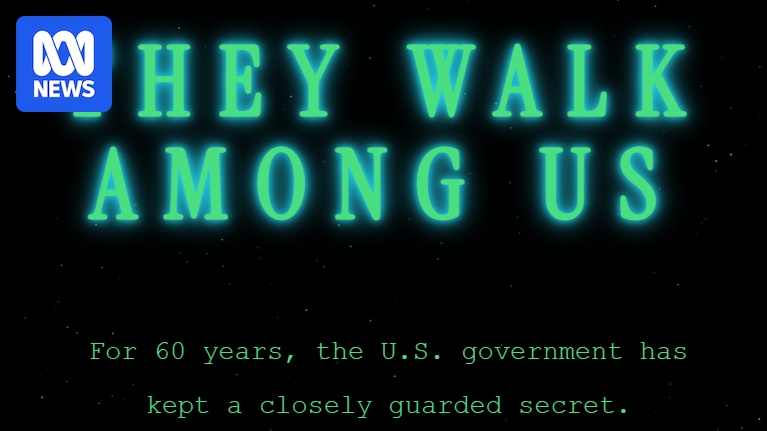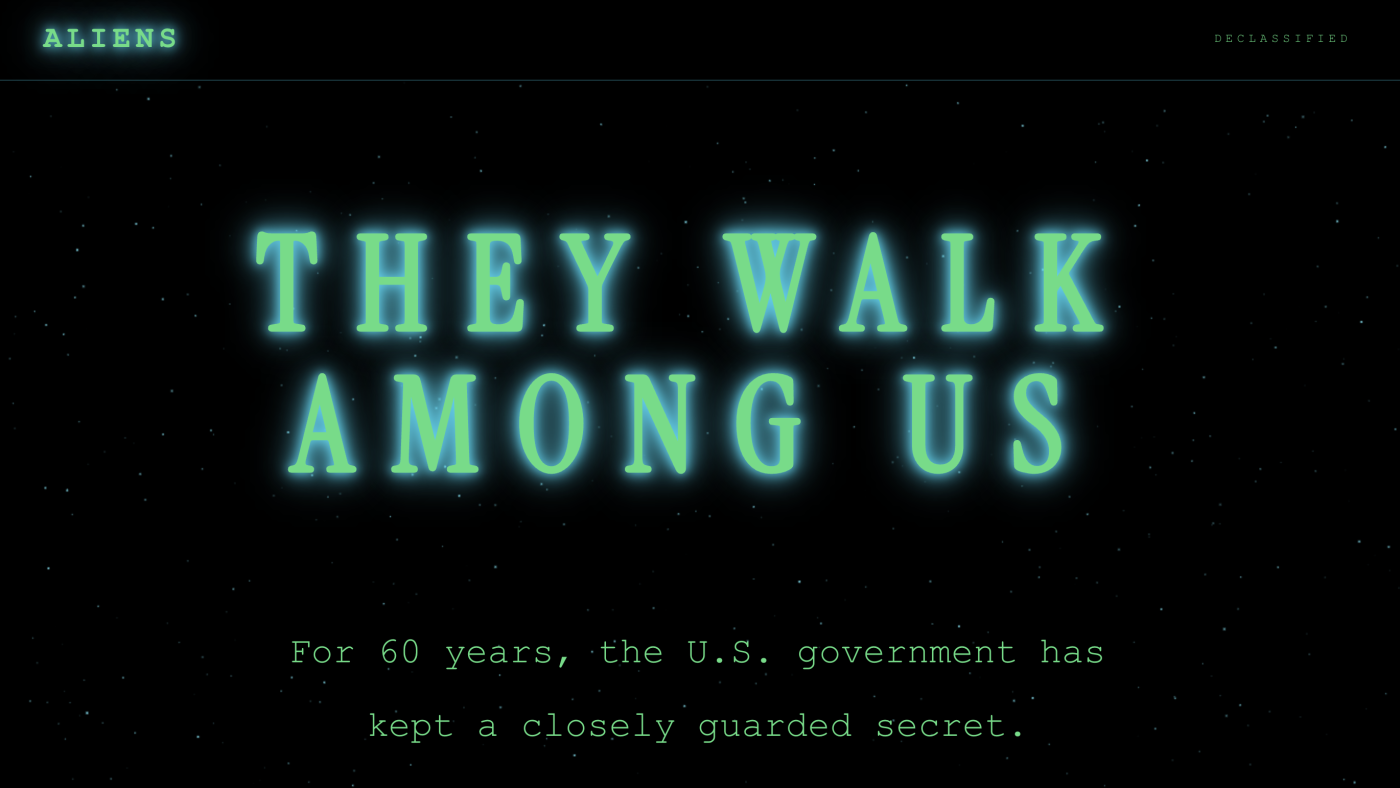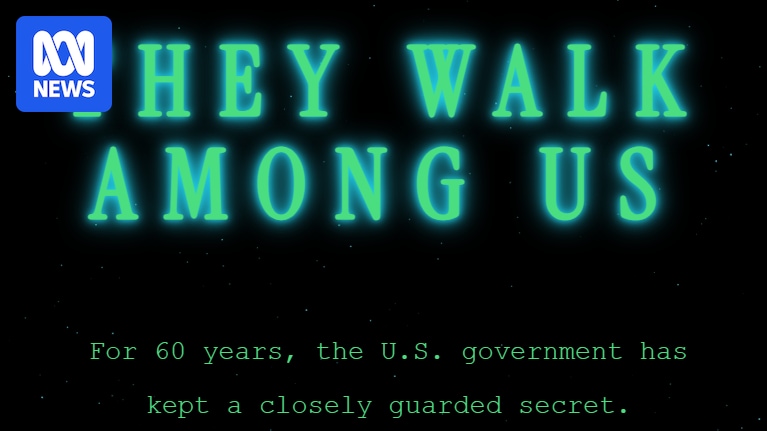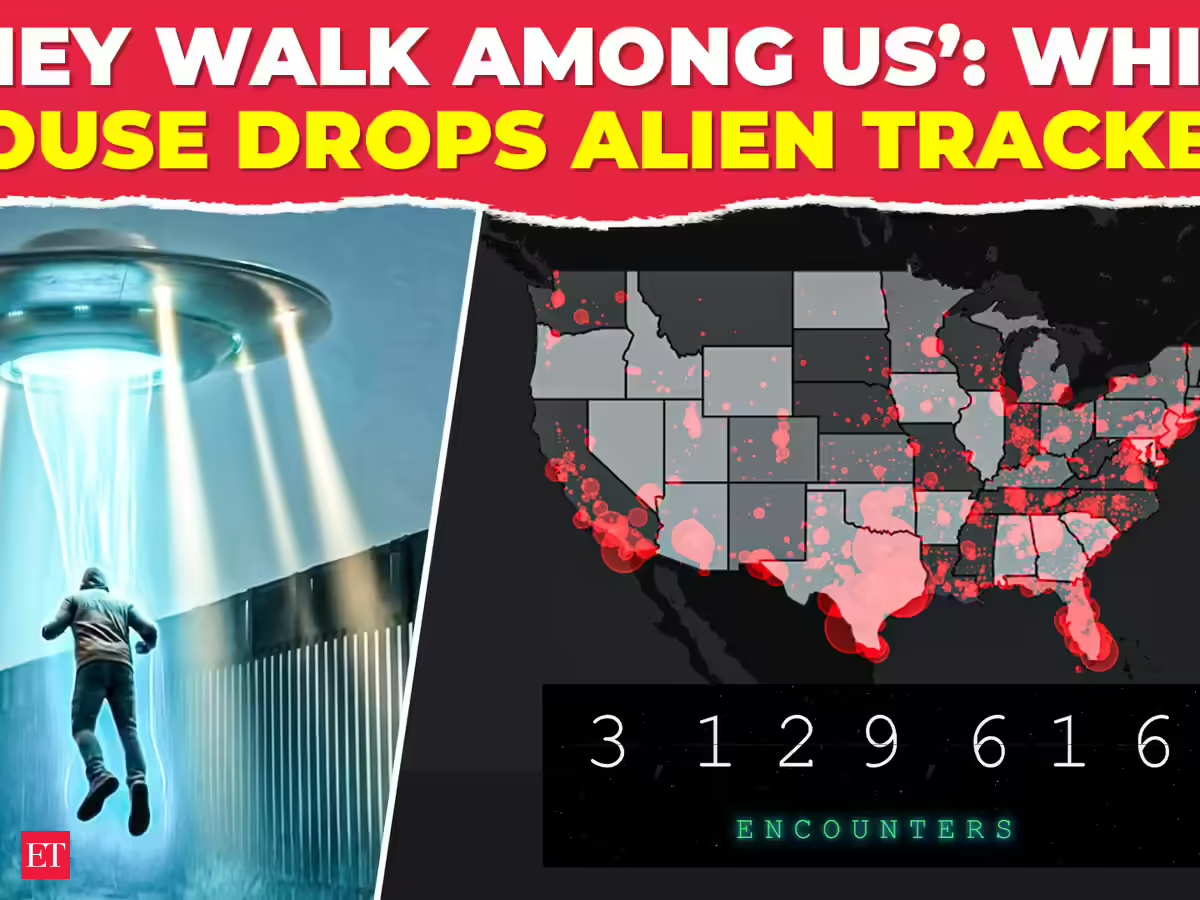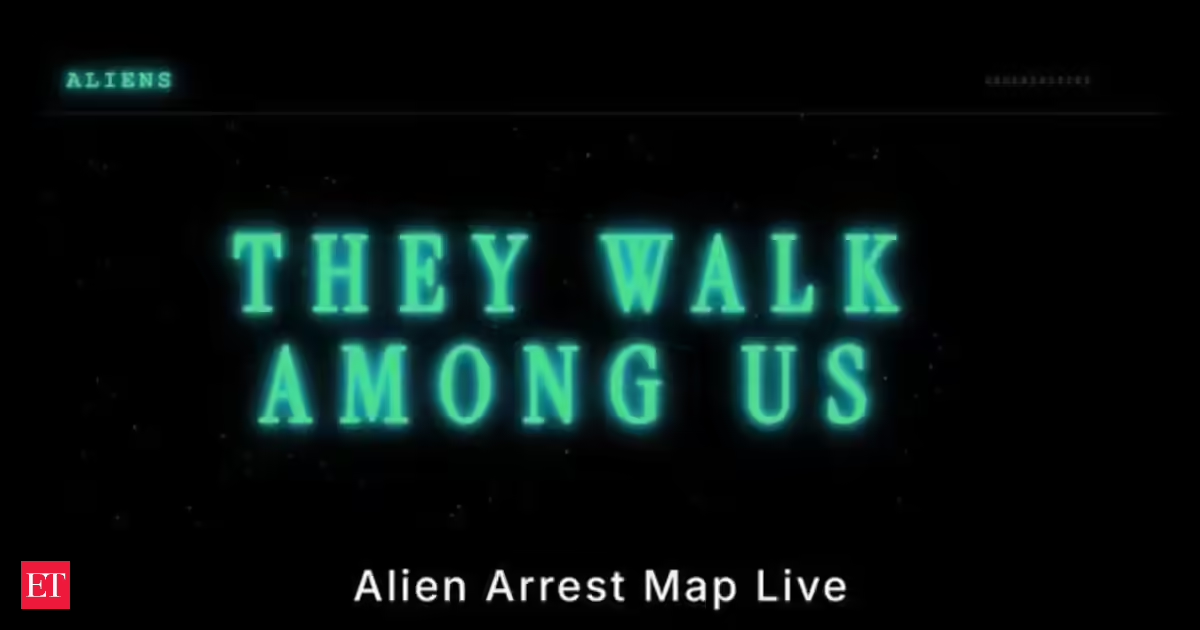
The White House has launched a controversial new website using a sci-fi themed presentation to spotlight immigration arrests and promote the Trump administration’s mass deportation agenda. The website, unveiled Thursday, adopts the imagery and language of extraterrestrial conspiracy culture while referring to undocumented immigrants as “aliens”, a term rooted in US immigration law but widely criticized by opponents as inflammatory and dehumanizing.Styled with visuals resembling the opening crawl of the Star Wars films, the site greets visitors with animated text against a backdrop of stars and space-themed graphics. The messaging blends references to UFO lore with immigration enforcement statistics.“They walk among us,” the site declares in its opening section, before claiming that “aliens” have lived in American communities for decades.“They've shopped in the same stores, attended the same classes as our children, and lived seemingly normal human existences. With one exception – they do not belong here,” the webpage added.The launch reflects the administration’s increasingly aggressive rhetorical approach to immigration enforcement as Trump continues prioritizing border security and deportation operations.The website prominently features a live-style counter displaying more than 3.1 million “encounters,” though it does not clearly specify the timeframe for the figure. The number appears to align with immigration encounter statistics previously cited in a 2024 report released by House Homeland Security Republicans during Trump’s presidential campaign.— WhiteHouse (@WhiteHouse) The site also includes an interactive heat map displaying immigration arrest data across the United States using information sourced from Immigration and Customs Enforcement (ICE). Users can search by city or state to view arrest totals, detainees’ countries of origin, and alleged criminal charges or suspected gang affiliations connected to those arrested.In addition, the platform links directly to ICE’s online reporting system, encouraging users to submit tips regarding what the White House describes as “suspicious aliens.”The administration has defended the use of the term “alien” by pointing to its longstanding legal definition under the Immigration and Nationality Act, where it refers to non-citizens living in the United States. Trump officials have repeatedly used phrases such as “criminal illegal aliens” in immigration-related statements and Department of Homeland Security announcements.The website’s rollout follows months of online speculation after the White House quietly registered the domains “Alien.gov” and “Aliens.gov” earlier this year.At the time, some observers believed the domains could be tied to Trump’s pledge to release additional government records involving UFOs and unidentified anomalous phenomena. Interest intensified after the administration posted teaser content on social media featuring imagery associated with extraterrestrial culture, including crop circles and searchlights scanning the night sky.On Thursday afternoon, the White House shared a short promotional video on X showing a glowing searchlight hovering over a field marked with the word “Loading,” fueling anticipation ahead of the site’s official launch.The administration ultimately used the concept as a political messaging vehicle focused on immigration rather than extraterrestrial disclosures.The website arrives as the Department of Homeland Security continues expanding immigration enforcement efforts nationwide under Trump’s renewed deportation initiative.Since returning to office, Trump has directed federal agencies to increase detention capacity, expand cooperation with local law enforcement and accelerate deportation proceedings for undocumented immigrants.The administration argues that these policies are necessary to combat violent crime, gang activity and illegal border crossings. DHS and ICE frequently publicize arrests involving individuals accused of offenses such as homicide, drug trafficking and sexual assault.However, recent reports from immigration policy researchers have suggested that a majority of immigrants held in ICE detention facilities do not have criminal convictions, raising concerns about the scale and scope of enforcement tactics being employed.
‘They walk among us’: White House launches UFO-themed immigration website
The White House has launched a UFO-themed “Aliens” website highlighting immigration arrests and ICE enforcement data as part of President Donald Trumps renewed deportation push. Featuring sci-fi visuals, arrest heat maps and an ICE tip portal, the site sparked criticism over its use of the term “aliens” and its portrayal of undocumented immigrants amid escalating nationwide immigration enforcement efforts.
584 words~3 min read