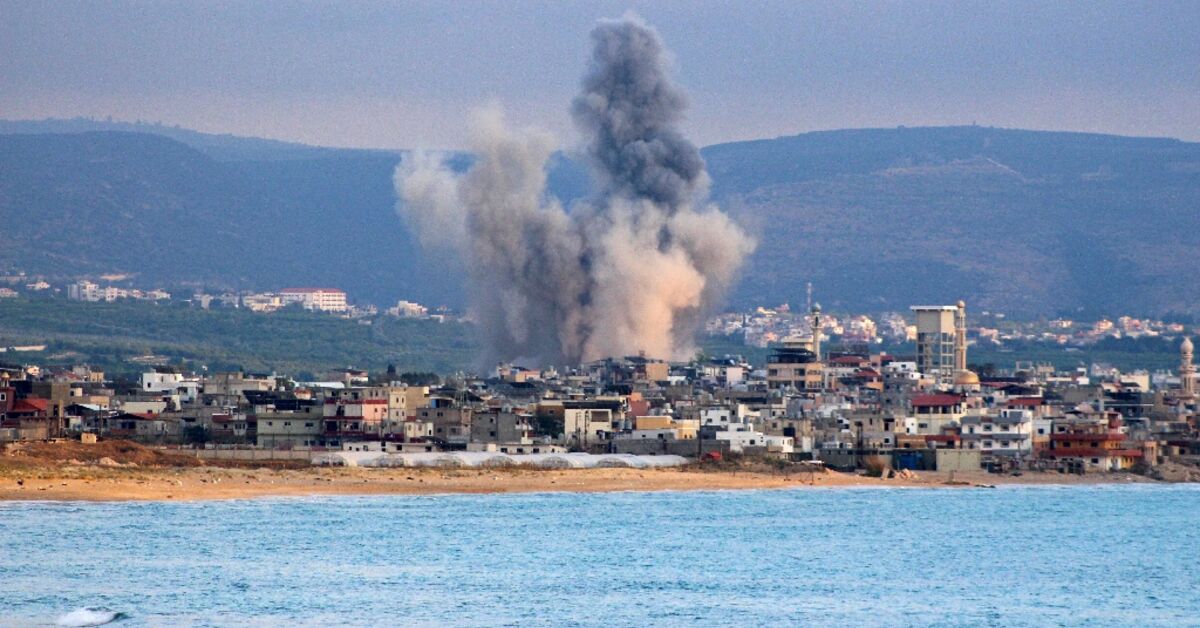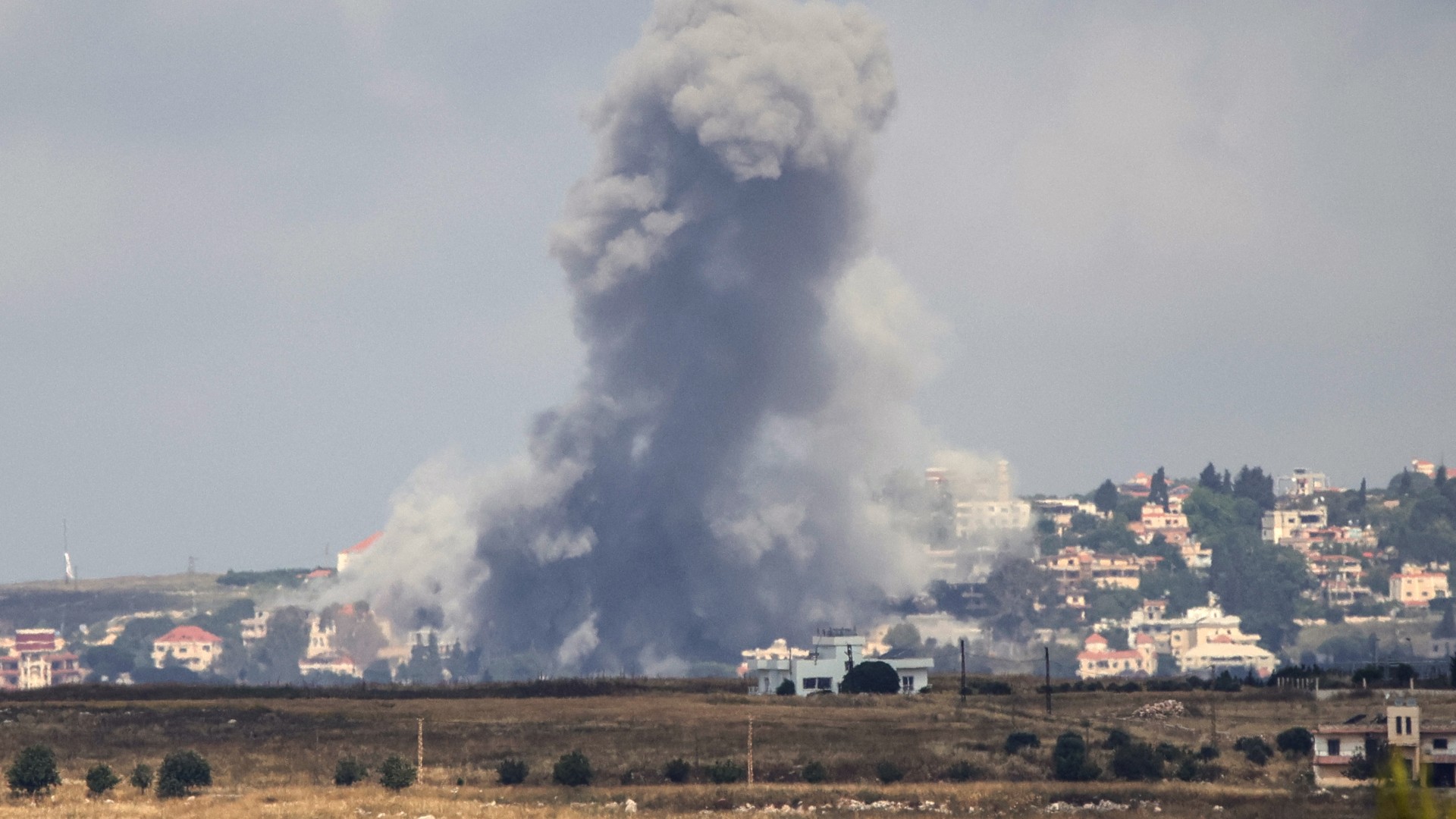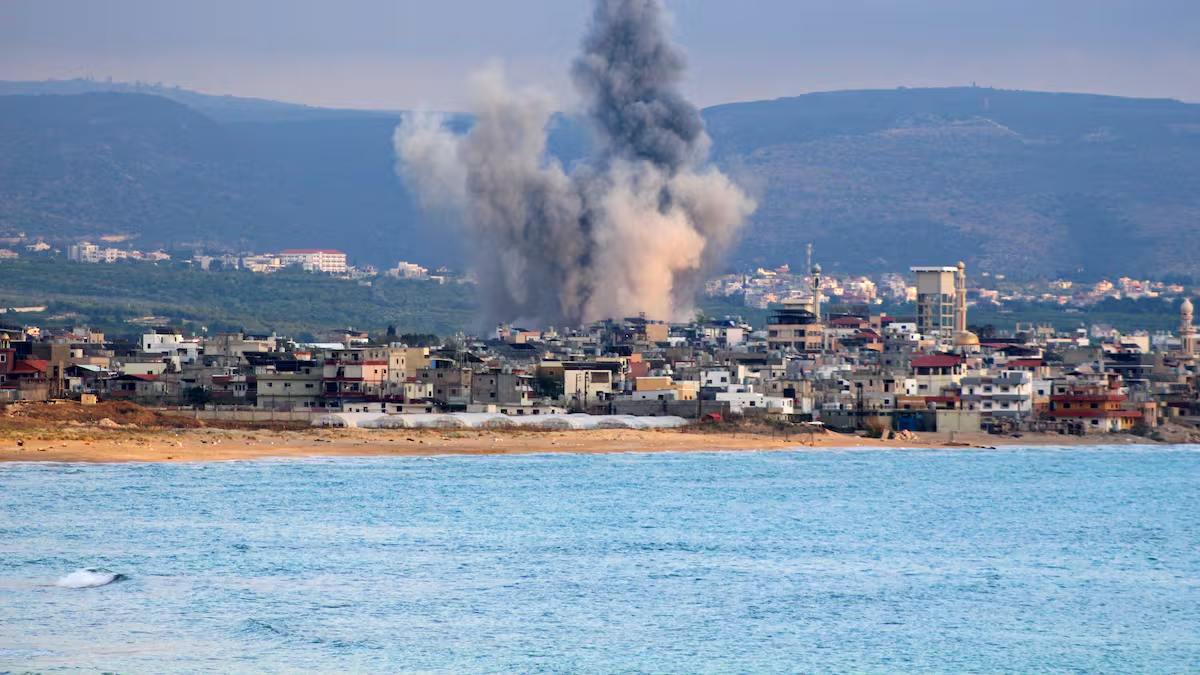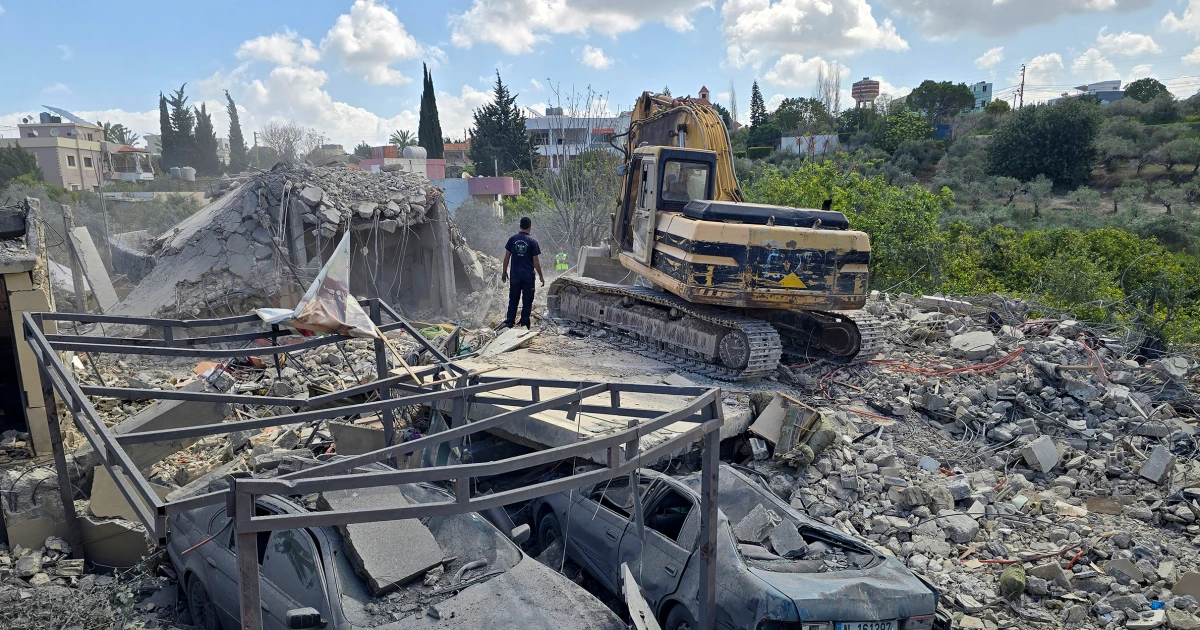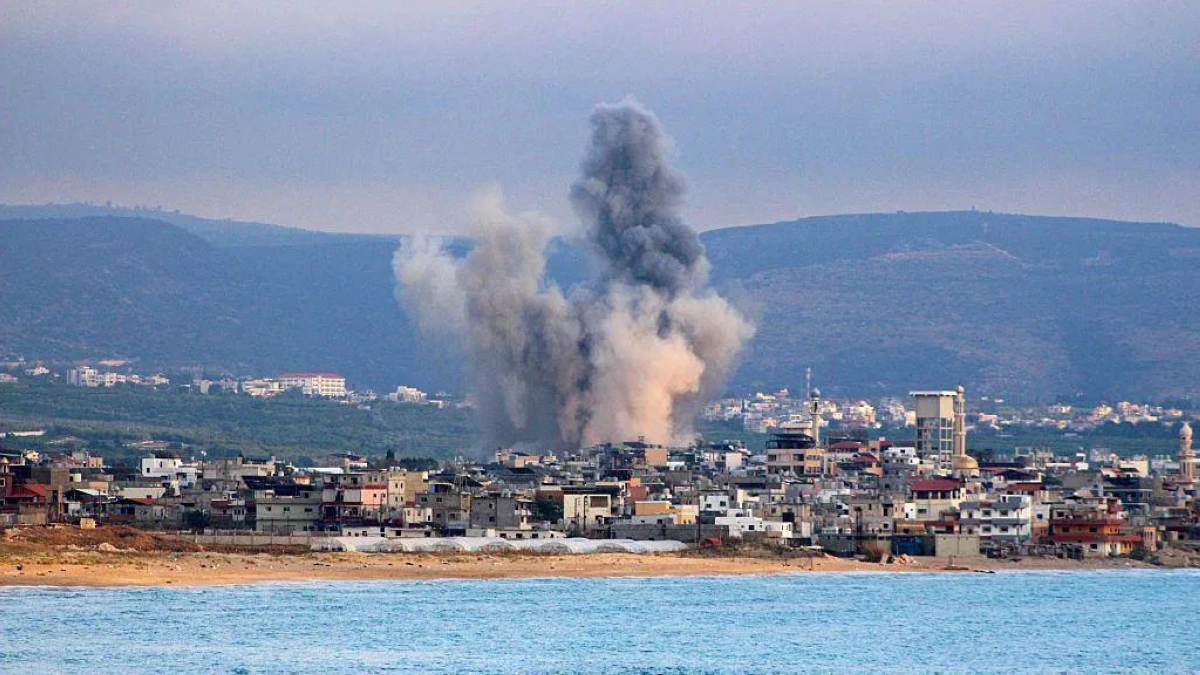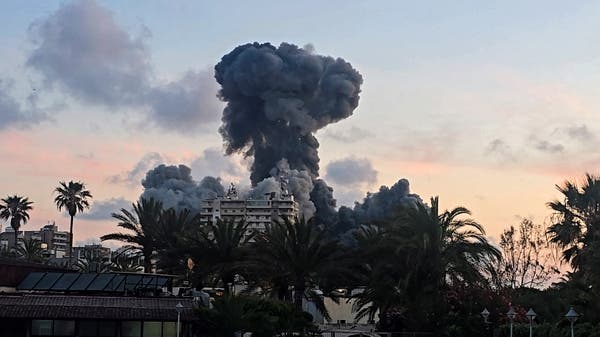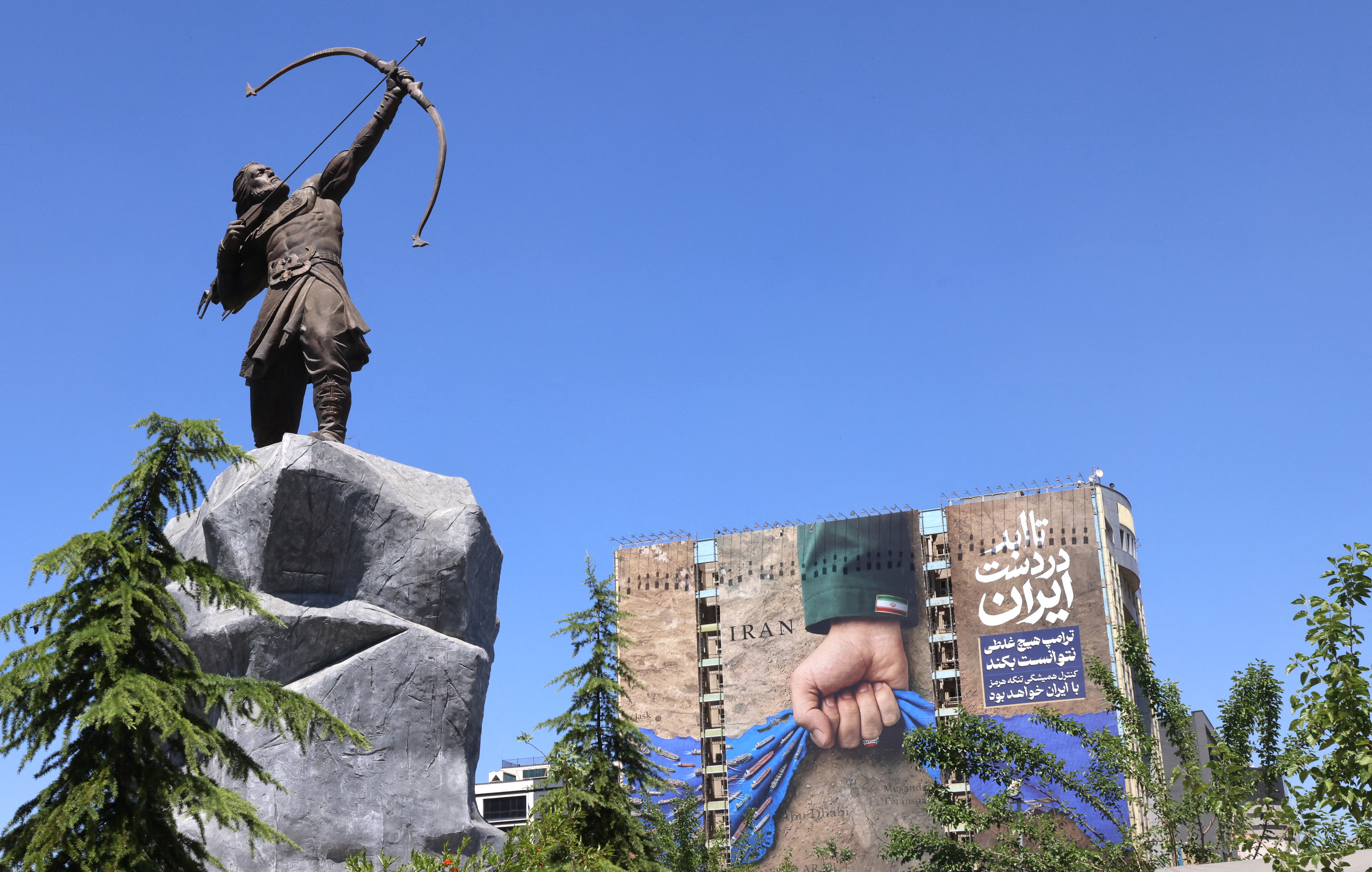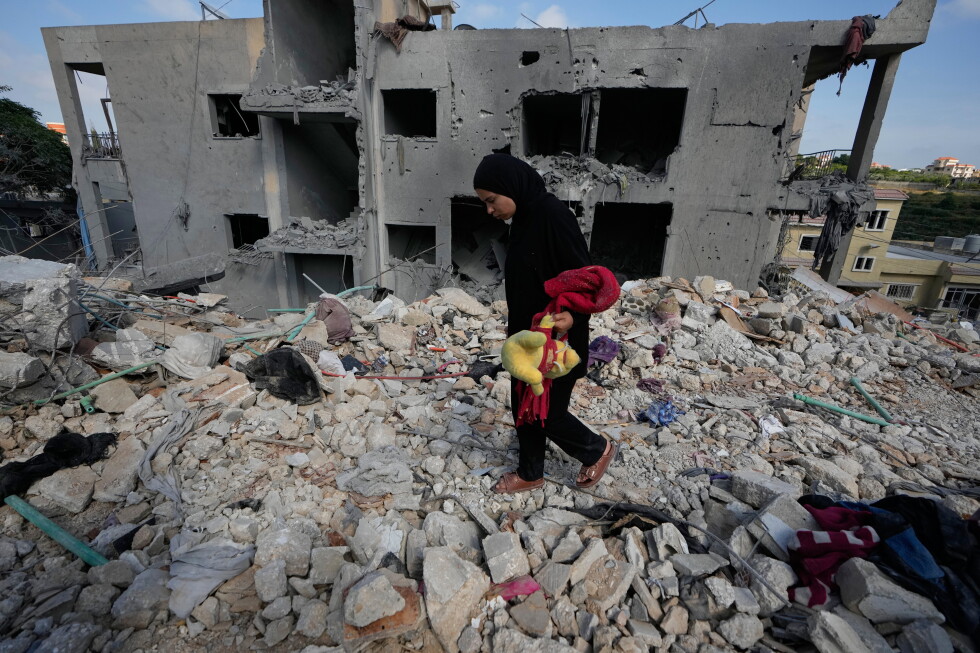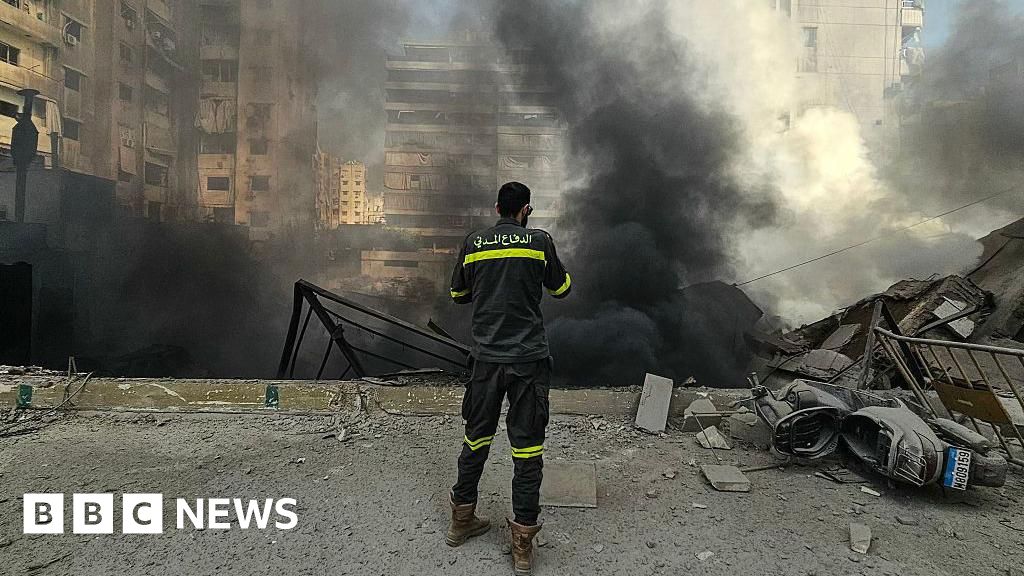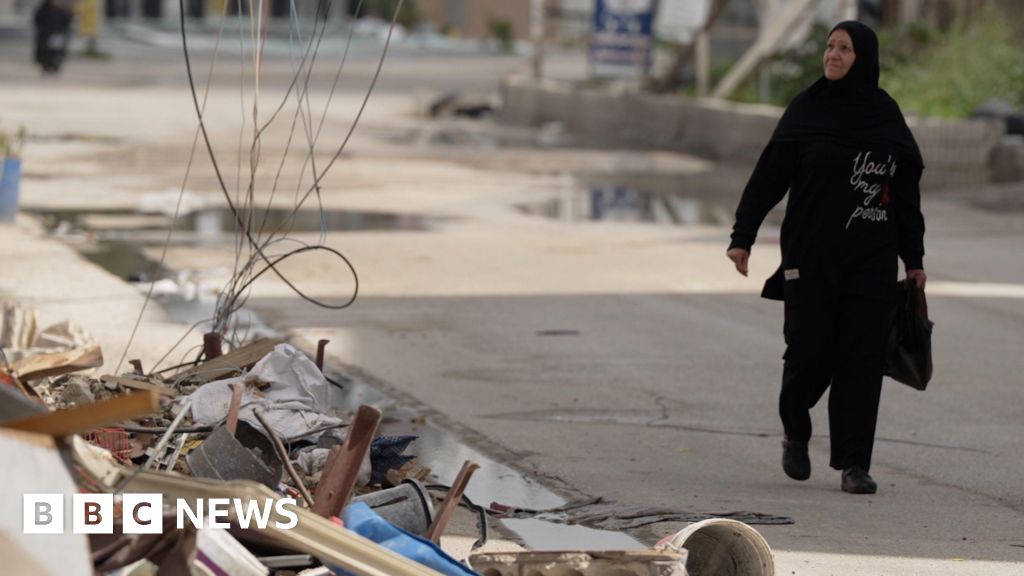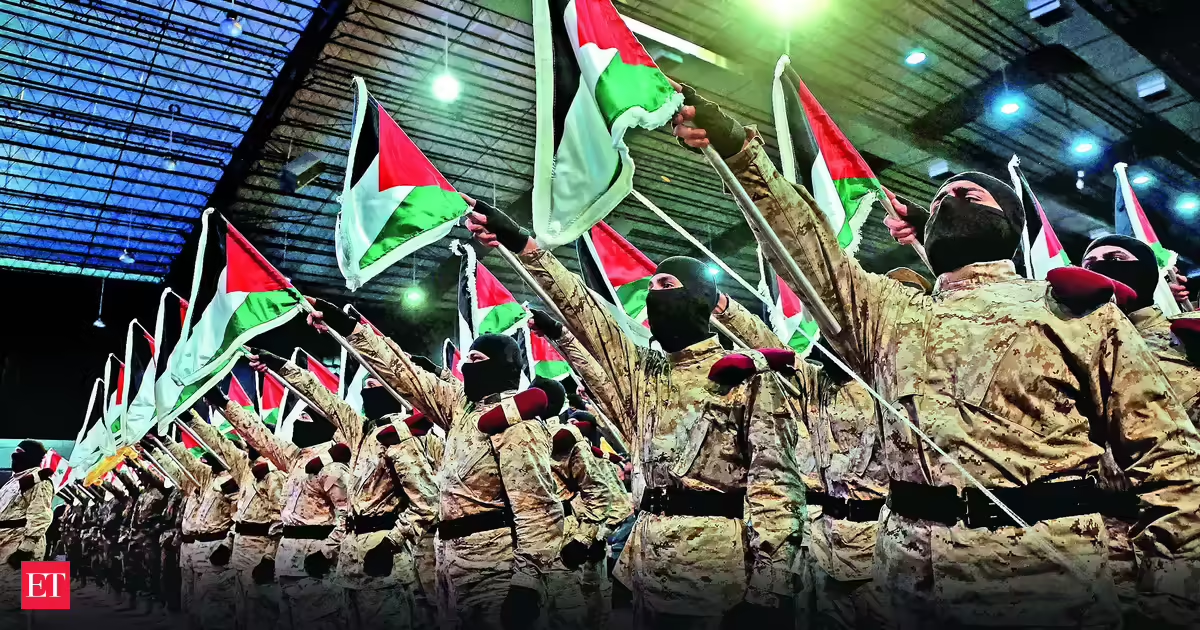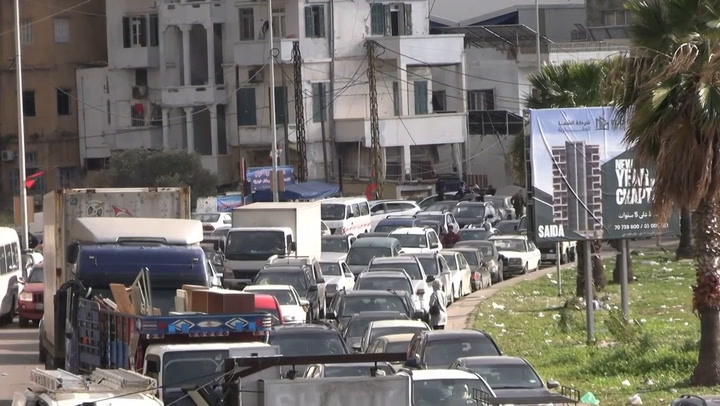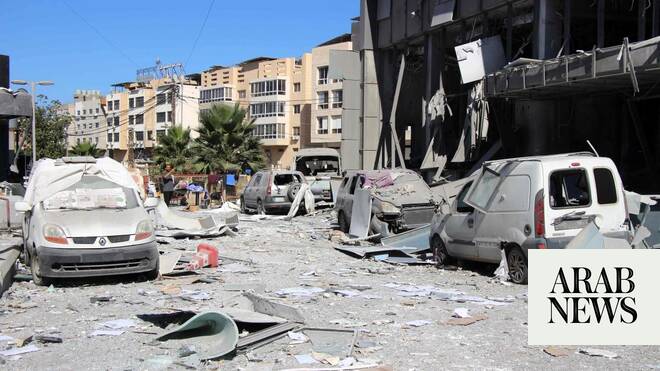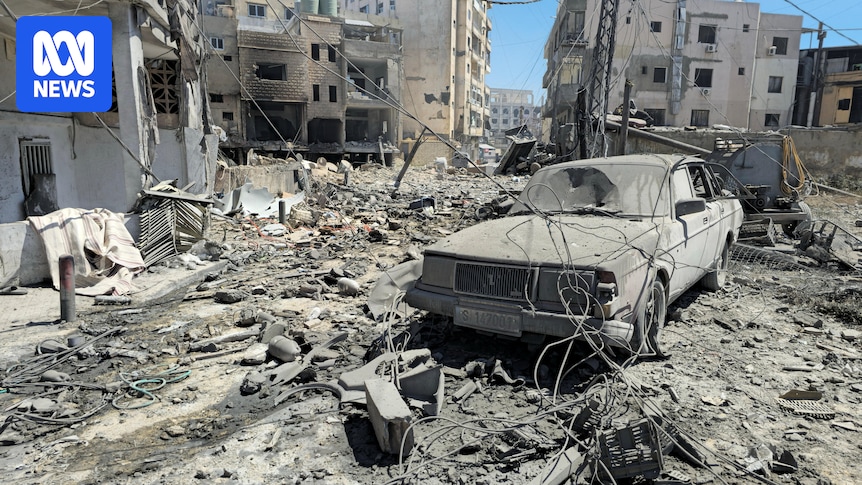
As fighting with Hezbollah intensifies, the Israeli military's demand that everyone in southern Lebanon flee the area has further highlighted the dire situation facing many Lebanese.When Israeli missiles hit the southern city of Tyre this week, large numbers of residents sought refuge on the corniche — a palm tree-lined promenade alongside its ancient harbour."Thank God, we are still in Tyre," fisherman Kamal told the ABC."The strikes were very intense, very powerful — we are staying in Tyre, and may God protect us."The seafront is crowded with people."Earlier this week Israel's military declared southern Lebanon a "combat zone", warning all residents in the area to evacuate ahead of strikes against the militant group Hezbollah.The orders told residents in the south to evacuate to the north of the Zahrani River, about 40 kilometres north of the Israel-Lebanon border.The area south of the river covers about 2,000 square kilometres, including Tyre.Kamal said locals would leave their homes when specific evacuation warnings — commonly referred to by Lebanese authorities as "forced displacement orders" — were issued by the Israel Defense Forces (IDF).But once the strikes were over people returned, unable to seek safety elsewhere in Lebanon.Part of the reason for that was fatigue from the ongoing conflict, which has forced the repeated displacement of hundreds of thousands of people.Air strikes also hit the southern suburbs of Beirut. (Reuters: Raghed Waked)Some, such as fisherman Hassan, also did not have the financial means to escape and pay for accommodation in cities such as Beirut, despite the fresh demand to leave the entire region."It was a horror night," he told the ABC, speaking about the Israeli strikes on Tyre on Wednesday."Even though they did not hit the Hara [the old city of Tyre], it felt like they were inside the Hara."I don't know what to say. May God help all the people that are hurt."One of Tyre's main medical centres, Hiram Hospital, was damaged by a nearby Israeli strike."The strike was very strong," Nasser Farran, a surgeon at the hospital, told the ABC."As usual, the hospital's windows shattered. Only two cars remained in the parking lot and both were destroyed."The false ceiling collapsed, but thankfully no-one was injured."Despite the threat, Dr Farran insisted he had no plans to leave, speaking of his duty to his patients."We will not evacuate. On the contrary, we are staying," he said."The administration is here, and so are the doctors."This is the time to remain because the strikes are happening near us, and no-one has asked us to evacuate."Israeli military reportedly frustrated by ceasefireIn early March Hezbollah opened fire on Israel in solidarity with its backers in Tehran, days after US President Donald Trump and Israeli Prime Minister Benjamin Netanyahu launched strikes on the Iranian regime.Israel retaliated with heavy air strikes, hitting what it said were Hezbollah targets — a claim in many cases disputed by Lebanese officials and locals — in both Beirut and the country's south.Lebanese health authorities say more than 3,200 people, including hundreds of women and children, have been killed in Israeli strikes since then. Its figures do not distinguish between civilians and combatants.At the height of the fighting more than a million Lebanese were displaced within their own country, forced to flee their homes amid warnings from the IDF of looming attacks.Many remained in temporary shelters scattered across the country, wary of returning to their homes too soon.In April, Mr Trump announced a ceasefire in Lebanon after warning Mr Netanyahu to show some restraint as the White House bristled at the number of civilians being killed as a result of Israeli strikes.But the ceasefire has not stopped the attacks and once again the Lebanese community is caught in the middle.While welcoming a truce of some form, senior members of Lebanon's government have also criticised the way it was drafted by the Trump administration, saying it gave Israel too much leeway to launch attacks on Lebanon whenever it perceived a threat.Hezbollah, in turn, criticised the Lebanese government for entertaining the idea of direct negotiations with Israel.Israel's continued strikes on Lebanese cities have cast doubt over whether the ceasefire can last. (Reuters)Those talks were hosted by the United States, and provided the stage for Mr Trump's intervention. Another round of negotiations between officials is scheduled for Friday in Washington.A day before that meeting Israel launched its first attack on the Lebanese capital Beirut since early May, reportedly targeting a senior Hezbollah official involved in arming the group's fighters across the country.That followed reports in the Israeli media that the military was getting frustrated with the Netanyahu government for not letting it hit Hezbollah even harder, as the IDF struggled to deal with a surge in explosive drone attacks.The drones, controlled by fibre-optic cables rather than remotely, have not been able to be jammed by Israel's sophisticated air defences.The Netanyahu government is accusing Hezbollah militants in Lebanon of breaching the ceasefire. (Reuters: Ronen Zvulun)Some have hit and killed or injured soldiers and others have exploded in the small Israeli communities that hug the Israel-Lebanon border."Since April the 17th when the ceasefire with Iran first came into place, Iran have been directing Hezbollah terrorists to fire more than 900 rockets at Israel and our armed forces, into Israel's sovereign territory and into our security zone," Israeli government spokesperson David Mencer said."Together with those 900 rockets, 1,300 [unmanned autonomous vehicles]."Iran and their proxy Hezbollah are in breach of the ceasefire."Iran demands Lebanon be included in new dealThe deteriorating situation has led many to question whether the ceasefire is now null and void.The Israeli government would not entertain the ABC's questions on that matter."This is one of those questions that I think journalists get a little bit obsessed with," Mr Mencer said."I've told you how the ceasefire is being breached by a terrorist organisation."Our responsibility — and this has been discussed by President Trump, he has shared this truth — [is] that Israel has a duty to defend its own citizens."The fighting in Lebanon may also have an impact on negotiations for a deal to end the broader regional war between the US and Iran.The regime in Tehran is demanding Lebanon be included in any agreement to end the fighting, while Israel is pressuring the Trump administration to carve it out of any deal.A similar tussle emerged in March, when the ceasefire between the US and Iran was announced.Israel, backed by the US, insisted it was not included, while Iran, backed by mediators Pakistan, said it was.
Residents in Lebanon's south caught in the middle as fighting intensifies
New waves of missile strikes and vast advisories from the Israeli government to evacuate have left residents in Lebanon's south uncertain of where to turn.
1,074 words~5 min read