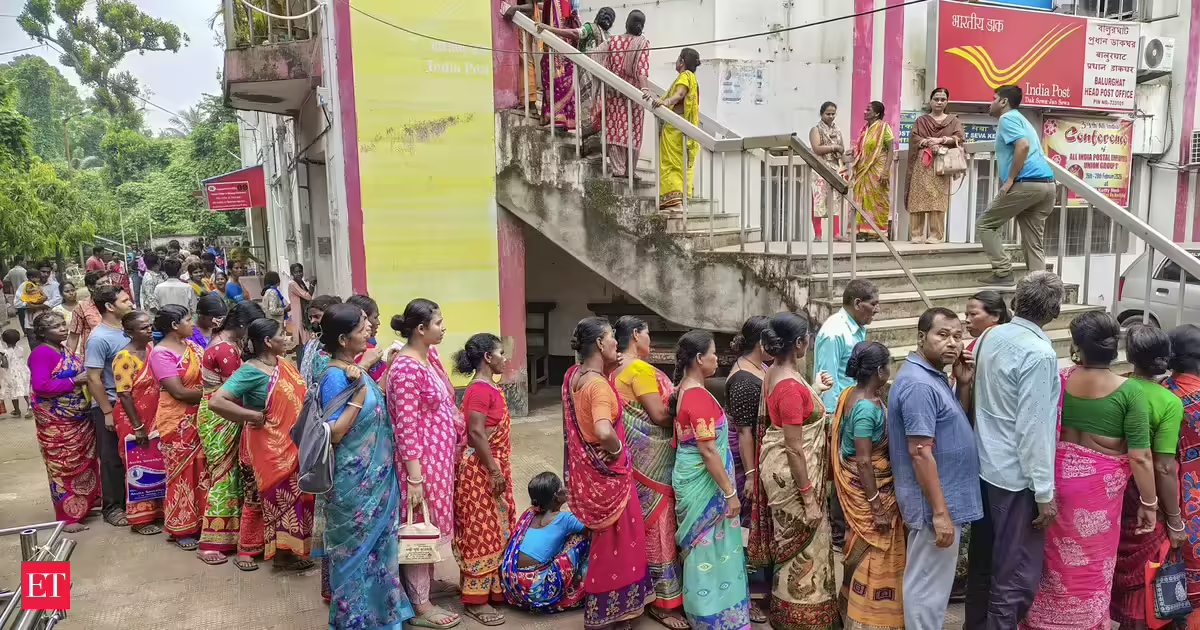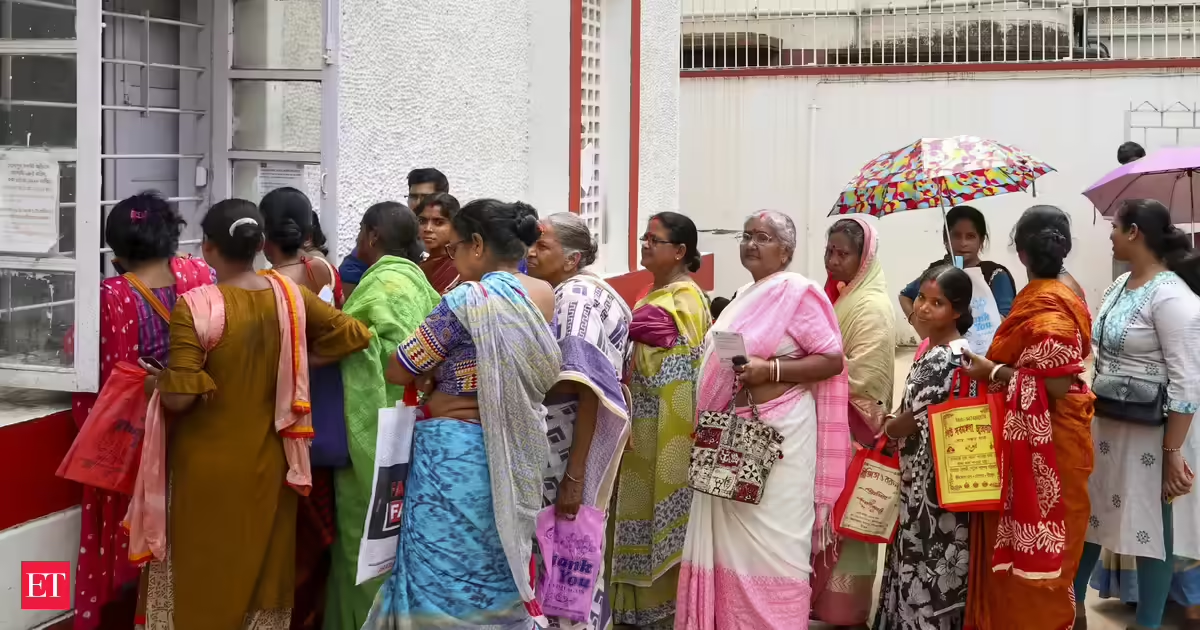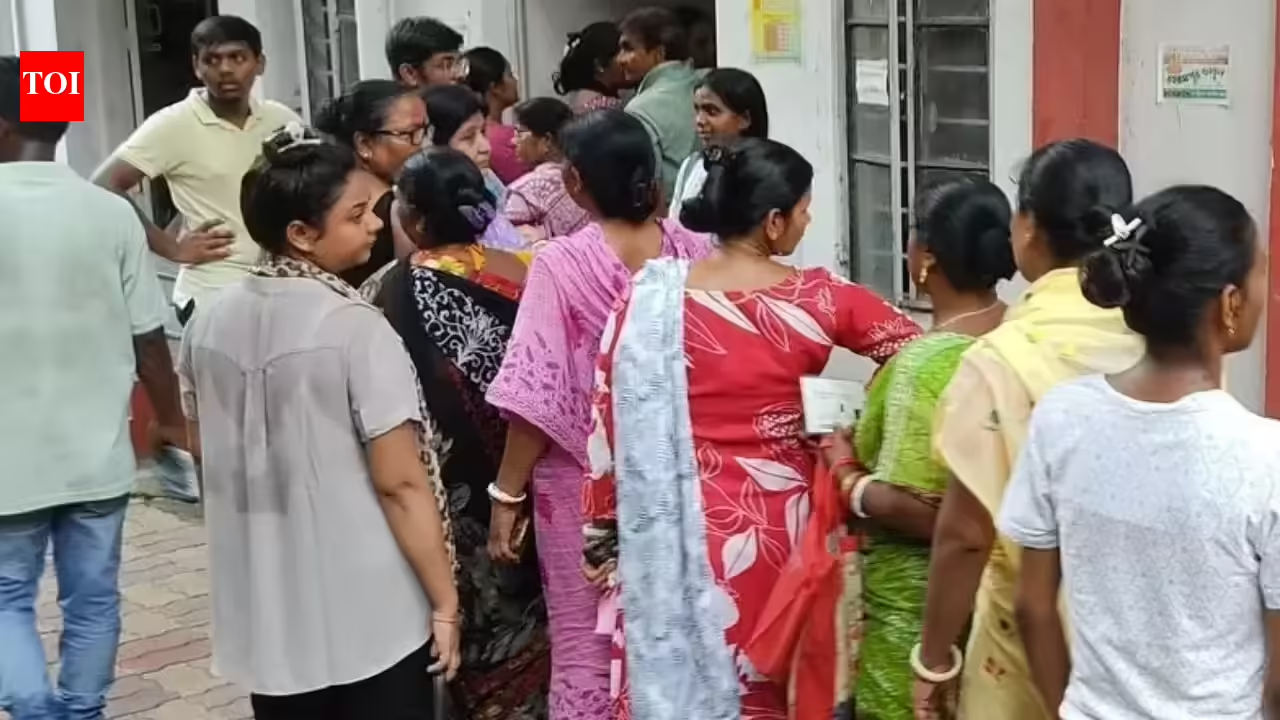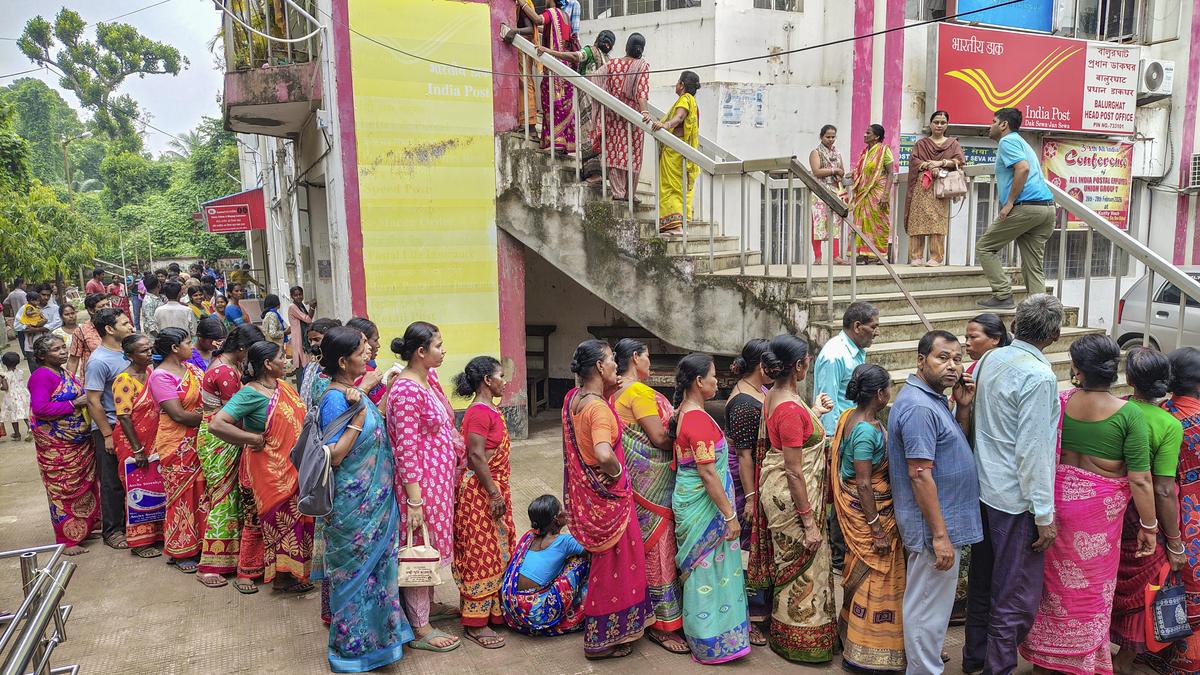
People stand in a queue outside a Post Office to complete the verification process for the 'Annapurna Yojana' financial assistance scheme for women, in Balurghat, Dakshin Dinajpur district, West Bengal, on May 23, 2026.
| Photo Credit: PTI
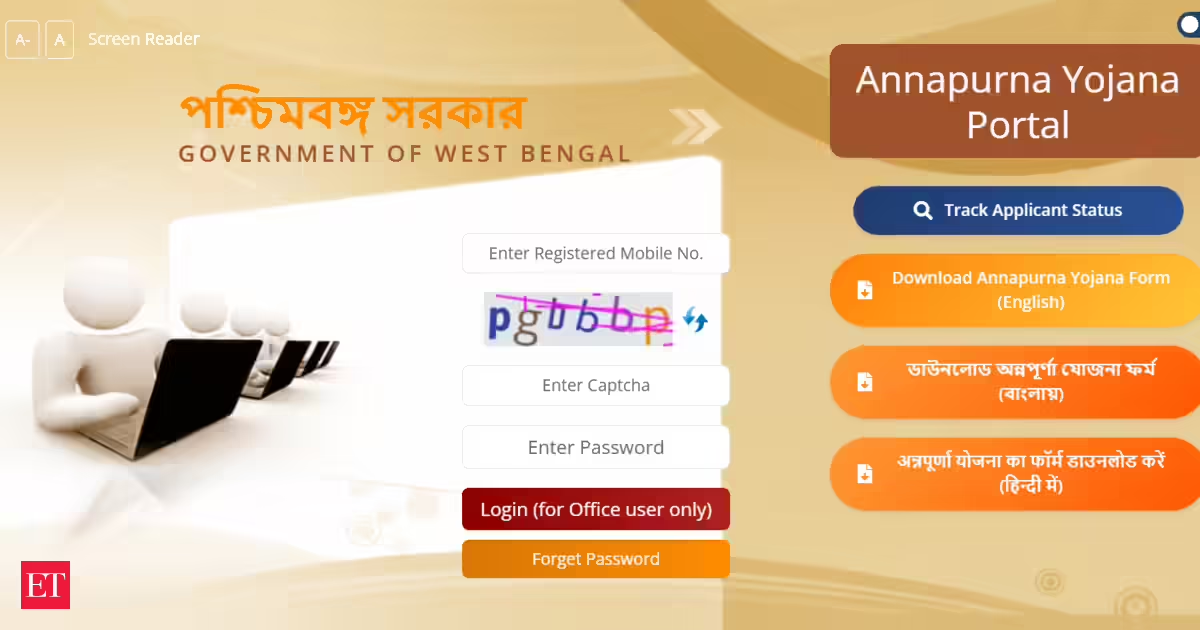
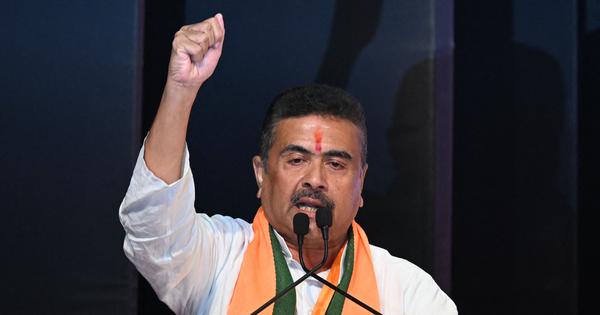
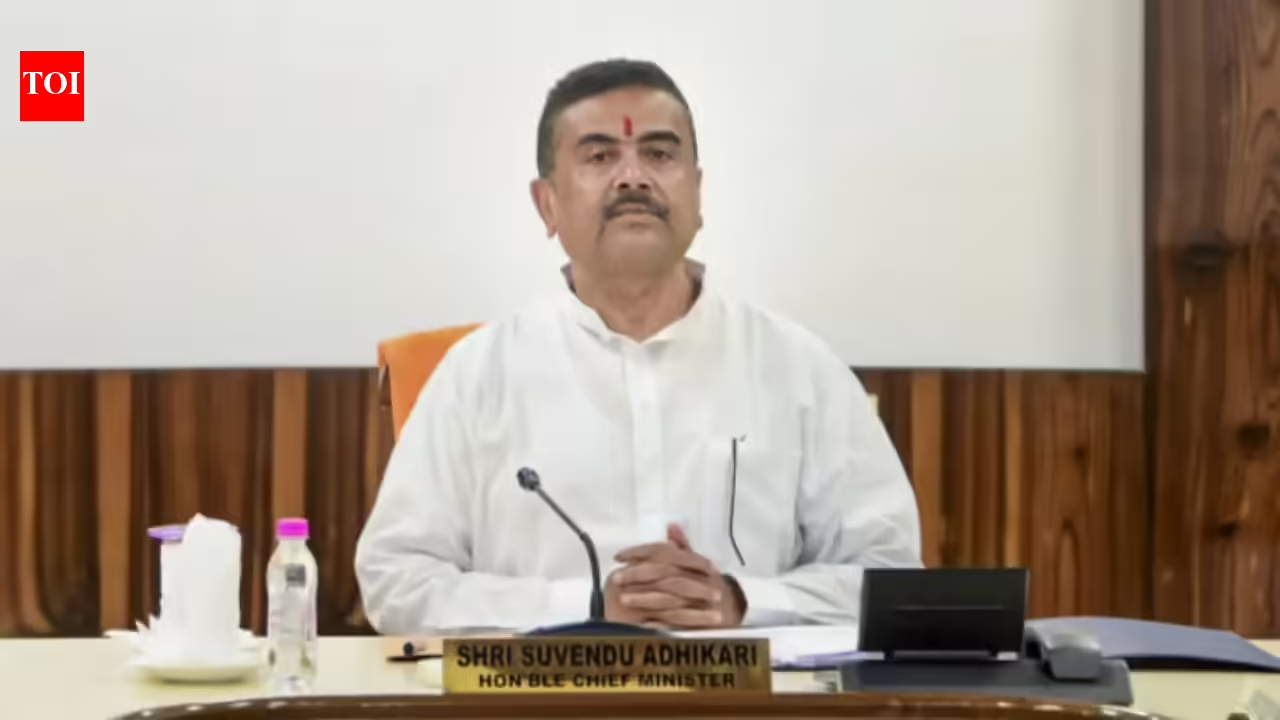
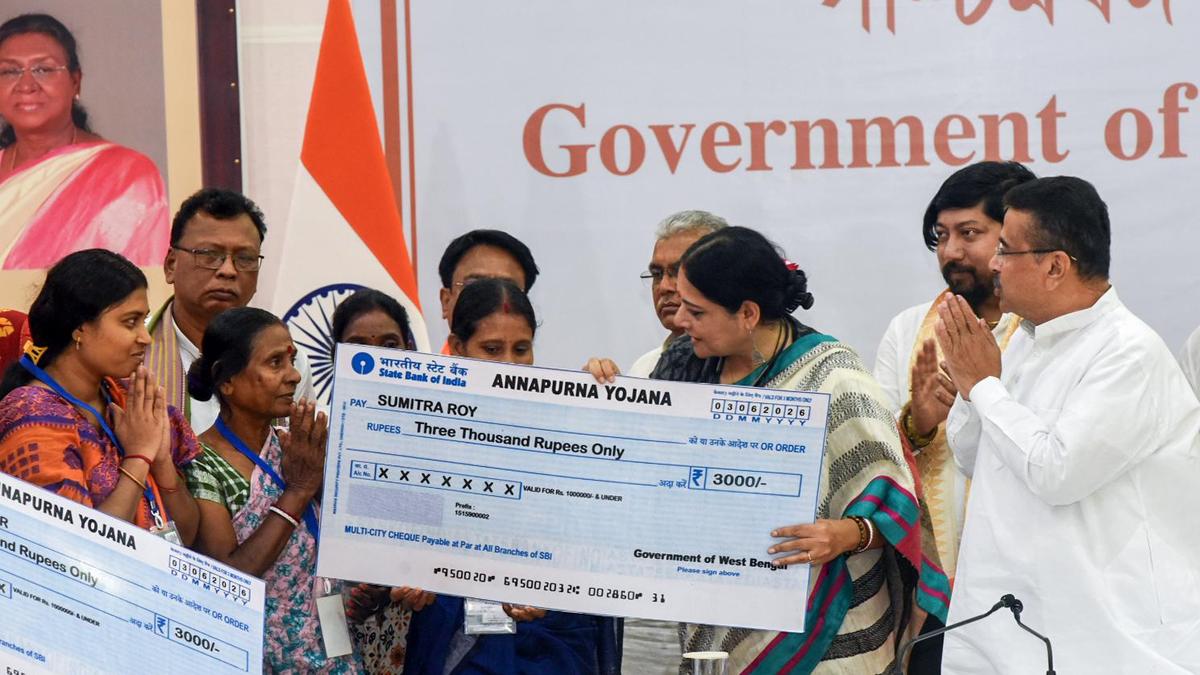
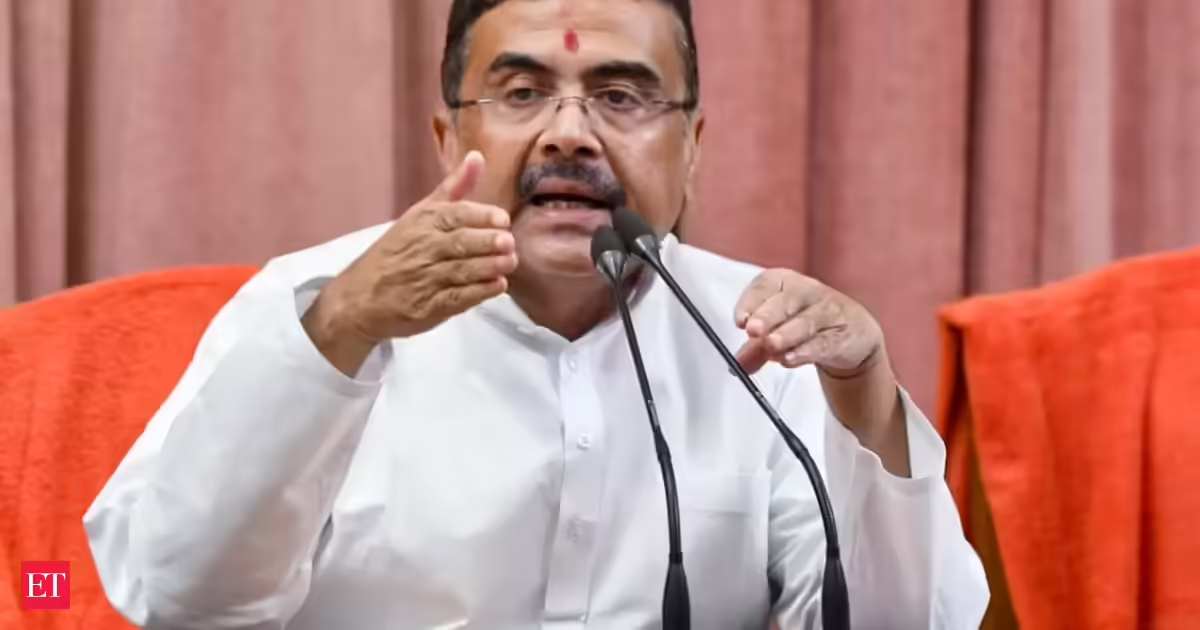
One of the many promises made by Bharatiya Janata Party (BJP) during the West Bengal assembly elections 2026 was that it would double cash incentives to every woman in the state, which they were receiving under the Lakshmir Bhandar scheme started by the Trinamool Congress government.This promise is turning out to be the first challenge for the Suvendu Adhikari government as the West Bengal government tries to implement the Annapurna Yojana, doubling the cash incentive of ₹1,500 per month under the earlier scheme to ₹3,000 per monthMr. Adhikari on Wednesday released a form that beneficiaries seeking to enrol with the scheme need to fill. The West Bengal Chief Minister said there will be verification of applicants in a period of 90 days, and those who have been enlisted in the Lakshmir Bhandar Scheme need to apply.Mr. Adhikari said that around 30 lakh beneficiaries of Lakshmir Bhandar were ineligible as they were either non-Indians or their names were permanently deleted from the voter list.While the State government will continue the Lakshmir Bhandar scheme till the verification is complete, filing up the 11-page application form and meeting all the criteria of the West Bengal government may be challenging for the 2.2 crore beneficiaries. The 11-page application form seeks all the details of the applicant and all his family members. The details sought are land documents, Aadhaar cards, PAN cards, and bank details of the family members.While Lakshmir Bhandar was universal in nature, the eligibility criteria for availing the benefit of Annapurna Bhandar are the fine print which the electorate of the State may have missed in the din and heat and dust of assembly polls.Going by Mr. Adhikari’s remarks that about 30 lakh beneficiaries are not eligible, the Bharatiya Janata Party government will have to transfer ₹3,000 to about 2 crore beneficiaries. This puts a burden of ₹6,000 crore on the State exchequer per month and ₹72,000 crore on the exchequer per year.The interim budget for the 2026-27 financial year of the West Bengal government was ₹4.06 lakh crore, and if the Suvendu Adhikari government gives Annapurna Bhandar to even 2 crore beneficiaries, this would cost 18 % to the State Budget.The financial burden which Annapurna Bhandar would have on the State exchequer is what is prompting the West Bengal government to verify the existing beneficiaries of Lakshmir Bhandar drag and its feet on the implementation of the promised scheme.Annapurna Yojana becomes Agni Pariksha“The 11-page Annapurna Yojana form has become like an Agni Pareeksha for the 2.2. crore women in West Bengal who were beneficiaries of a similar scheme earlier and who have to now prove their eligibility,” Anuradha Talwar of Paschim Banga Khet Majoor Samity said.The PBKMS analysed both the schemes and pointed out that while the Lakshmir Bhandar form is essentially a short beneficiary application form to be filled up by women themselves to get a benefit, the Annapurna Yojana form is essentially a comprehensive form to collect socio economic data about the entire family.“Does the new Government have to use the small amount of money that is given to women as a means to force women to go through this huge exercise?” the Union of Agricultural Workers said.The next challenge which the first Bharatiya Janata Party (BJP) government is likely to face is the promise to implement the 7th pay commission in the State and the payment of the Dearness Allowance arrears to the State government employee arrears.While the promise of implementing the 7th pay commission was made by Union Home Minister Amit Shah, it was later found in the BJP manifesto. The Supreme Court in February 2026 directed the West Bengal government to pay the Dearness Allowance (DA) arrears from 2008 to 2019 to nearly 20 lakh West Bengal government employees. The DA arrears alone are likely to cost ₹40,000 crore to the State exchequer. Published - May 29, 2026 04:14 am IST