Jurisprudence
May 28, 20265:44 PM
Roberts and Kavanaugh deserve credit.
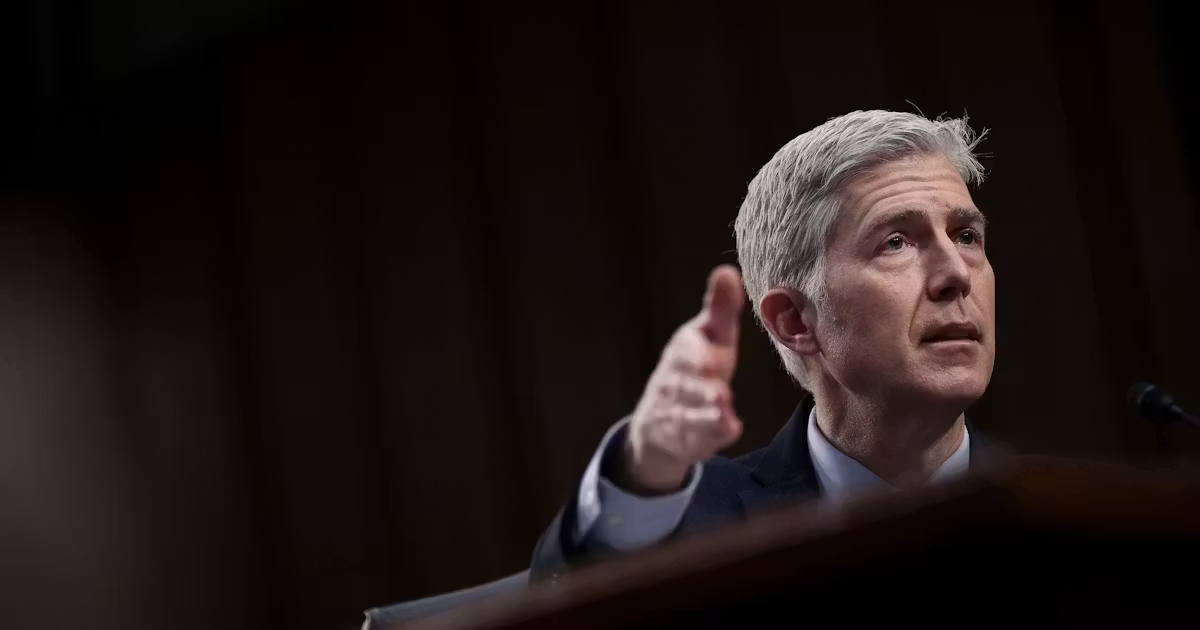
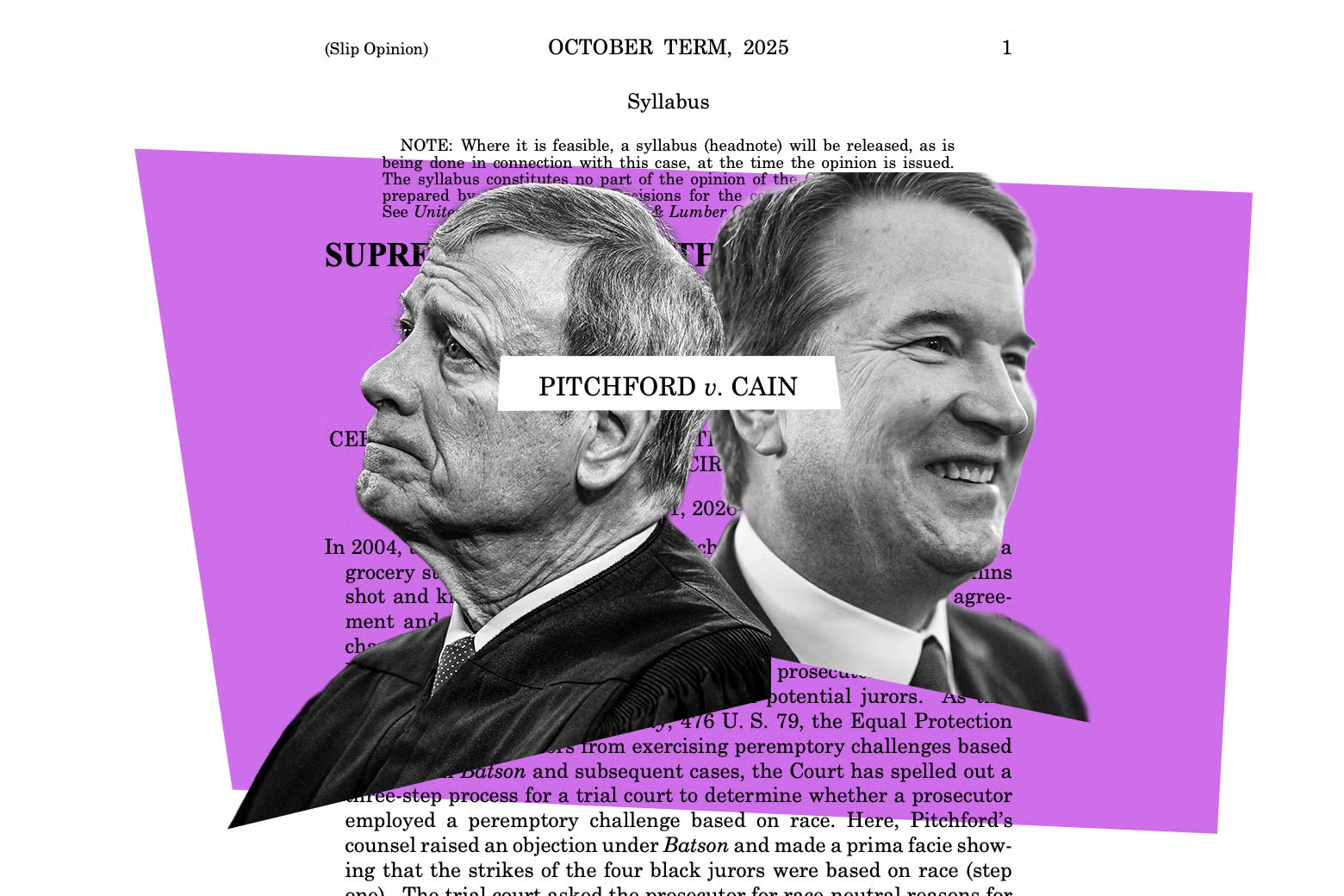
Photo illustration by Slate. Photos by Kenny Holston/Pool/Getty Images, Aaron Schwartz/AFP via Getty Images, and supremecourt.gov.
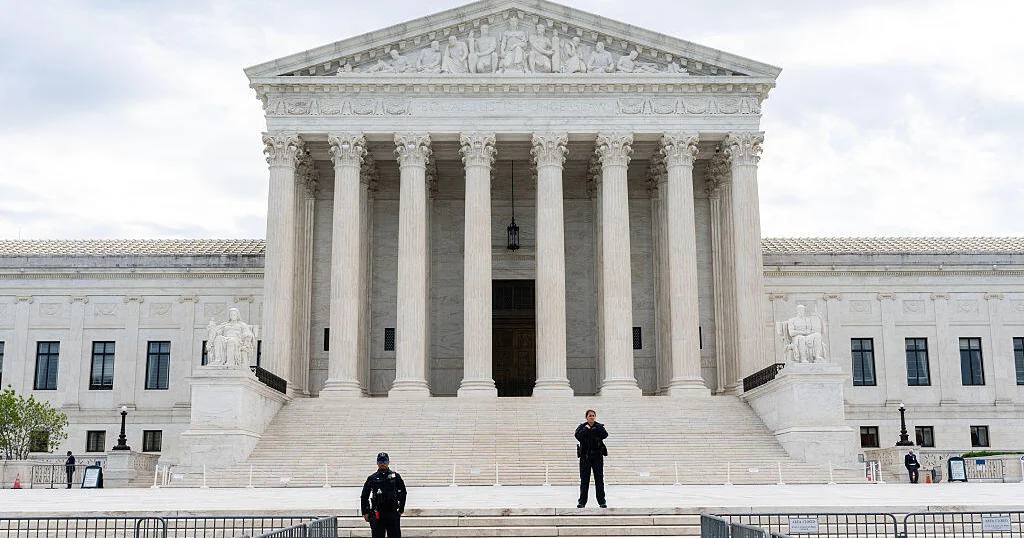
The Supreme Court issued a surprisingly good decision in a racial jury-selection case on Thursday. In a 5–4 decision joined by Chief Justice John Roberts and the court’s three liberals, Justice Brett Kavanaugh explained how two Mississippi courts violated the Constitution by allowing criminal prosecutors to strike Black jurors from the courtroom, then preventing the defense’s lawyers from objecting to the strikes. The ruling, Pitchford v. Cain, is an important victory for Terry Pitchford and others like him who have been overprosecuted by Southern state governments. But how the opinion came to be is also a story of three others: Kavanaugh, who has a long history of being unusually clear-eyed in this area of the law, going back to his law school days; a former Mississippi prosecutor who has a sordid past with the Black citizenry he’s supposed to protect; and Roberts, who, despite ruling for decades on racial issues, can’t seem to decide whether racism exists.