See more Daily Mail on Google - save us as a Preferred SourceBy GETHIN HICKS, REPORTER Published: 01:26 BST, 29 May 2026 | Updated: 01:42 BST, 29 May 2026
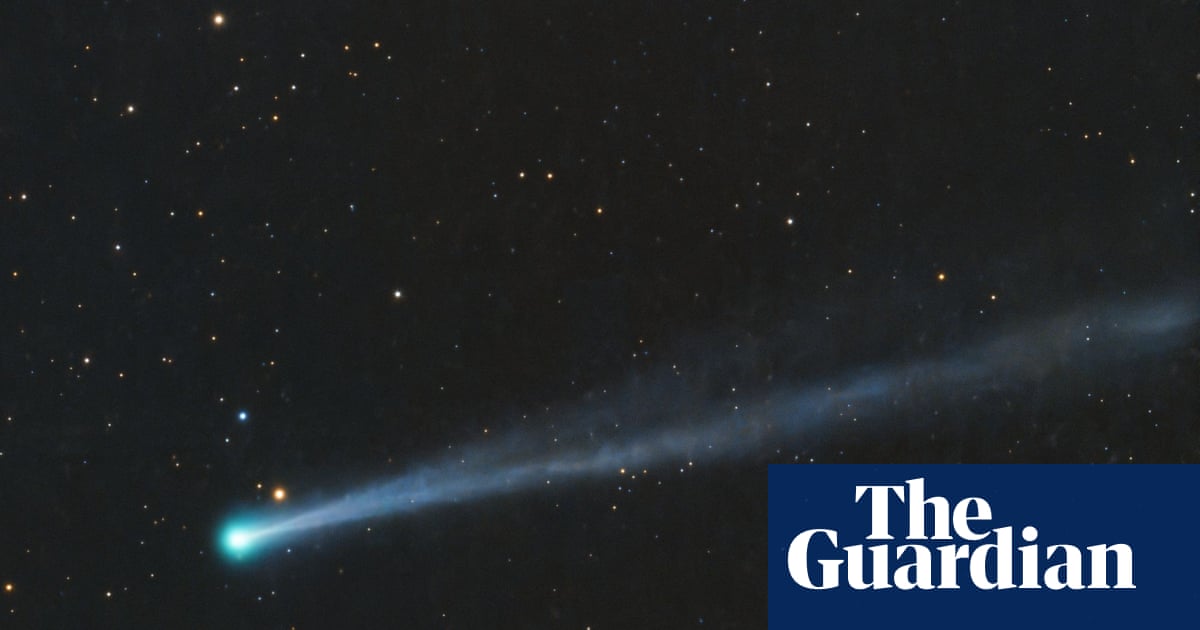
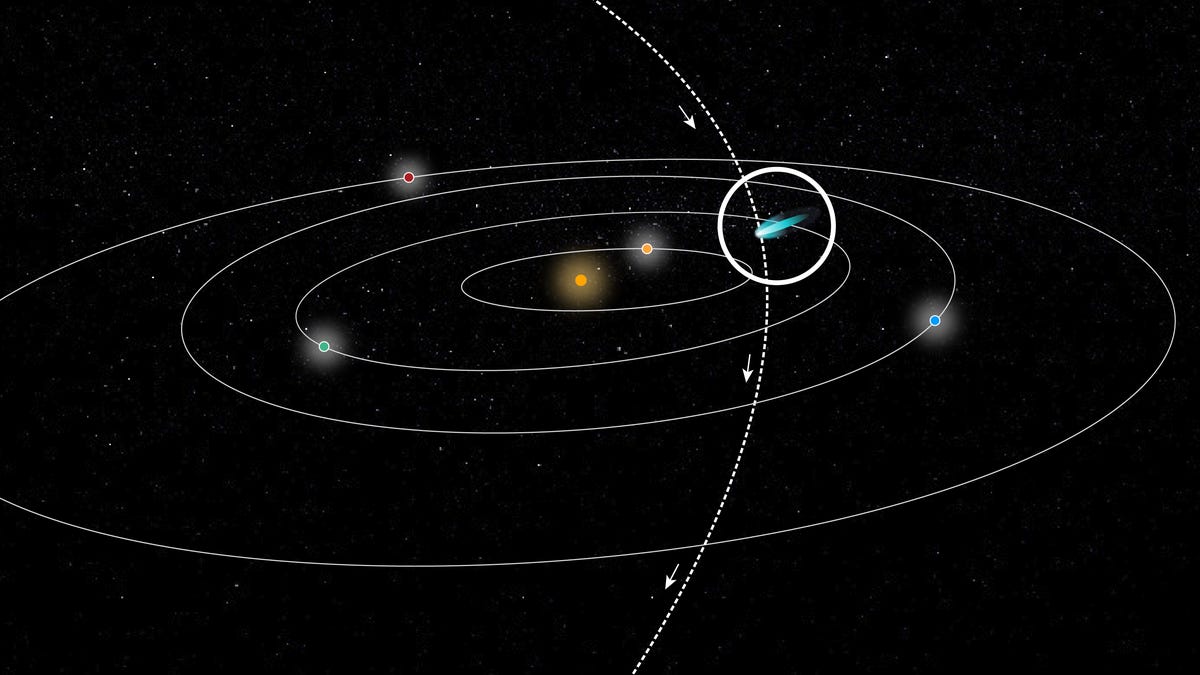
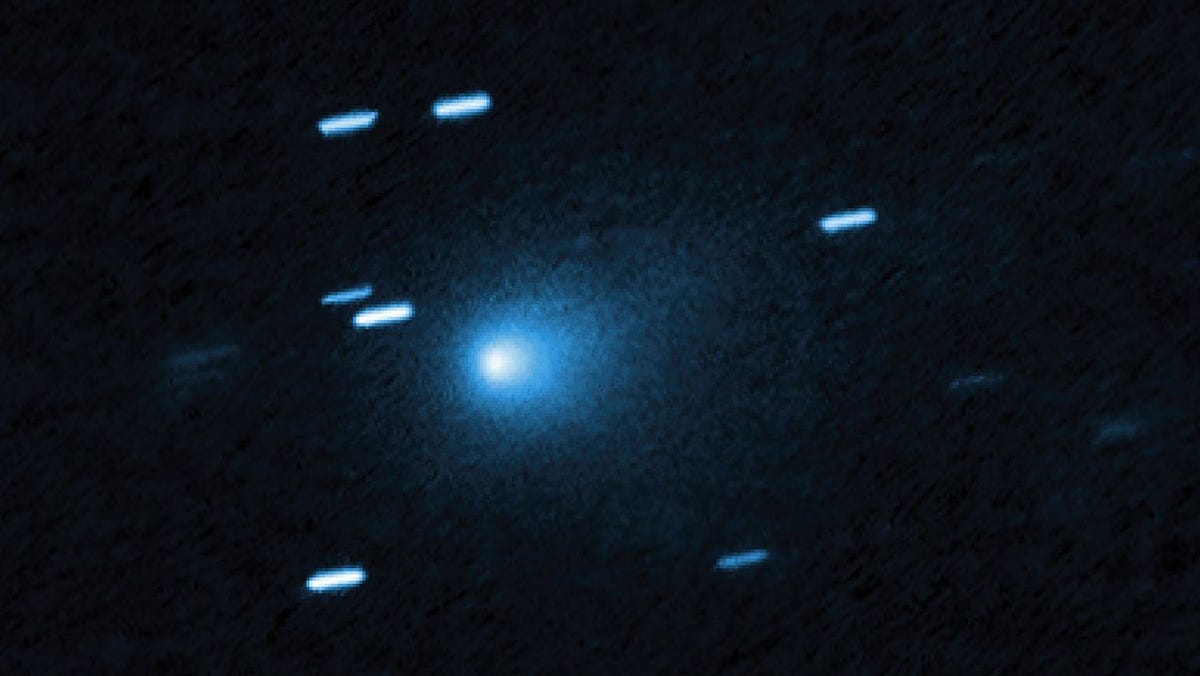
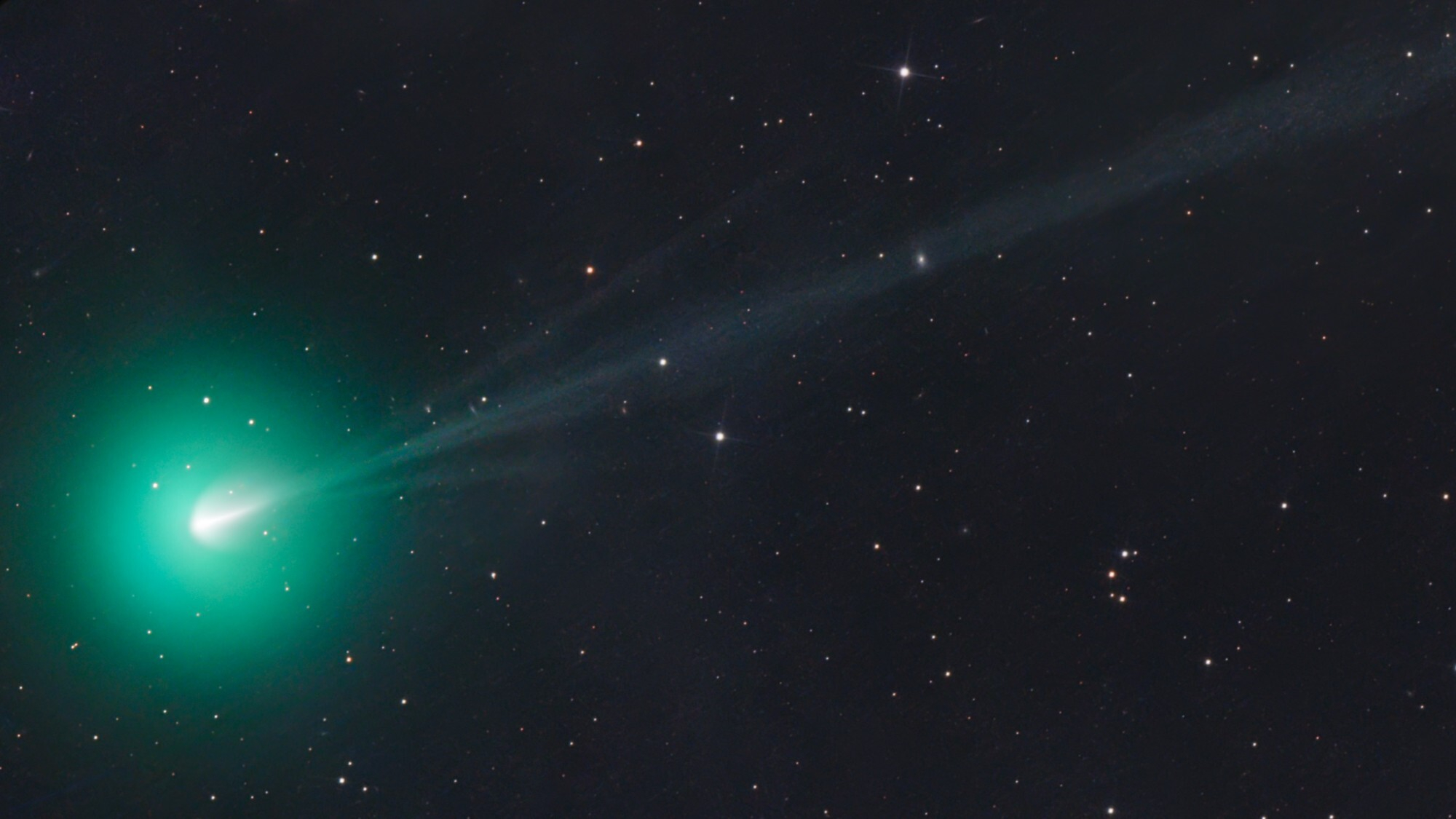
An incredible photo shared to social media shows a comet flying over a mountain in New Zealand. The comet, known as C/2025 R3 PANSTARRS, had been slowly making its way from the edge of the Solar System past Earth after first being spotted last year. During April, it graced the skies of the northern hemisphere before Kiwis, Aussies and South Africans had two weeks to spot the shooting star on its orbit around the sun earlier this month. However the comet, which appeared as a blue-green orb with a smudgy tail, was only visible via telescope, binoculars or camera lens. And astronomers estimated that, once it has passed Earth, C/2025 PANSTARRS may not return for as long as 170,000 years. 'Whenever we spot them, it's the first time we've seen them, and it's also the only time that we will see them in our lifetime,' John Aoraki of the Te Whatu Stardome in Auckland said. So, stargazers had but a couple of weeks to capture the perfect photo - and one managed to do just that. Instagram user @galactic_kiwi shared a jaw-dropping snap to his page showing the comet flying over New Zealand's Mount Taranaki, the second-tallest mountain in the country's North Island. An incredible photo shared to social media shows a comet flying over New Zealand's Mount Taranaki The comet, known as C/2025 R3 PANSTARRS, had been slowly making its way from the edge of the solar system past earth after first being spotted last year The comet is understood to have originated in a region called the Oort cloud, which is situated light-years away from Earth beyond Pluto Explaining how he captured the stunning snap, the photographer explained: 'I made a quick trip to capture Orion setting over the stunning Mount Taranaki, dressed in an early dusting of snow. Comet C/2025 R3 PANSTARRS is visible in the sky, though it had shifted since my panorama from the previous day. This time, its trail perfectly bisects the star Saiph. 'I combined full-colour data captured with the mountain alongside duoband data to bring out the H-alpha emission throughout the region. I especially love how clearly the Horsehead Nebula emerged in the final image. 'The glow illuminating the slopes comes from Manganui Lodge on the left and Tahurangi Lodge on the right.' The comet is understood to have originated in a region called the Oort Cloud, which is situated light-years away from Earth beyond Pluto. The first person to spot the shooting star in September 2025 was Yudish Ramanjooloo, a researcher at the University of Hawaii. He said: 'We mostly deal with asteroids and when we see something that’s unusual, it’s always a little exciting.'Mr Ramanjooloo told the New York Times that comets are 'primordial building blocks' of the solar system.He added: 'They give us clues on what our solar system was like when they were first formed, and we can learn how that’s evolved over time.'