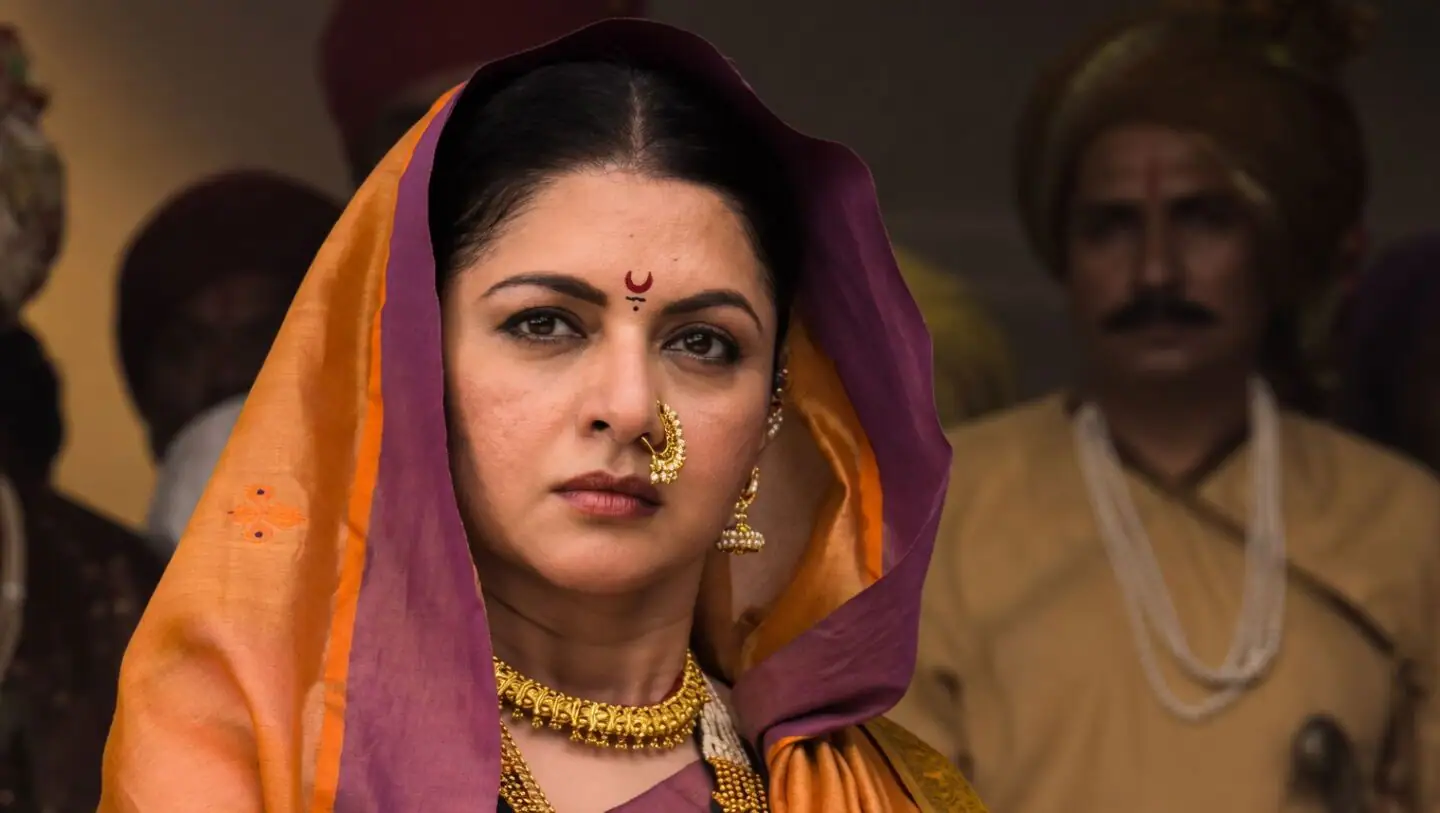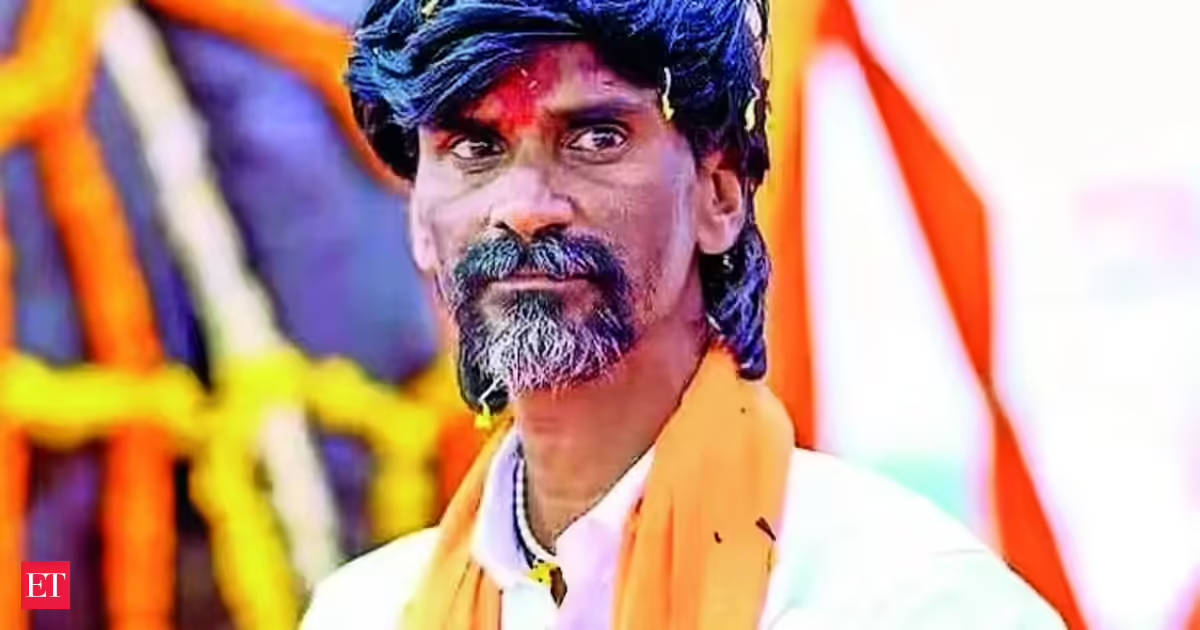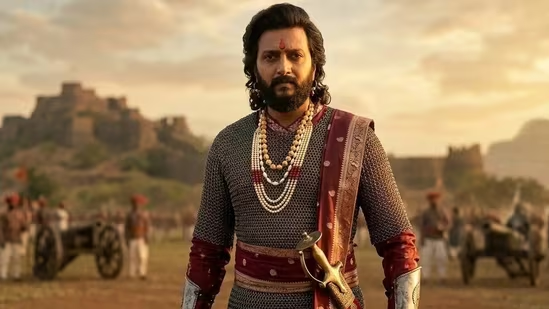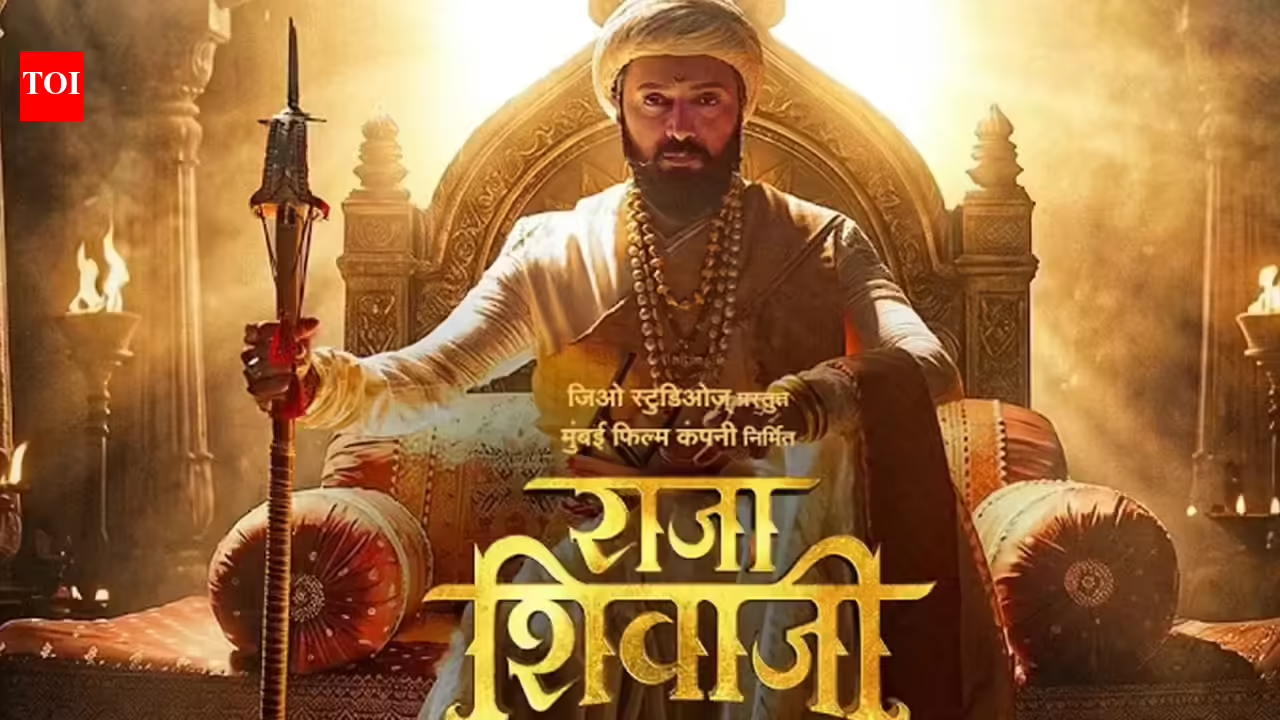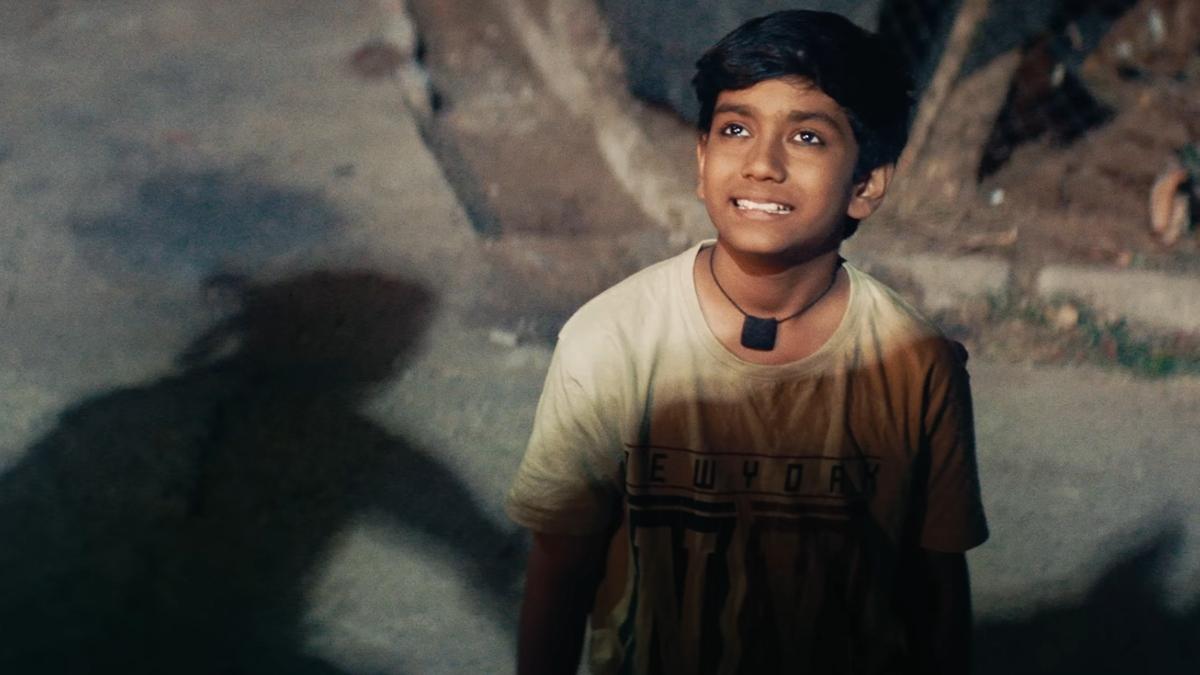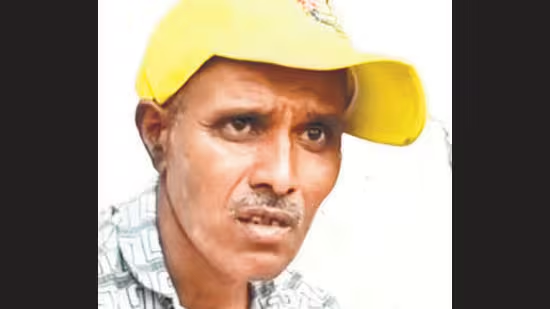
While actor Salman Khan draws praise for his surprise cameo as legendary Maratha warrior Jiva Mahale in Riteish Deshmukh’s historical film Raja Shivaji which has crossed ₹100 crore at the box office, the real descendants of ‘the man who saved Chhatrapati Shivaji Maharaj’ battle poverty, illness and neglect in a remote village in Satara district.The 14th generation descendants of Jiva Mahale – Prakash Balkrishna Sapkal, 54; his wife, Jayshree Sapkal; and their son, Pratik Sapkal – live in severe financial distress in Kondhawali village, around 70 to 80 kilometres from Wai in Satara district. (HT PHOTO)The irony isn’t lost on historians and villagers alike. While Maharashtra continues to celebrate the bravery of Jiva Mahale — immortalised in the famous phrase, “Hota Jiva Mhanun Vachla Shiva” — his 14th generation descendants today are struggling for survival.Pandurang Balkawade, noted historian and secretary of the Bharat Itihas Sanshodhak Mandal, described the role played by Jiva Mahale during the historic encounter between Shivaji Maharaj and Afzal Khan as ‘one of the defining moments of Maharashtra’s history’. “When Afzal Khan came to Pratapgad for the meeting with Chhatrapati Shivaji Maharaj, the situation was extremely sensitive and dangerous. At that time, Shivaji Maharaj’s vision, judgement and selection of men was extraordinary. Despite being very young then, Jiva Mahale was chosen to stand against Sayyed Banda, Afzal Khan’s personal bodyguard known for his strength and combat skills. Within a fraction of a second, Jiva Mahale struck with his dandpatta and severed Sayyed Banda’s hand, saving Shivaji Maharaj’s life. This is not just an incident, but one of the most important moments in Maharashtra’s history which we can never forget,” Balkawade explained.In sharp contrast, the 14th generation descendants of Jiva Mahale – Prakash Balkrishna Sapkal, 54; his wife, Jayshree Sapkal; and their son, Pratik Sapkal – live in severe financial distress in Kondhawali village, around 70 to 80 kilometres from Wai in Satara district. Prakash has been bedridden with paralysis for the last 11 years, and is unable to move or even drink water without assistance. His wife Jayshree works as a daily wage farm labourer to run the household while their son Pratik was forced to drop out of school after class 10, and now works at a small haircutting salon to support the family and pay for his father’s medicines.“Pratik saw the condition at home and gave up his education forever. Today, whatever little money he earns at the salon is what keeps this family alive and helps us buy medicines,” Jayshree Sapkal said.Jiva Mahale, originally from the Sapkal family, gained immortality after killing Sayyed Banda during the 1659 encounter between Shivaji Maharaj and Afzal Khan at Pratapgad Fort. According to historians, Shivaji Maharaj later honoured him with the title ‘Mahale’ for his courage and loyalty.In 1707 during the reign of Chhatrapati Shahu Maharaj, the family was reportedly granted nearly 1,000 acres of land in the Nigade and Sakhare regions as inam (prize) for Jiva Mahale’s bravery. Today however, the family is left with barely one-and-a-half acres of land.About the decline, Jayshree said that portions of the land were donated over generations for social causes, while other parts were sold due to financial hardship. “As generations passed, the land kept getting divided. By the time it reached the 14th generation, we are left with only one-and-a-half acres,” she said.The family also suffered financial strain during the marriage of their daughter Pratiksha Sapkal in 2022. At the time, deputy chief minister Eknath Shinde’s wife Lata Shinde extended financial assistance of ₹1 lakh to help with the marriage expenses; the family said.In an emotional plea for help, Prakash said, “We are the descendants of Jiva Mahale but today, we do not even have money for medical treatment. We are not asking for luxury. We only request financial support for medicines and basic survival.”“The descendants of other royal families are living comfortably today but we who proudly say, ‘Hota Jiva Mhanun Vachla Shiva’ are living in terrible conditions. The man who sacrificed his life for the king is remembered in history but his descendants are suffering silently,” Prakash said.Kondhawali sarpanch Balu Jagtap urged the government to step in with immediate support. “When we see the actual condition of Jiva Mahale’s descendants with our own eyes, it leaves us numb. The entire village feels that this family must receive proper government assistance at the earliest,” Jagtap said.Balkawade said that society as a whole and not just the government must come forward to support the family. “Today, when we learn that the descendants of such a brave warrior are struggling for survival, facing poverty and medical hardships, it becomes the collective responsibility of society to stand with them,” the historian said.History to rememberNovember 10, 1659 remains one of the most significant dates in Maharashtra’s history. At the foothills of Pratapgad Fort, Chhatrapati Shivaji Maharaj killed Afzal Khan in a dramatic encounter. During the confrontation, Afzal Khan’s bodyguard Sayyed Banda launched a deadly sword attack on Shivaji Maharaj. At that crucial moment, Jiva Mahale intervened and used his dandpatta to sever Sayyed Banda’s arm mid-air, saving Shivaji Maharaj’s life. Historians believe that had Jiva Mahale not acted within those few seconds, the course of Maratha history might have changed forever.
Satara’s forgotten legacy: Descendants of Jiva Mahale struggle to survive
In 1707 during the reign of Chhatrapati Shahu Maharaj, the family was reportedly granted nearly 1,000 acres of land in the Nigade and Sakhare regions as inam (prize) for Jiva Mahale’s bravery. Today however, the family is left with barely one-and-a-half acres of land
TL;DRAI
Film *Raja Shivaji* hits ₹100 crore while its hero Jiva Mahale's 14th-generation descendants live in poverty in Satara — bedridden patriarch, farmworker wife, son who dropped school after class 10. The contrast exposes a governance gap: no structured support mechanism exists for documented descendants of state-celebrated historical figures, leaving cultural heritage policy to rely on ad-hoc charity.
868 words~4 min read