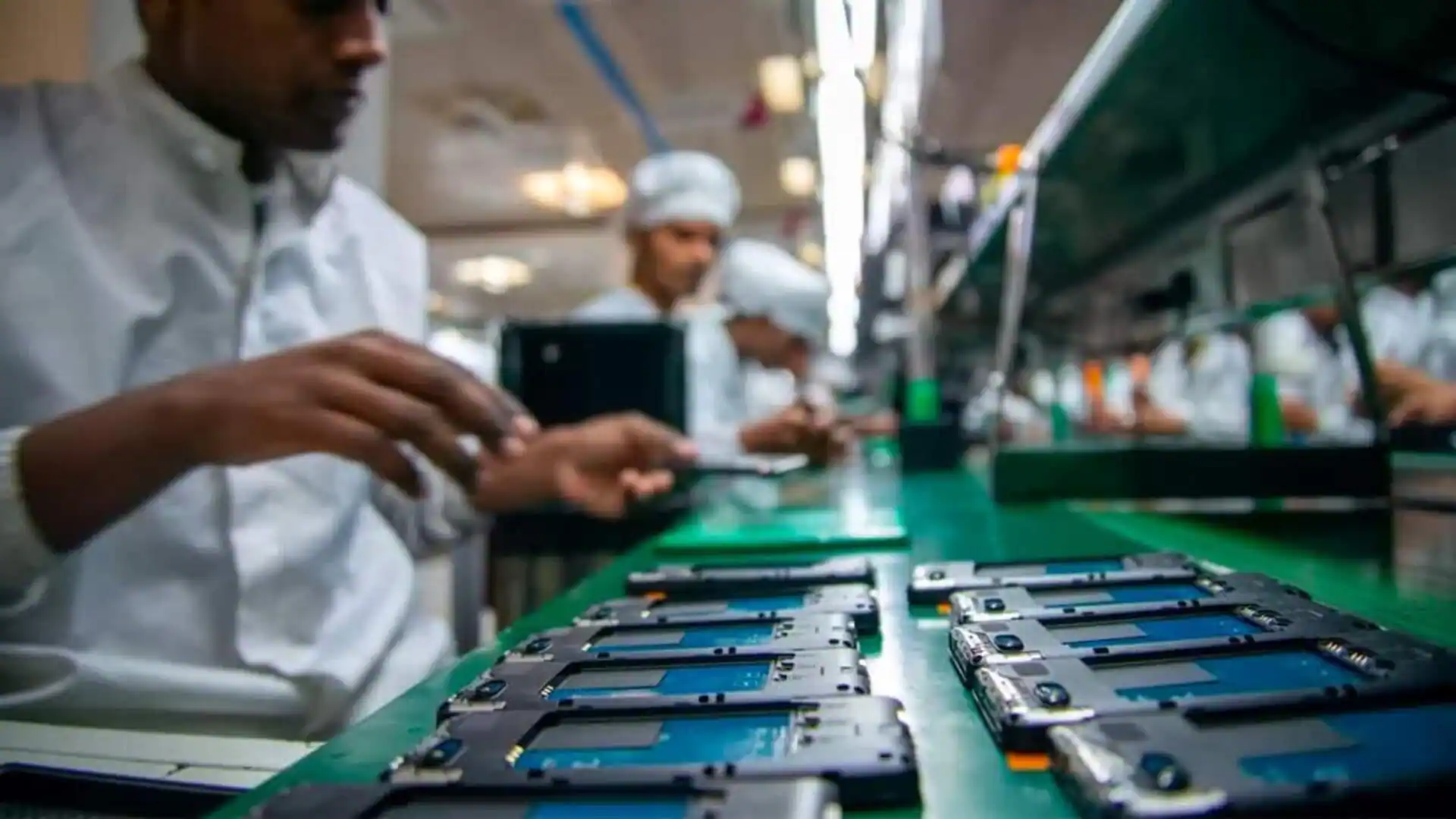
SynopsisIndia is updating its mobile phone production incentive scheme. The new plan targets over 55% domestic value addition. It will also link with component manufacturing schemes. This aims to boost local sourcing of crucial parts. The government wants to reduce reliance on imports for high-value components. This move follows concerns about current import dependence.AgenciesPLI 2.0 for phones: India dials up local content push to cut import dependencyThe updated production-linked incentive (PLI) scheme for mobile phones may target domestic value addition of more than 55%, officials told ET. Expected to be finalised soon, the proposed PLI 2.0 for mobile phones is also being designed to align with the existing Rs 40,000 crore electronic component manufacturing scheme (ECMS) to ensure greater domestic sourcing of crucial components, they said.The move follows concerns raised by the finance ministry about import dependence on high-value components, even though the current PLI scheme has helped turn India into a major smartphone assembly and export hub.Also read: PLI 2.0 calls ring louder: India eyes 35% global mobile output; $130 billion productionThe ministry's Expenditure Finance Committee is understood to have asked the Ministry of Electronics and Information Technology (MeitY) to revisit certain aspects of the proposed PLI 2.0 scheme, particularly around localisation targets and the structure of incentives.The Expenditure Finance Committee was of the view that while the scheme’s broader objectives were aligned with the government’s manufacturing priorities, the proposal required stronger provisions to encourage deeper domestic value addition and greater integration with the local component ecosystem.The PLI scheme for large-scale electronics manufacturing was notified in April 2020 with an outlay of Rs 40,995 crore ($5.7 billion based on exchange rate at that time). The programme was expected to raise domestic value addition for mobile phones to 35-40% and electronic components to 45-50% from 15-20% for both. According to government estimates, just 18-20% of the value of large electronics was created locally as of this April.Revised approach Officials at MeitY attributed this relatively slower rise to the continued import dependence of high-value components such as display assemblies, camera modules and main chipsets, which make up 55-60% of a smartphone's bill of materials.ET BureauSending right signal “A 55% domestic value addition target looks optimistic considering that India's local mobile manufacturing ecosystem is still developing, despite the increasing incidence of exports,” said Prashant Vasisht, senior vice-president at ratings firm ICRA. “It will take time. However, this is how an ecosystem ultimately develops, and increasing localisation has to be prioritised.”According to officials, the finance ministry favoured a calibrated incentive framework that links payouts more closely with local sourcing and backward integration than the current scheme. The revised approach is expected to work in tandem with ECMS to promote a more integrated electronics supply chain."Companies manufacturing or sourcing critical components such as Li-ion batteries, camera modules and display assemblies locally are likely to get additional incentives under the updated PLI scheme," a MeitY official said. “Significant volumes of these and other components are expected to be localised as soon as later this year when many of the 75 manufacturing facilities approved under ECMS that are currently being built, begin production.”Also read: Government likely to roll out mobile PLI 2.0 with outlay of over $5 billion by MayOfficials said the exercise forms part of the Centre’s broader push to strengthen local manufacturing capacities and gradually reduce import dependency in strategic electronics segments. They stressed key elements of the current scheme will be retained considering the 32 beneficiary companies approved under the scheme have surpassed most of the initial targets.Total cumulative investments of Rs 17,519 crore, production valued at Rs 11.01 lakh crore, and exports of Rs 6.27 lakh crore are 2.5 times, 1.3 times and 1.27 times the original targets, respectively. Aimed at establishing India as a global smartphone manufacturing hub, it was initially planned for five years, but offered 4% to 6% incentives on incremental sales over six years till FY26.Read More News on...moreless
PLI 2.0: India bets big on making more of the smartphone at home
India is updating its mobile phone production incentive scheme. The new plan targets over 55% domestic value addition. It will also link with component manufacturing schemes. This aims to boost local sourcing of crucial parts. The government wants to reduce reliance on imports for high-value components. This move follows concerns about current import dependence.
651 words~3 min read