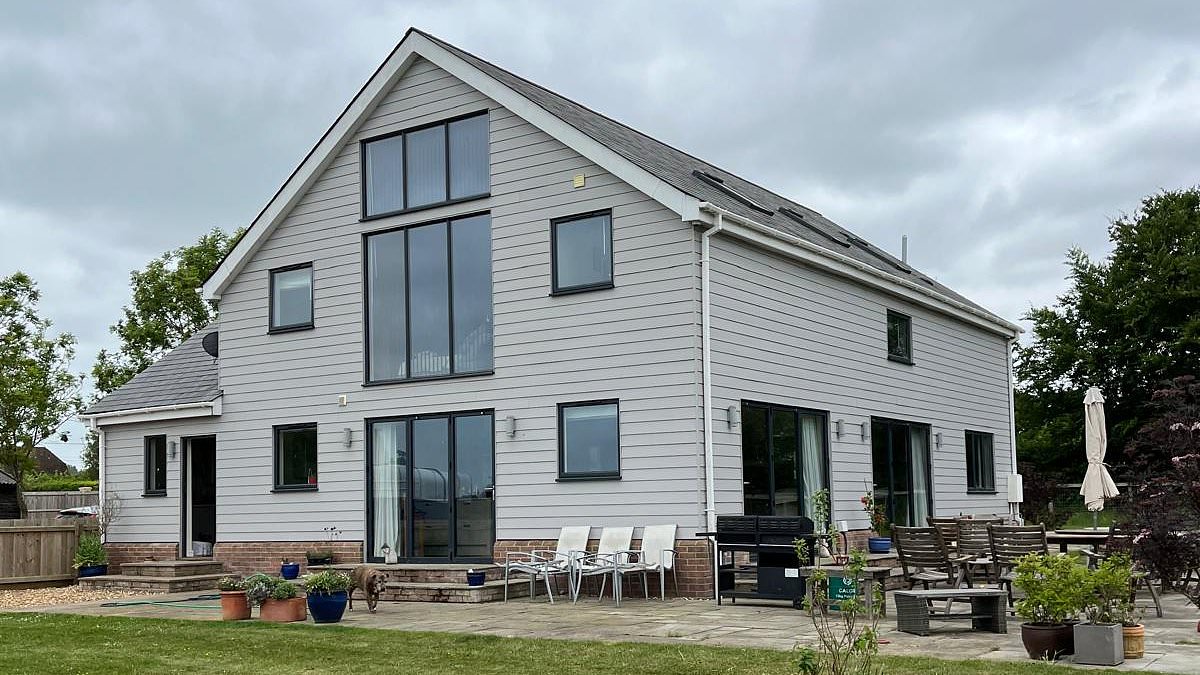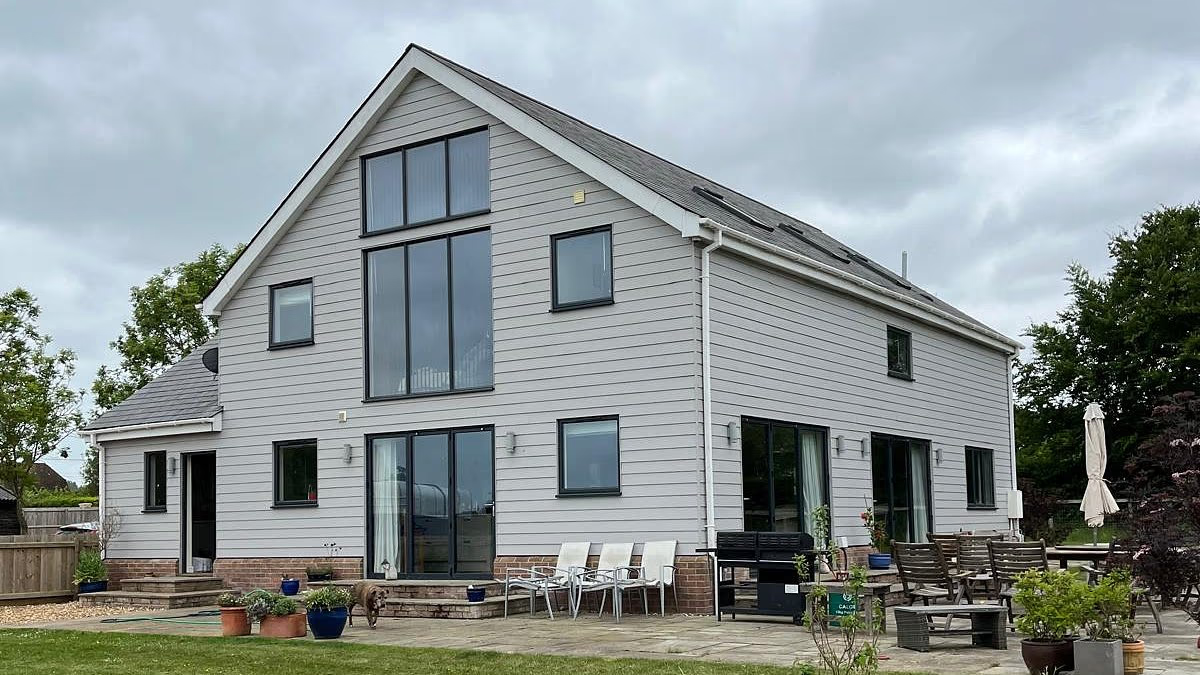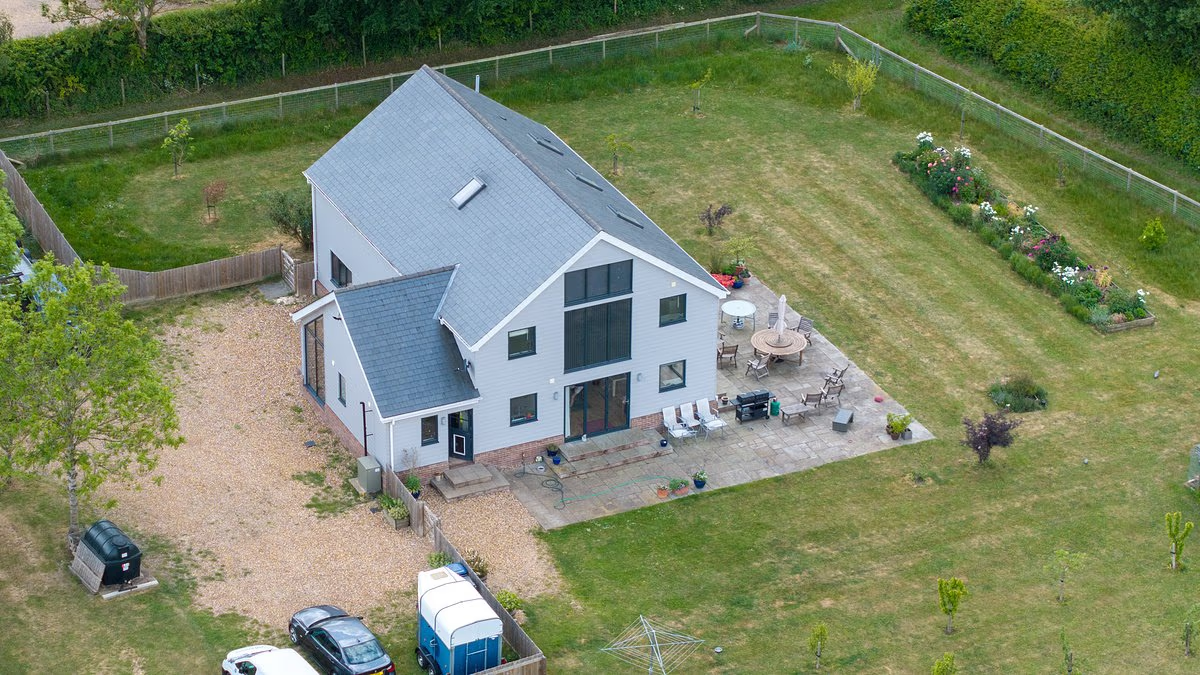
A three-bedroom home that was supposed to be a stallion semen laboratory has been completely dismantled after a council ordered it to be torn down.The million-pound property was built by Jeremy Zielinski, 75, and his wife Elaine, 80, who had been given permission for a two-storey commercial building to house the equine facility, with a small first-floor flat for staff.But while the outside of the property, set in 17 acres of land in Great Abington, Cambridgeshire, followed their planning application, the interior was converted into a well-appointed home with stunning feature windows overlooking the countryside.When South Cambridgeshire District Council told them it had to be razed to the ground, the couple appealed to a planning inspector - who concluded it appeared to have been built as a house from the start and backed the decision.Rather than bring in a wrecking ball, the Zielinksis made a deal with a contractor to take the house apart bit by bit – cutting the costs slightly as he would be able to sell parts on.The process began early last month and the salvageable parts of the house have been effectively flat-packed and taken away, leaving just the scaffolding behind and the skeleton of the original structure.As revealed exclusively by the Mail, Mr Zielinski remains bitter about the ruling, which he and his wife said cost them £1 million 'overnight'.The financial blow means they can no longer afford to live in the UK and are relocating to Thailand after selling off the land and stables that remain. The three-bedroom property in Great Abington, Cambridgeshire, was supposed to be a two-storey commercial building to house a stallion semen collection centre and laboratory, with a small first floor flat for staff'Anyone who knows the situation – every single person I've spoken to – they all think it's absolutely ludicrous because the original planning permission was given for the physical building as it was,’ Mr Zielinski said previously.'They say “The housing situation is desperate and they are making you pull down your home without recourse”.'We've got to sell our stables for a pittance to be able to buy somewhere to live but we couldn't afford anywhere in this country, so we're going to Thailand.'Locals have been generally unsympathetic about their neighbours' self-imposed plight, however, with one woman in her 50s saying: 'They were given permission, they ignored the permission and it had to go. How can they say that was unfair?'Another said: 'It was a pretty hard decision – the place did look all right on the outside. But if you let something like that go, where does it end?'Support was offered by some, including David Hamper, 61, who said: ‘He's flouted the rules to a certain extent and would admit to that but to have your neighbours saying “pull it down” is a hard thing for him to see.'The horse-mad couple bought a house with an outbuilding and the large plot of land for £100,000 in 1986.In 2014, they were given planning permission by the district council for a countryside business with a reception area, office, kitchenette, laboratory space, staff changing room and toilet on the ground floor and two bedrooms with en suite bathrooms on the first floor. Going... the roofing started to disappear early last month Going... deep into the process, the innards of the house are revealed Gone! Scaffolding surrounds the skeleton of the three-bedroom house. Salvageable parts have been taken away by the contractor to be used on other projectsBut planning inspector Chris Preston noted the property had a 'decidedly residential appearance', including a kitchen with island breakfast bar, domestic furnishings and appliances, a dining area, living room and home office.Upstairs were two bedrooms, plus a 'lounge equipped with sofa and television'.Contractors began work on the property in 2017 and Mr and Mrs Zielinski - who had three children, although one tragically died in 2021 after taking the Covid vaccine - sold their own house two years later, moving into a static home.The couple believe a jealous neighbour informed on them, leading to planning officers visiting their home and the July 2023 enforcement notice.In the submission to the Planning Inspectorate, they claimed lockdown wrecked their business plans for the clinic and they were forced to turn the property into their home, while continuing to run their commercial interests in their grounds.The order to pull down the entire building was over the top and would leave them without a roof over their heads, they added.Mr Preston turned down their appeal, concluding it had been built as a house from the start, rather than converted from the approved lab and flat, and the couple had sold their own home and another plot of land with permission for a dwelling.He also noted there was 'very little evidence that the stallion semen collection and analysis business ever got off the ground to any notable degree'. Owners Jeremy Zielinski, 75, and his wife Elaine, 80, said they are having to move to Thailand as the financial blow means they can no longer live in the UKThe only payment for laboratory fees was £44 for a horse named Dublin but there was 'no indication as to whether the analysis was carried out at the appeal site'.Mr Preston also considered the owners' claim to need somewhere to live but concluded: 'Given the clear and flagrant breach of planning policy and the associated harm arising, I find that interference with the human rights of the appellant and his wife would be proportionate in this case.'Mr Zielinski, a former marketing manager for the Injured Jockeys Fund, told the Mail the onset of Covid had battered their hopes of founding the business in their property, while the death of their daughter, Claire, aged 55, had 'taken the wind out of our sails for fighting an enforcement notice'.He insisted: 'We moved in when it was partially complete to get it ready to operate as a business [and] on the basis that we were going to comply with the planning by living upstairs and running the business downstairs.'His wife, a GP's receptionist, previously said they had been unaware they were breaking the law.'We want to carry on living here. It's a warm and comfortable home. I love it,' she explained.'It doesn't make sense to tear it down. I don't want to go and live in a caravan. If we are chucked out, we will be having to rely on the state.'We would not have gone on and built this and put all our money into it unless we thought it was totally legal to do it.'Dismantling the property to allow the contractor to make use of parts including timber frames, windows and bifold doors has saving them around £2,000 on the approximate £30,000 they had been quoted for demolition.The couple would have preferred to move to Australia where they have a daughter and four grandchildren but complained that was also out of their budget.Cllr Dr Tumi Hawkins, the district council's lead cabinet member for planning when the Planning Inspectorate backed its enforcement notice, said at the time that she welcomed 'the inspector's clear decision'.'This case shows the importance of adhering to the specific uses and conditions that justify development in rural areas,' she added.'Planning rules are there for a reason – including protecting our countryside - and this decision demonstrates that we will act when those rules are broken.'
Flat & packed: £1m home built in place of horse clinic is dismantled
The three-bedroom property was built by Jeremy Zielinski, 75, and his wife Elaine, 80, who had been given permission for a two-storey commercial building to house the equine facility.
1,224 words~6 min read