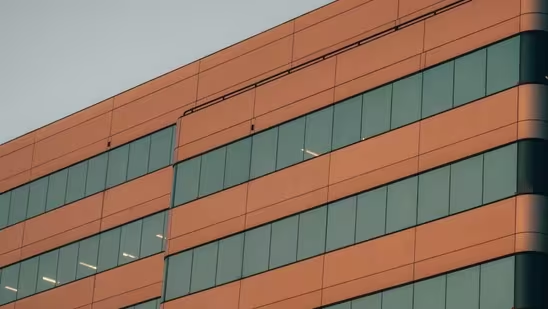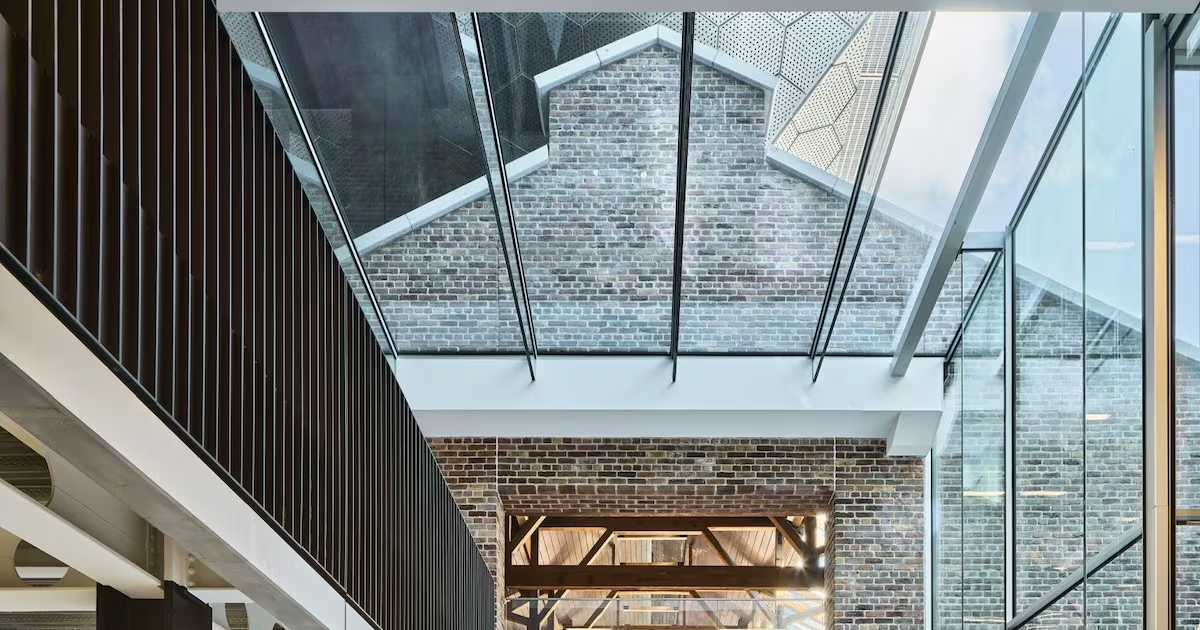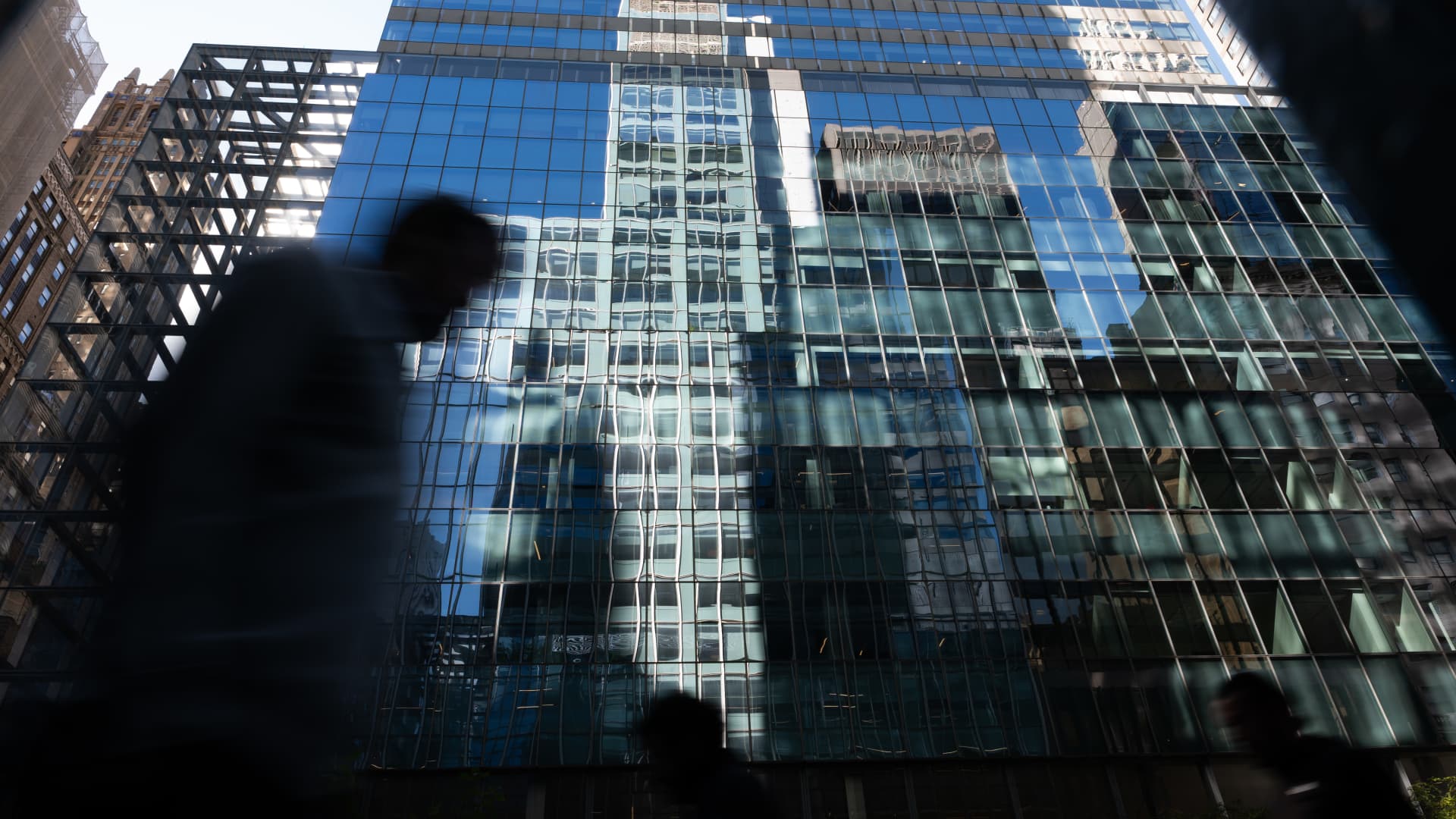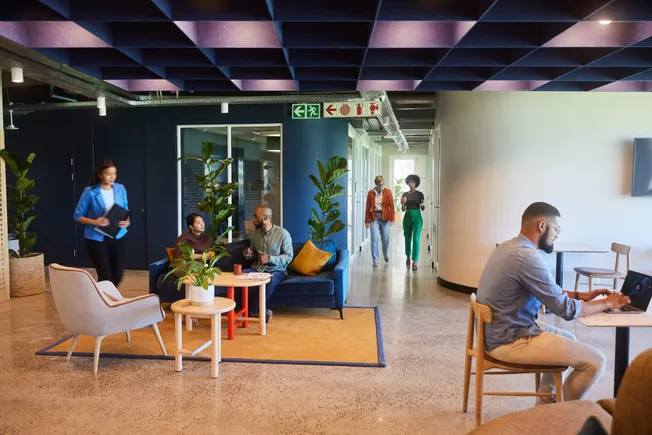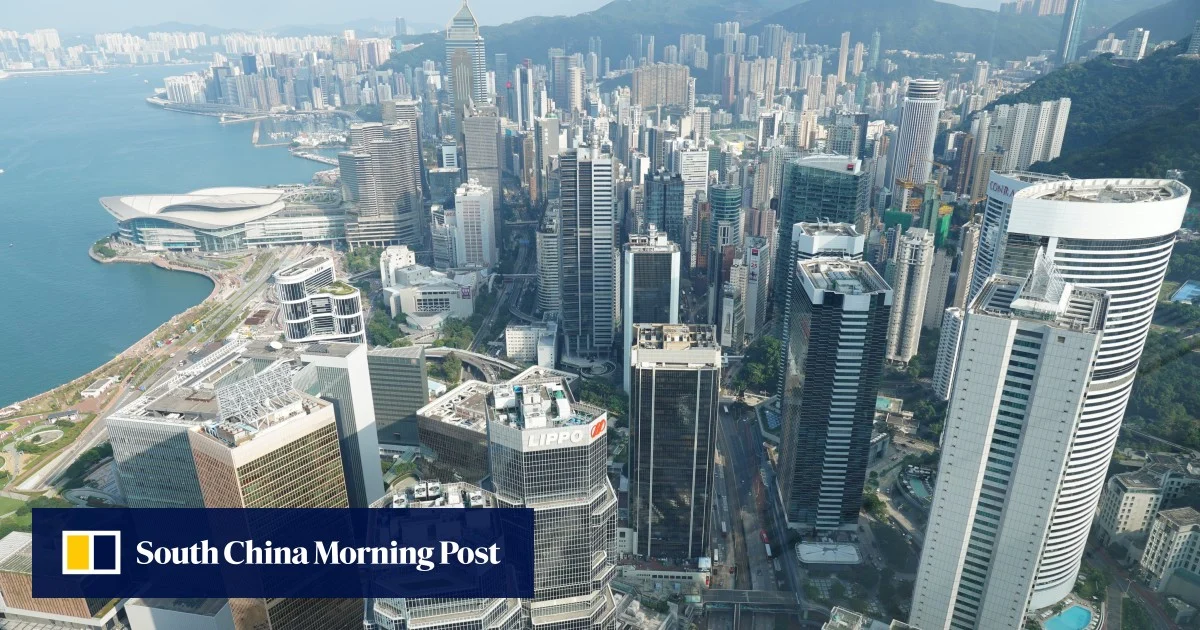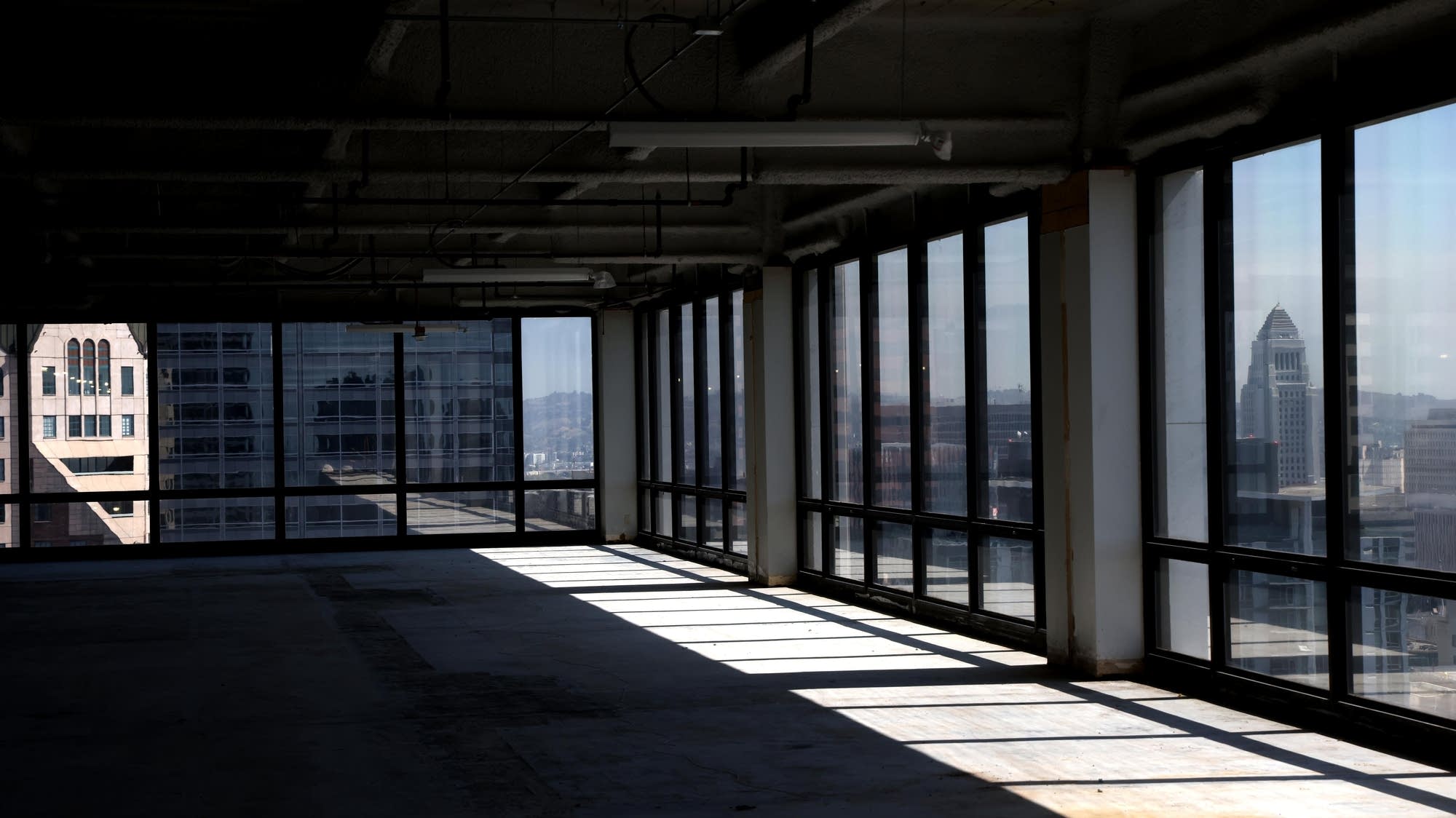
The market for office space continued its slow-but-steady comeback in the first three months of this year: Companies leased more office space than they let go of for the third quarter in a row, according to a new report from NAIOP, the Commercial Real Estate Development Association.If you’re looking for new office space for your company right now, maybe in New York City or San Francisco, you’re probably going to have a lot of competition.Marc Selvitelli, president and CEO of NAIOP, said fancy office buildings with a lot of amenities are leasing exceptionally well these days.“You'd be hard pressed in a lot of big cities to find what we would probably call Type A or Trophy Class space to be available,” he said.But he said that isn’t true of the office market as a whole.“When you look more towards older buildings, ones that maybe don't have as many amenities, or perhaps are out in suburban locations, there the market's a little bit more mixed,” Selvitelli said.That’s not a new trend, said Joshua Harris, a professor at Fordham University’s Real Estate Institute. But the COVID-19 pandemic accelerated it.“We have kind of a top tier that is performing very well, and then we have a bottom tier that's performing much worse,” he said.A K-shaped office market to go with our K-shaped economy.What is new in recent months is that more of those older, less-desirable office buildings are getting knocked down or converted into apartments or hotels.“We're removing more office spaces than we're building. And I do think that trend is going to continue,” Harris said.So is the demand for fancy, new offices.For all the headlines about return-to-office mandates, how we work has shifted since the pandemic, said Nick Bloom, an economics professor at Stanford University.“The future is a lot of hybrid, so a lot of folks going in say, three days a week, working at home for two, probably less fully remote,” he said. “And probably as much fully in-person as we've ever had.”Plus, Bloom said, with so many people now used to working from home some or all of the time, it’s a harder sell to drag them back into a drab, windowless office.“I just don't see this kind of Dilbert-esque mass ranks of cubicles out in the suburbs coming back. What I do see is nice offices in city centers with, you know, shiny glass windows, gyms, maybe canteens. This stuff is alive and kicking,” he said.
The market for office space is heating up
More office space is being converted or demolished than is being built. But high-end office buildings are in high demand.
TL;DRAI
Office leasing posted its third consecutive quarter of positive net absorption in Q1, with Trophy/Class-A space in major metros near full occupancy while older suburban stock remains soft. The bifurcated market signals that real estate budgets should target premium downtown footprint or accept conversion risk on secondary assets; hybrid work (avg ~3 days/week in-office) is now the structural baseline, not a transition phase.
407 words~2 min read