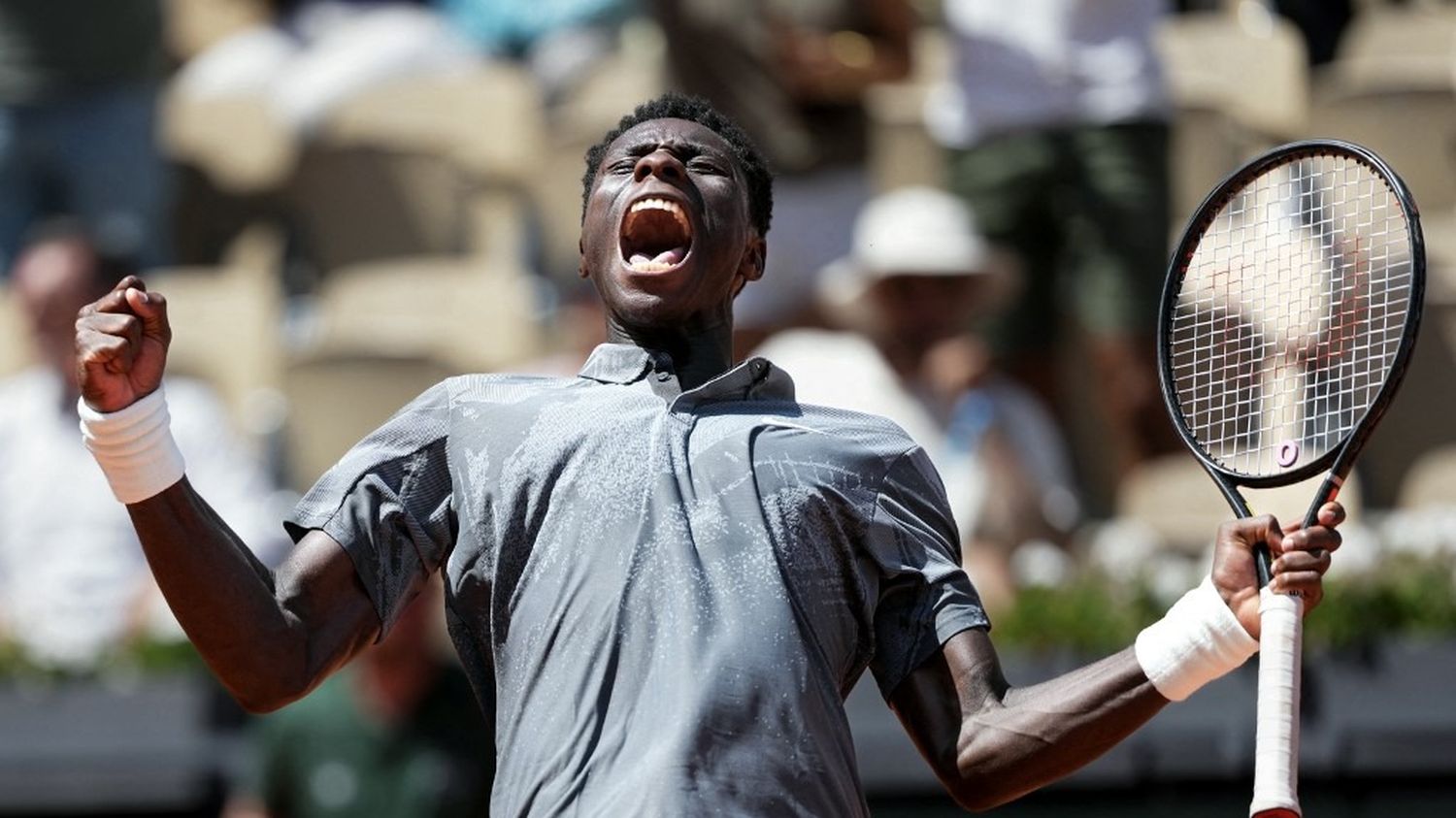
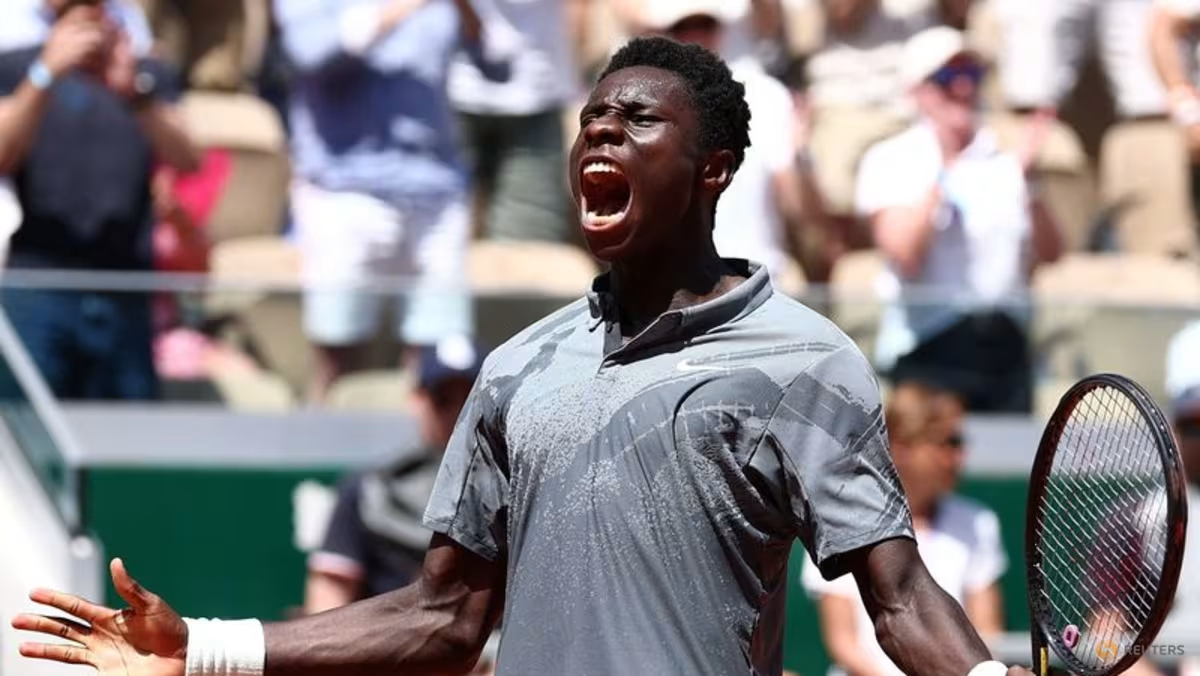
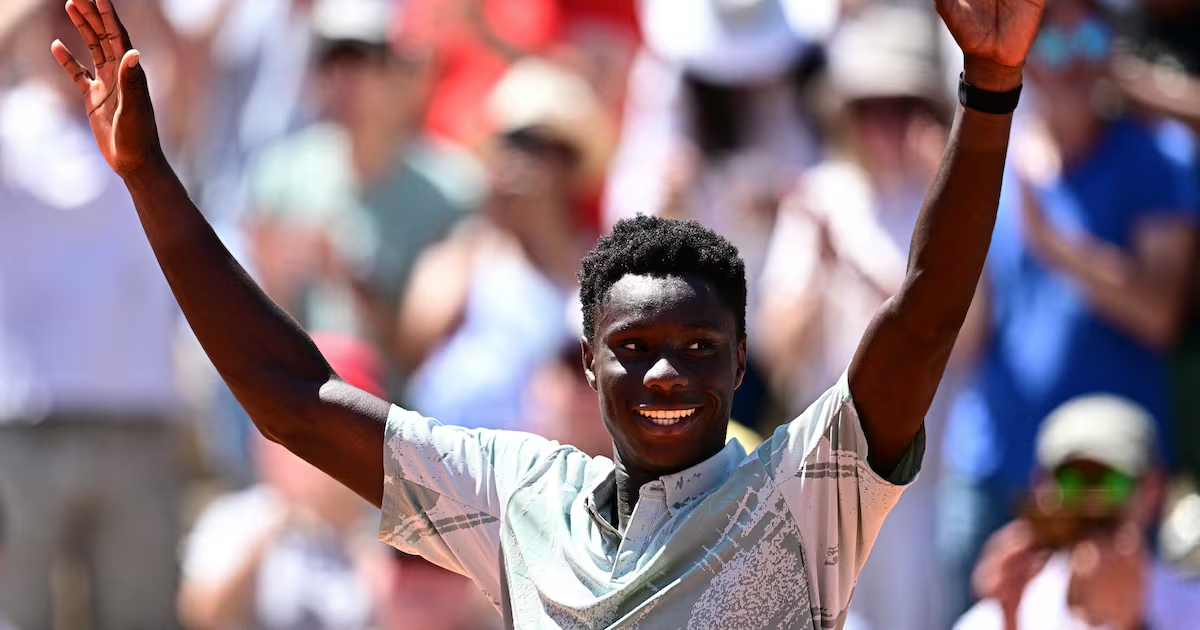
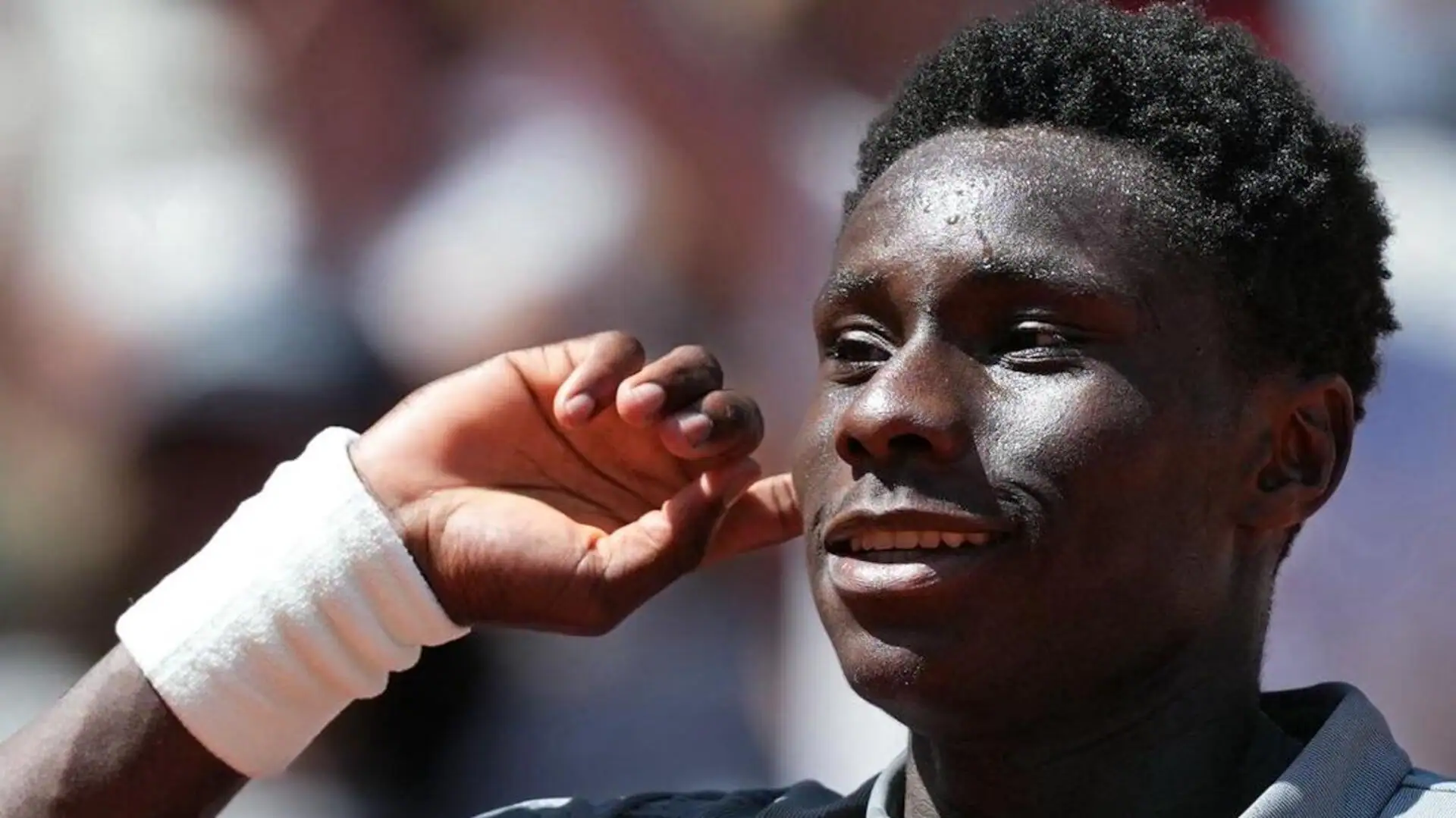
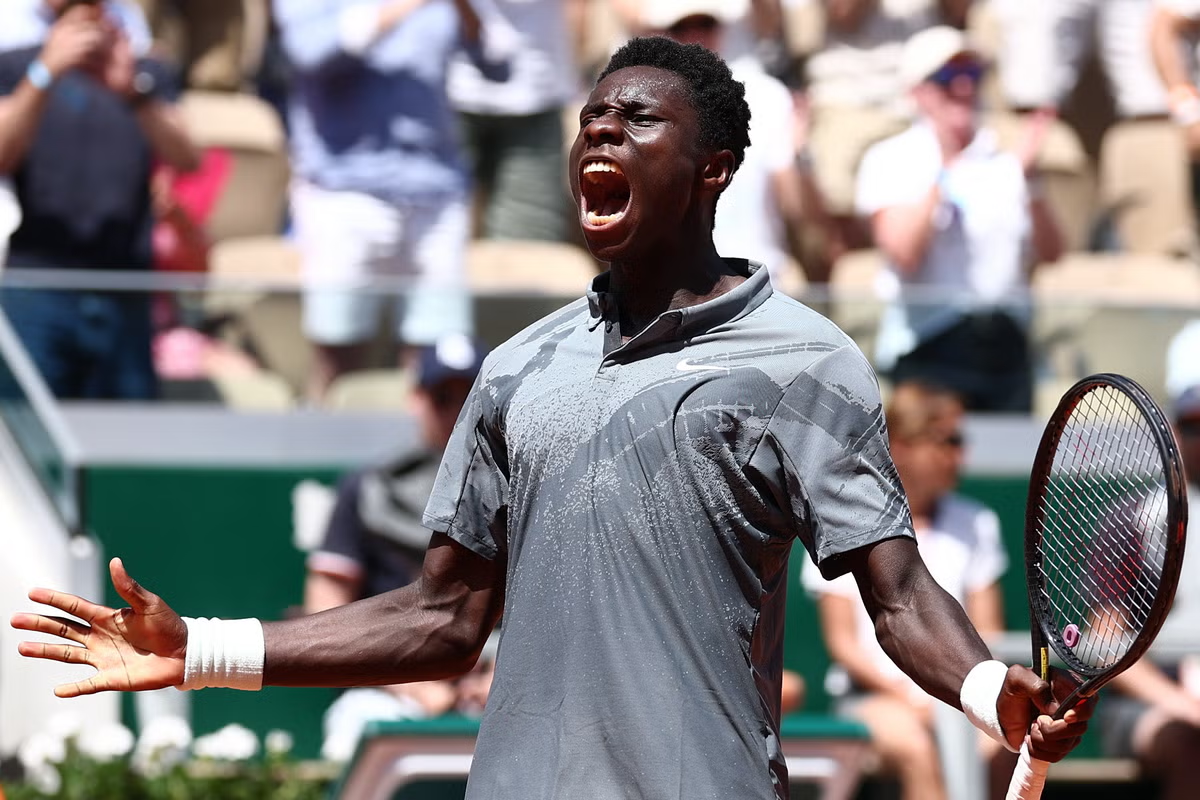
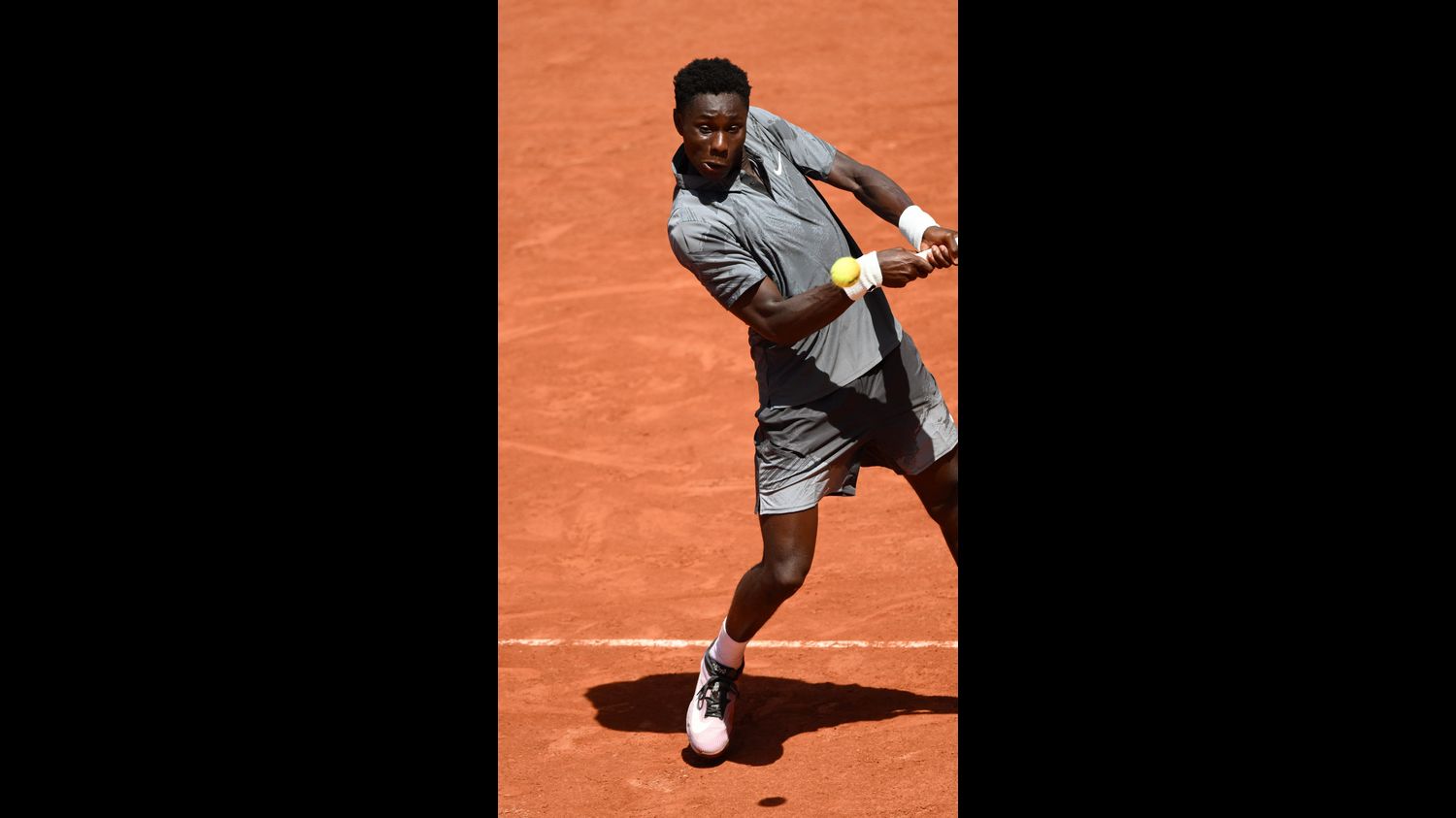
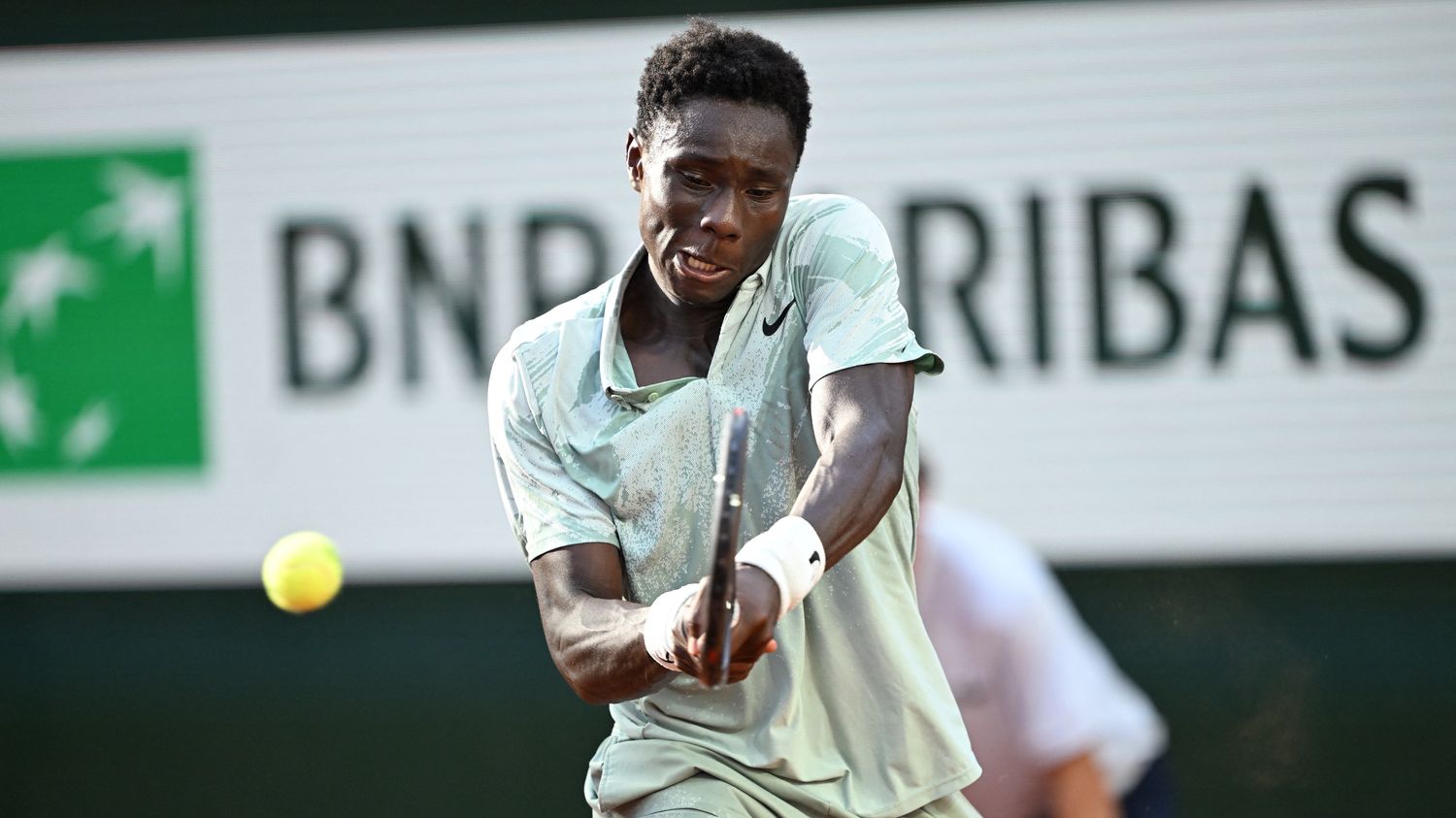
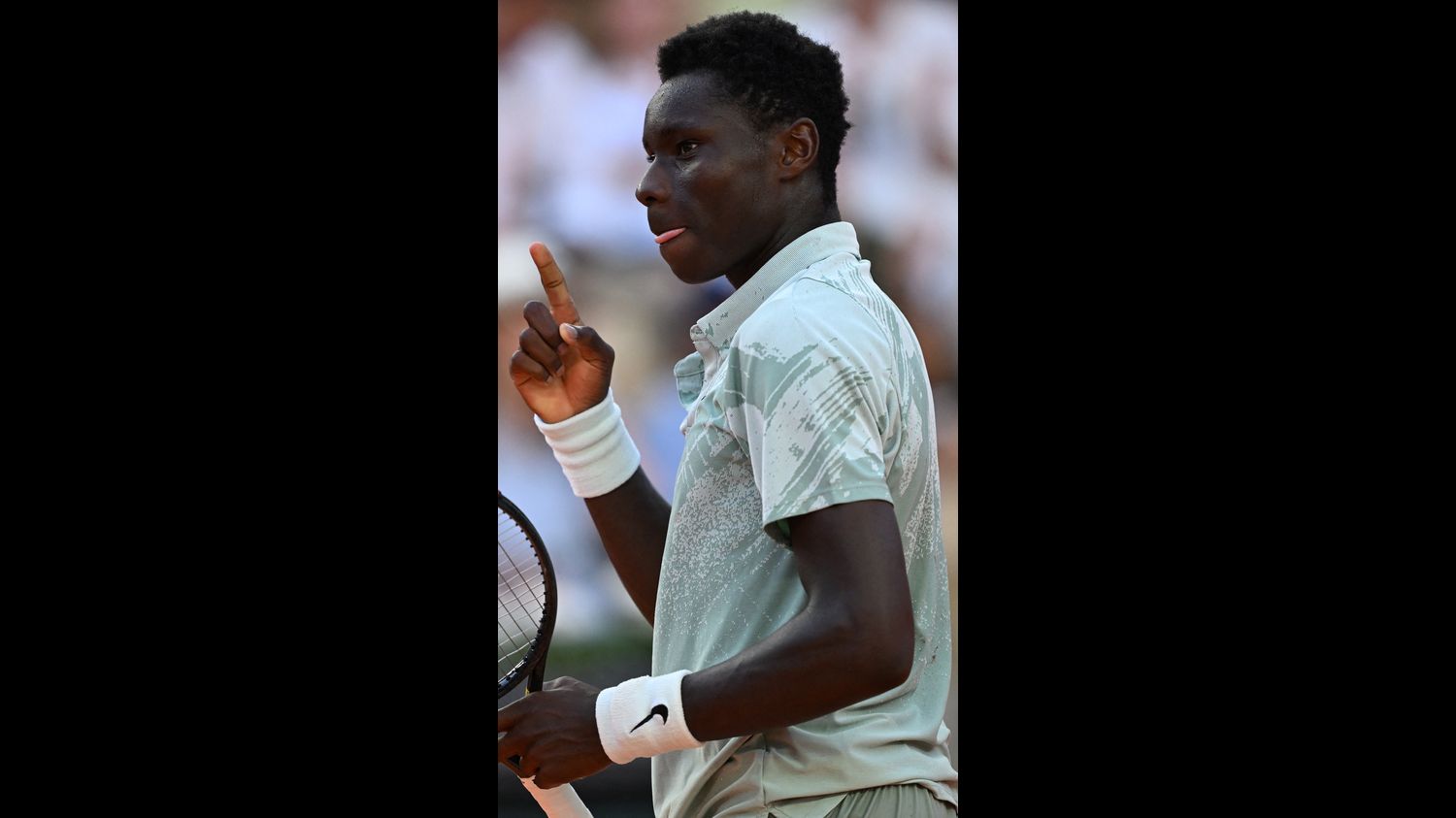
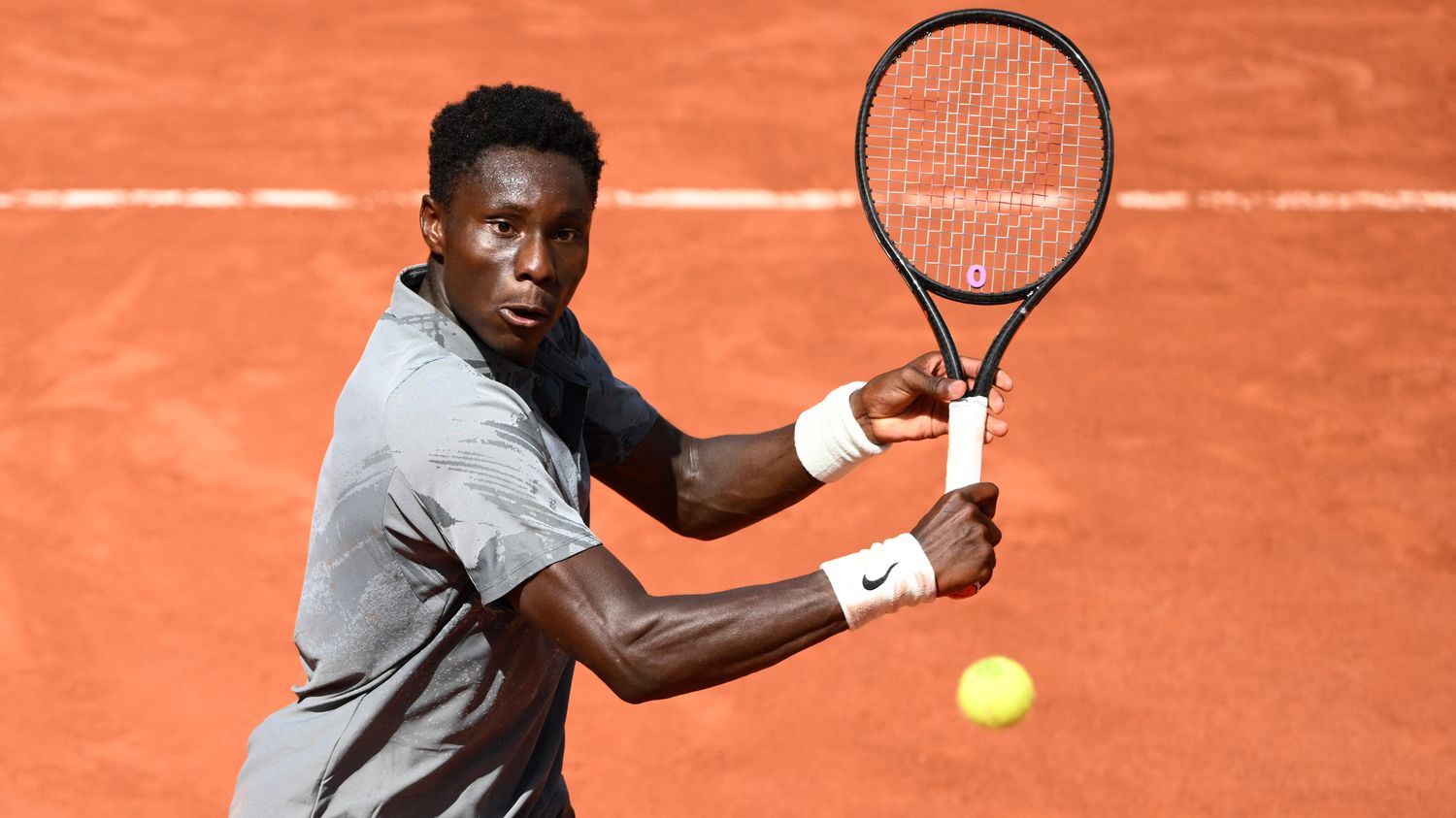
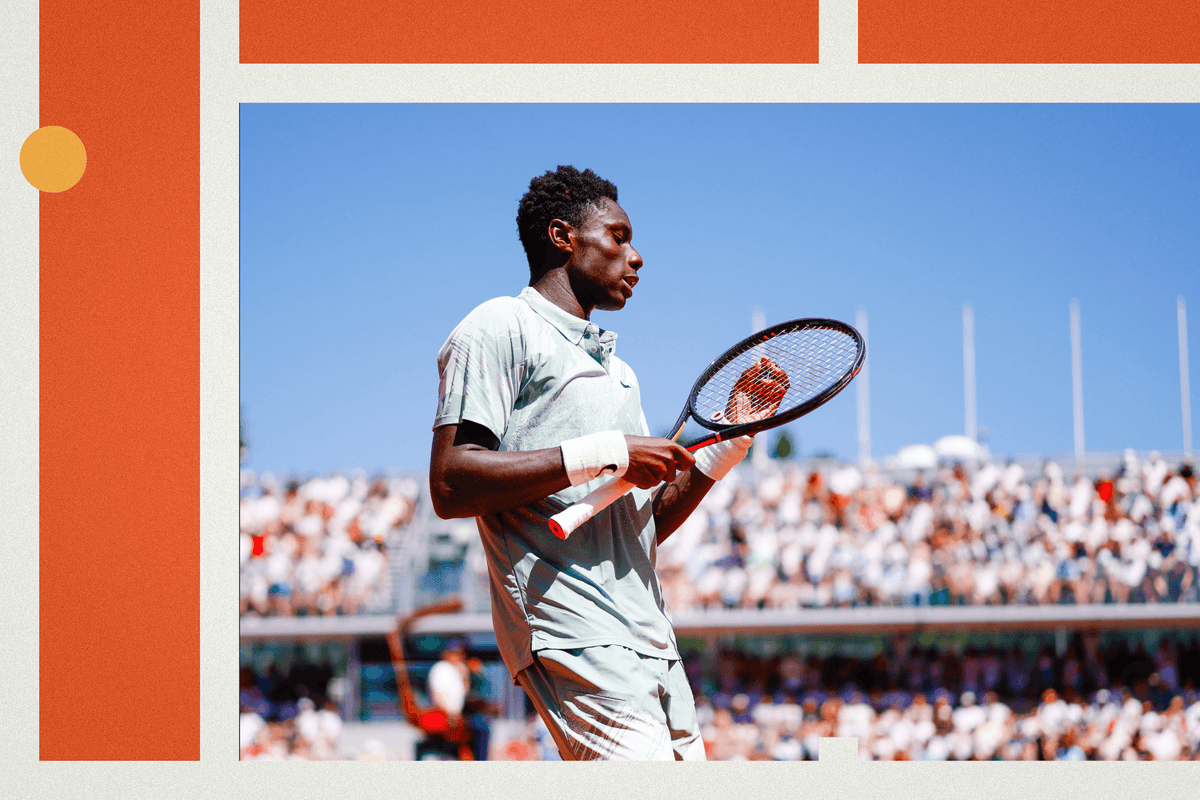
Follow The Athletic’s French Open coverageWelcome to the French Open briefing, where The Athletic explains the stories behind the stories on each day of the tournament.On Day 5, a local favorite kept a dream run going, one player had his racket stolen and on a day of men’s chaos, the women’s seeds said, “No.”How did the Parisian fan favorite stay cool?Moïse Kouame’s knees buckled. He dropped to the floor and lay flat on his back in the shape of a star. The 17-year-old put his hands over his eyes. He thought he was dreaming.The umpire’s reading of the score, 6-3, 7-5, 3-6, 2-6, 7-6(8) over Paraguay’s Adolfo Daniel Vallejo, was barely audible as the French crowd inside Court Suzanne-Lenglen erupted. Kouame, the back of his shirt and black hair stained in red clay, raised his arms to the sky, once again covering his eyes in disbelief. He beat his heart with his fist and screamed at the floor, letting out a guttural roar.At 17 years, two months and 22 days old, Kouame became the youngest player to reach a men’s singles Grand Slam third round since a certain Rafael Nadal at Wimbledon in 2003.A native of Sarcelles, a northern banlieue of Paris, Kouame raced to a two-set lead but was pegged back to two sets all. After such a shift in momentum, many teenagers would have faded. Not Kouame.Then he trailed 5-3, down a break of serve in the fifth set. Many teenagers would have lost. Not Kouame.Then he led 6-1 in the deciding tiebreak, before losing six consecutive points. Did he crumble? Not Kouame.He kept one phrase, inspired by Carlos Alcaraz, in his head: “Never stop believing.”Never before had he played in front of 10,000 fans, never before had he played a match of four hours and 56 minutes, and yet, when he was physically and mentally exhausted, Kouame’s match and crowd management showed maturity beyond his years. He became a showman, pulling out his signature celebration, placing one finger to his ear, the other arm outstretched. He produced stunning shots in tight moments, like this backhand pass two points from defeat:(France TV)“I’m really trying to understand when is the right moment to feel the most energy the crowd is giving me,” the Frenchman said, speaking with ease in front of a packed news conference room.No moment was bigger than at 8-8 in the fifth-set tiebreak, when Kouame displayed precocious shot selection. He chose to play a passing forehand shot, which he placed, as opposed to going for a winner, forcing Vallejo into an error. Then on match point, he opted to serve and volley, executing with efficiency.“On big points you always try to put the ball in the court and win it,” Kouame said. “I’ve put a lot of hours of training into that.”It is common for junior players to have lapses of concentration and intensity. Kouame, who does not work with a sports psychologist but has former world No. 7 Richard Gasquet on his coaching team, has been working on discipline and focus for the past month.“It’s highly impressive,” said Liam Smith, another of his coaches, in a news conference. “It’s unusual for a young player of this age, in this kind of an arena, to be able to do that.”What matters most to Kouame, however, is having fun on court. “People are here to watch the show,” he said. “Not to win the tournament.”But Kouame still dreams of winning Roland Garros, all four Grand Slams and becoming world No. 1 one day. “The longest journey always starts with the first step,” he said. “I hope there will be more steps to come.”Charlotte Harpur How did the top women’s seeds hold the line?The men’s tournament officially became a free-for-all Thursday, after Jannik Sinner went out in the second round. He followed out two top-eight seeds who lost in the first round, Daniil Medvedev (8) and Taylor Fritz (7). Then No. 6 seed Ben Shelton followed Sinner, losing to Belgium’s Raphaël Collignon in three sets to end play on Court Suzanne-Lenglen.The women’s seeds, on the other hand, held the line. Defending champion and No. 4 seed Coco Gauff mostly cruised, even though she struggled to hold serve at moments, beating qualifier Mayar Sherif of Egypt 6-3, 6-2. Aryna Sabalenka, the top seed and last year’s beaten finalist, played a tight first set against Elsa Jacquemot of France, but ran away in the second to prevail 7-5, 6-2.Amanda Anisimova (6) benefited from Julia Grabher retiring due to illness after the American won the first set 6-0, while Victoria Mboko (9) survived a close encounter with the Czech Republic’s Kateřina Siniaková, prevailing 5-7, 6-4, 6-2.In all, eight of the top 10 women’s seeds have made it to the third round, a reasonably high number given the unpredictability and depth of women’s tennis. On Friday, Iga Świątek, Mirra Andreeva, Elina Svitolina and Karolina Muchová will try to keep the roll going at the top of the ladder.— Matt FuttermanHow did Frances Tiafoe find his lost racket?Frances Tiafoe had his racket taken out of his hand Thursday — literally.After his 6-7(5), 7-6(5), 6-4, 6-7(1), 6-4 win over Hubert Hurkacz that stretched nearly five hours, the No. 19 seed ran to the side of the court to celebrate by hugging the fans sitting courtside on Court 14. The American didn’t realize he’d lost his racket in the exuberant fray until he turned and walked back to the net to shake Hurkacz and the umpire’s hand.“Both my hands were getting locked in, right, so I’m like, ‘OK.’ After a while there, I’m like, ‘All right, man, all right, guys, I’ve gotta get out of this.’ … I mean, they were locking me in. I thought I was going to fall into the crowd at one point. But it was fun, it was a cool moment,” Tiafoe said with a wide grin in his news conferenceHe paused.“But I actually need that racket.”
French Open Day 5 recap: Moïse Kouame thrills again in statement comeback win
The 17-year-old's performance in his second-round match blended exuberance with maturity.
2,047 words~9 min read