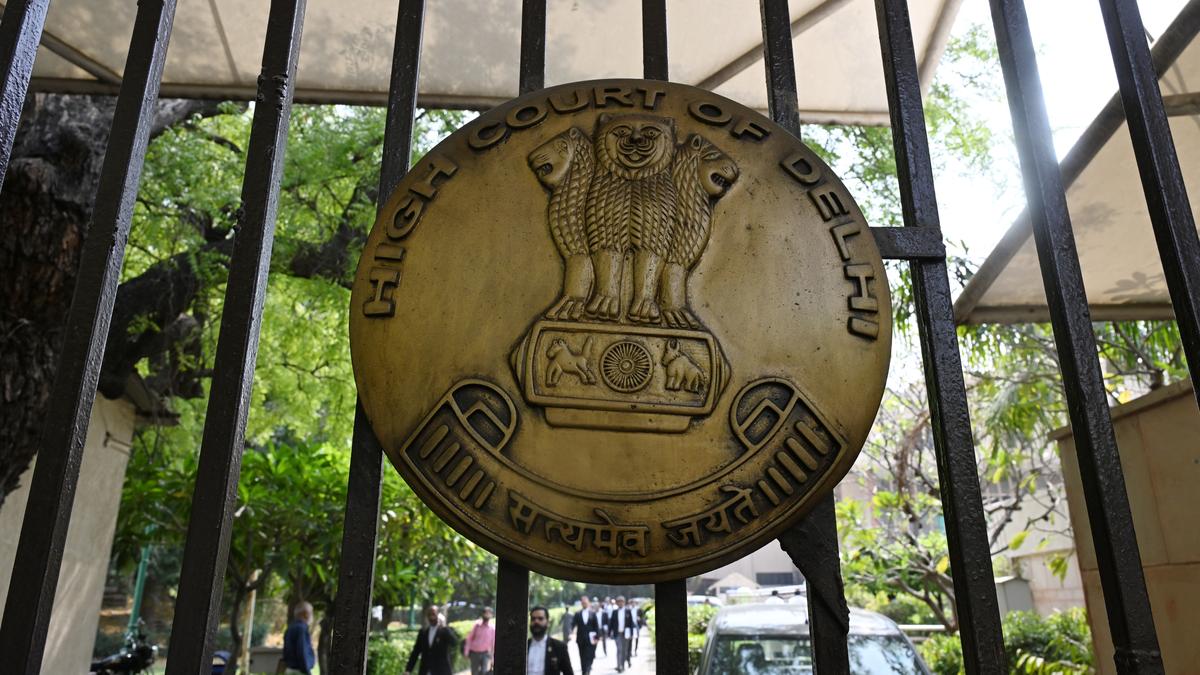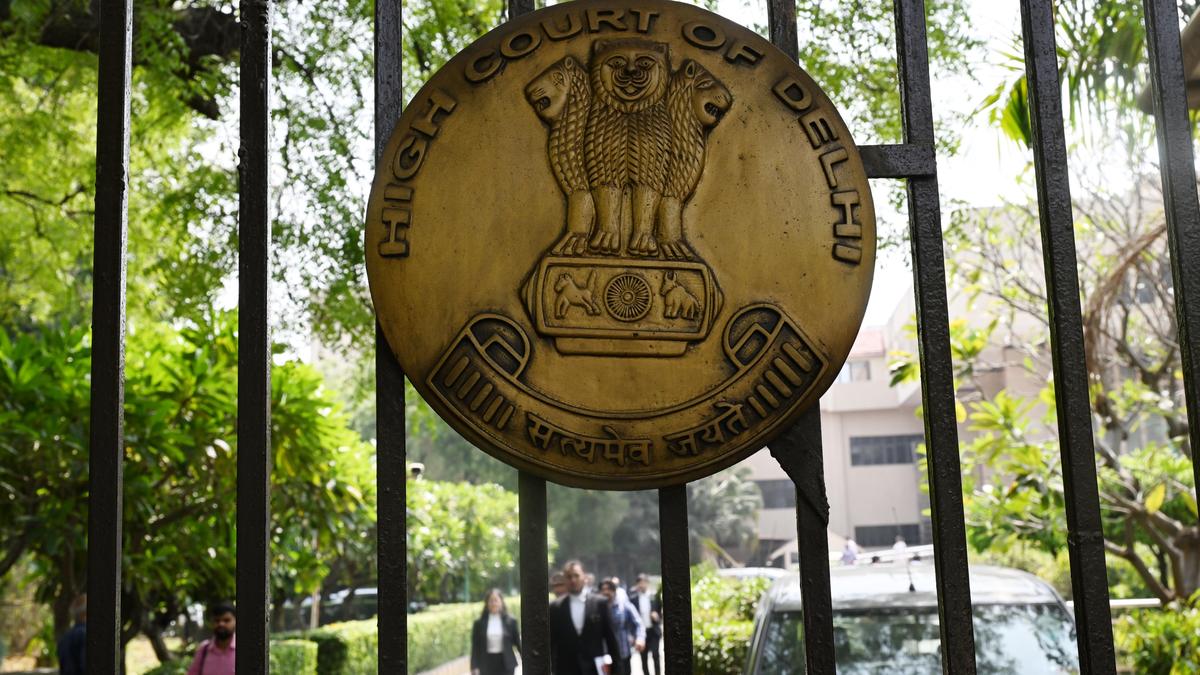
The Delhi high court has held that subsequent marital disputes or acrimony cannot justify reviving a rape case that was quashed after an amicable settlement and marriage between the parties.The court added that matrimonial relationships may deteriorate after marriage due to a variety of circumstances and such disputes cannot automatically invalidate earlier judicial orders. (HT Archive)Justice Amit Mahajan, in an order released on May 22, observed that allowing concluded criminal proceedings to be reopened after later matrimonial discord would defeat the very purpose of the law permitting courts to quash private and matrimonial disputes based on voluntary settlements.“If every subsequent matrimonial disagreement, breakdown of marriage, or allegation arising after quashing were permitted to revive concluded criminal proceedings, no order passed on the basis of settlement or reconciliation would ever attain finality,” the court said.The court was hearing an application filed by a woman seeking recall of an order passed six months earlier, which had quashed a rape case after she informed the court that the dispute had been amicably resolved following her marriage to the accused.“The subsequent matrimonial disputes and acrimony sought to be projected by either side cannot enlarge the limited jurisdiction of this court in a recall application, and even commission of fresh offences cannot automatically lead to the inference that the settlement recorded earlier or the judicial order passed thereupon stood vitiated ab initio by fraud,” the court said.The court added that matrimonial relationships may deteriorate after marriage due to a variety of circumstances and such disputes cannot automatically invalidate earlier judicial orders passed on the basis of voluntary settlements.In the present case, the woman lodged a rape case against the man on May 29, 2024. The two married two days later, following which the man approached the court seeking quashing of the FIR on the ground that the dispute had been amicably resolved. The court quashed the case on December 3, 2024.The woman later sought recall of the order, alleging that it had been secured through fraud, coercion and misrepresentation.She contended that she had consented to the quashing only after assurances from her husband’s family that the marriage would be honoured and that she would lead a dignified married life. However, she alleged that her husband’s subsequent conduct showed that the marriage had been entered into merely to evade criminal prosecution.According to her, soon after the FIR was quashed, she was subjected to physical violence, emotional abuse, financial exploitation and repeated threats, demonstrating that her husband never genuinely intended to sustain the marriage.Opposing the plea, the husband argued that the quashing order had been passed after recording the parties’ voluntary statements and that a legally wedded husband could not be retrospectively prosecuted for rape based on a promise that had already been fulfilled through marriage.He further argued that the allegations raised by the woman related entirely to post-quashing matrimonial discord and could not retrospectively invalidate a judicial order.Dismissing the woman’s application, the court observed that the case had not been quashed solely on future assurances of matrimonial harmony. It noted that the woman had personally appeared before the court and unequivocally stated that she had been in a consensual relationship with the man and had lodged the case due to misunderstandings arising after he initially refused to marry her.The court also noted her acknowledgement that the marriage had already been solemnised before the quashing order was passed.“The order dated 03.12.2024 was not founded merely upon a speculative expectation of future matrimonial harmony but upon contemporaneous statements voluntarily made before the court coupled with the admitted factum of marriage between the parties,” the court said.
Delhi HC: Marital discord no ground to revive quashed rape case
The court was hearing a woman’s plea seeking recall of an order quashing a rape case after she married the accused and informed the court that the dispute had been amicably resolved | Latest News Delhi
598 words~3 min read