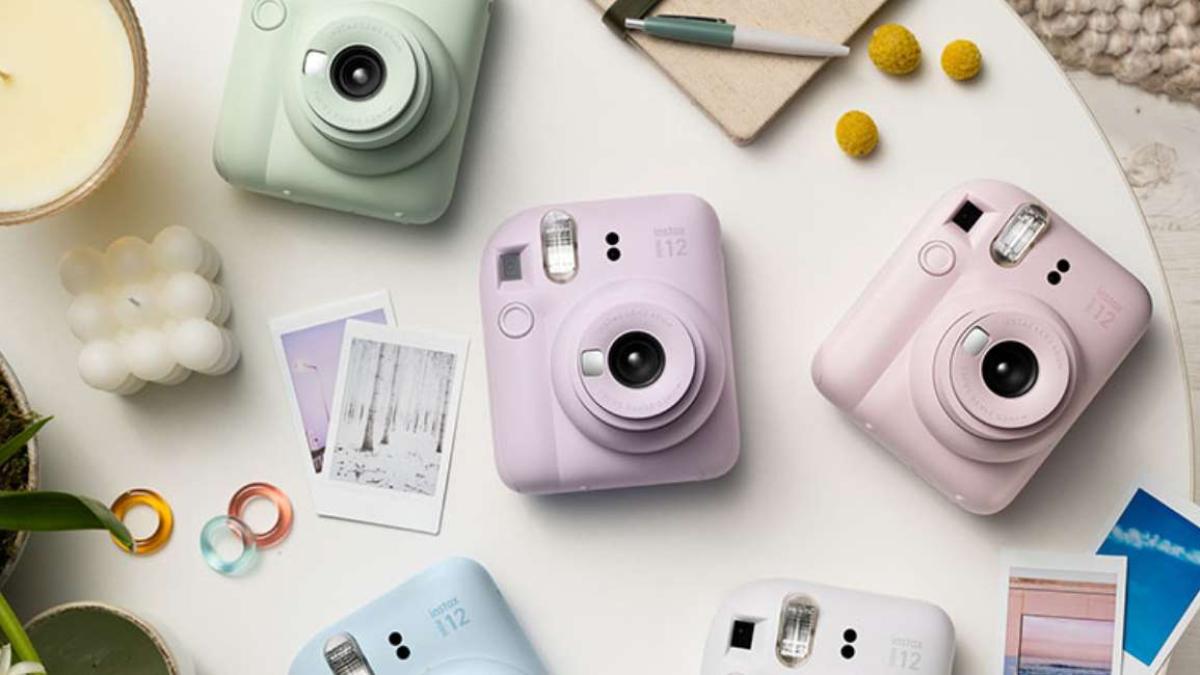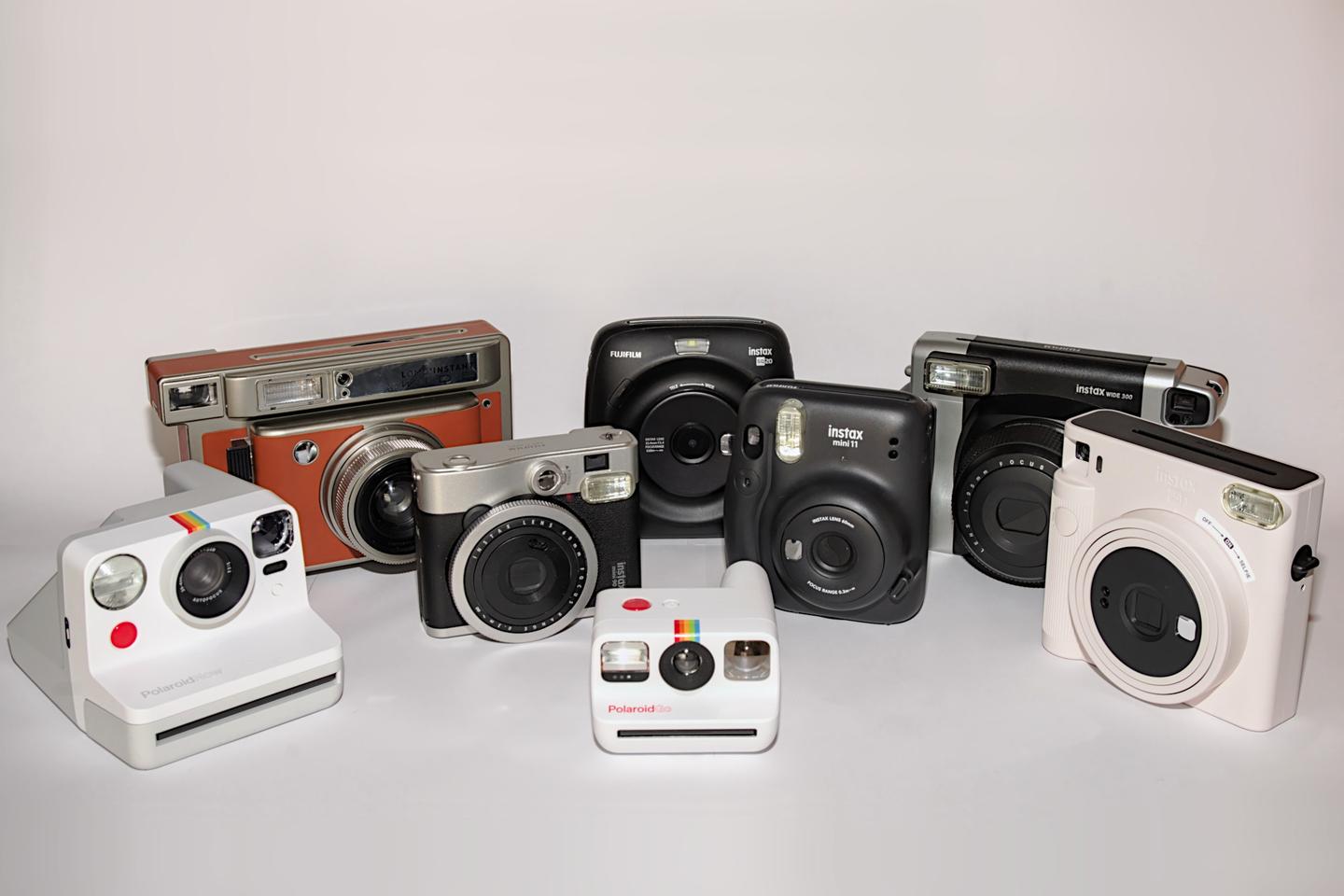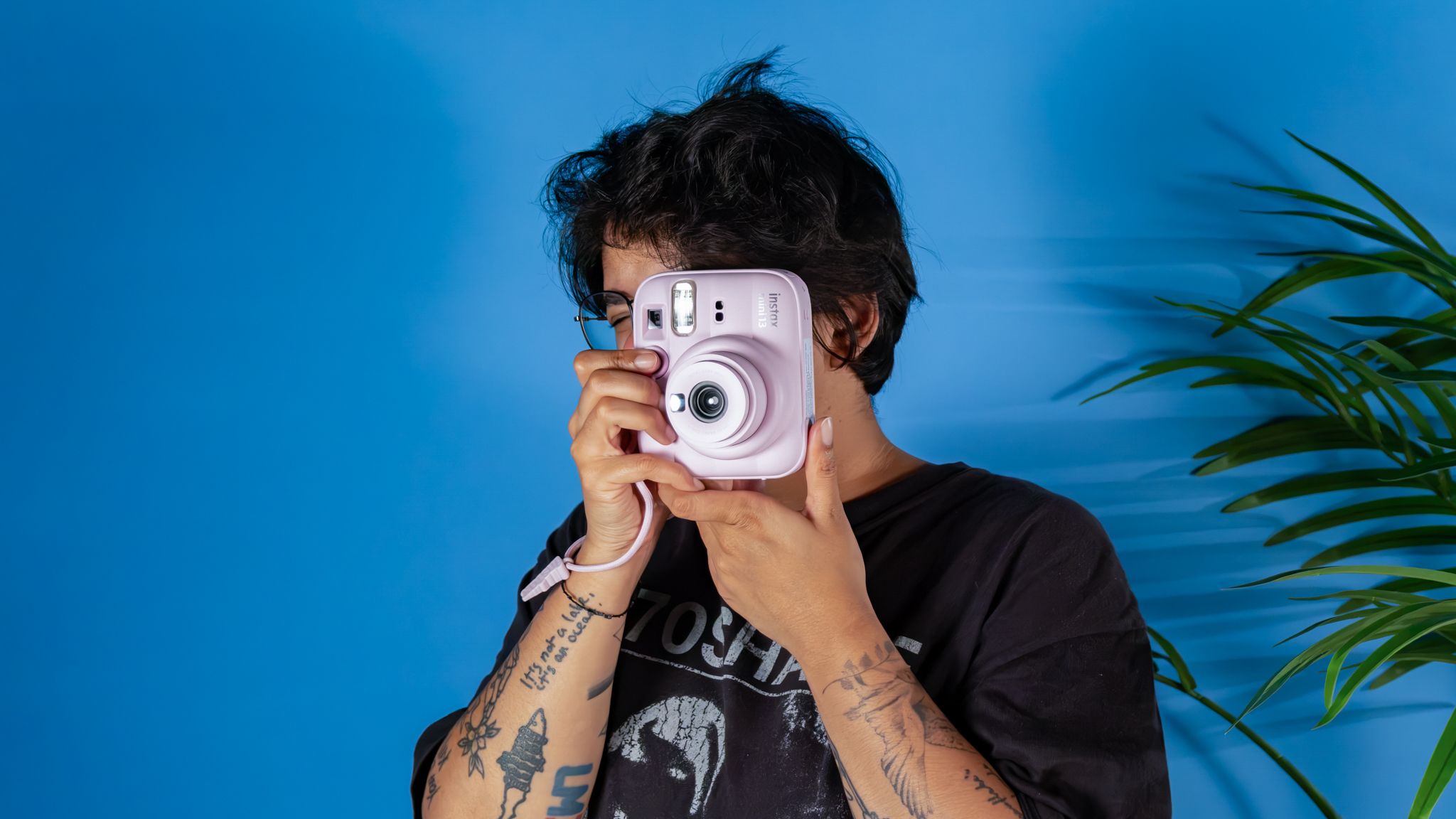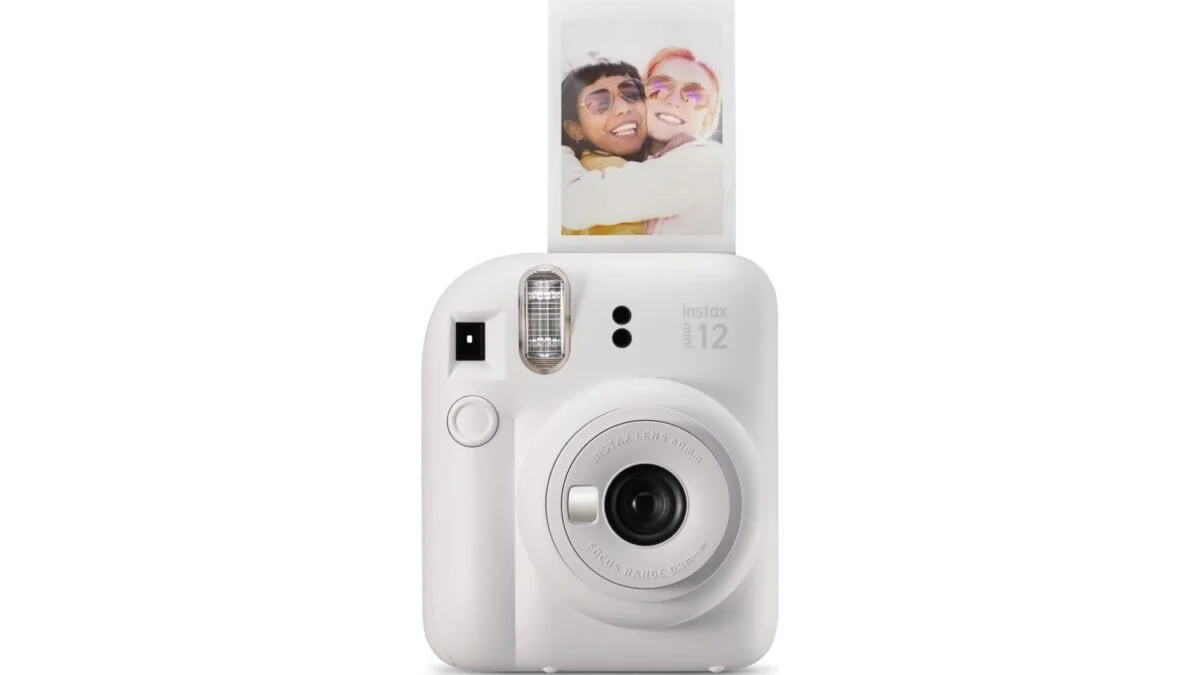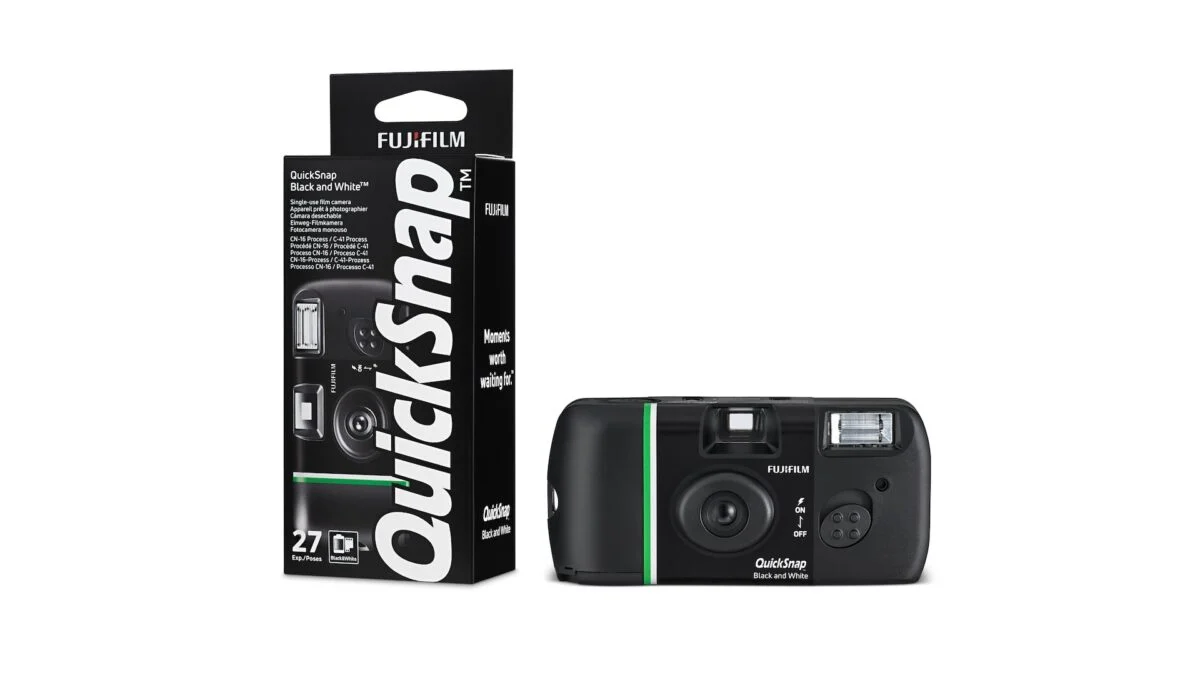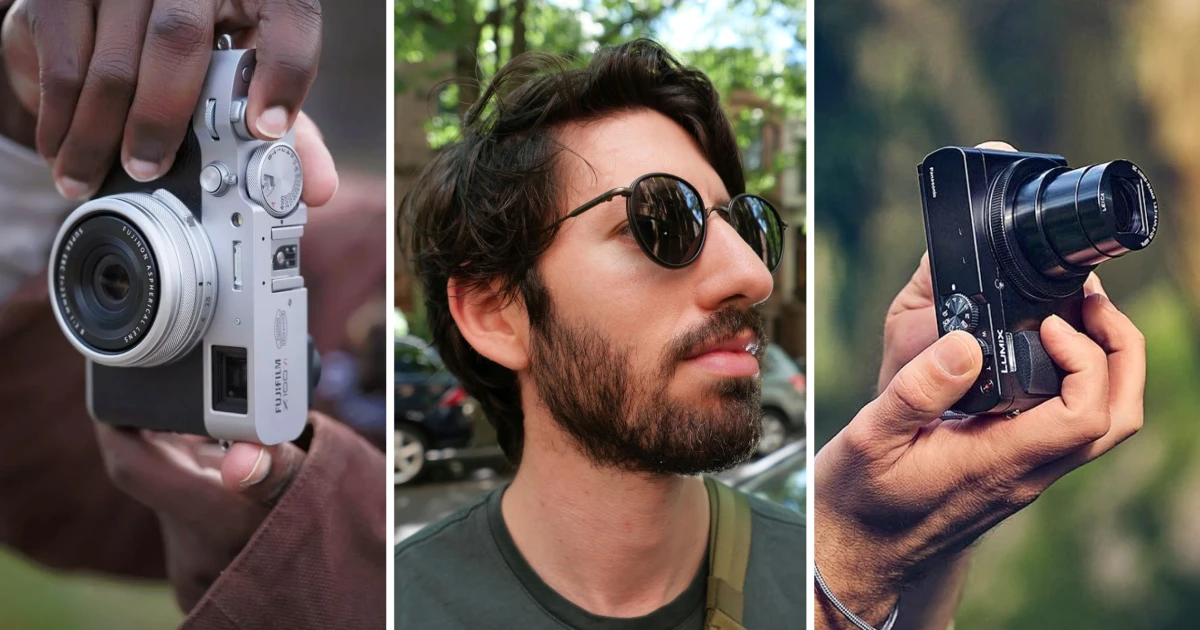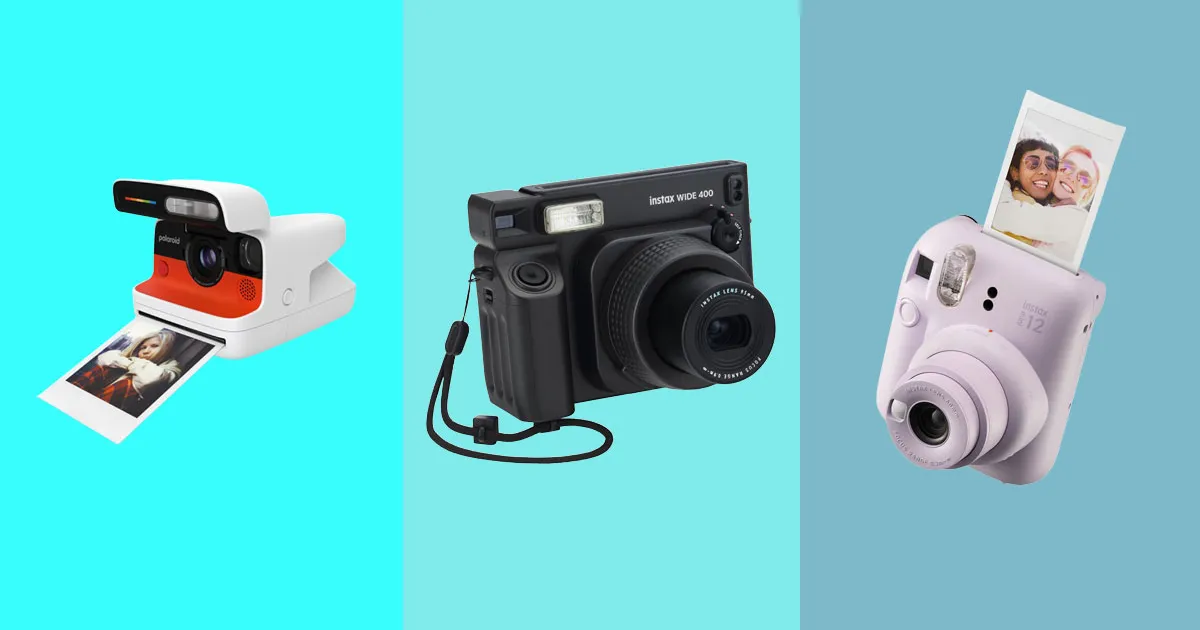
Instant cameras were revolutionary because they could process their own film in just minutes, something that seemed magical in the pre-digital era. Today they represent something different: an alternative to digital perfection, something tangible, expressive, and analog that can’t be captured on a smartphone screen.
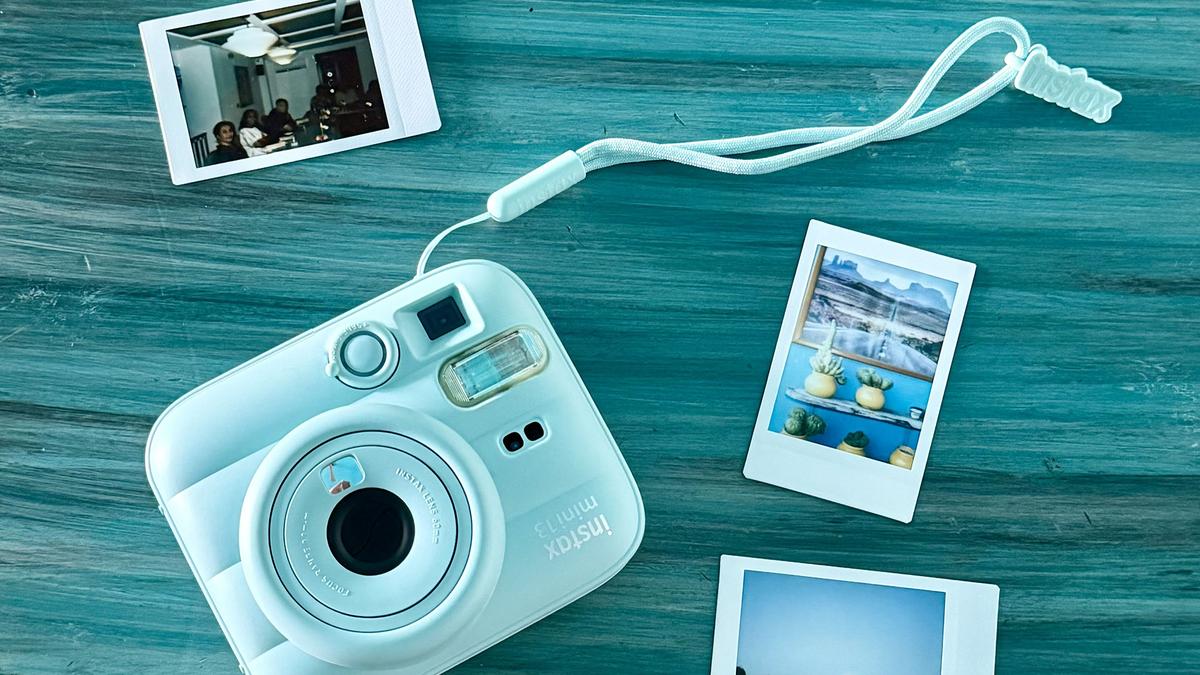
Today’s craze was kicked off by Instax — Japanese photography giant Fujifilm’s instant-camera division — when the company brought instant photography back into the mainstream in the 1990s and 2000s with a small, cheap, reliable line of cameras and film that grabbed the attention of a generation saturated with digital images. It filled the gap left by Polaroid, the venerable company that introduced instant photography back in the 1940s and filed for bankruptcy in 2001. But the competition intensified when a Dutch company formerly known as the Impossible Project resurrected the brand’s film format in 2008 and eventually bought the name and even launched a new line of Polaroid cameras.
There’s more choice in instant photography than ever, and it’s easier than ever to get started — and to reap the rewards of this intensely analog form. “Unlike anything possible with a digital camera or an image prompt, instant film brings an alchemic mix of truth, humanity, one-of-a-kind imagery, and a dance between photographer and chemistry that all happens very much offline,” say Ben Fraternale, a filmmaker and proprietor of the YouTube account In an Instant.