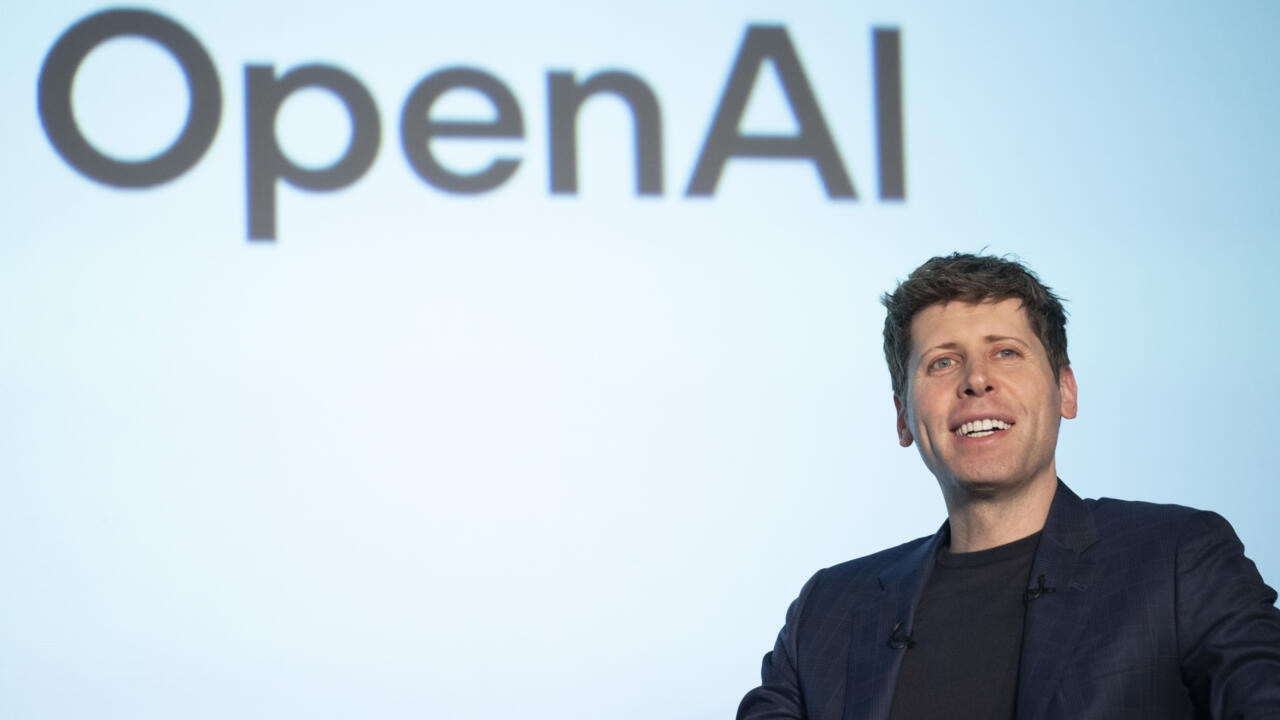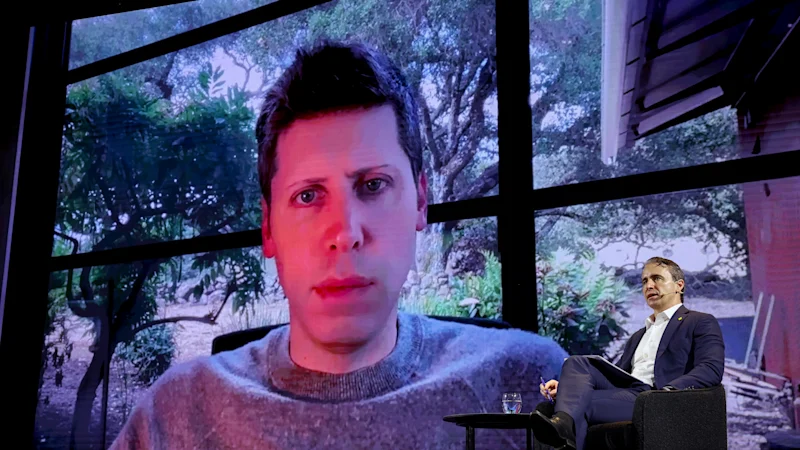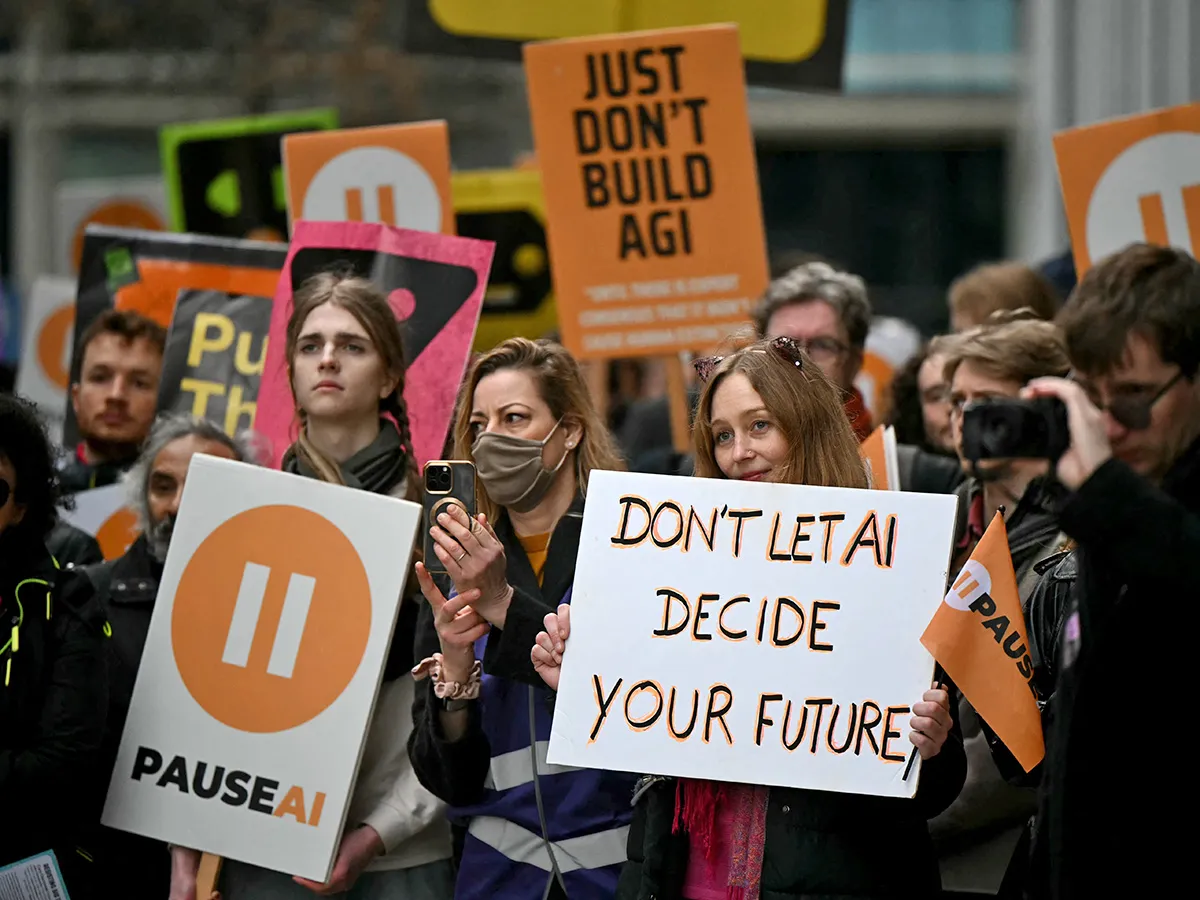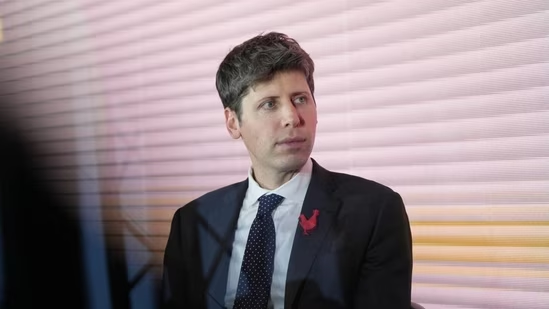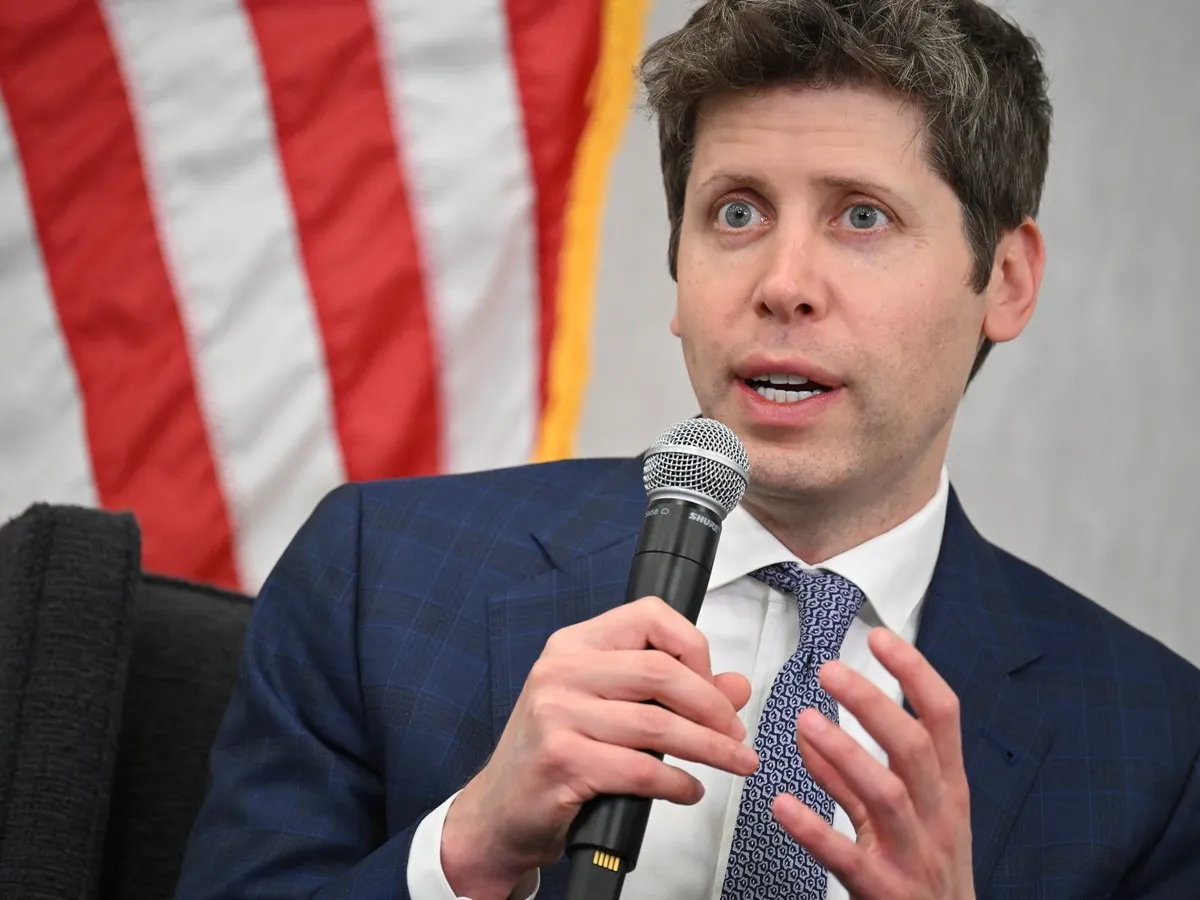
Skip to Content Subscribe Our Offers My Account Manage My Subscriptions FAQ Newsletters Canada Canadian True Crime Canadian Politics Health World Israel & Middle East Financial Post NP Comment Longreads Puzzmo Diversions Comics NP News Quiz New York Times Crossword Horoscopes Life Eating & Drinking Style Sponsored Play for Ontario Travel Travel Canada Travel USA Travel International Cruises Travel Essentials Culture Books Celebrity Movies Music Theatre Television Business Essentials Advice Lives Told Tails Told Shopping Buy Canadian Home Living Outdoor Living Tech Style & Beauty Kitchen & Dining Personal Care Entertainment & Hobbies Gift Guide Travel Guide Deals Savings National Post Store More Sports Hockey Baseball Basketball Football Soccer Golf Tennis Driving Vehicle Research Reviews News Gear Guide Obituaries Place an Obituary Place an In Memoriam Classifieds Place an Ad Celebrations Working Business Ads Archives Healthing Epaper Manage Print Subscription Profile Settings My Subscriptions Saved Articles My Offers Newsletters Customer Service FAQ Newsletters Canada World Financial Post NP Comment Longreads Puzzmo Diversions Life Shopping Epaper Manage Print Subscription HomeNewsWorldAI purveyors are changing their tune on the job apocalypse. Should they be believed?AI’s reappraisal comes after the drastic reductions in headcounts that were promised have largely failed to materializeLast updated 0 minutes ago You can save this article by registering for free here. Or sign-in if you have an account.OpenAI CEO Sam Altman speaks at the Federal Reserve in Washington, DC, on July 22, 2025. Photo by MANDEL NGAN /AFP via Getty ImagesThe doom-laden warnings of mass AI-driven joblessness may have been overstated, the technology’s biggest proponents are now saying.Enjoy the latest local, national and international news.Exclusive articles by Conrad Black, Barbara Kay and others. Plus, special edition NP Platformed and First Reading newsletters and virtual events.Unlimited online access to National Post.National Post ePaper, an electronic replica of the print edition to view on any device, share and comment on.Daily puzzles including the New York Times Crossword.Support local journalism.Enjoy the latest local, national and international news.Exclusive articles by Conrad Black, Barbara Kay and others. Plus, special edition NP Platformed and First Reading newsletters and virtual events.Unlimited online access to National Post.National Post ePaper, an electronic replica of the print edition to view on any device, share and comment on.Daily puzzles including the New York Times Crossword.Support local journalism.Create an account or sign in to continue with your reading experience.Access articles from across Canada with one account.Share your thoughts and join the conversation in the comments.Enjoy additional articles per month.Get email updates from your favourite authors.Create an account or sign in to continue with your reading experience.Access articles from across Canada with one accountShare your thoughts and join the conversation in the commentsEnjoy additional articles per monthGet email updates from your favourite authorsSign In or Create an AccountorOpen AI CEO Sam Altman is “delighted to be wrong” about the impact AI would have on the economy, he said at a conference in Sydney earlier this week. “I don’t think we’re going to have the kind of jobs apocalypse that some of the companies in our space advocate or talk about,” he said in the virtual interview.“I’m delighted to be wrong about this, I thought there would have been more impact on entry-level white-collar jobs being eliminated by now than has actually happened,” Altman told Matt Comyn, the CEO of the Commonwealth Bank of Australia, which sponsored the AI conference. “I now think I understand more about why it hasn’t, and I’m obviously grateful, but that is an area where my intuitions were just off.”Get a dash of perspective along with the trending news of the day in a very readable format.By signing up you consent to receive the above newsletter from Postmedia Network Inc.A welcome email is on its way. If you don't see it, please check your junk folder.The next issue of NP Posted will soon be in your inbox.We encountered an issue signing you up. Please try againSimilarly, Dario Amodei, the CEO of Anthropic, has offered a positive reassessment of his thinking on what an automated future would look like. Instead of eliminating half of white-collar jobs as he previously claimed, Amodei now says that AI would be a productivity booster.“If you automate 90 per cent of the job, then everyone does the 10 per cent of the job,” he said earlier this month. “And the 10 per cent kind of expands to be 100 per cent of what people do and kind of 10 times their productivity.”The change in tone also coincides with plans for OpenAI and Anthropic to go public. With both companies seeking valuations north of $1 trillion, they will need broader buy-in. Public sentiment against AI has also notably shifted, as commencement speakers who tout the technology found out in universities across the U.S. this graduation season after being met with boos, eye rolls and slow-motion head shakes from their young audiences.AI’s reappraisal comes after the drastic reductions in headcounts that were promised have largely failed to materialize.“There haven’t been any dire consequences for jobs over the last year, despite AI models getting to levels that their CEOs thought might actually have an impact,” said Joshua Gans, Jeffrey S. Skoll Chair of Technical Innovation and Entrepreneurship and professor at the University of Toronto.“I think when they were making these pronouncements a year ago, they were talking about the stuff that we now have in our hands,” he told National Post in an interview.A study earlier this year by the U.S. National Bureau of Economic Research found that those whose jobs were most exposed to AI adoption were well placed to transition their skills to find new work. The study analyzed 356 occupations and found that among the 37 million who scored highest in AI exposure, 26.5 million were able to adapt in the event of job loss.Workers with higher pay and post-secondary education requirements, such as managers and computer specialists, were considered to be among the most exposed but better suited to transfer their skills. But, the study found that the disruption would not be even. The 6.1 million workers in high-vulnerability roles were concentrated in clerical, administrative and assistance roles and disproportionately female (81.3 per cent compared to 48 per cent in other occupations).U.S. companies cited AI in nearly 50,000 job cuts this year, the outplacement firm Challenger, Gray & Christmas reported in early May. It’s well on track to exceed the 49,000 layoffs reported in all of last year.Our website is the place for the latest breaking news, exclusive scoops, longreads and provocative commentary. Please bookmark nationalpost.com and sign up for our daily newsletter, Posted, here. Join the Conversation This website uses cookies to personalize your content (including ads), and allows us to analyze our traffic. Read more about cookies here. By continuing to use our site, you agree to our Terms of Use and Privacy Policy.
AI purveyors are changing their tune on the job apocalypse. Should they be believed?
AI’s reappraisal comes after the drastic reductions in headcounts that were promised have largely failed to materialize.
TL;DRAI
Altman (OpenAI) and Amodei (Anthropic) reversed mass-layoff predictions; Amodei now frames AI as a 10x productivity multiplier rather than a white-collar job eliminator. The pivot coincides with $1T+ IPO plans for both firms — enterprises should adjust AI ROI and change-management narratives accordingly.
1,133 words~5 min read