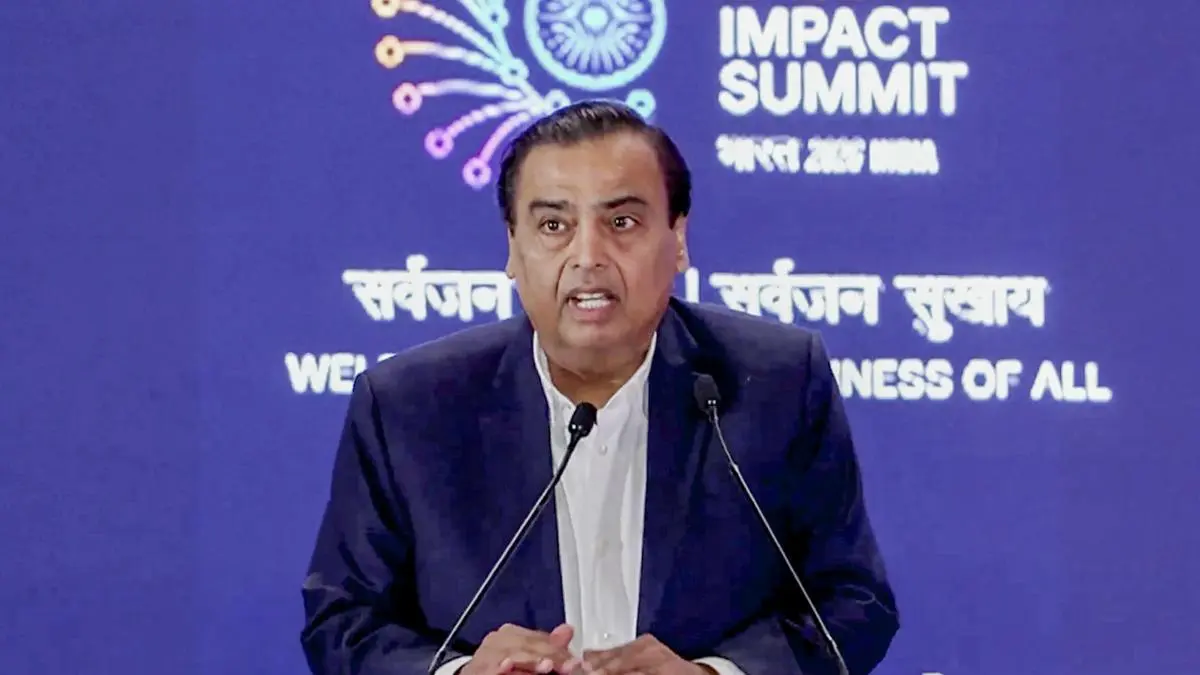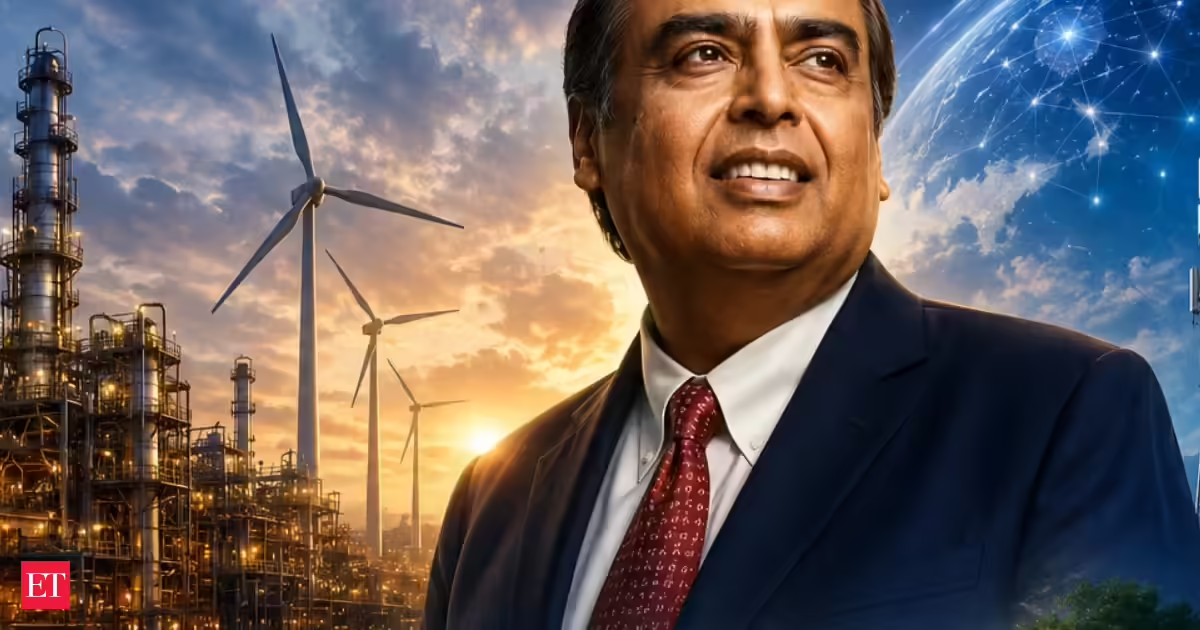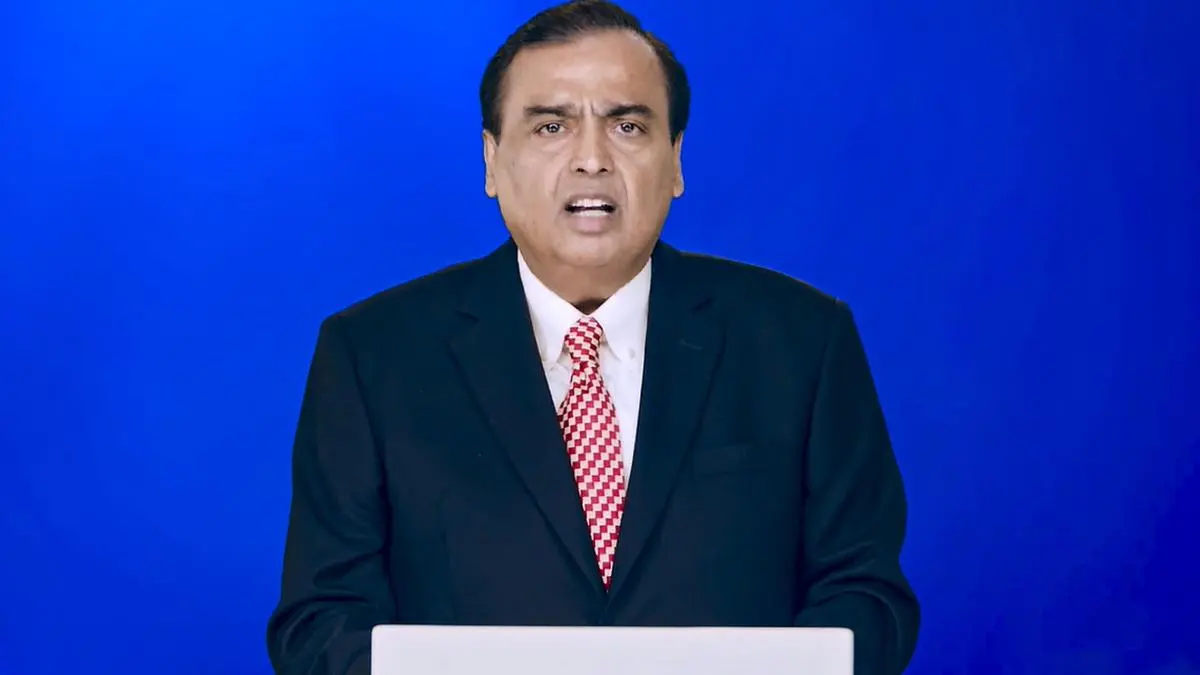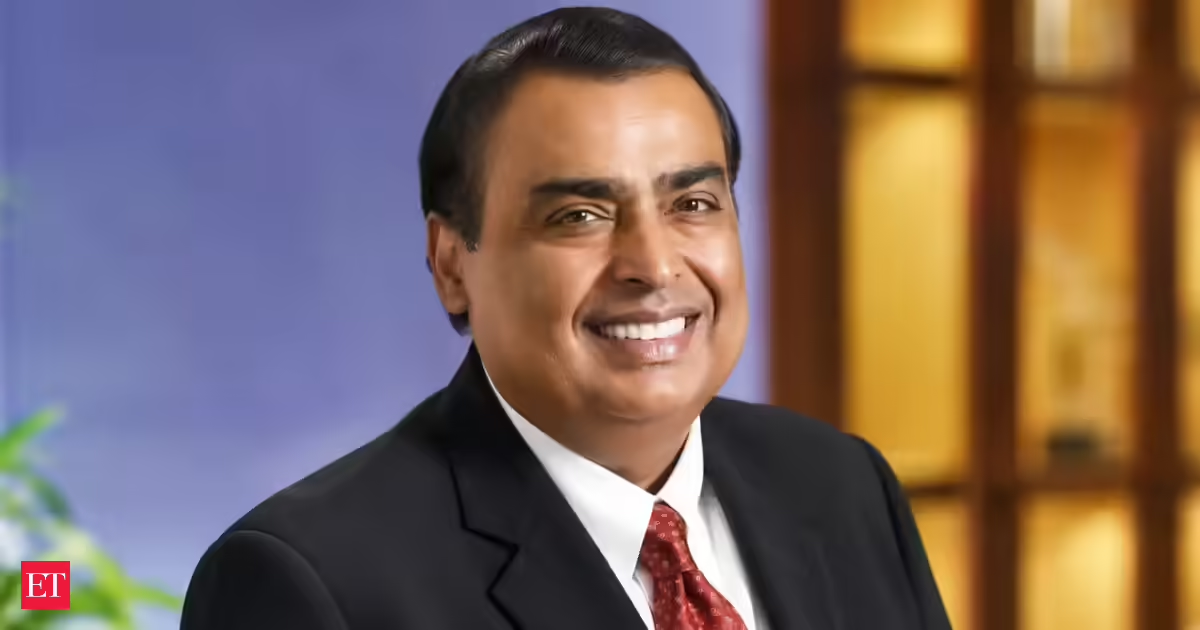
Mumbai: Reliance Industries has placed Jio Platforms at the centre of its future growth strategy, with chairman and managing director Mukesh Ambani outlining a vision for the company built around AI, digital infrastructure, and clean energy.In his annual letter to shareholders accompanying RIL's FY26 annual report, Ambani said Jio is evolving beyond a telecom operator into a global technology platform focused on connectivity, cloud computing, AI, and digital services.Also read: Mukesh Ambani forgoes salary for sixth straight year as Reliance clocks record profitHe said RIL is taking steps to strengthen Jio's institutional framework and explore strategic options that could widen stakeholder participation.Ambani described the current global environment as a "once-in-a-generation transformation" shaped by geopolitical tensions, changing supply chains, energy transition, and the rapid rise of AI. "Jio represents one of the most significant transformations in India's corporate history-and its journey is still unfolding," he said, positioning the telecom-to-digital platform as a key driver of RIL's future growth.ET BureauJio evolving into a global tech platform,looks to widen stakeholder participation: ChairmanAdditionally, RIL reiterated its focus on renewable energy and energy independence through its Green Energy Giga Complex. The company is building integrated capabilities across solar photovoltaic manufacturing, energy storage, and green energy infrastructure as part of its broader clean energy ambitions.RIL said it continues to transform its oil-to-chemicals business towards higher-value materials and future-ready applications in line with an evolving global energy landscape.Ambani emphasised that RIL was built to anticipate and shape change rather than merely react to it. "This is India's decade-not by chance, but by choice and conviction," he told the shareholders, linking the company's long-term ambitions closely with India's economic rise and digital transformation.RIL warned that global oil demand growth is expected to stay sluggish due to elevated crude prices, economic slowdown, and continuing geopolitical tensions in the Gulf."Refinery and oil infrastructure damages, which caused product supply losses, are likely to take a longer period to recover, resulting in continual volatility in the market," the company said. The outlook for FY27 also remains "extremely vulnerable" to geopolitical, macroeconomic and policy risks.According to the company, volatile product and feedstock prices, supply disruptions from the Gulf and domestic policy measures, including the government's directives on special additional excise duty (SAED), petrochemical feedstock usage, and duty exemptions on key petrochemical products could weigh on domestic demand and refining margins.Also read: Mukesh Ambani-led Reliance Industries' contribution to national exchequer rises to Rs 2.16 lakh croreDespite these near-term concerns, RIL said it sees a "multi-decade opportunity" ahead for its energy and materials businesses. "The focus is now on optimising a fully operational and integrated platform-driving captive value creation, financial self-sufficiency and expansion in green chemicals," it said.Waiving SalaryMeanwhile, Ambani waived his salary for the sixth consecutive year, according to the annual report. From FY21 through FY26, Ambani didn't take any remuneration from RIL, including salary, allowances, perquisites, retiral benefits, commission, or stock options. He gave up his compensation in June 2020 amid the Covid-19 pandemic.Ambani had also maintained a self-imposed cap on his remuneration long before the pandemic. Since FY09, he has restricted his total annual compensation to ₹15 crore, a level he has retained for 12 consecutive years.
Ambani bets on Jio, AI and green energy to power RIL's next chapter
Reliance Industries is placing Jio Platforms at the core of its future growth. Chairman Mukesh Ambani envisions Jio as a global technology platform driven by AI, digital infrastructure, and clean energy. The company is also strengthening its renewable energy ambitions. Ambani highlighted India's decade of economic and digital transformation. Near-term concerns exist for the oil business due to global factors.
525 words~2 min read