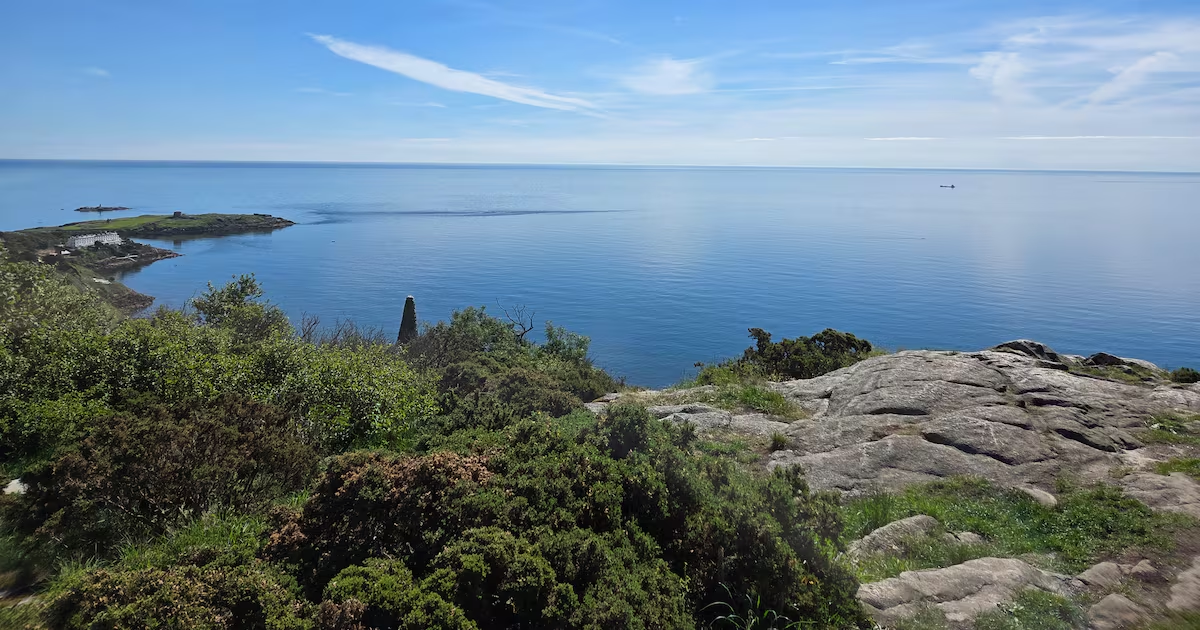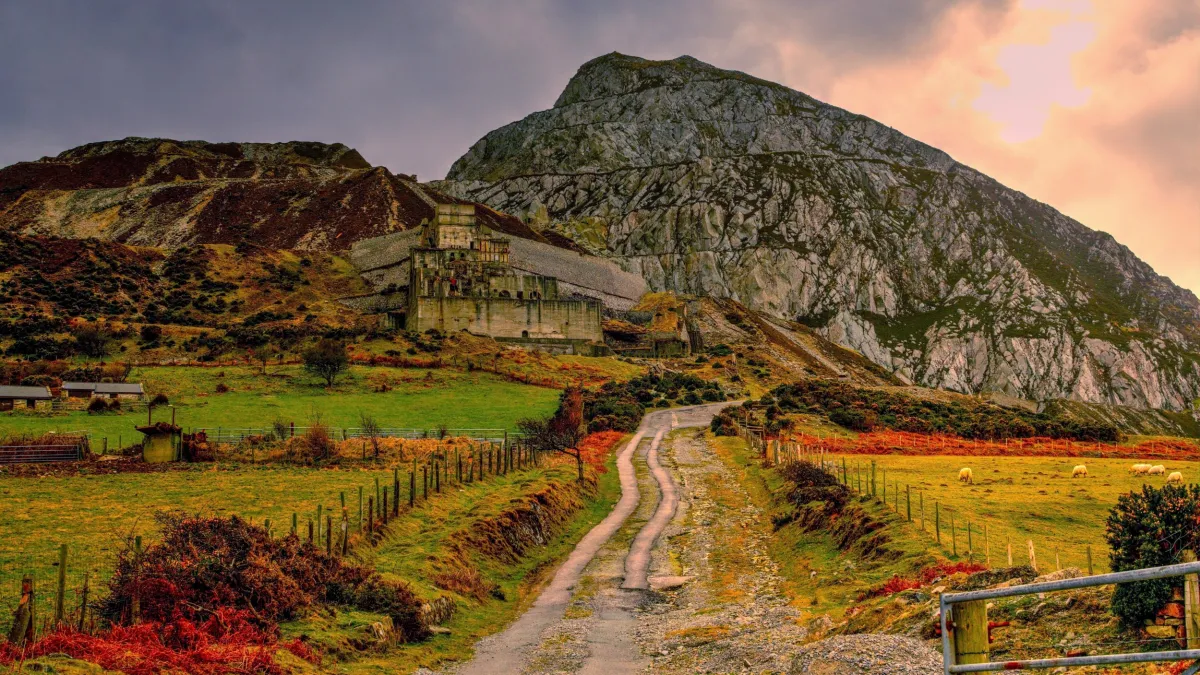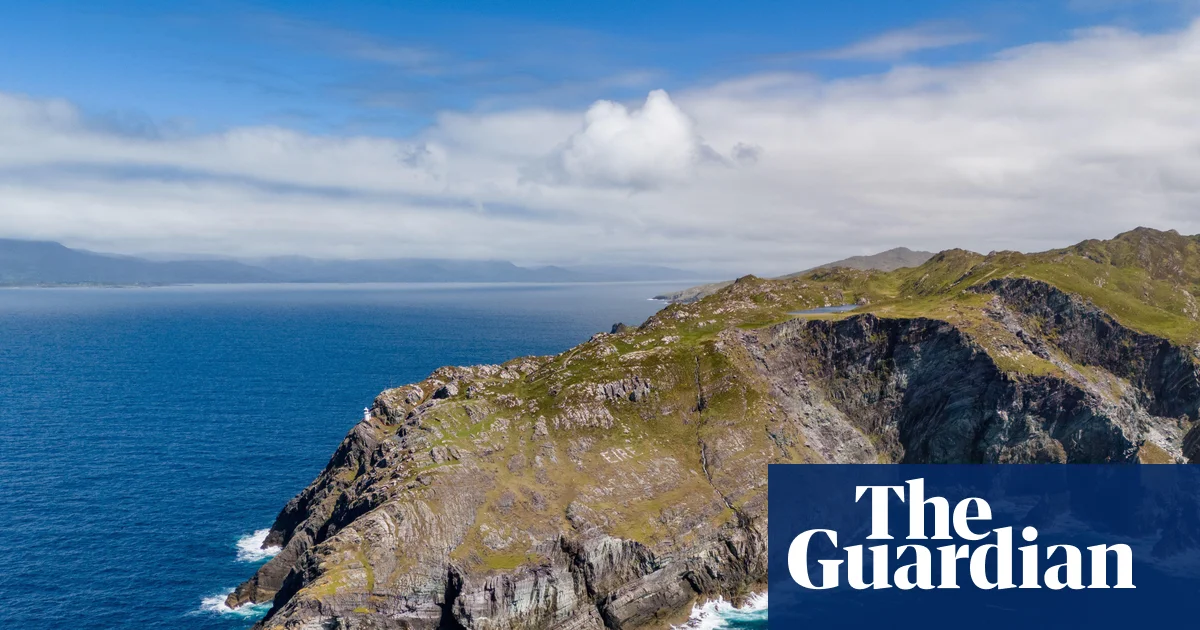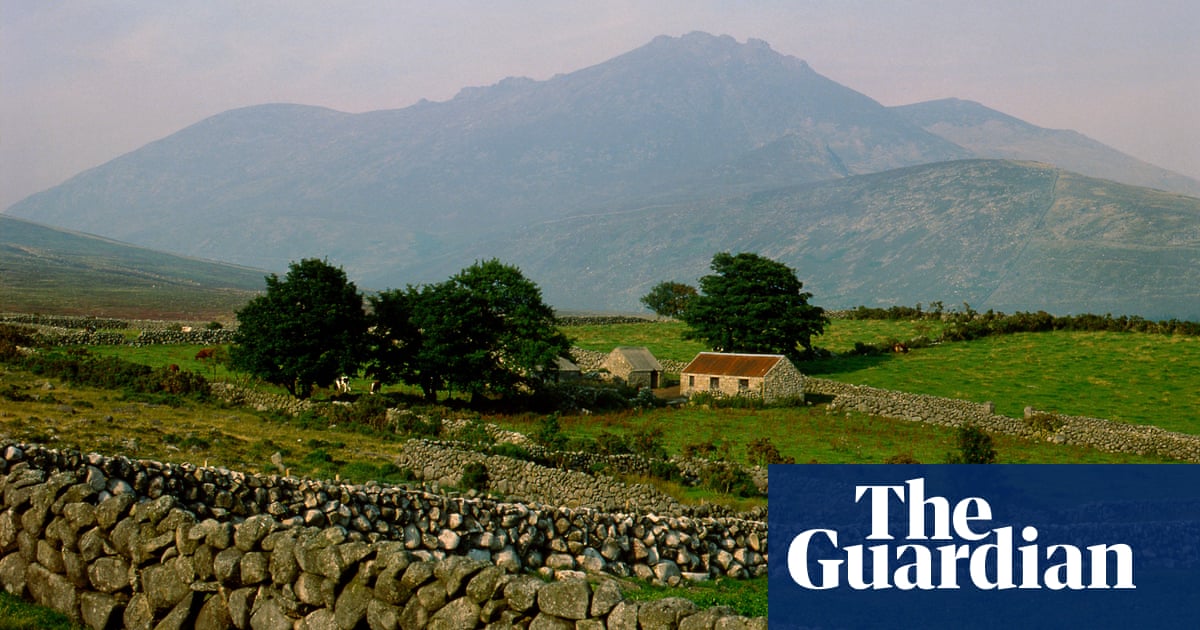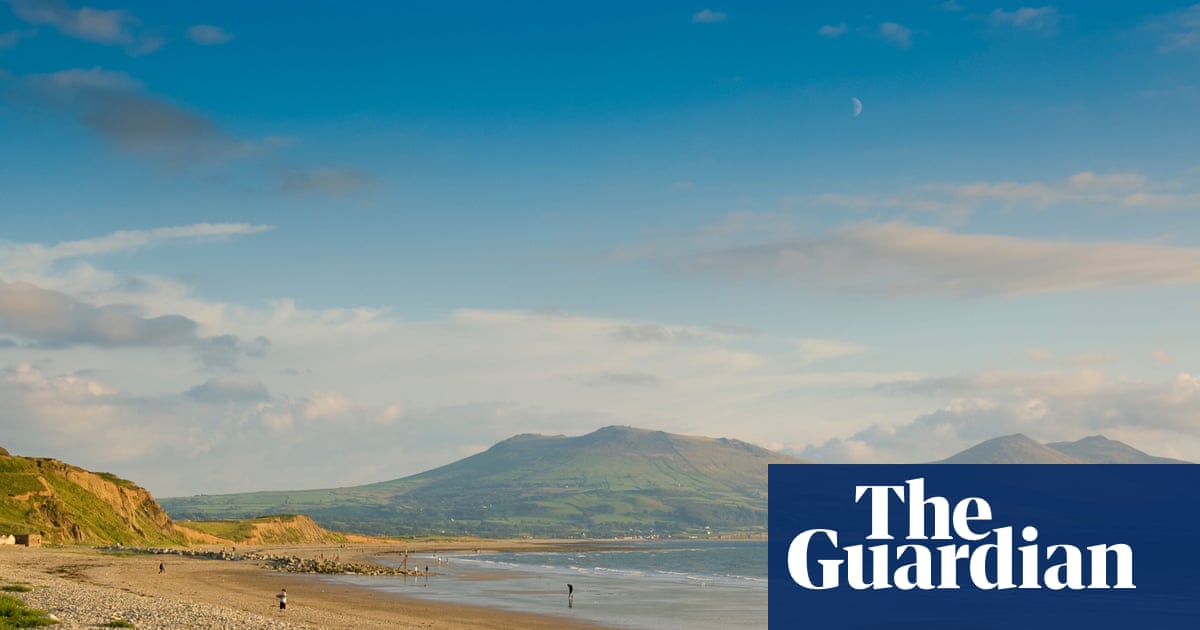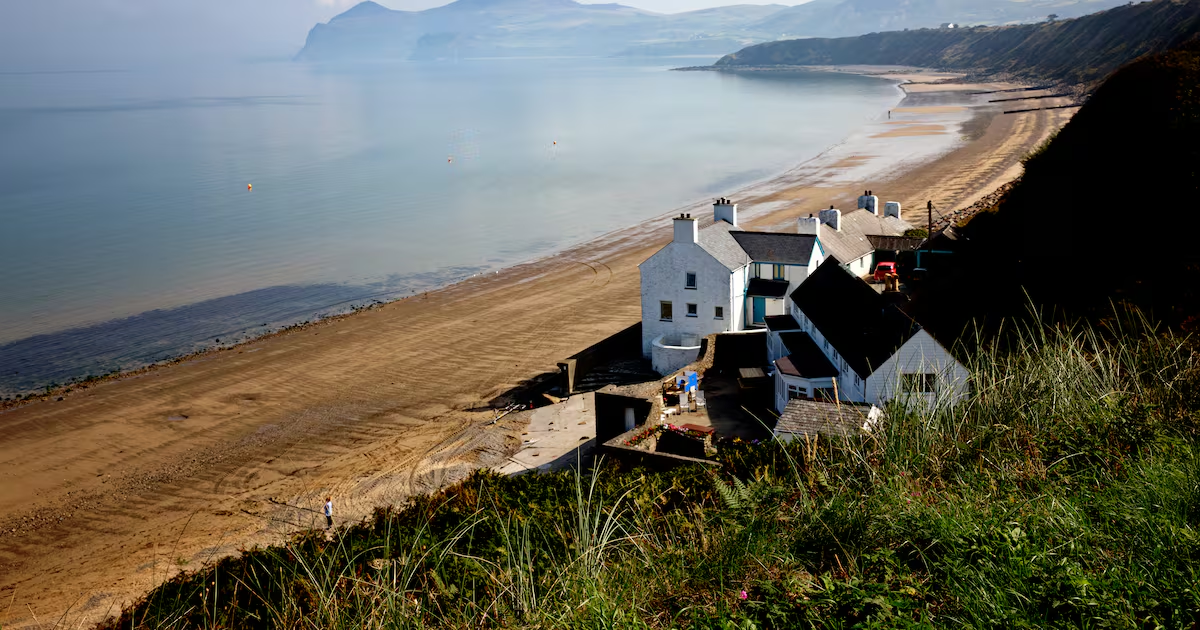
British folk singer and writer Matthew Crampton uploaded a clip on Instagram from Tudweiliog on the Llŷn Peninsula in Wales on Monday evening showing that the Wicklow Mountains were visible. In the space of 48 hours, the clip amassed over 200,000 views on the social media platform. Crampton has a close connection with Wales and has been living between London and Tudweiliog for the last 50 years, but he says that sightings of Ireland from the Llŷn Peninsula are rare. “My whole life I have only seen Ireland three of four times from here,” he says. Matthew Crampton Pen Llyn “But this was something different. I was coming back from the Canolfan Felin Uchaf Centre that night I was listening to stories and I felt such a magical mood coming back, driving back the north side of the peninsula and I looked back and I couldn’t believe it. I thought it was Holy Island where Holyhead is on Anglesey but no, it was Ireland and it had come to say hello.” He said that the response to the clip he uploaded online has been positive, and that he wanted to extend an “official apology to the [Wicklow] mountains themselves, and the people of Ireland” after mistakenly referring to them as “hills” in the video. “It was like I said hello to Ireland and thousands of people from Ireland had said hello back. All the responses have been so lovely.” These sightings of these respective countries across the Irish Sea on gloriously sunny days are undoubtedly rare, but why is it so much easier to see Wales during a heatwave?Holly O’Neill, a meteorologist from the forecast division of Met Éireann, says that it is not just due to a cloudless day. “In a situation like we have had recently – very large high pressure systems – the amount of subsidence from the pressure clears the air of any debris such as dust particles, sea spray etc, that would otherwise scatter the sunlight and cause glare,” she says. The reason why high pressure creates such clear visibility, as opposed to a sunny day with low pressure, is because of the downward pressure so particles do not rise. “The level of downward motion in these high pressure areas is more likely to ‘clear things up’ than on an average day,” says O’Neill. Another factor which impacts visibility is humidity, she says. “Even moisture in the air can affect visibility – the air has been so dry the last while, so where there is no moisture it makes the air even clearer.” And, unsurprisingly, it is also easier to see Wales on a sunny day from Ireland, due to a phenomenon in physics called atmospheric refraction. Conor Sweeney, deputy director of the UCD Earth Institute, says: “In sunny weather, if we have nice clear air, we can see further than normal. This is because the light curves around the horizon more as it travels through the atmosphere.” Light curves due to the change in the temperature of the air from the surface to higher in the atmosphere he explains. Sketch provided by Prof Conor Sweeney “At the surface, over the Irish Sea, the sea keeps the air relatively cool. However, if a mass of warm air, which has been heated over land by the nice sunny weather, moves over the Irish Sea, then this will be warmer than the air at the surface of the sea. The temperature of the air can then actually get warmer as you move higher in the atmosphere, something called an inversion.”This hotter and higher air causes atmospheric refraction he says. “As the temperature gets warmer with height, the density of the air decreases quicker than normal with height. When light moves through air with different density, it changes direction – something called refraction.”Sweeney adds: “So, on a nice sunny day, with clear air, the light leaving Wales is actually bent back towards the surface more than normal, due to the large decrease in density. This means that we can then see further over the horizon than normal, and Wales appears”.
How a viral Wicklow ‘hills’ video shows why Ireland is visible from Wales in hot weather
No, it’s not just because there are no clouds in the sky
682 words~3 min read