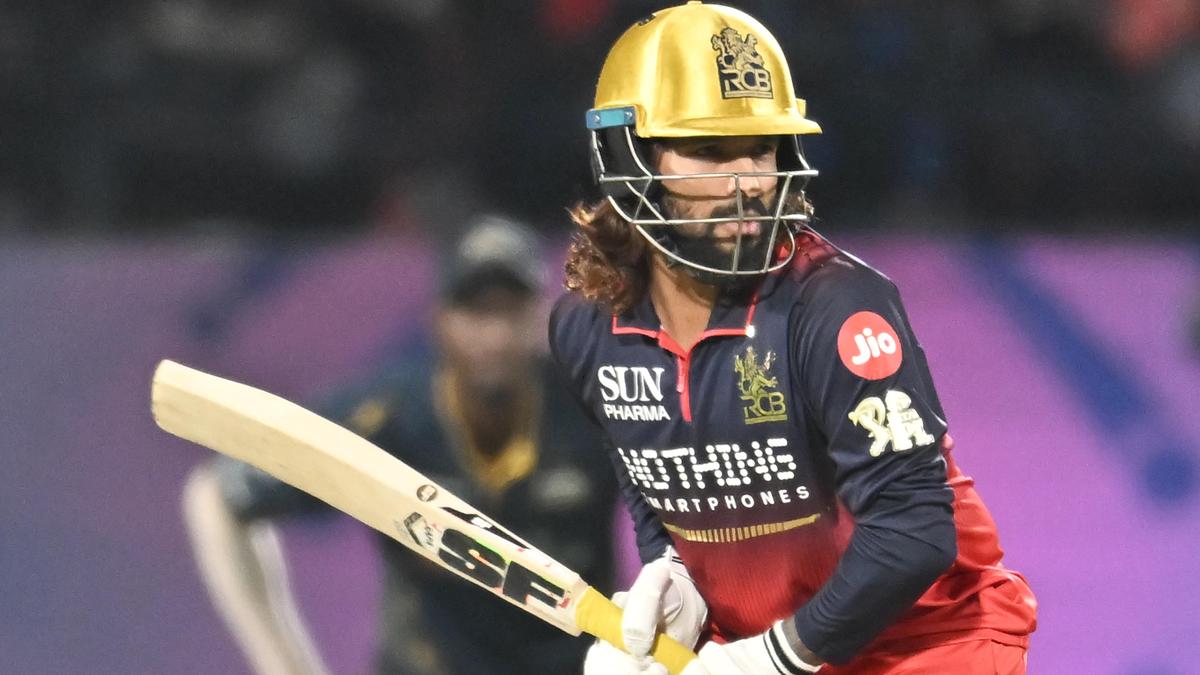
The single is cricket’s most humble gift for a batter; it can also be most humbling. Let’s never underestimate the power of the single.The difference between 100 and 99 is just one run, but try telling that to a batter who has just been dismissed, tantalisingly close to the three-figure mark. Ninety-nine might be romanticised for the one run that got away but every batter worth his salt would rather take the pragmatic (the hundred, of course) over the romantic.The difference between 1 and zero is also just one run. No matter how many runs one might have scored in the past, to get off the dreaded nought is the first objective of any batter, at any level. There is a sense of relief at having avoided the duck that can’t be quantified in words, though everyone who has ever held a bat will readily relate to what we are seeking to say.When the modest single can hold such tremendous significance, where do we place the 90s? Once the ‘nervous nineties’ but no longer so, it would seem, because cricketing goalposts have shifted. Even though the sport will continue to be driven and dictated by numbers, those numbers seem to have veered away from traditional parameters such as fifties, hundreds and averages, especially when it comes to limited-overs cricket and particularly the T20 format where efficacy is decided less by averages and more by strike-rates.There have been two extraordinary 90s on the first two playoff nights of IPL 2026, both in winning causes, both produced at breakneck pace, both knocking the stuffing out of the opposition. Delivered by exceptionally popular individuals.Rajat Patidar unleashed the first of those essays, in the mountains of Dharamsala in Tuesday’s Qualifier 1. Last year, Patidar emerged as a surprise choice to succeed Faf du Plessis as Royal Challengers Bengaluru’s captain. The man from Indore didn’t have a great deal of captaincy experience at the senior level but the management group at the Bengaluru franchise was convinced he had the leadership and man-management skills required to drive the side to a much-awaited maiden crown.Patidar took perhaps even himself by surprise by doing precisely that. Fears that he would be a captain only in name and that the strings would be pulled by other quarters proved singularly unfounded. Patidar showed that aggression need not manifest itself only through body language and antics. He also revealed the steel the RCB management had identified in him, running a tight ship and making sure that the cares of captaincy didn’t affect his batting too adversely. His numbers weren’t spectacular – 312 runs in 14 innings, strike-rate 143.77 – but they were more than passable, though even if he had made a million runs, they would have been eclipsed by the incandescent afterglow triggered by the end of a seemingly endless wait.Greater scrutinyIn all sport, there is greater scrutiny on the second season – the second season as a player, as a team, as a leader in this instance. Patidar has comprehensively passed the litmus second-season test, ramping up the aggression in his batting by several notches, becoming more expressive and independent as a leader and muscling his team to a second successive final.Unlike last year when he rode piggyback on Virat Kohli and Phil Salt’s exploits at the top of the order and from weighty middle-order contributions from Devdutt Padikkal, Jitesh Sharma and the powerful Tim David, Patidar has been at the vanguard of Bengaluru’s vaunted ‘Play Bold’ philosophy. Only Kohli (600) has more runs for the team than Patidar, whose 486 runs have come at a frenetic strike-rate of 196.76. He has smacked 41 sixes, only behind teen phenom Vaibhav Sooryavanshi and Abhishek Sharma (43). All other things being equal, Patidar should go past Abhishek in Sunday’s final though he won’t go anywhere near runaway train Sooryavanshi, who has an incredible 65 sixes to his name.The 90 – 93 not out, to be precise -- we referred to earlier in the piece came in Qualifier 1, against Gujarat Titans who, inarguably, possess the most potent bowling attack of the competition. It was on the back of this attack – Kagiso Rabada, Mohammed Siraj, Prasidh Krishna, Jason Holder and Rashid Khan, wow – that Shubman Gill hoped to make inroads into the powerful Bengaluru batting, but his plans were dashed by Kohli and Padikkal, who added 72 for the second wicket in just 38 deliveries.Patidar strode in when Kohli chopped Holder on to his stumps, 93 for 2 after 8.2 overs; two deliveries later, he saw Padikkal disappear, caught behind. At 94 for 3, Bengaluru were in a spot, Gujarat threatening to push back, when Patidar counter-attacked with a ferocity that rocked the 2022 champions. Patidar has the not-unfounded reputation of being a slayer of spin which he lived up to, but by his own admission, he relishes pace on the ball. He took and destroyed the Gujarat fast bowlers, sparing no one and no part of the ground; the most stunning of his nine sixes was a backfoot drive off Rabada that screamed over wide long-off for the most glorious spectacle of a night full of glorious spectacles.When the final ball was bowled, Patidar was at the non-striker’s end, spent but exhilarated, having pummelled 93 from just 33 deliveries. With two balls left in the last over from Prasidh, he was on 92 and on target for a second IPL century but that didn’t eventuate. Never mind. This 93* was every bit worth a hundred, catapulting his side to 254 for five, a commanding 92 runs beyond Gujarat’s reach.Twenty-four hours later, in the first of the designated knockout games of the tournament, a young boy with the world at his feet unleashed such mayhem that even Patidar’s furious knock appeared pedestrian by comparison. Okay, so we exaggerate. Not pedestrian – how can a strike-rate of 281.81 be classed so? – but definitely second fiddle because the said protagonist, the 15-year-old boy-child, scored at 334.48. He smashed sixes for fun, he intimidated and terrorised men twice his age and with ten times his experience, and he did so with a nonchalance that took one’s breath away.
Of not-so-nervous nineties
Explore the evolving significance of numbers in cricket, highlighting the impact of singles and the modern T20 format.
1,677 words~8 min read