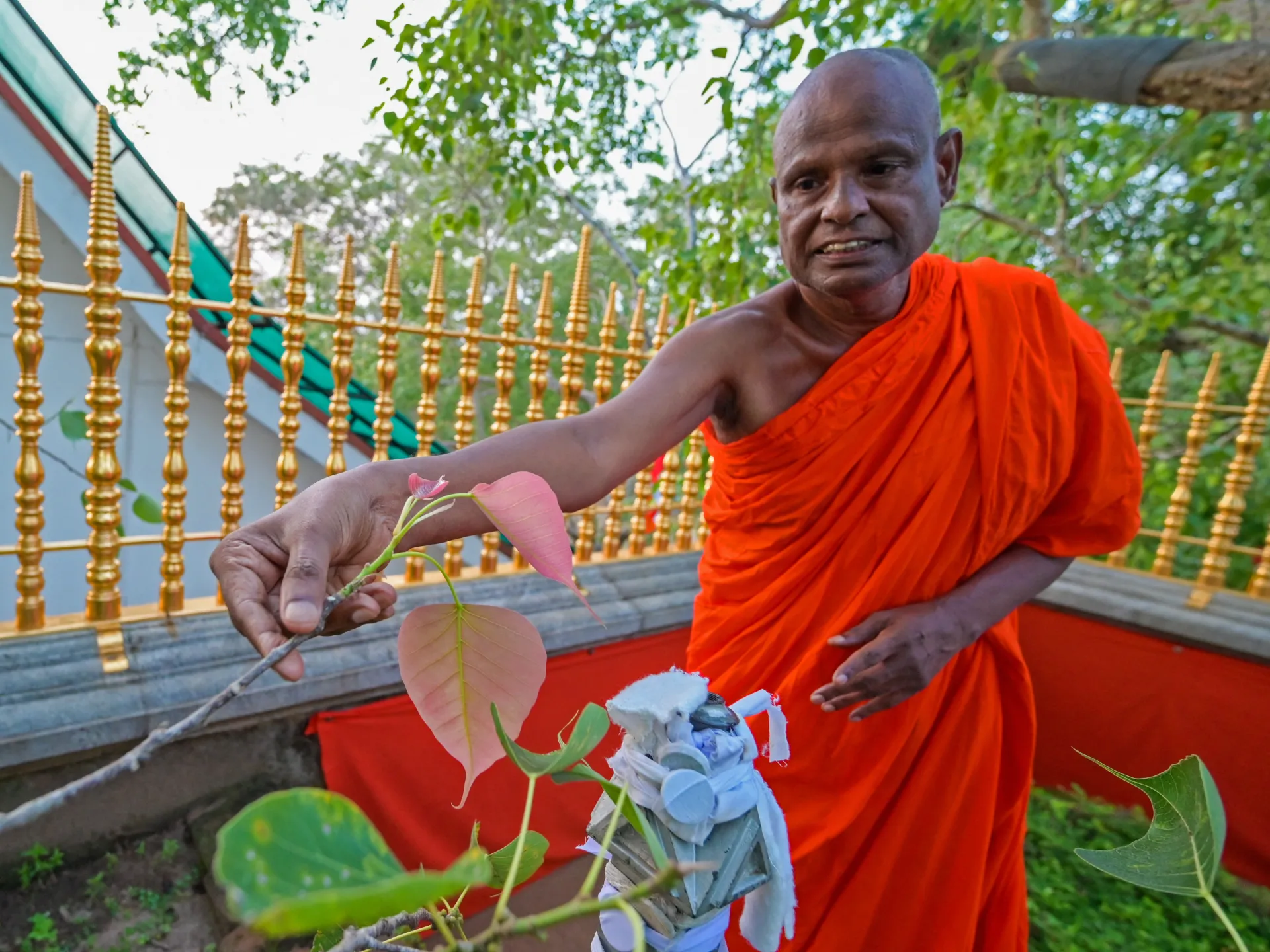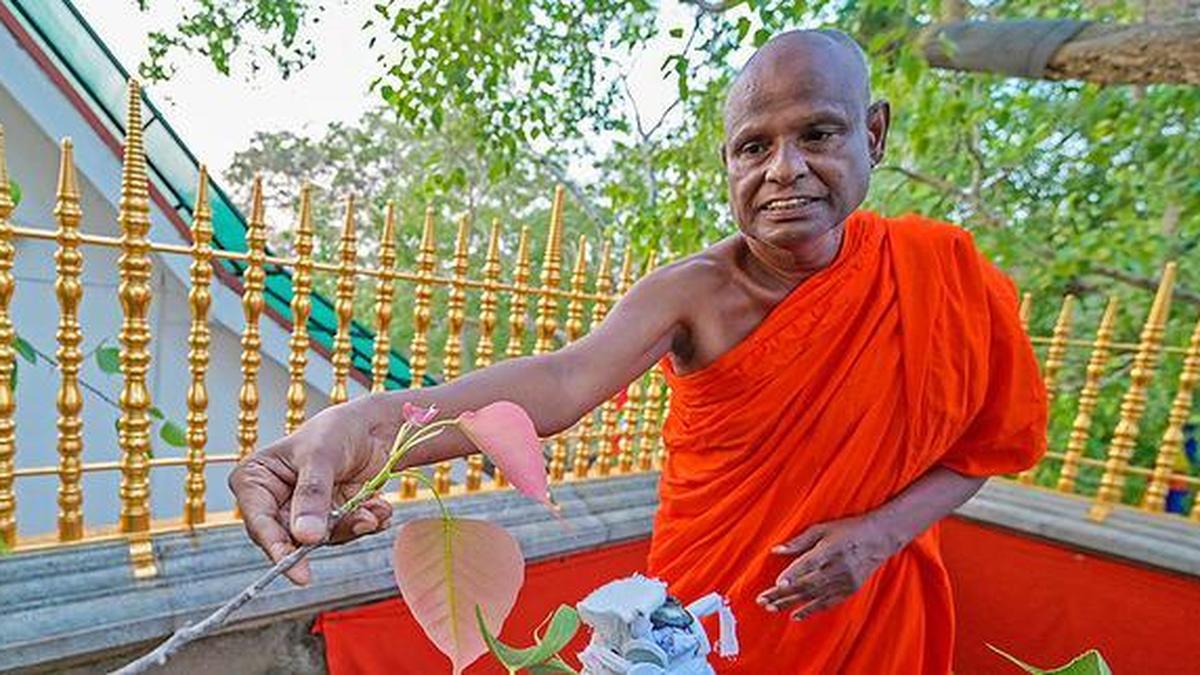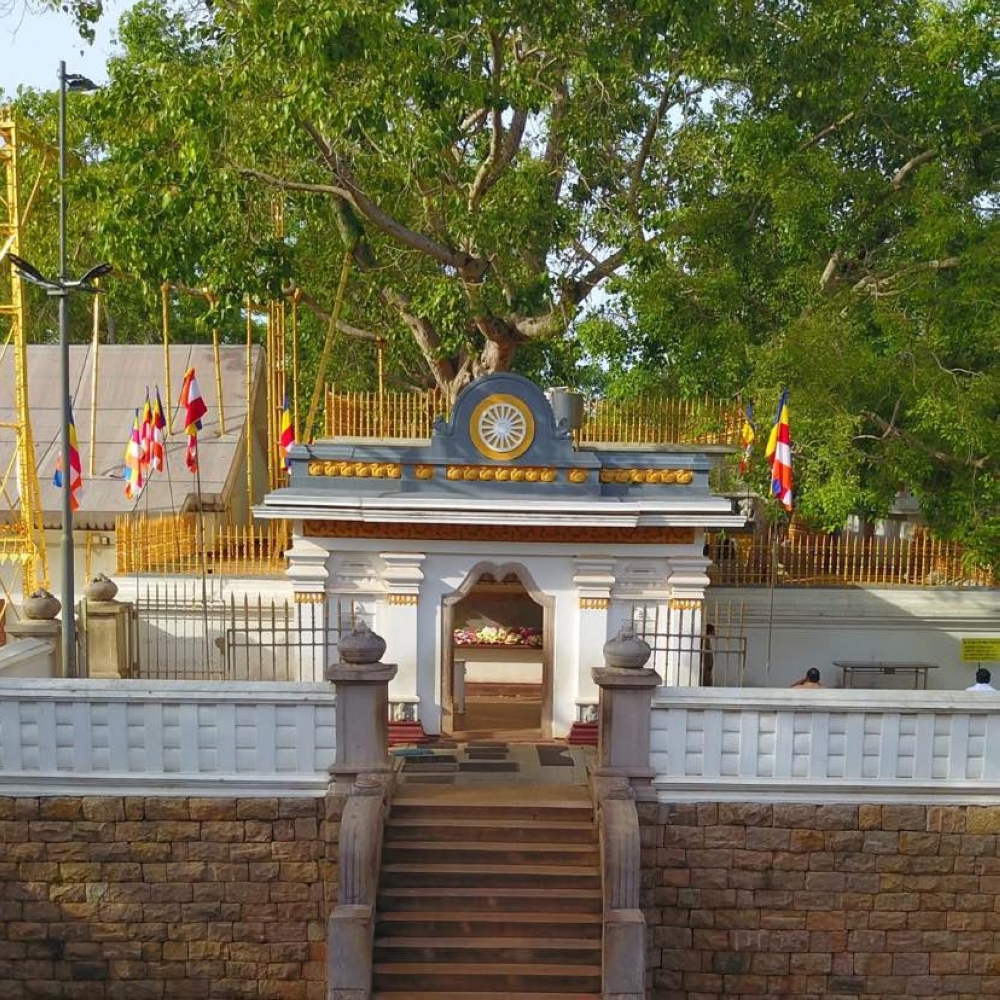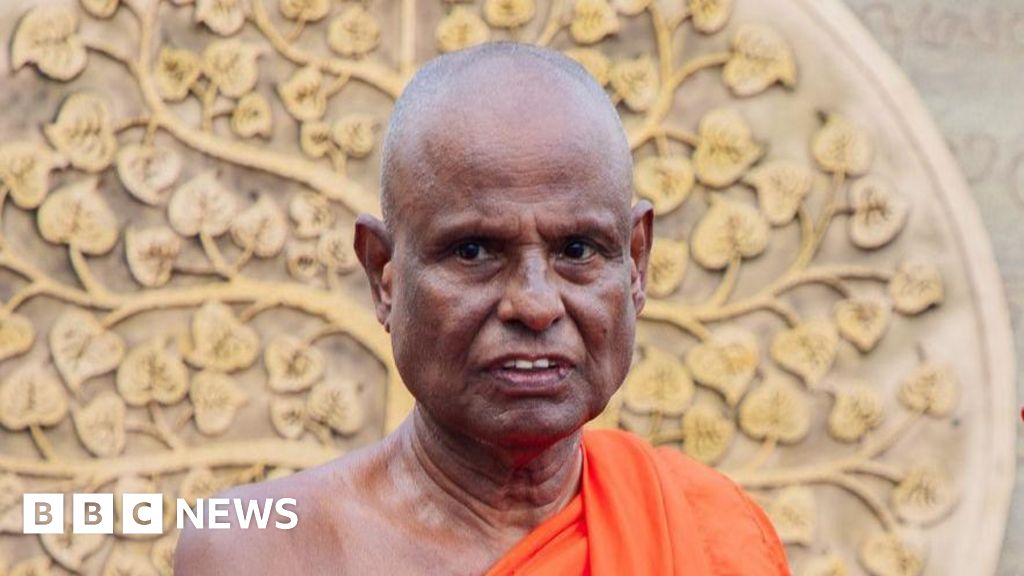
The chief prelate of the Atamasthana (the eight sacred Buddhist sites in the ancient Sri Lankan city of Anuradhapura), the Venerable Pallegama Hemarathana Thero was arrested recently in connection with allegations of sexually abusing a 15-year-old girl.
The child’s mother was also arrested for aiding and abetting the abuse. The court has imposed a foreign travel ban on the monk. He was later released on strict bail conditions.
The case has drawn intense public attention in Sri Lanka. Atamasthana is one of the most revered Buddhist institutions and its chief prelate occupies a position in a sacred site tied to national memory and Buddhist authority. But public concern is not limited to the allegations or the post Hemarathana Thero holds. The conduct of institutions around the case has also come under scrutiny.
The Anuradhapura Magistrate’s Court ordered the arrests after the National Child Protection Authority informed the court that police had delayed acting on complaints.
Sri Lankan law does not place Buddhist monks above other citizens. A monk accused of a criminal offense is subject to the same criminal law as anyone else. But in practice, police hesitate to take action against senior religious figures, and politicians fear they will be criticized for supposedly acting against Buddhism. This is not formal immunity, but immunity produced by deference.