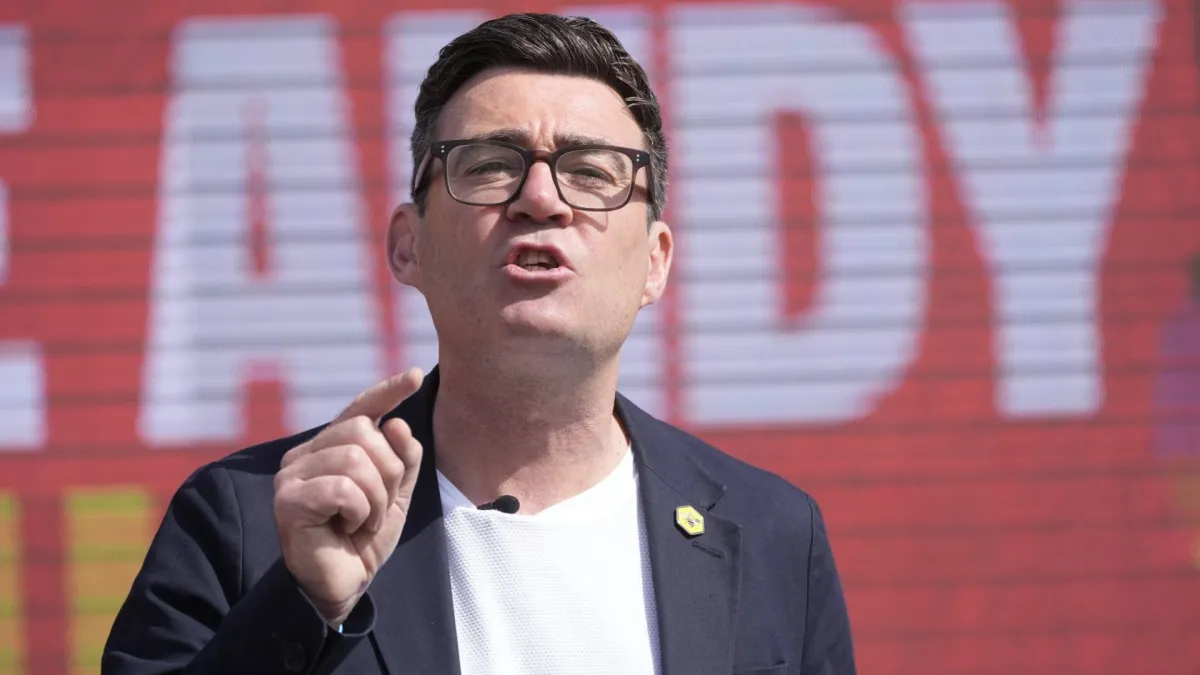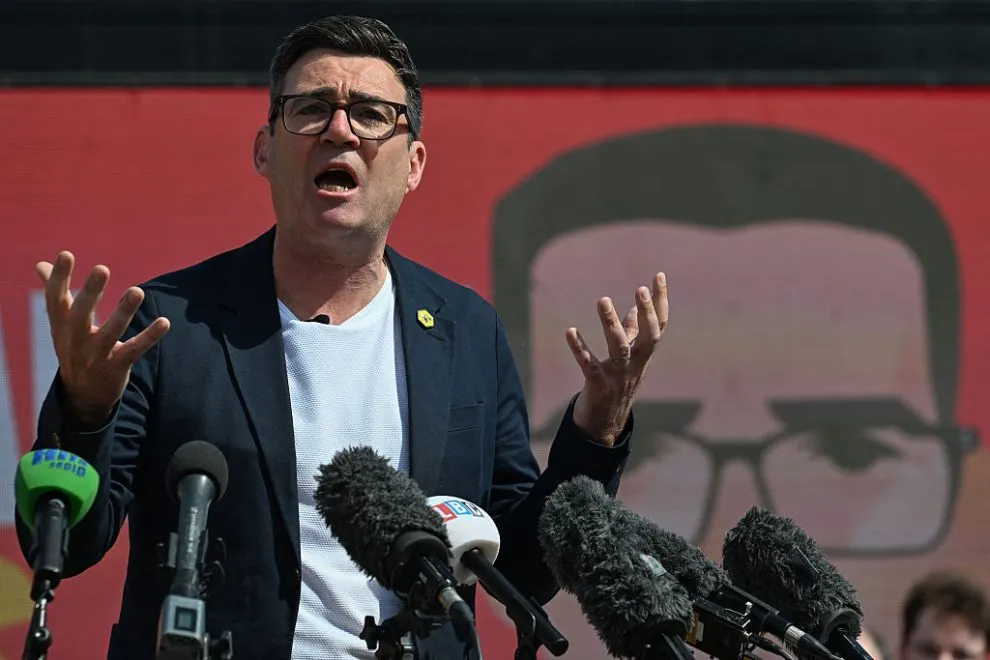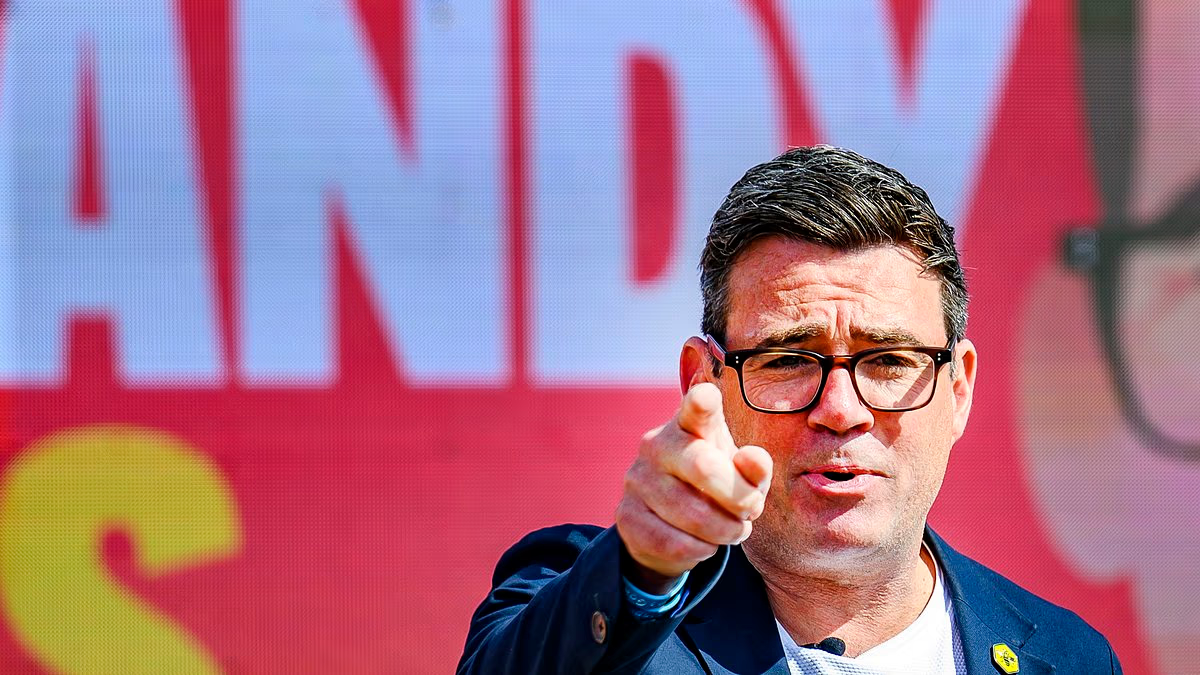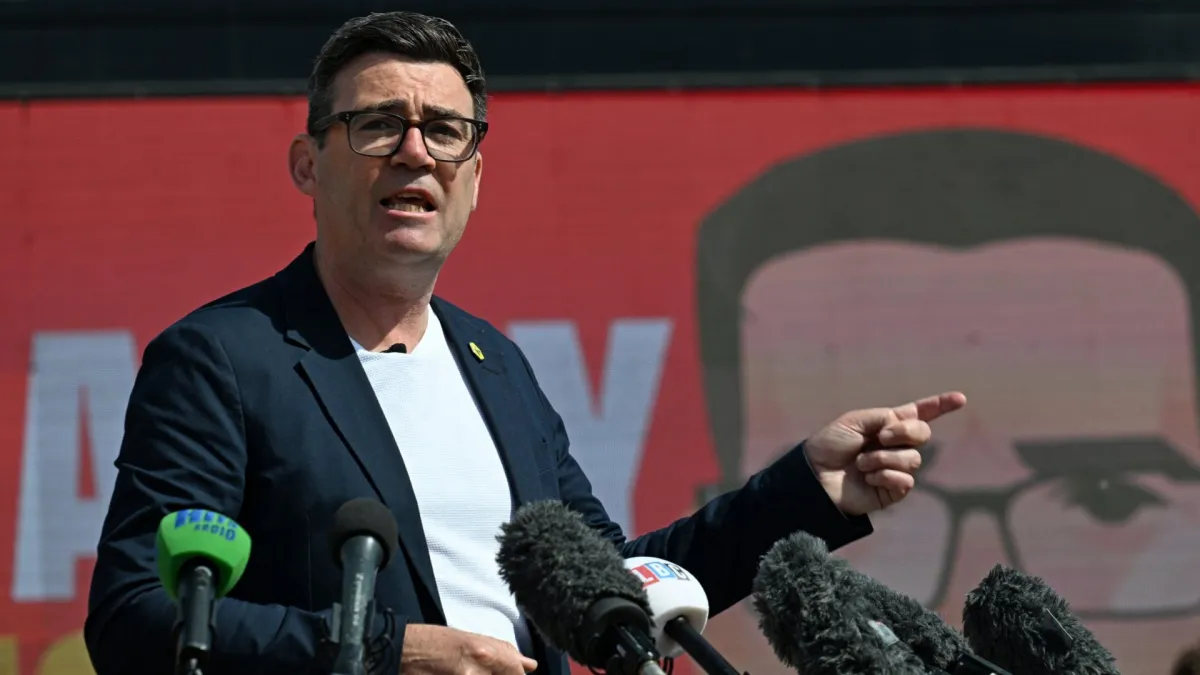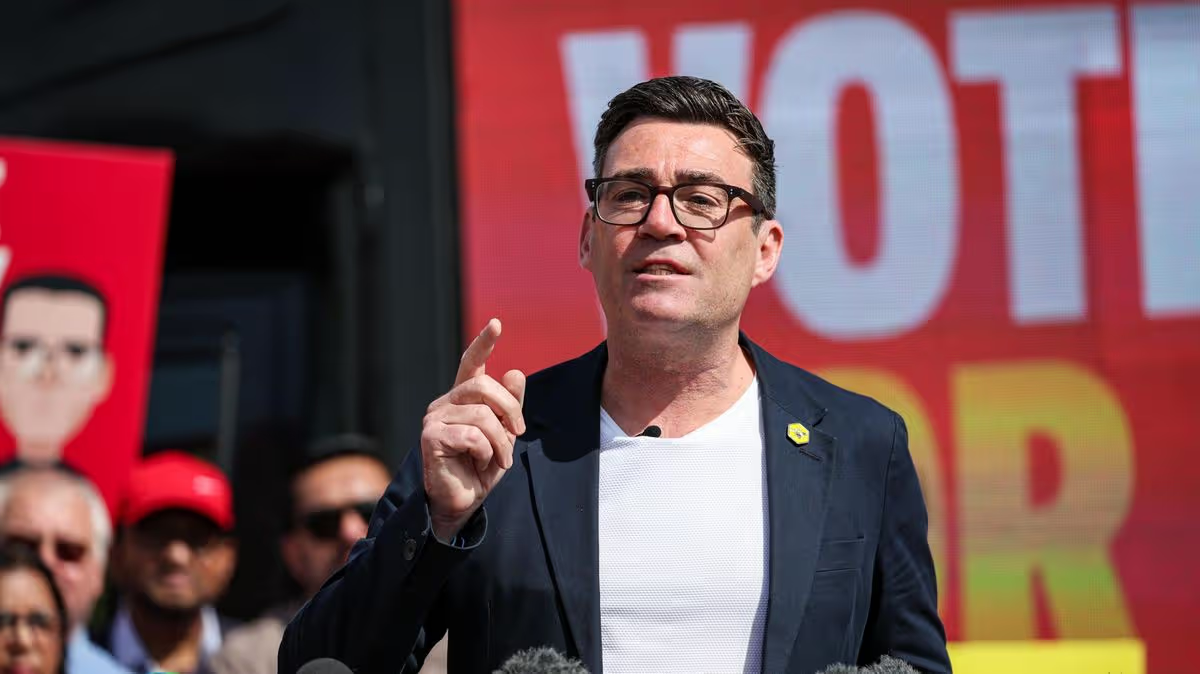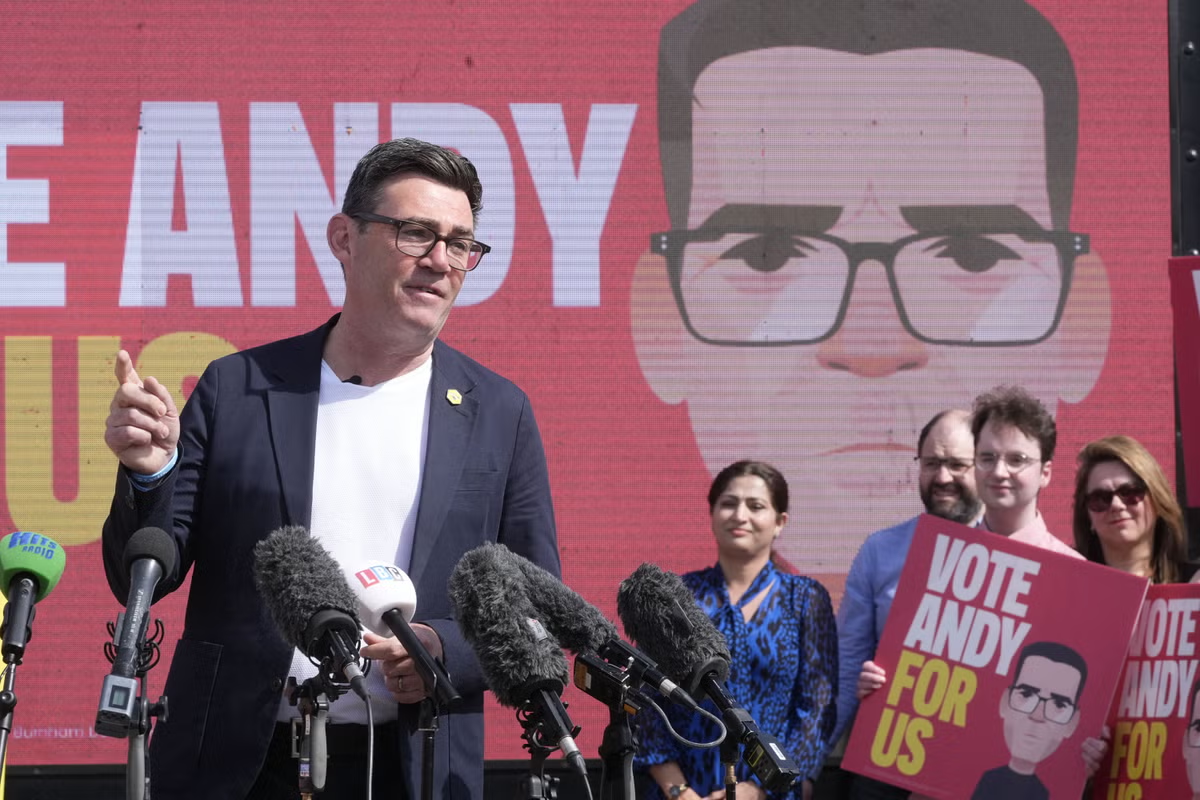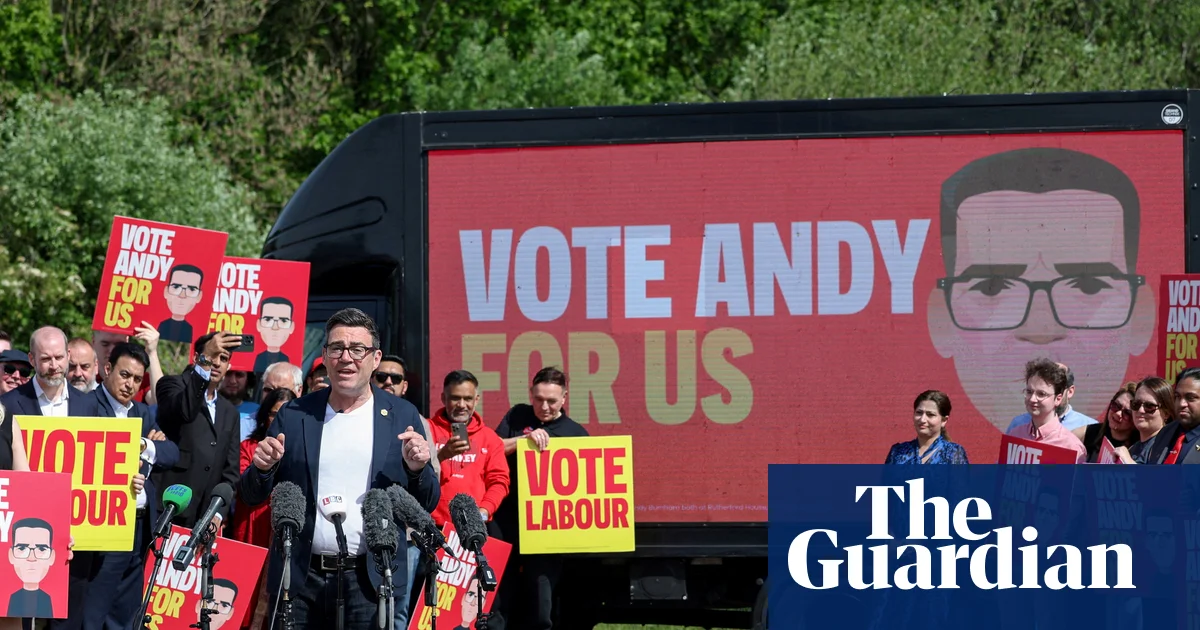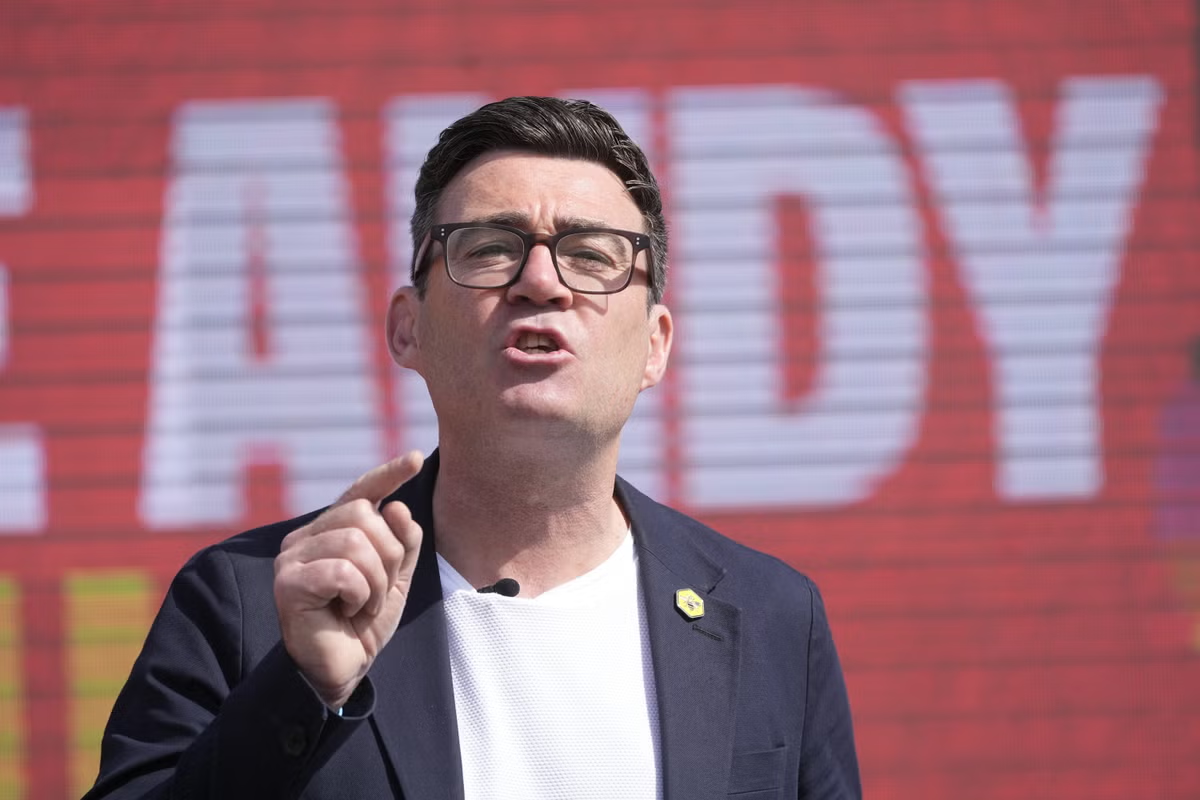
The Greater Manchester mayor and Makerfield by-election candidate Andy Burnham has just revealed the qualities that make him, to many, the Labour leader and prime minister-in-waiting.His response to Sir Tony Blair’s brutal critique of Labour – delievered in the form of a 5,600-word essay – perfectly encapsulates a politician who is simultaneously the heir to Blairism and its greatest critic. It celebrated the achievements of the Blair government but attacked its core economic policy of continuing the inheritance of Margaret Thatcher’s neoliberalism.You could read the response as Blairism with a healthy dose of post-devolution localism - taking power out of Westminster to the regions, something Blair started.Andy Burnham (Peter Byrne/PA) (PA Wire)But there is an unreconcilable disagreement which is that Sir Tony wants to leave things to the whims of the market.Mr Burnham, a former chief Treasury secretary to Blair, has questioned bond markets before. In his response to the former PM, published in The Times, he tells a story about losing private investment from a major regeneration scheme in Stockport during his time as Manchester mayor. He writes: “My team confronted me with the dilemma: were we going to abandon the scheme or were we prepared to take the risk of putting in patient public capital? In other words, were we going to let the market determine the future of Stockport or were we going to set that ambition ourselves?He said he had read the Blair essay three times and agreed with various elements of it, including the call for a renewed focus on domestic issues and the “vital need for higher economic growth as the enabler of greater social justice”.But he adds: “As I read on, I kept waiting for the main topic of conversation on doorsteps in Makerfield to make an appearance. And it never did. The fall in the living standards of millions, and the reality that life has got harder for most year on year since the financial crash in 2008, is, I believe, the gaping omission in his analysis.”This is not surprising given that in Makerfield Mr Burnham is trying to win over a community that has been left behind by 40 years of neoliberalism and London-centred policies. He has to acknowledge the issues which led to Brexit and the surge in support for Nigel Farage and Reform, positions Sir Tony has struggled to comprehend.But the bigger picture is that while Mr Burnham’s positioning may appear characteristically contradictory, it fits the state of politics since the 2008 financial crash – shortly after Blair quit Downing Street – and the state of the modern Labour Party.After all, one of the more perplexing aspects of the Labour since defeat in 2010 is its curious and somewhat painful relationship with Sir Tony, its most successful ever leader and prime minister.While he won them three elections, rewrote the political narrative in Britain and almost consigned the Tories as the natural party of government to history, Labour MPs find it hard to celebrate his achievements or find common cause with him - even when actually agree with his ever thoughtful analysis.Blair wrote a 5,600 word essay on fixing Britain (Reuters)Indeed, being described as the Blairite candidate for any Labour leadership contest is usually the kiss of death. Just ask David Miliband, who lost to his brother Ed in 2010, Liz Kendall, who came last in 2015, and home secretary Shabana Mahmood who was endorsed by Sir Tony last year.So it was no surprise that Wes Streeting - tagged the Blairite leadership candidate - was keen to completely disavow Tony Blair in his response to the essay.Mr Streeting went as far as attacking the Iraq War, perhaps noting that Mr Burnham, his chief rival, now champion of the left, actually voted to go into that war, which he later described as his “worst experience” in parliament.For Mr Burnham, a former Blair minister, the response by his own admission needed to be more nuanced. He cannot completely discredit a project he played an important role in. After all, Burnham was the man to introduce the private sector to the NHS as health secretary, a policy now celebrated by Blair.However, to win and become Labour leader, he needs Blair’s winning formula but must simultaneously prove to a sceptical Labour Party that he has left the Blair days behind.His attempt to do that resulted in a clever and considered response to the man who, in his heart, he knows is still right about many things.
Burnham positions himself as a reformed Blairite – but will that work in Makerfield?
Political editor David Maddox looks at the contradictory nature of Andy Burnham’s response to Tony Blair
TL;DRAI
Burnham backed Blair's growth goals while rejecting his market-first model, citing post-2008 living standards decline as the key omission. His public-capital stance signals UK procurement and tech policy under a Labour government he may lead.
742 words~3 min read