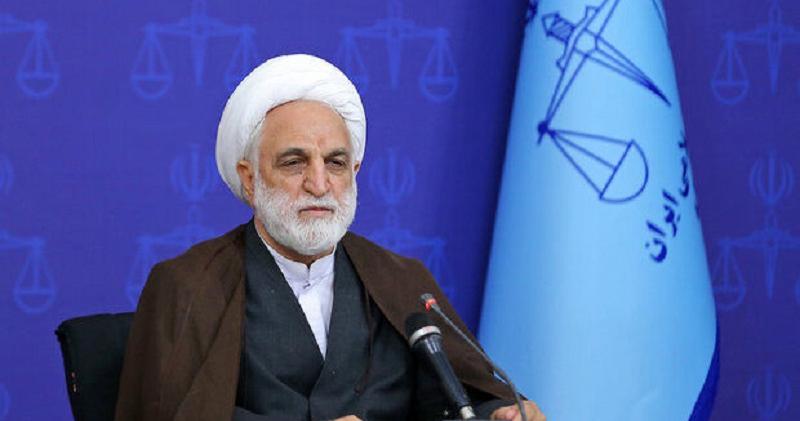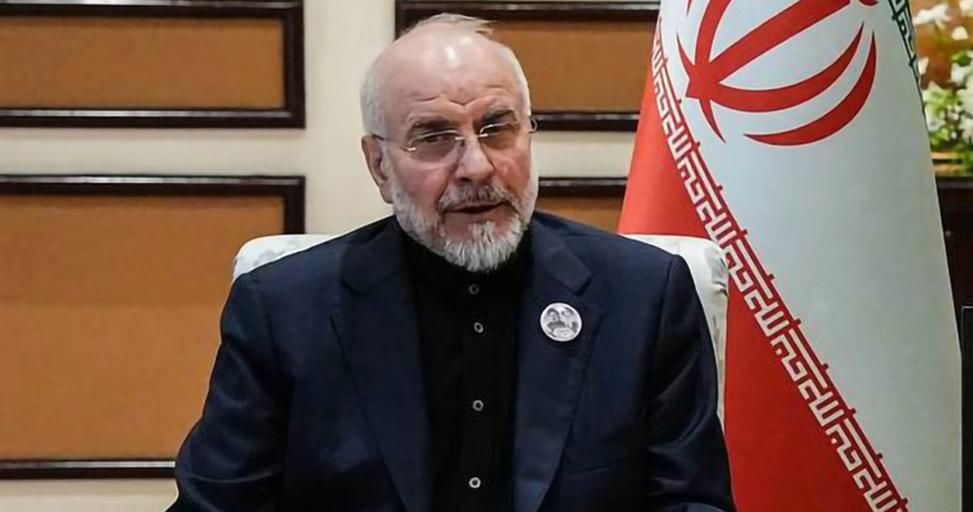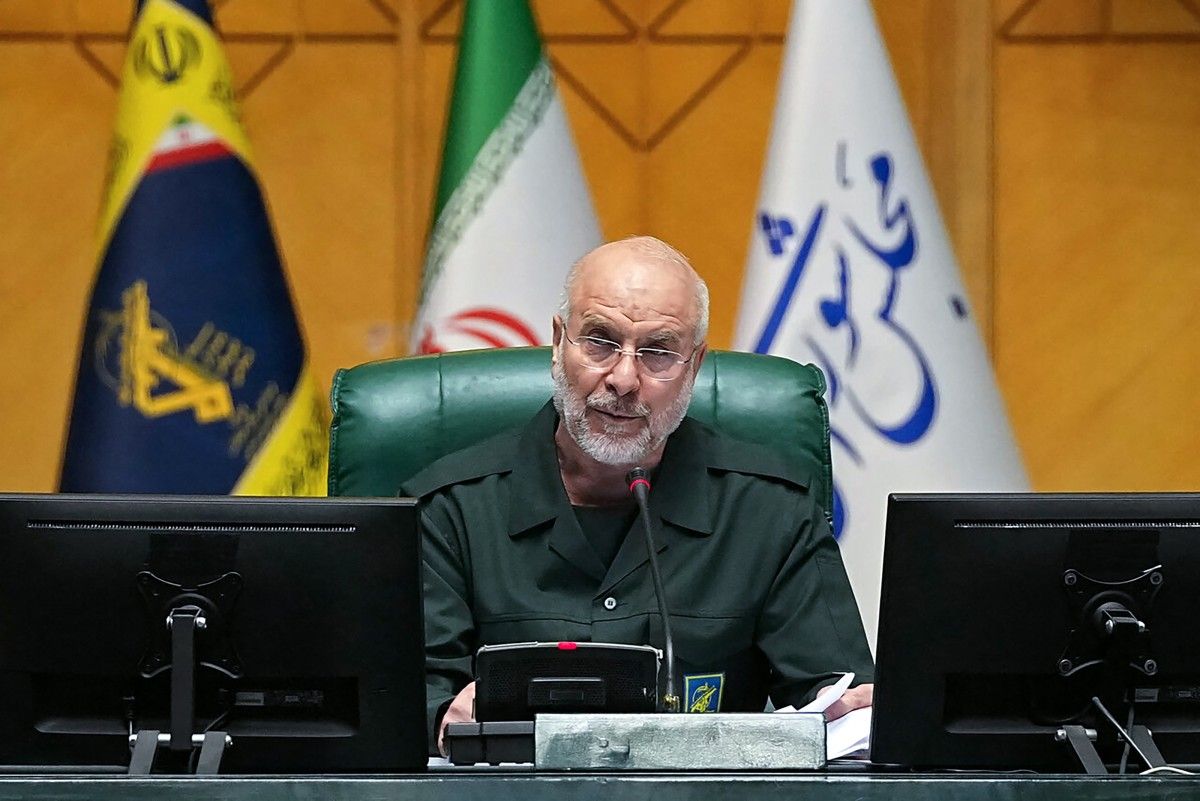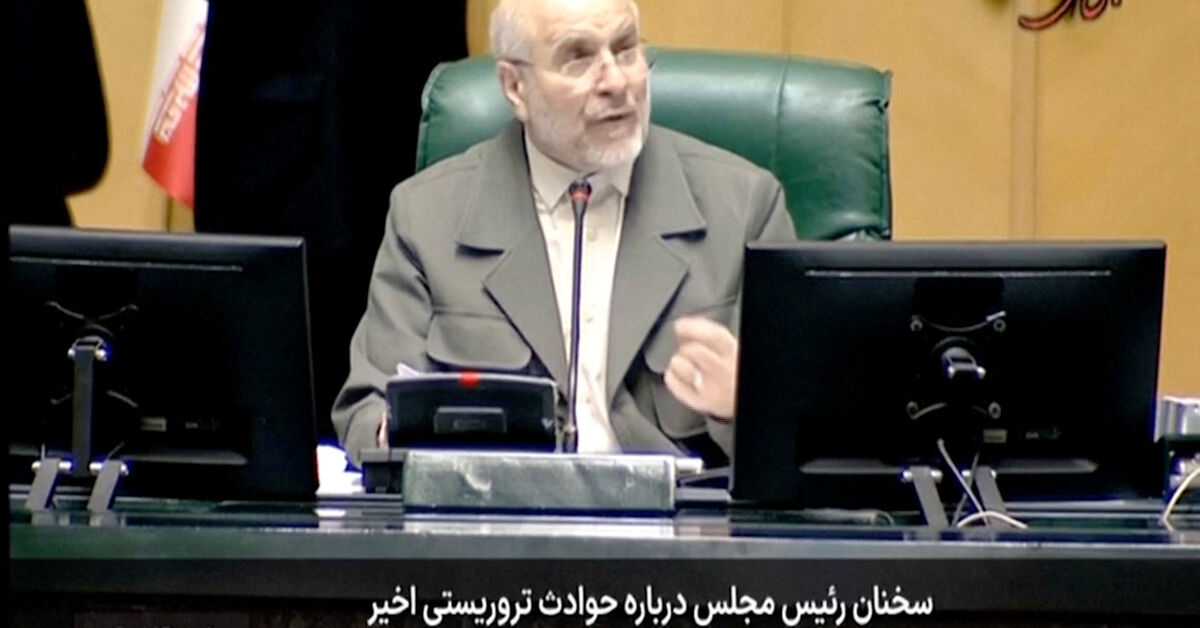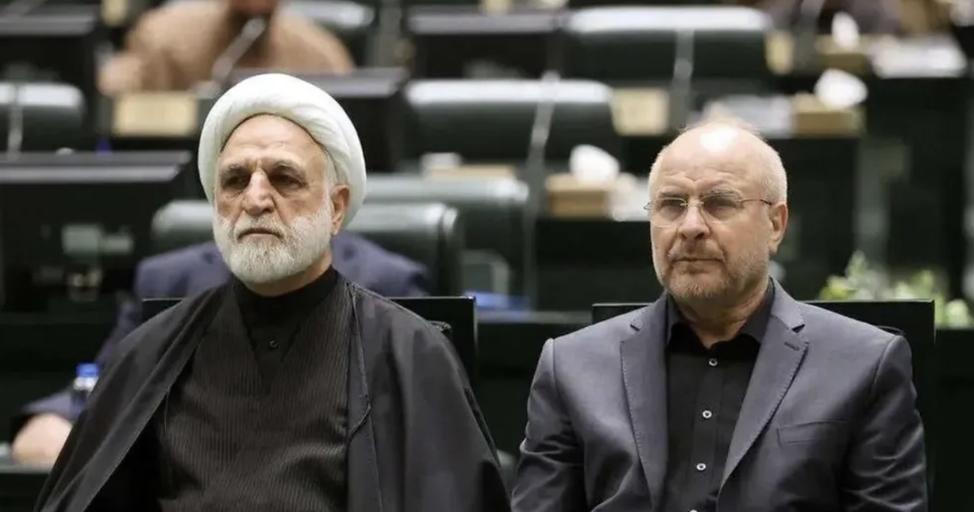
In a message addressed to Gholam-Hossein Mohseni-Ejei, the head of the Judiciary, Speaker of the Islamic Consultative Assembly (Parliament) Mohammad Bagher Qalibaf wrote: "Under the bombardment and threats of the enemies, the Judiciary did not back down from protecting the rights of the people and confronting domestic murderers and traitors to the nation, and it shone brilliantly."
This praise for the Judiciary's performance comes at a time when at least 39 political prisoners have been executed over the course of the days since Iran's war with the United States and Israel began.
Gholam-Hossein Mohseni-Ejei, the head of the Judiciary, has repeatedly emphasized over the past few days a "severe and unforgivable confrontation" with individuals who, according to him, have cooperated with the "enemies of the regime."
Human rights activists believe that the acceleration of executions and the intensification of death penalty sentences in the days following the war are intended to create fear and terror within society, serving as a tool of suppression to prevent the resurgence of unrest in Iran.
The legal proceedings for some of the January protesters are assessed as non-transparent, and human rights organizations state that sufficient evidence to prove the charges against them does not exist. Instead, judges are issuing and implementing these verdicts based on "forced confessions" obtained under unknown conditions.