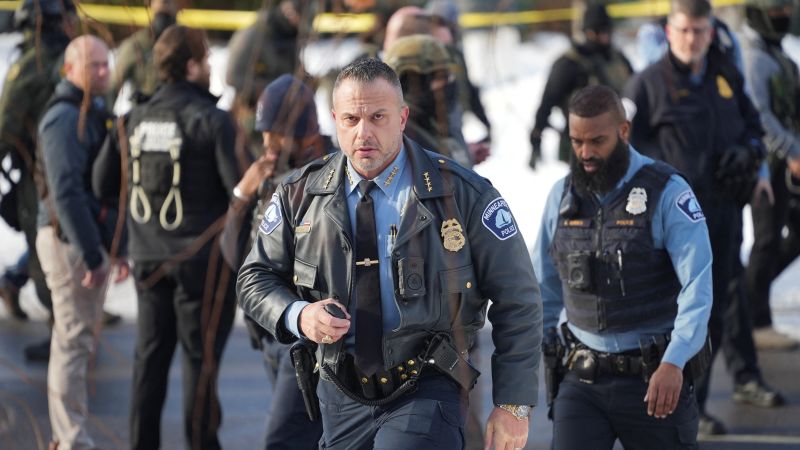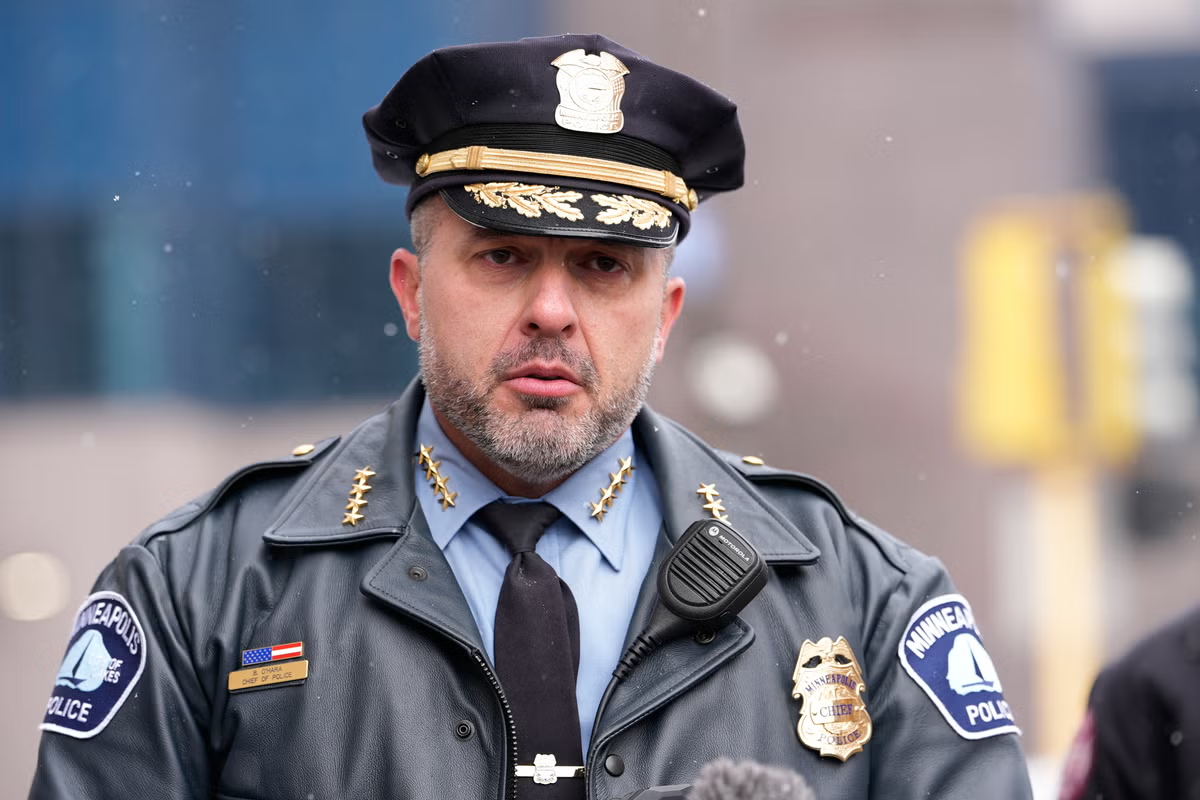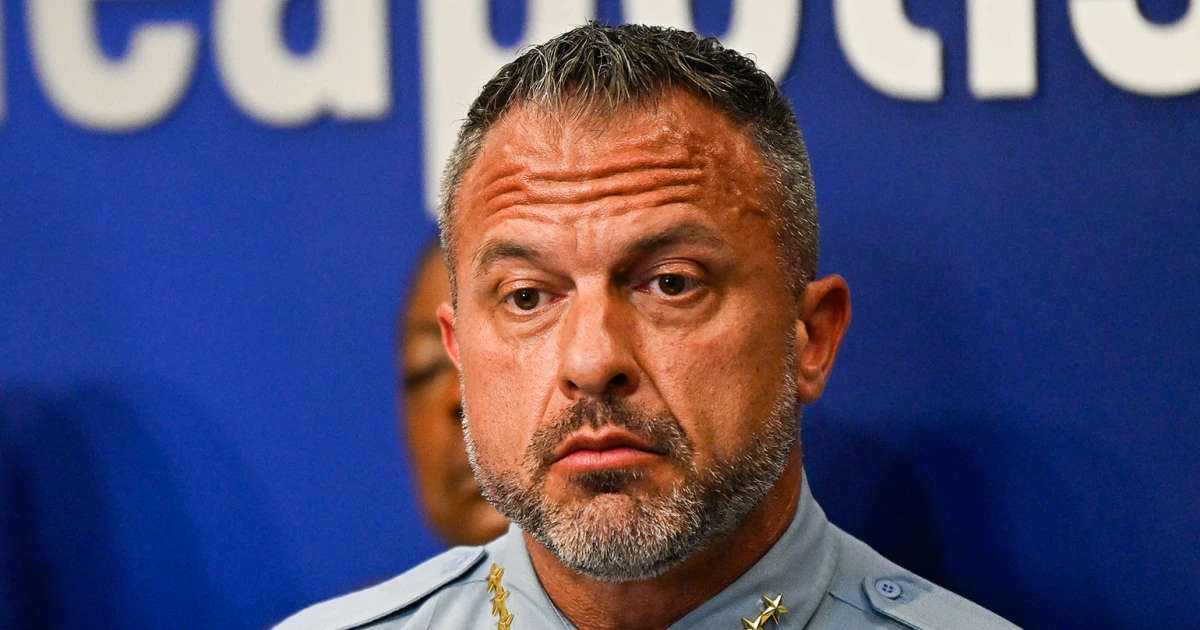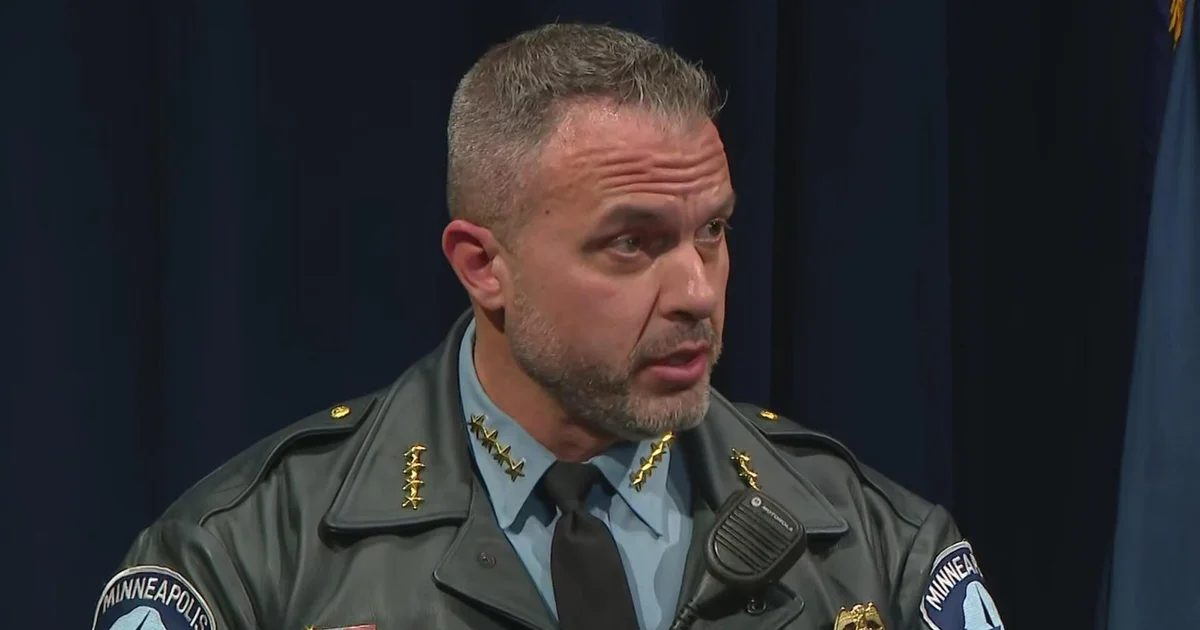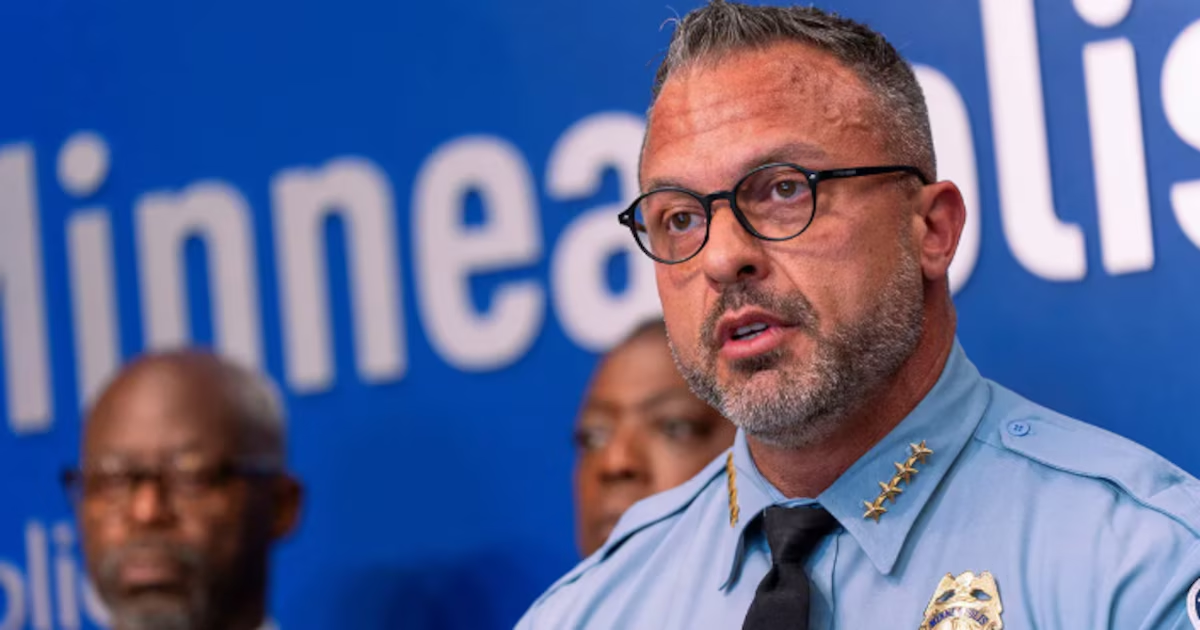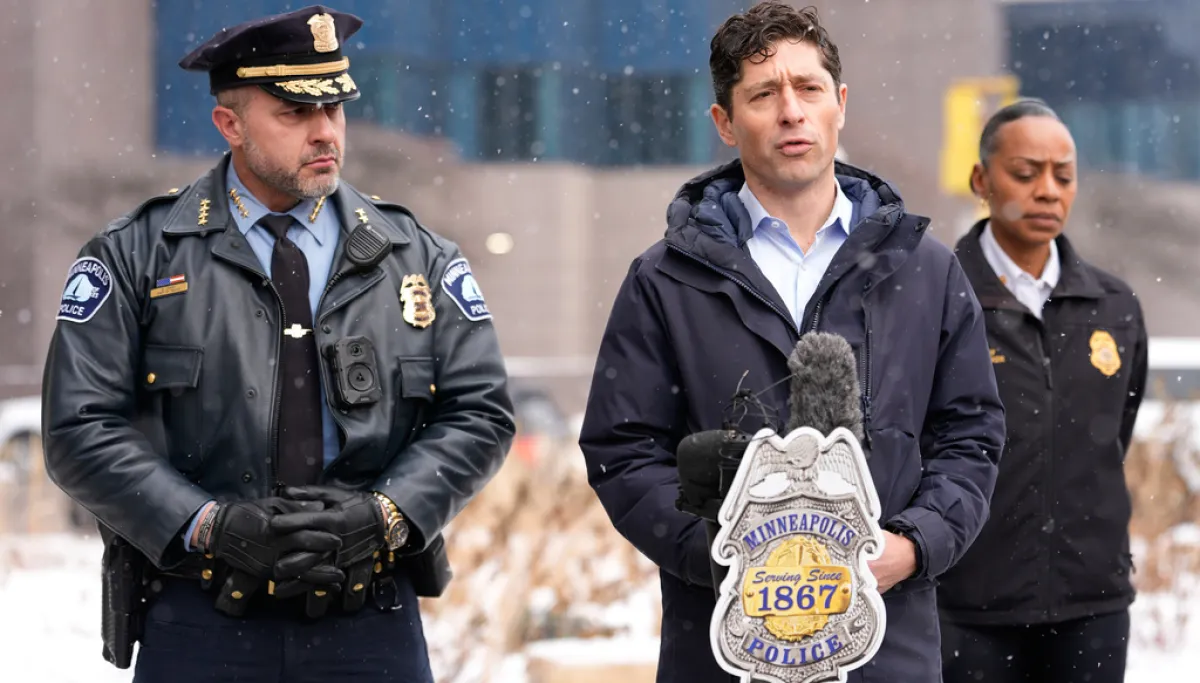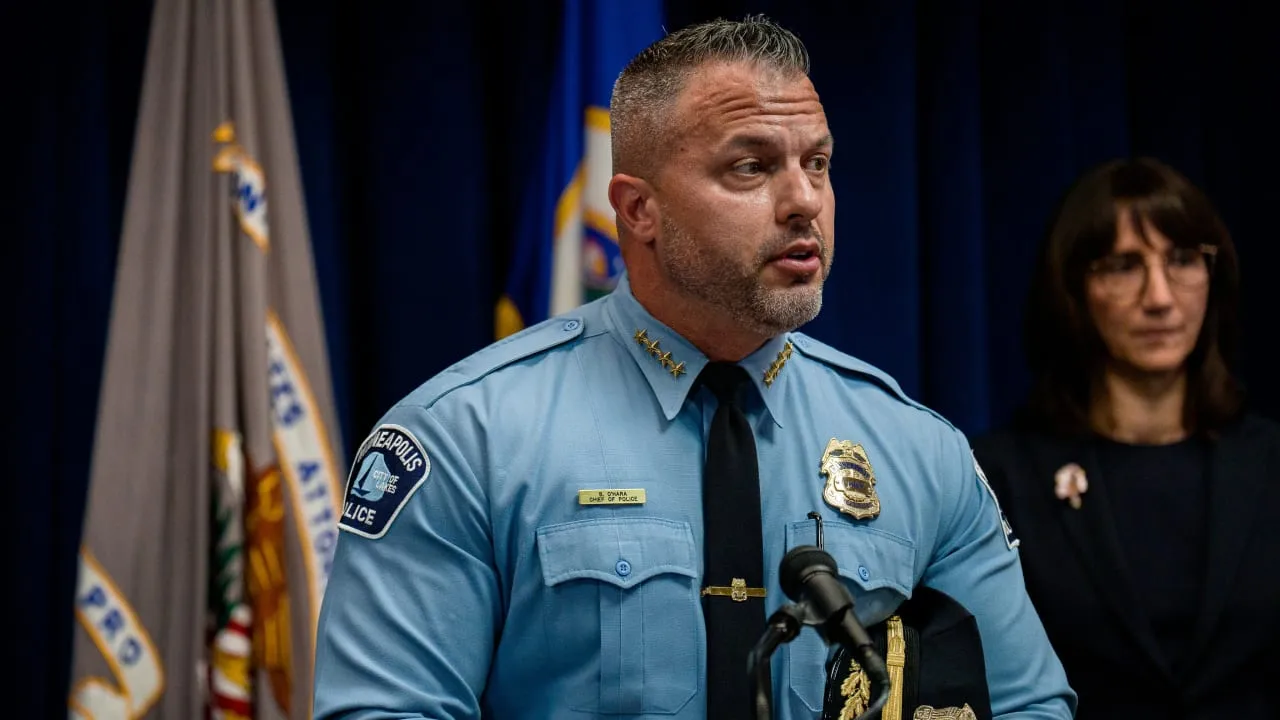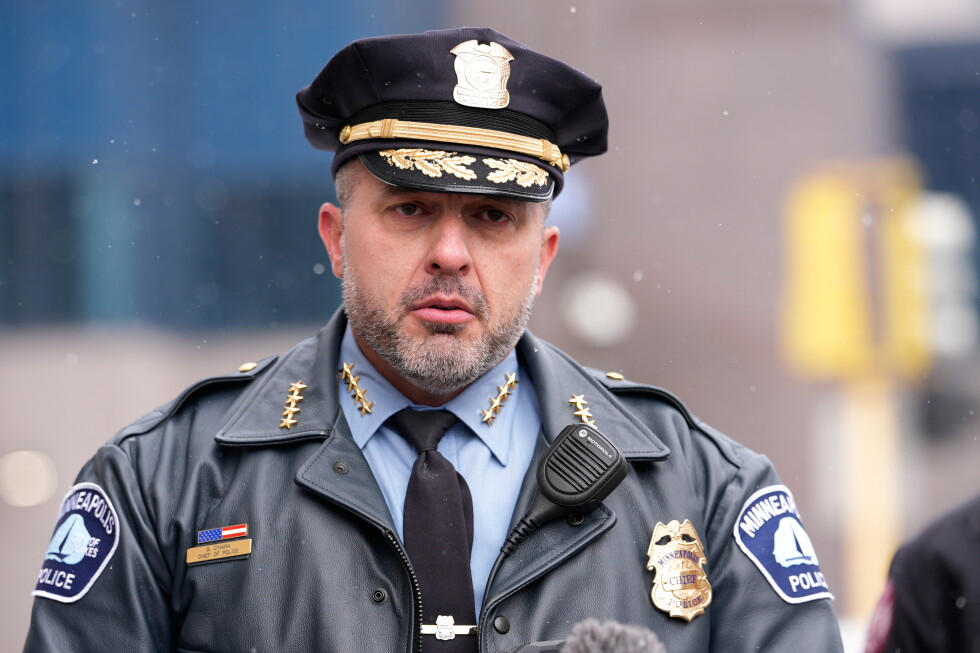
MINNEAPOLIS (AP) — In a city that often seems to be staggering from one crisis to the next, the sudden resignation of police Chief Brian O’Hara after a finding he likely interfered in a misconduct investigation has left Minneapolis searching again for a way forward.O’Hara was an outsider brought in with a mandate to reform the police department after the 2020 killing of George Floyd, which led to federal and state investigative findings of excessive force and racist policing practices. O’Hara had spent most of his career in Newark, New Jersey, where he instituted changes after that department was put under a federal consent decree for patterns of excessive force and unconstitutional stops and searches.The challenges in Minneapolis were clear before O’Hara arrived in late 2022. For a time, it had seemed the department itself might not survive. In 2021, more than 43% of voters supported disbanding the department as the city reeled from Floyd’s killing and the massive protests and widespread rioting that followed.
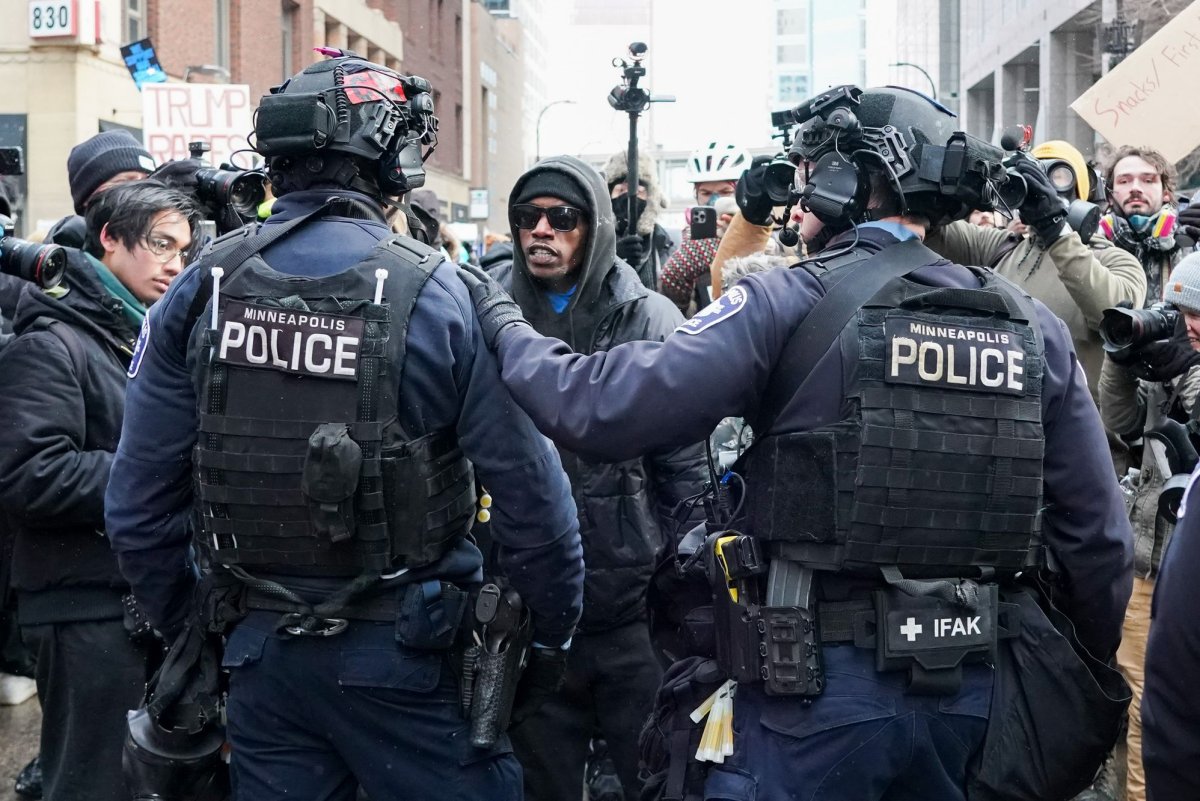
O’Hara was faced with a daunting challengePolicing experts had noted the monumental task that faced the city’s next police chief, who would have to rebuild community trust and a department whose morale had dipped so low that it was hemorrhaging officers.“I don’t think there was a bigger challenge to any American city than what Minneapolis faced when he arrived,” said Chuck Wexler, executive director of a Washington think tank, the Police Executive Research Forum. “They had gone from 850 to 500 officers, violent crime was significantly up, trust with the community was broken, a police station had burned down and a federal consent decree would face the next chief. Then you had the politics of Minneapolis.”