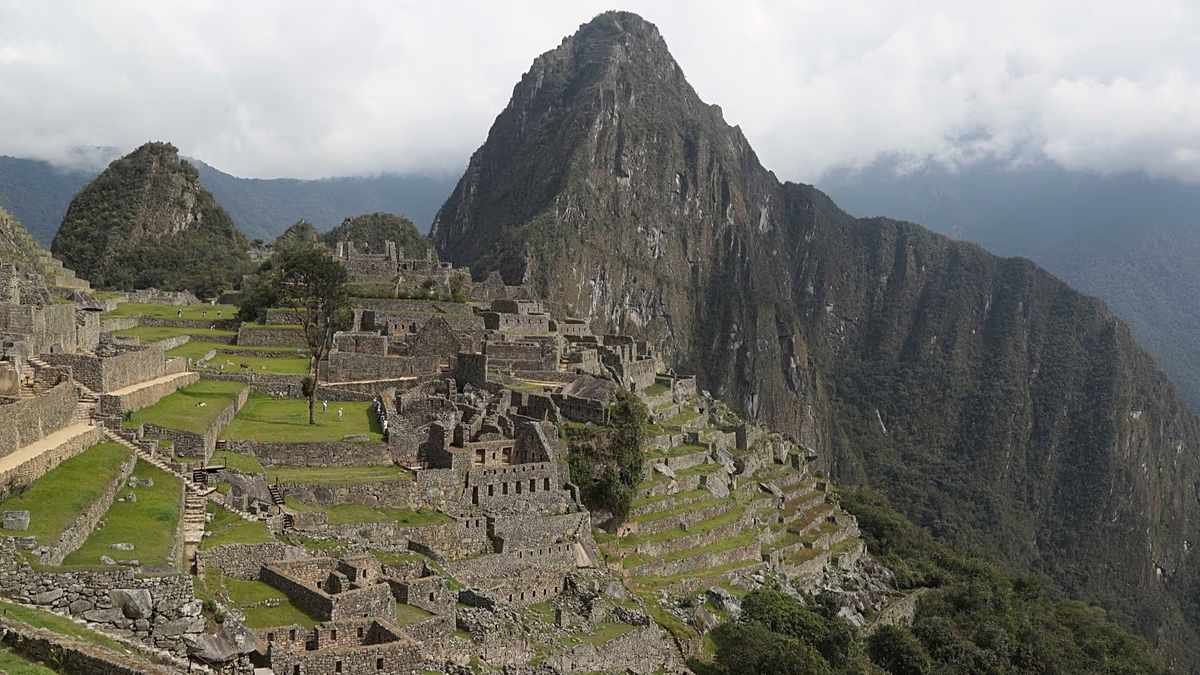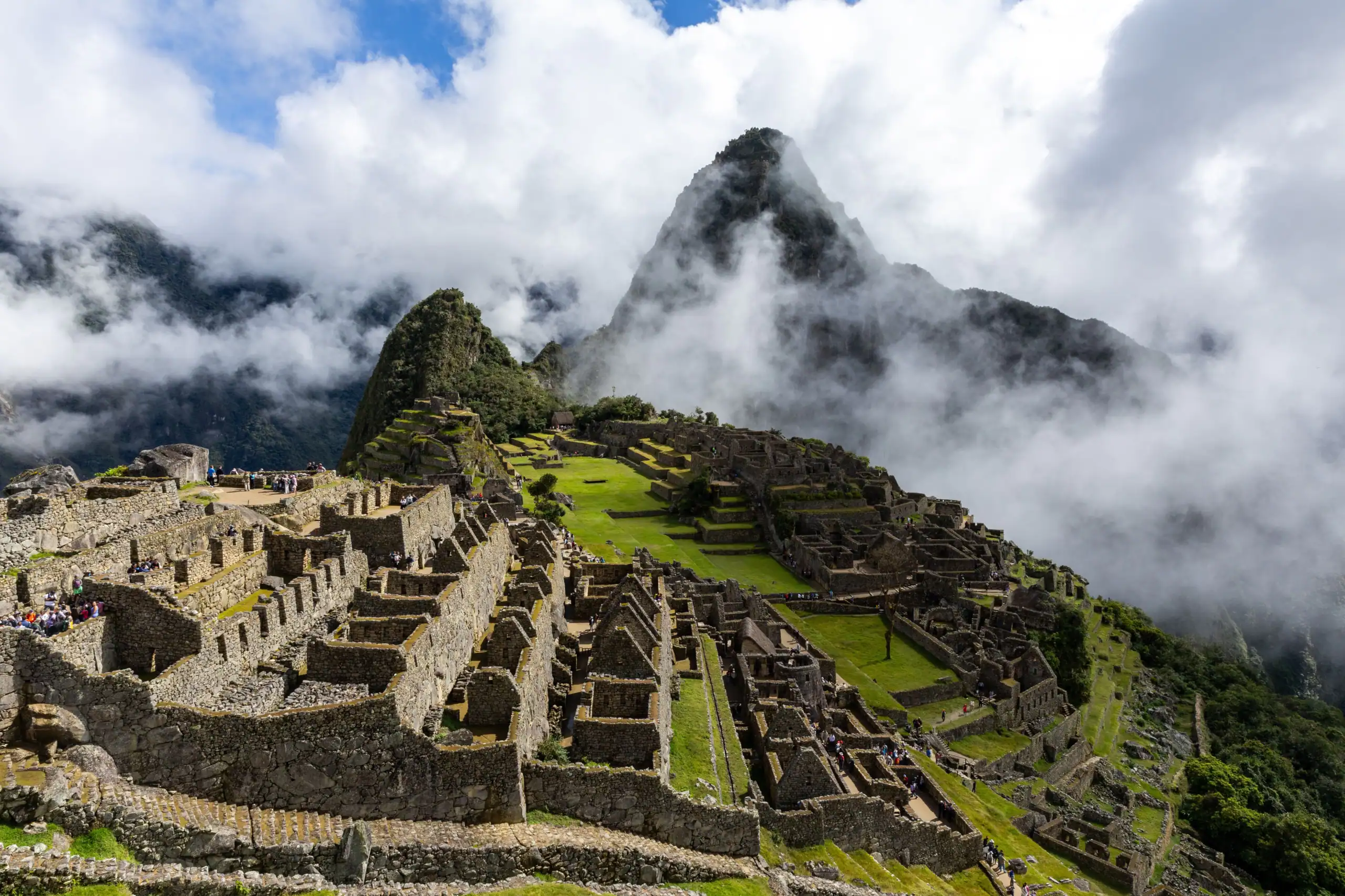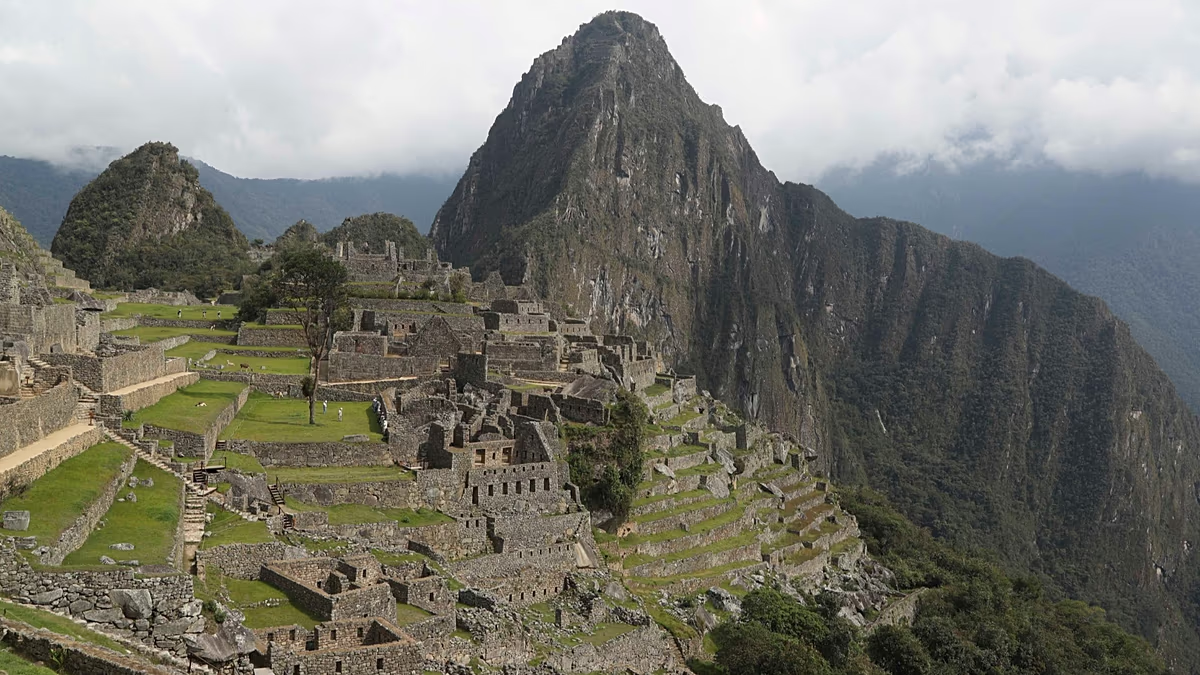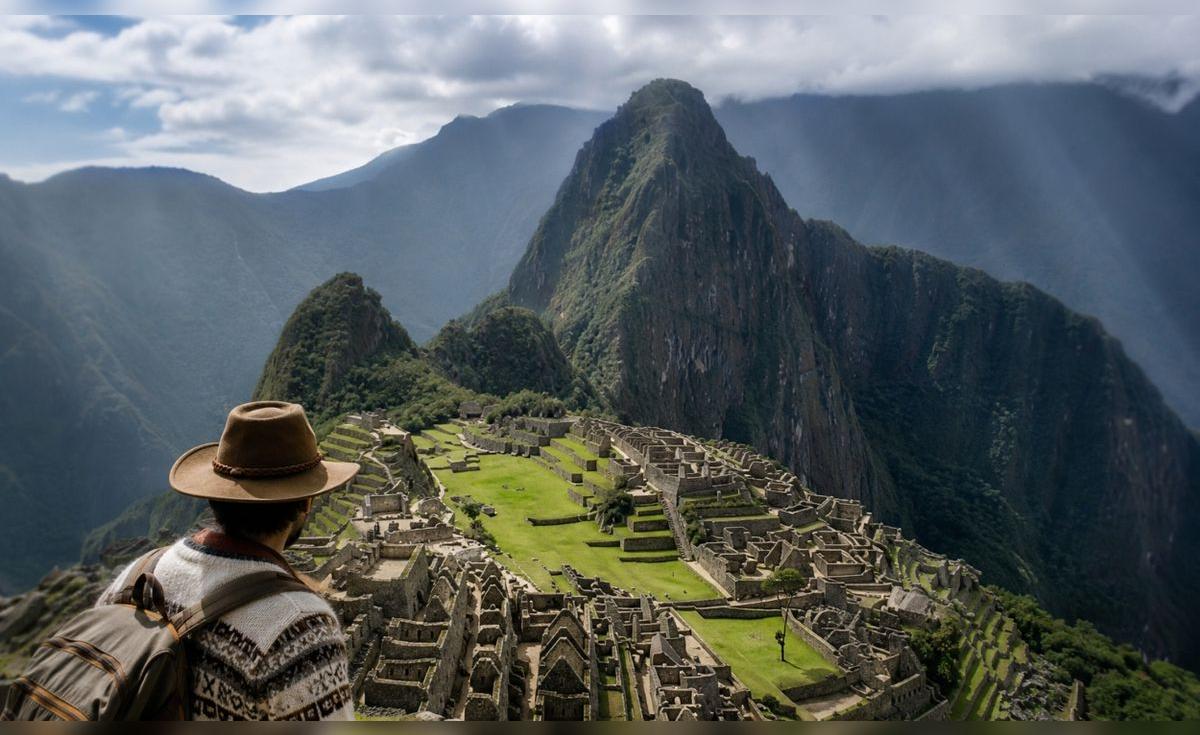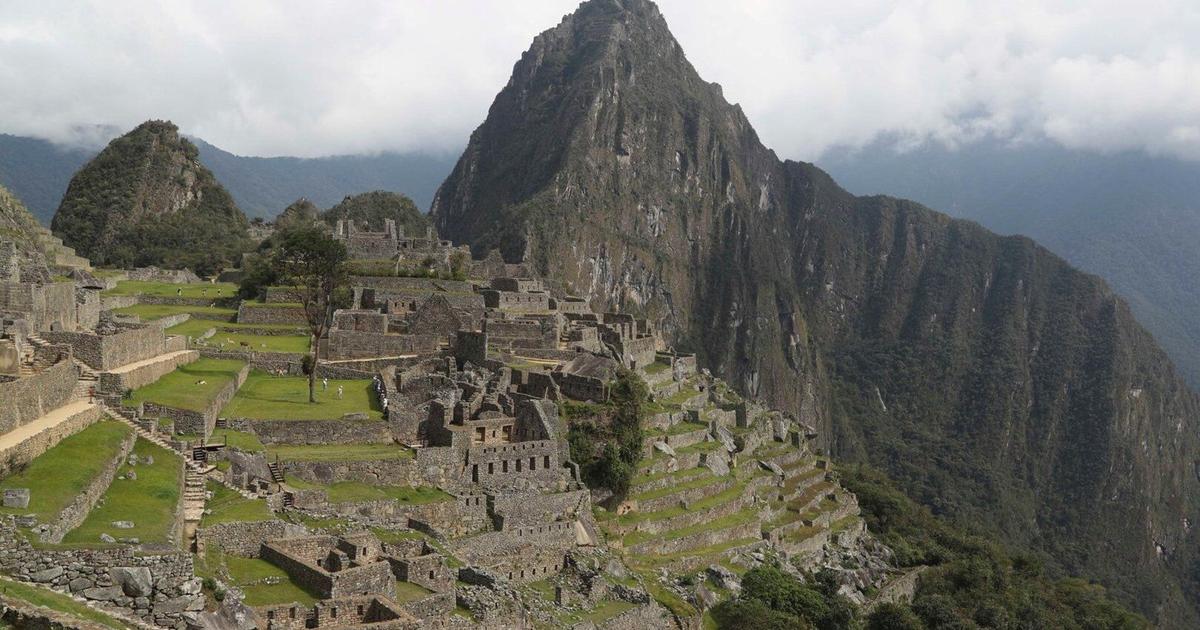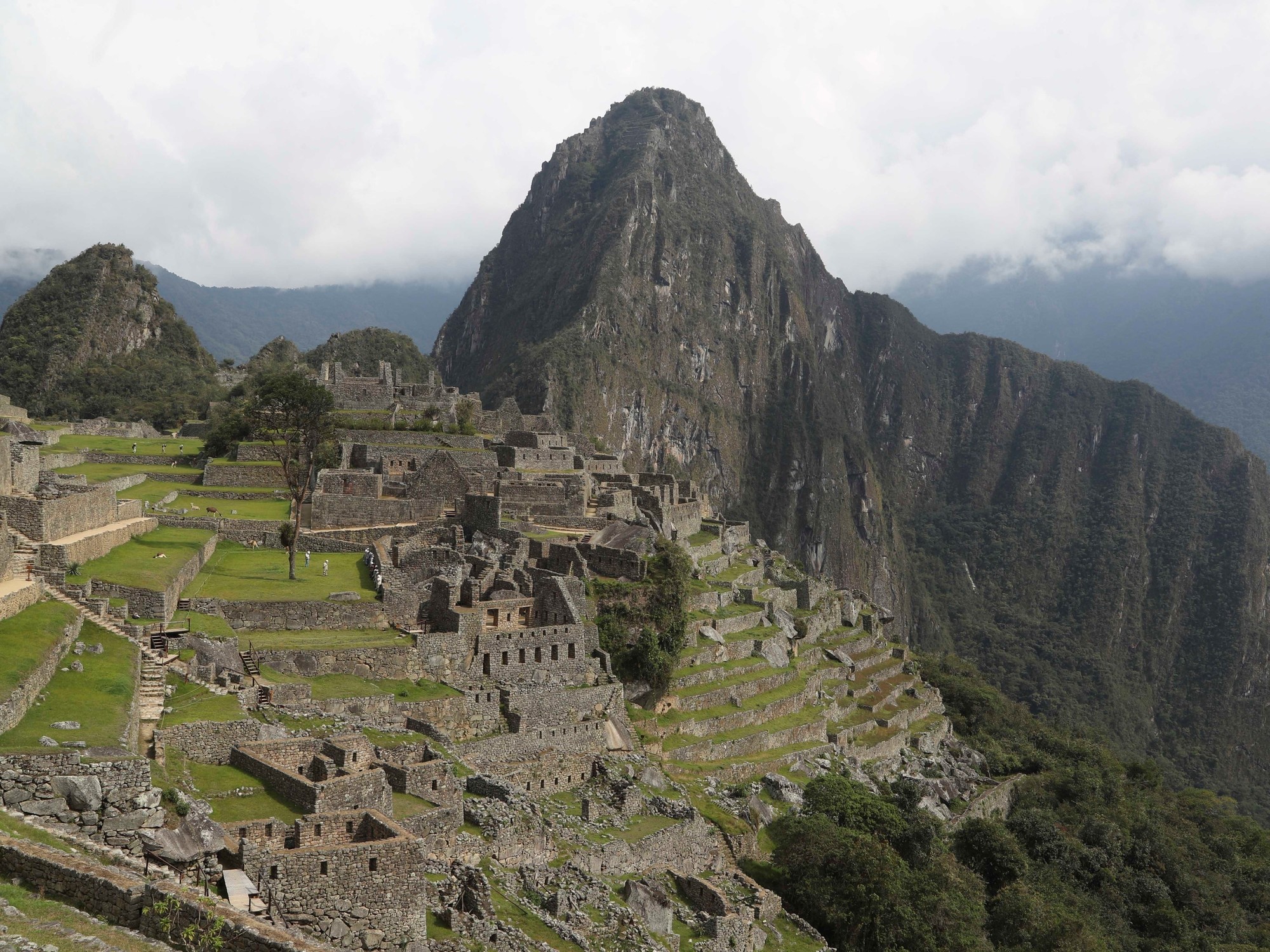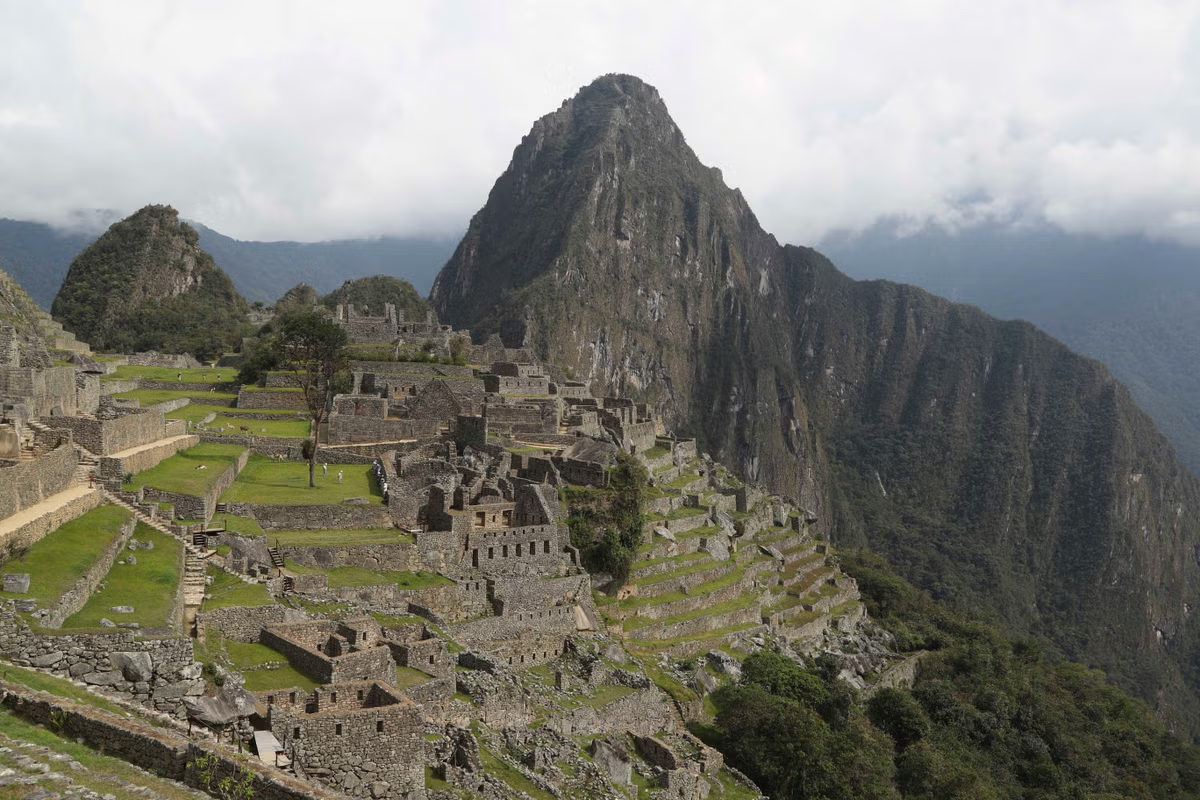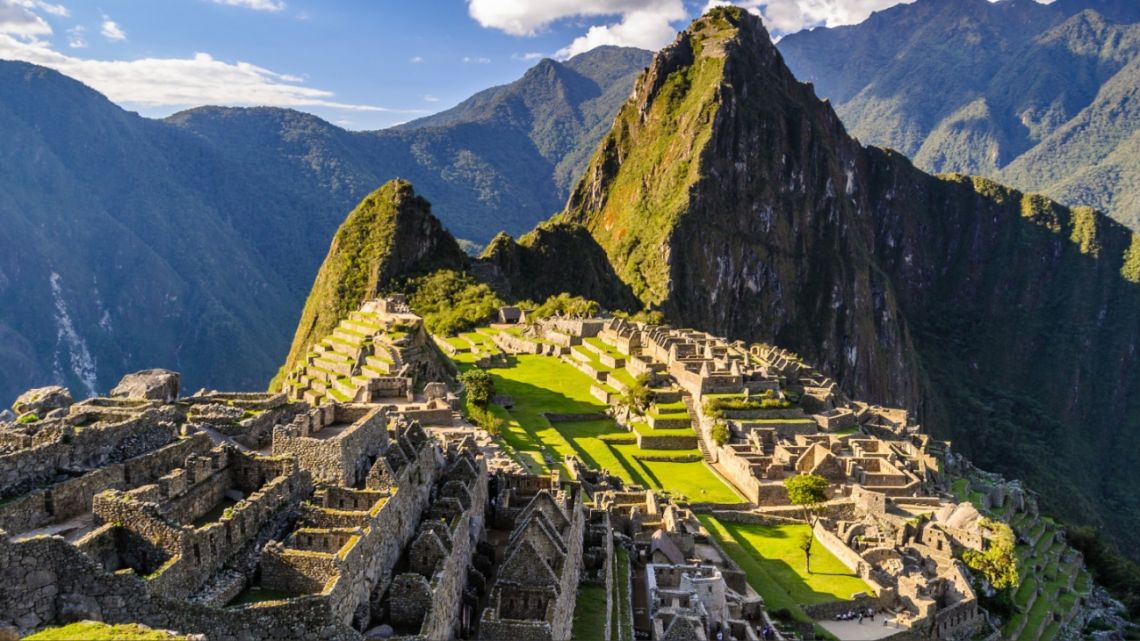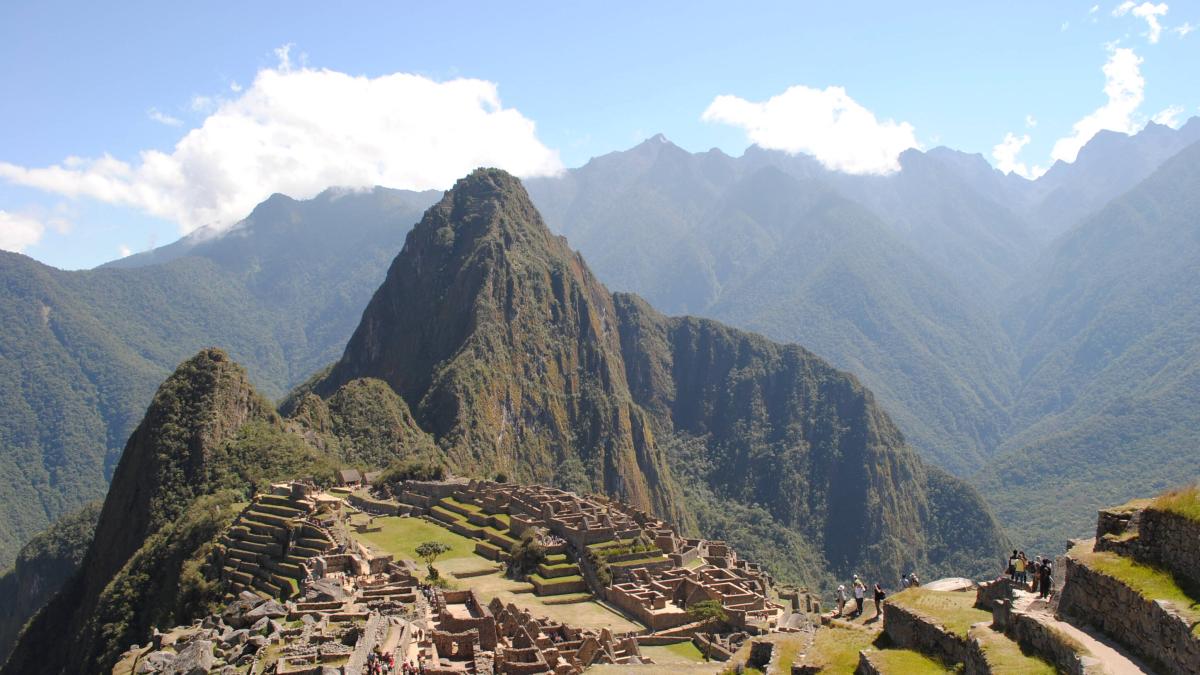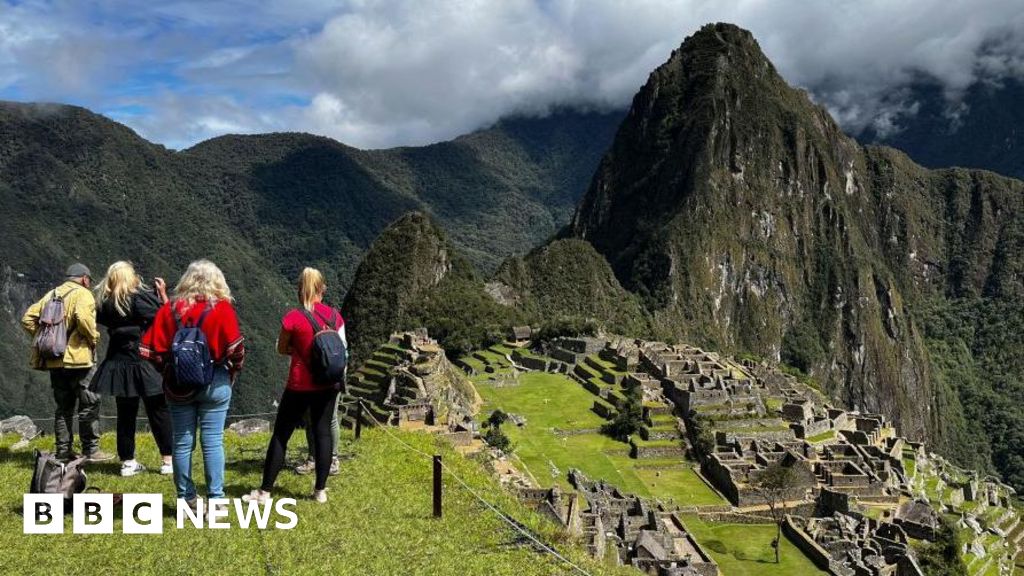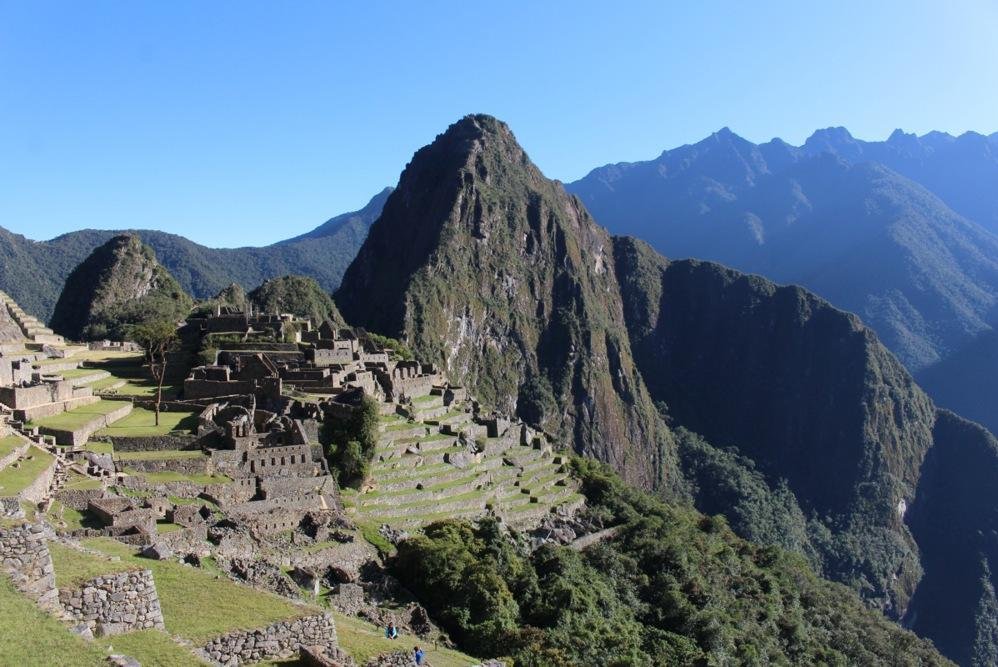
Machu Picchu has a new strategy against overtourismgettyMachu Picchu’s new management plan places the sanctuary within a wider global effort to curb overtourism through taxes, caps, and tighter access rules. In 2026, destinations from Japan to Spain are using similar measures to protect against overtourism.There are two main ways that countries or regions manage overtourism. One is to use tourist taxes that add an extra charge to hotel rooms, for example, that may be ringfenced by authorities to manage overtourism. The other is to reduce the number of visitors allowed to visit a place at any one time. In many cases, they work concurrently to better manage tourists, sometimes with additional action plans—such as encouraging them to stay longer and/or visit other nearby, lesser-known areas.Overtourism Strategies In Japan, 2026Japan is a good example of a country that has been tackling overtourism in the past few years. According to the Japan National Tourism Organization (JNTO), Japan welcomed slightly over 3,6 million international travelers in March 2026, up 3.5% from 2025.Mount Fuji, in Japan, is limiting climbers on the Yoshida Trail to 4,000 per day and has increased the charge by 4,000 yen, from 1,000 yen. This is just one example of how Japan is tackling overtourism more broadly. Civil servants in the town of Fujikawaguchiko erected a black wall to try to stop tourists from deluging the town to take photos in front of a backdrop of Mount Fuji. The city of Fujiyoshida canceled its cherry blossom festival to ease locals’ concerns, aiming to deter some of the 200,000 annual visitors who come during that time. The City of Kyoto is introducing a higher accommodation tax in 2026, the highest in the country, with the maximum tax of 10,000 yen per night (about $63). Overtourism Strategies In Europe, 2026In Europe, Edinburgh is introducing a visitor levy from July 2026, where visitors will pay 5% of their hotel accommodation taxes on top of the nightly rate for the first five nights of their stay—the first Scottish city to do so. From the 1st of April 2026, to help finance affordable housing and curb visitor numbers, Barcelona's tourist tax will double, with visitors paying up to €15 per night (approximately $18). Several other European cities will keep their visitor controls in place. Good examples are Venice, which charges a day-trip entry fee that varies by booking timing, and Santorini, which introduced a limit of 8,000 cruise ship passengers per day. Overtourism Strategies At Machu Picchu, 2026The Peruvian government recently approved its master plan for Machu Picchu through 2031 to curb overtourism at the site. It includes stronger visitor controls, defined circuits, conservation priorities, and greater community involvement, particularly important given the controversial construction of the Chinchero International Airport nearby, due in 2027.For Hedder Quispe Puente de la Vega, founder of Cusco-based tour operator Machu Travel Peru, which operates exclusively with small groups of six to eight travellers, the plan is a necessary evolution and the timing key, saying as a result, “Machu Picchu will be experienced in a more organized, less crowded, and more meaningful way,” protecting “a cultural and natural legacy that belongs to the world.”Crucially, the strategy also supports diversifying tourism beyond Machu Picchu, encouraging travelers to explore the wider Sacred Valley and surrounding regions, helping distribute economic benefits while reducing overtourism pressures on the sanctuary itself. Hedder says, “This plan validates what responsible operators have been advocating for years.”MORE FROM FORBESForbesWhen Is The Best Time Of Year To Visit Machu Picchu?By Alex LedsomForbesMore Americans, Especially Women, See Europe As A Plan BBy Alex LedsomForbesThe Iran Conflict Is Reshaping Middle East Tourism Habits (And Beyond)By Alex Ledsom
Machu Picchu Joins Governments Worldwide To Curb Overtourism In 2026
From Machu Picchu in Peru to Mount Fuji in Japan, 2026 is the year to implement new tourist taxes and visitor caps. Here's what to know.
606 words~3 min read