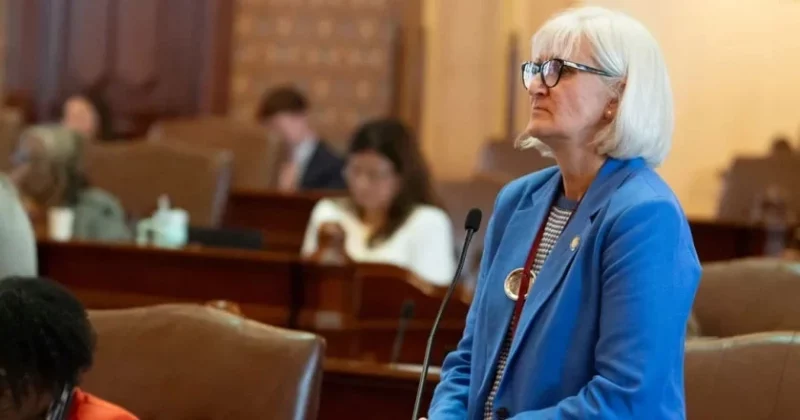
Didech made it clear in that interview, however, that he never would have sponsored the bill if the federal government hadn’t delayed implementing meaningful protections.
“The states shouldn’t be doing this,” Didech said. “The best way to regulate these types of catastrophic risks would be a federal approach.” But “the reality is that Congress has not taken up this issue yet, and the technology is developing at such a rapid pace that states have had no choice but to step in.”
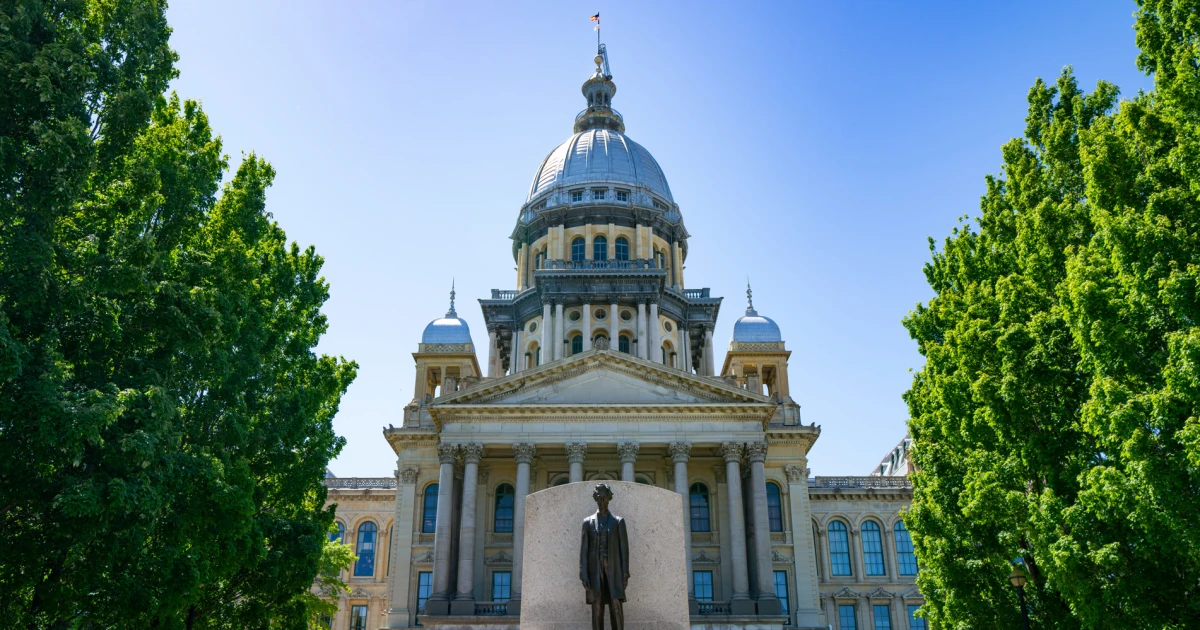
Once Pritzker puts the law on the books, AI firms will be subject to its provisions starting January 1, 2027. While the legislation stipulates that there is no private right of action, any violations could expose firms to civil penalties.
Steve Wimmer, a senior policy and technical advisor for the Transparency Coalition, worked with Illinois lawmakers on the language of the law. His nonprofit group lobbies to influence generative AI policies and advocates for AI technologies to be “developed and used in ways which prioritize safety, transparency, and the public good,” the website says.
In a post on the Transparency Coalition site, Wimmer said his group considers the law to be “one of the most important pieces of legislation in 2026.”