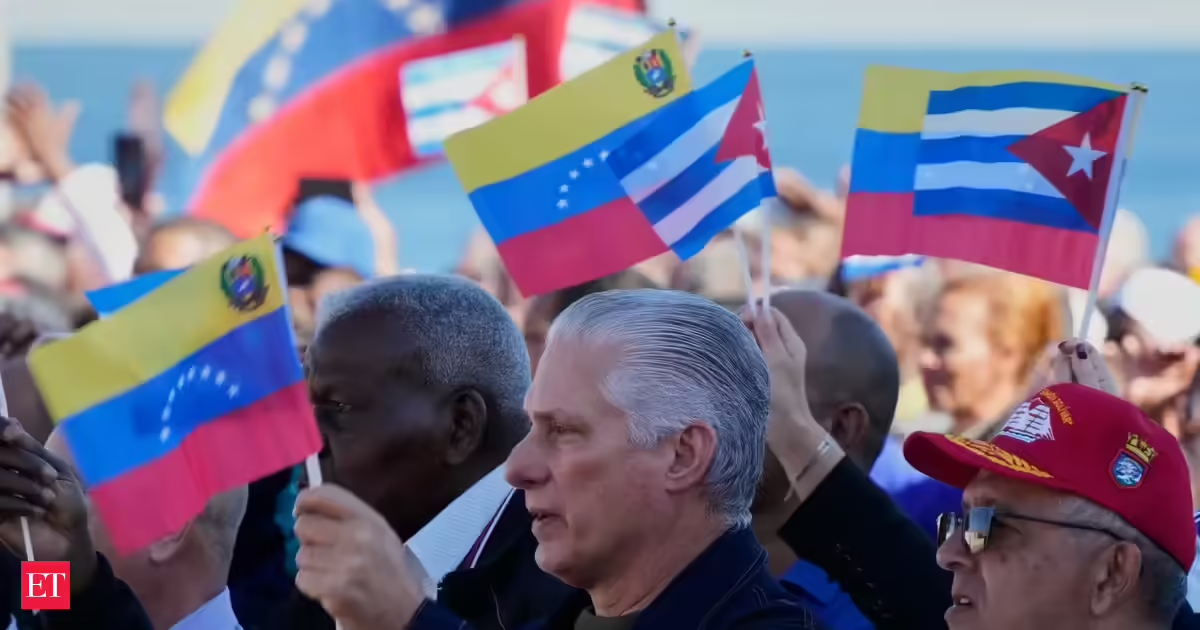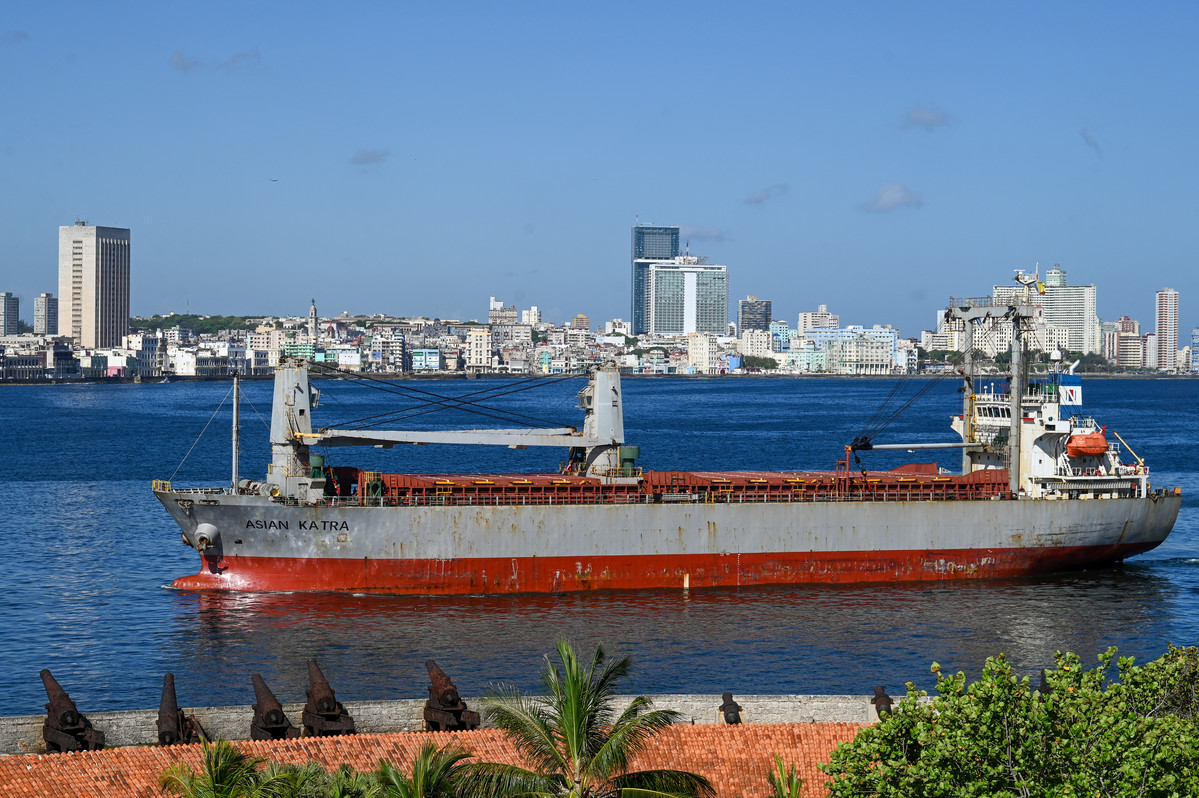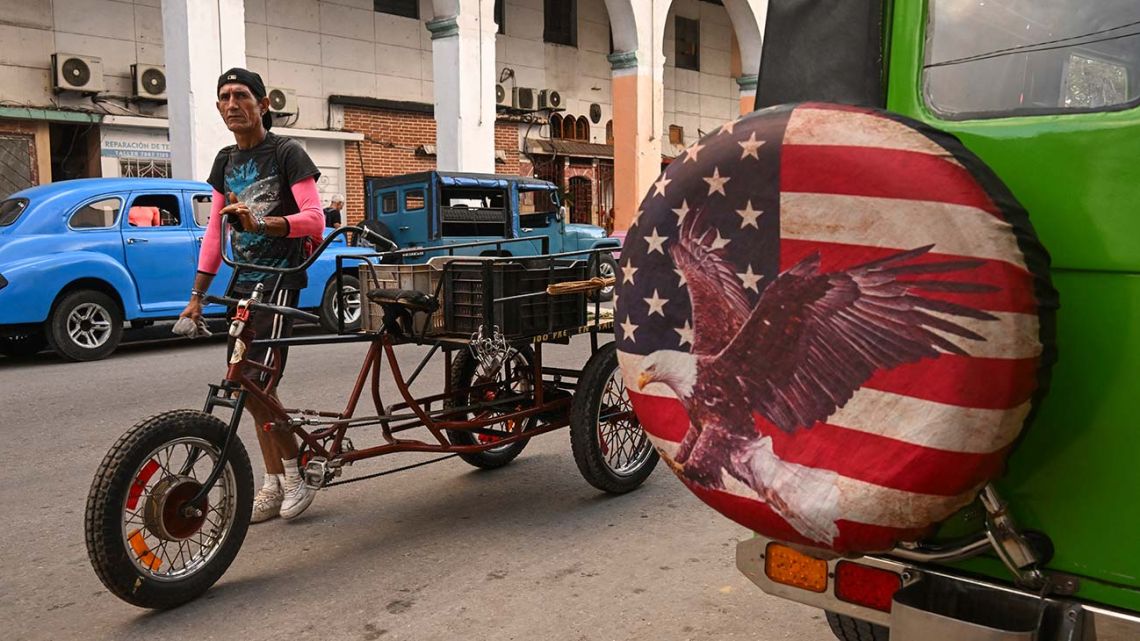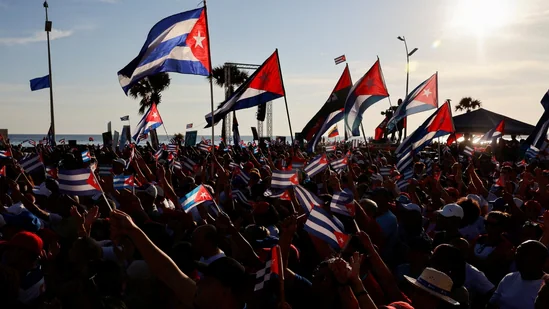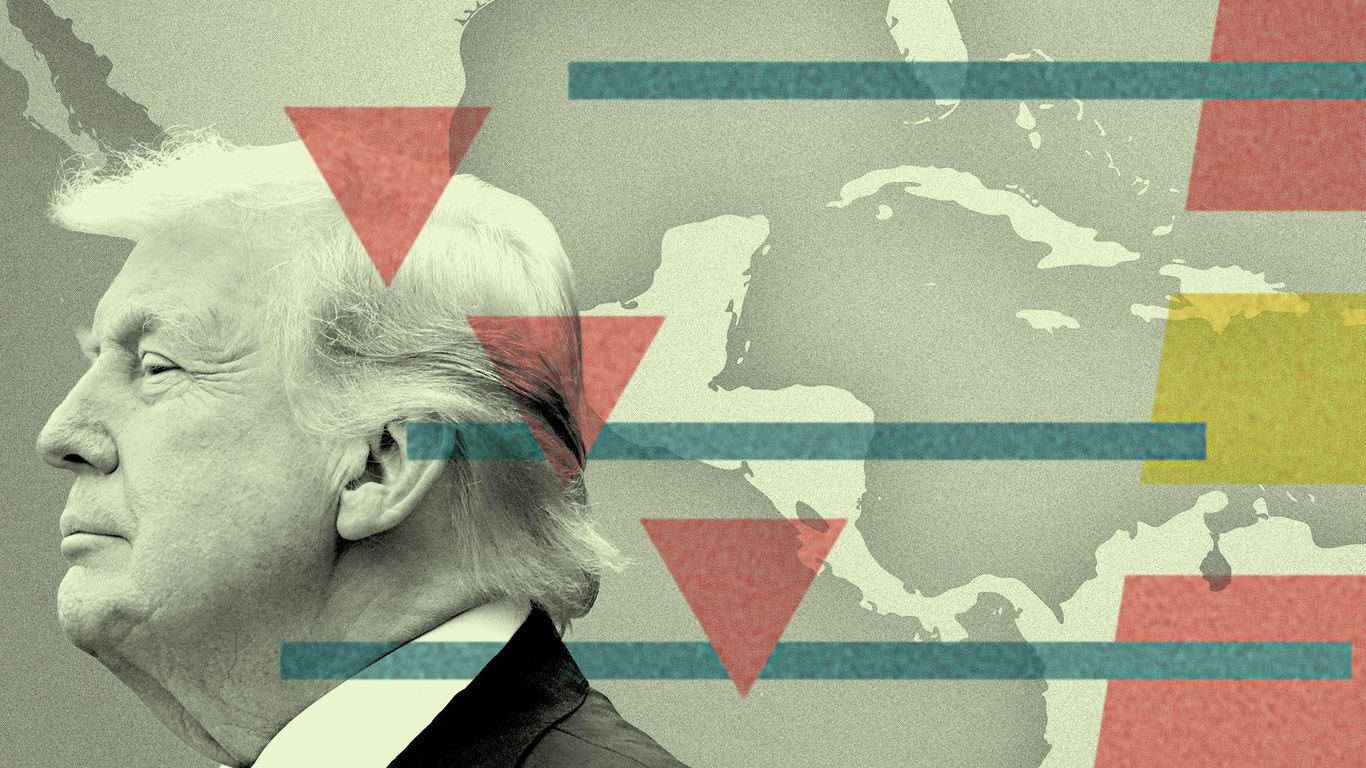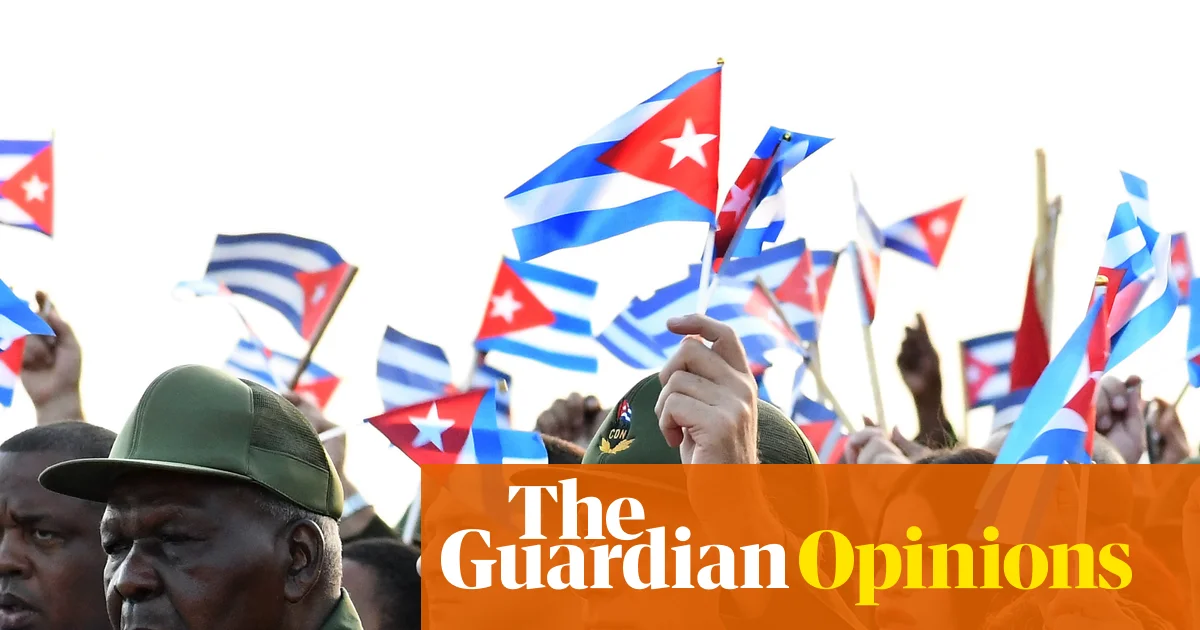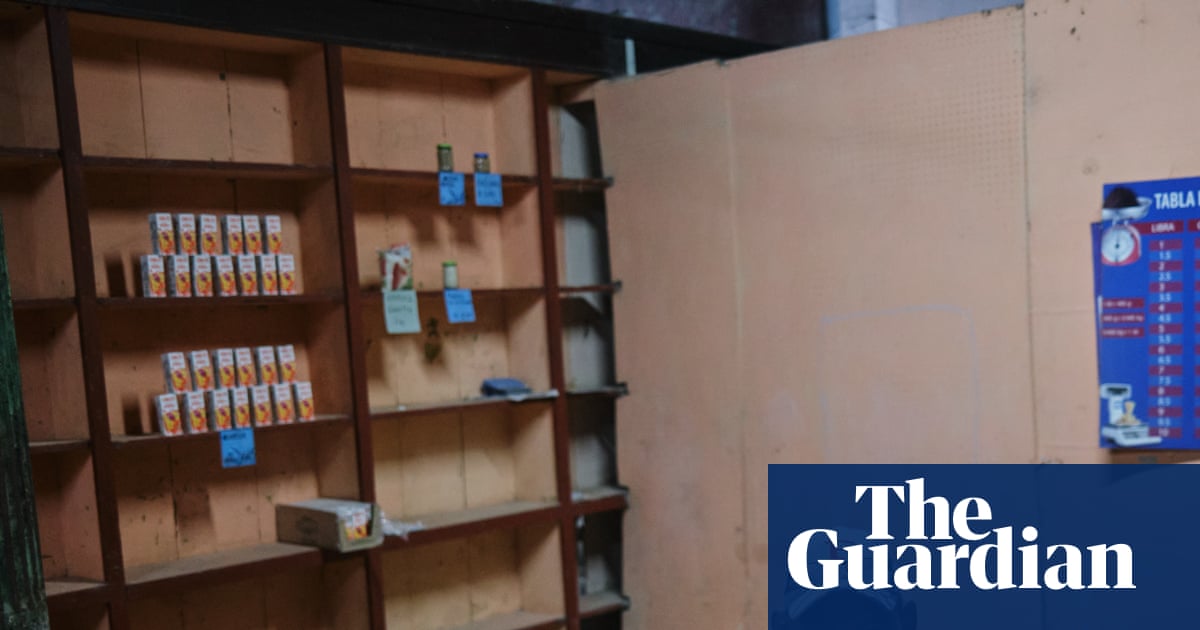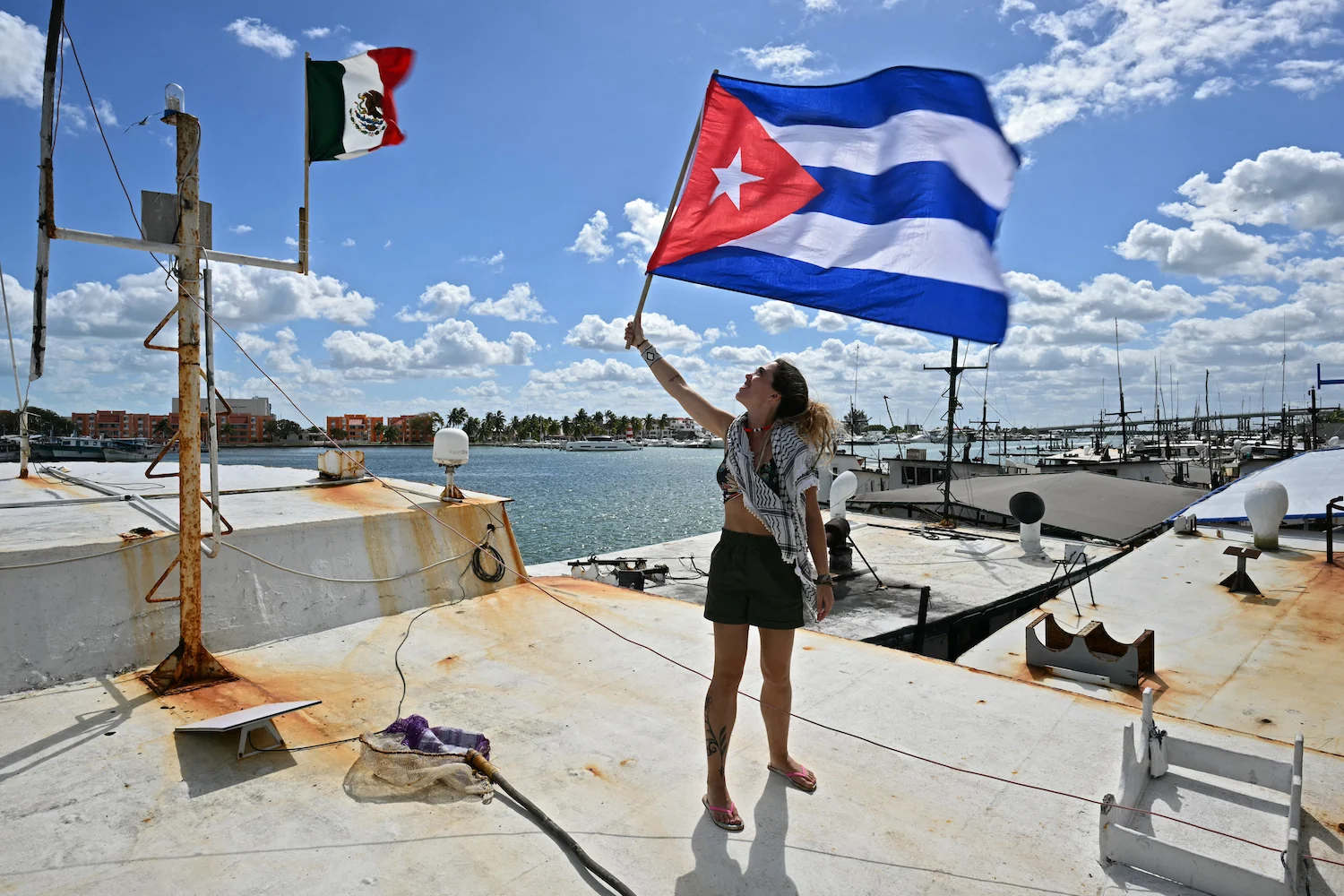
One of the goals of the Trump administration’s pressure campaign against Cuba—including a comprehensive oil embargo, expanded U.S. Defense Department contingency planning, a U.S. indictment of former Cuban President Raúl Castro, and increasing calls on Capitol Hill for a military intervention—is to foment internal dissent that would lead to the toppling of the communist regime on the island. But the efforts have failed so far because emigration, Cuba’s most reliable release valve for dissent, remains functional despite U.S. efforts to shut it down.
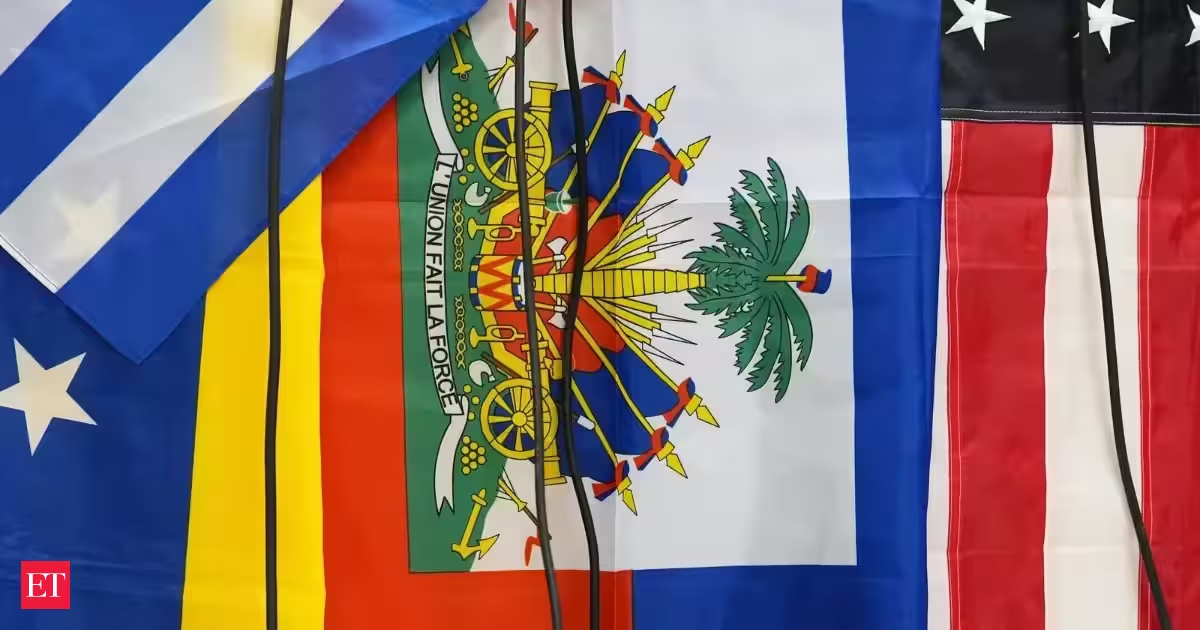
In previous periods of political and economic crisis, most Cuban migrants went to the United States. But a growing share is now heading to Latin America, including Brazil and Mexico. These destination countries bear the downstream costs of U.S. policy toward Cuba, giving them leverage that could shape their responses to Washington’s future actions in the hemisphere.
One of the goals of the Trump administration’s pressure campaign against Cuba—including a comprehensive oil embargo, expanded U.S. Defense Department contingency planning, a U.S. indictment of former Cuban President Raúl Castro, and increasing calls on Capitol Hill for a military intervention—is to foment internal dissent that would lead to the toppling of the communist regime on the island. But the efforts have failed so far because emigration, Cuba’s most reliable release valve for dissent, remains functional despite U.S. efforts to shut it down.