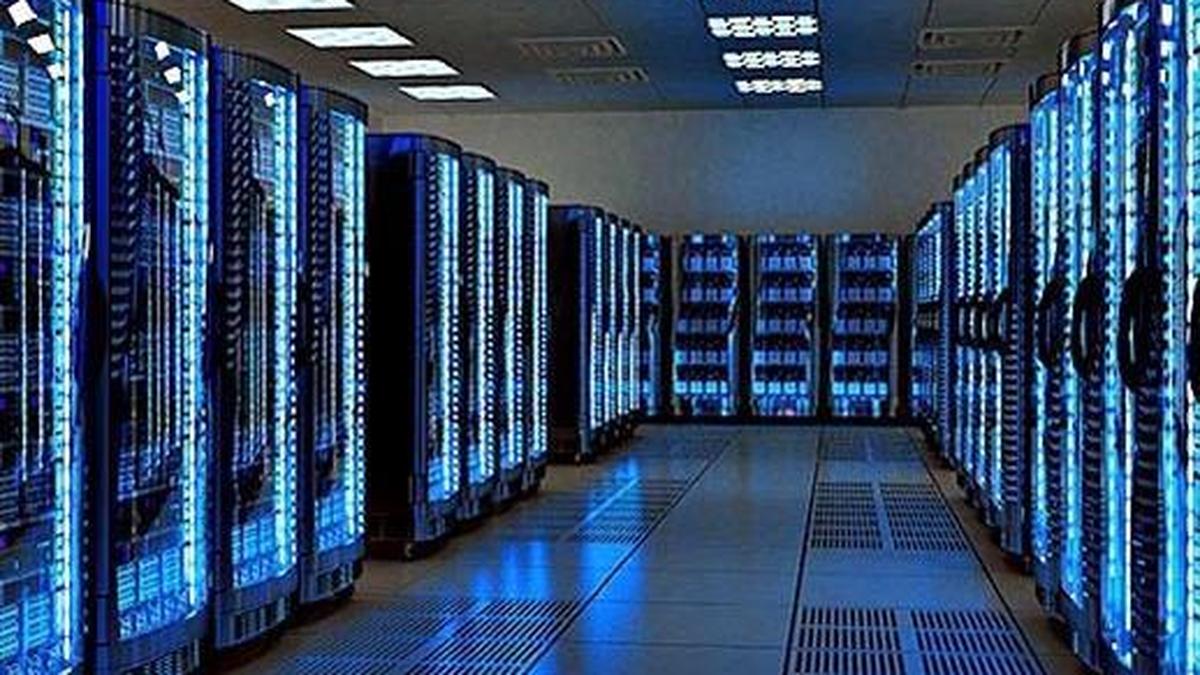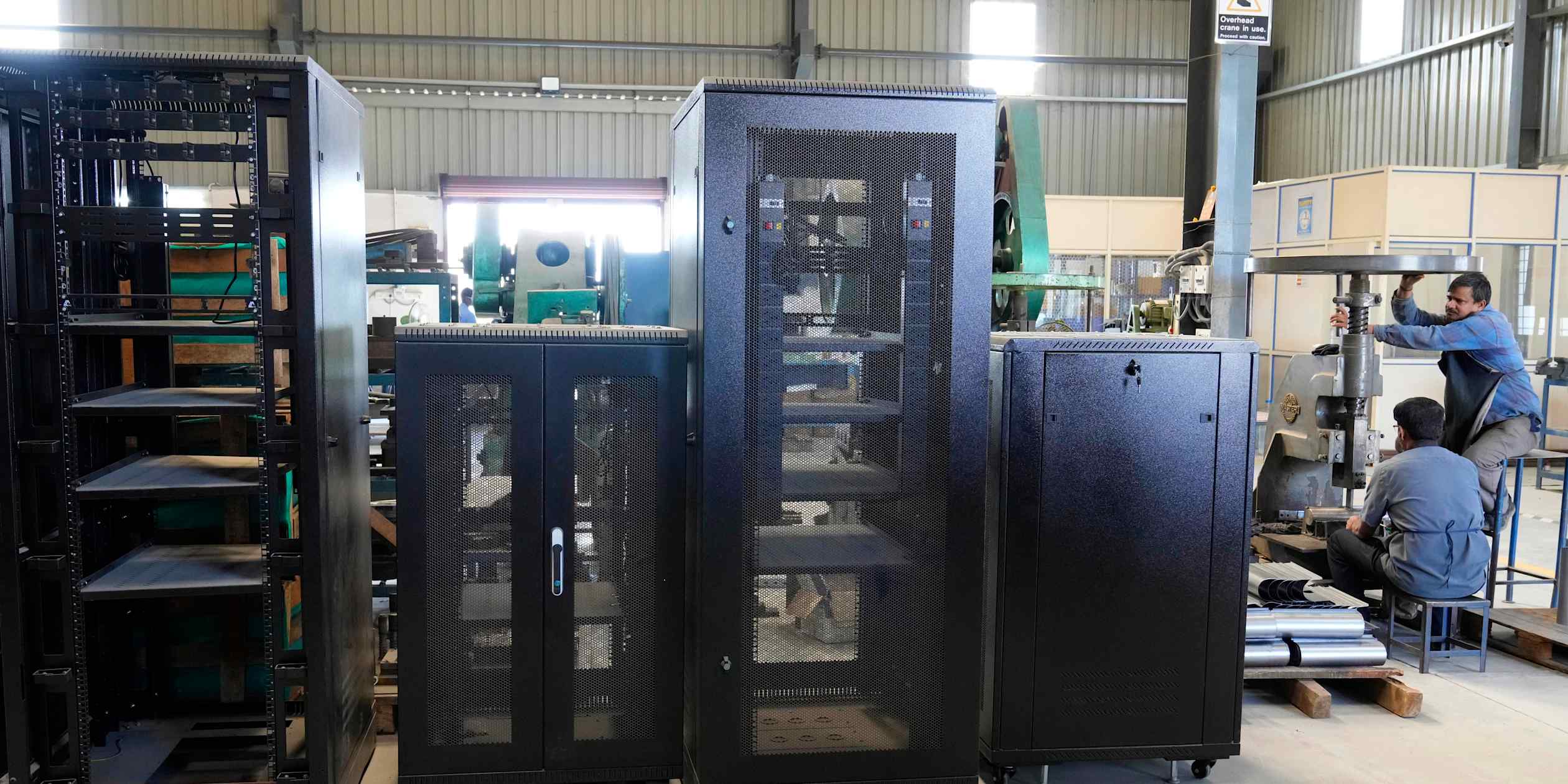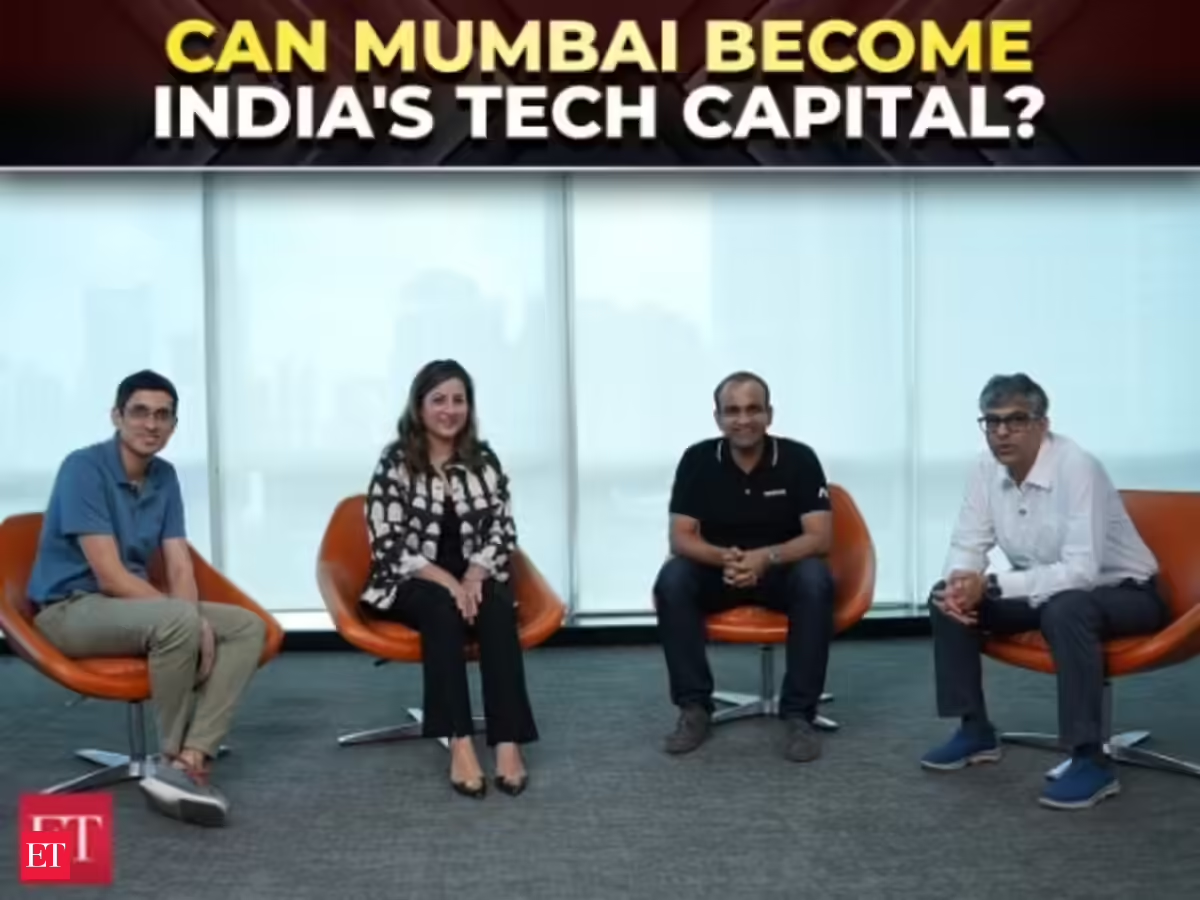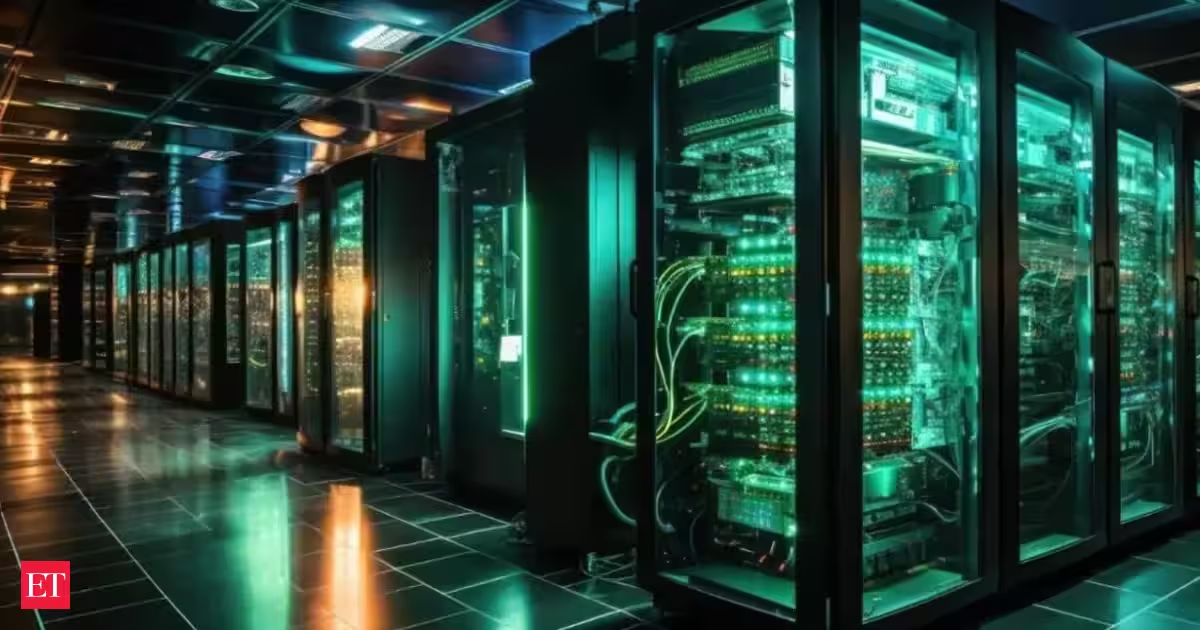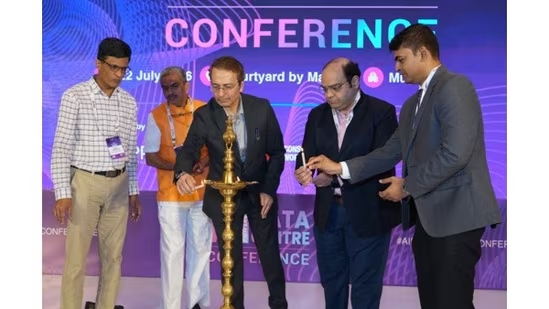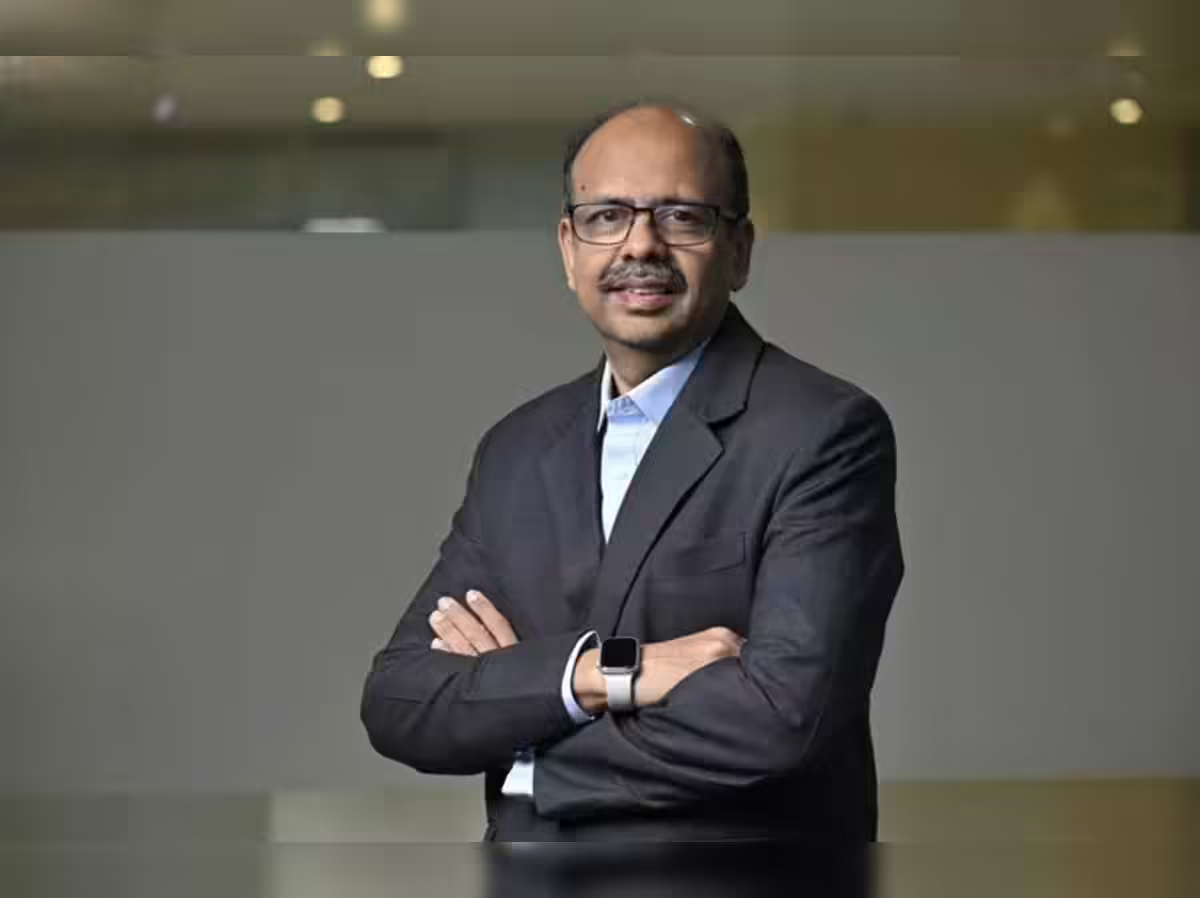
India’s commercial capital, home to all the financial regulators, stock exchanges and four out of five biggest companies making up the Nifty 50 leaderboard, will continue to lead the country’s data-center business due to its power infrastructure, subsea cable connectivity and enterprise concentration, top technology entrepreneurs told ET.“Mumbai is the data centre capital of India. Nearly 50% of India’s data centre capacity is here,” said Sharad Sanghi, founder and CEO of Neysa AI. “The next wave of AI adoption will be enterprise-led, and Mumbai is where those enterprises are headquartered.”Sanghi spoke with ET ahead of the Tech Entrepreneurs Association of Mumbai’s (TEAM) two-day event starting Friday. Others joining the discussions on subjects ranging from AI and jobs were Aakrit Vaish, cofounder of Activate, an early-stage AI fund, and Naiyya Saggi, founder of Babychakra and new-age appliance maker EDT.Launched in 2022 by Dream Sports founder Harsh Jain and Vaish to stem the outflow of tech talent from Mumbai, TEAM has grown from 26 members to nearly 100 startup founders and operators across sectors.According to a report by financial services company Avendus, the data centre sector has seen $5 billion in transaction activity over the last three years, backed by global institutional investors, infrastructure funds, and strategic operators, with three to four IPOs expected in the next three years. AI-led infrastructure demand could drive the deployment of 650,000 to 700,000 GPUs in India’s data centres over the next five years, unlocking a $23 billion investment opportunity.Yet, even as the infrastructure story gathers momentum, India’s broader AI ambitions face a more sobering reality.The AI BusIndia has over 100 promising AI startups, but global benchmarks and capital requirements have moved dramatically higher, and 93% of core AI research talent globally remains concentrated within a five-mile radius in Silicon Valley, leaving the country with a significant gap in foundational AI research capacity, said Vaish.Vaish, who co-founded conversational AI platform Haptik before it was acquired by Reliance Jio, launched Activate in December 2025 alongside Pratyush Choudhary, targeting a $75 million corpus to back early-stage AI founders in India with cheques of $500,000 to $3 million at the inception stage. The fund’s thesis centres on backing deep technical founders before company formation, across AI applications, foundational models, and physical infrastructure.“India has a lot of great emerging companies being built locally. But 103 companies don’t need more than a few million dollars to get off the ground. Total investment in those companies ends up being a few hundred million dollars. That is an angel check for a big lab today,” Vaish said.On the impact of AI on jobs and talent creation, Saggi said Mumbai continues to produce one of the country’s largest pools of engineering talent, while sectors such as BFSI, healthcare, media, and consumer internet are increasingly adopting AI-led solutions. India’s AI market is projected to grow from $13 billion in 2025 to $131 billion by 2032 at a roughly 39% CAGR, supported by rising enterprise adoption and investments in domestic AI capabilities, including indigenous large language models.“Last year, we started with a job fair. This year, we have received over 30,000 applications for AI-related jobs, all based out of Mumbai,” Saggi said. “AI is not killing jobs in India — it is creating an entirely new category of them.”The founders also highlighted the role of policy support and government partnerships. TEAM has been working closely with the Maharashtra government on multiple initiatives, including AI-focused infrastructure and ecosystem development. The Avendus report noted that over 38,000 GPUs have already been committed under the IndiaAI Mission, with over 22,000 allocated to AI workloads and set to be deployed in the near term.“There are areas where policy plays a disproportionate role — you have to look at India-centric models and India-centric solutions, and the knowledge of that would ideally come from India-centric founders,” Saggi said. “We cannot copy-paste Silicon Valley playbooks onto Indian problems.”Vaish added that the window for Indian startups to build globally competitive AI products is narrowing. “The cost of building AI has come down, but the cost of winning has gone up. You need distribution, data, and domain depth and Indian founders have all three if they move fast enough,” he said.
'With 50% of India’s capacity, Mumbai is the country’s data centre capital' - The Economic Times
Sanghi spoke with ET ahead of the Tech Entrepreneurs Association of Mumbai’s (TEAM) two-day event starting Friday. Others joining the discussions on subjects ranging from AI and jobs were Aakrit Vaish, cofounder of Activate, an early-stage AI fund, and Naiyya Saggi, founder of Babychakra and new-age appliance maker EDT.
696 words~3 min read