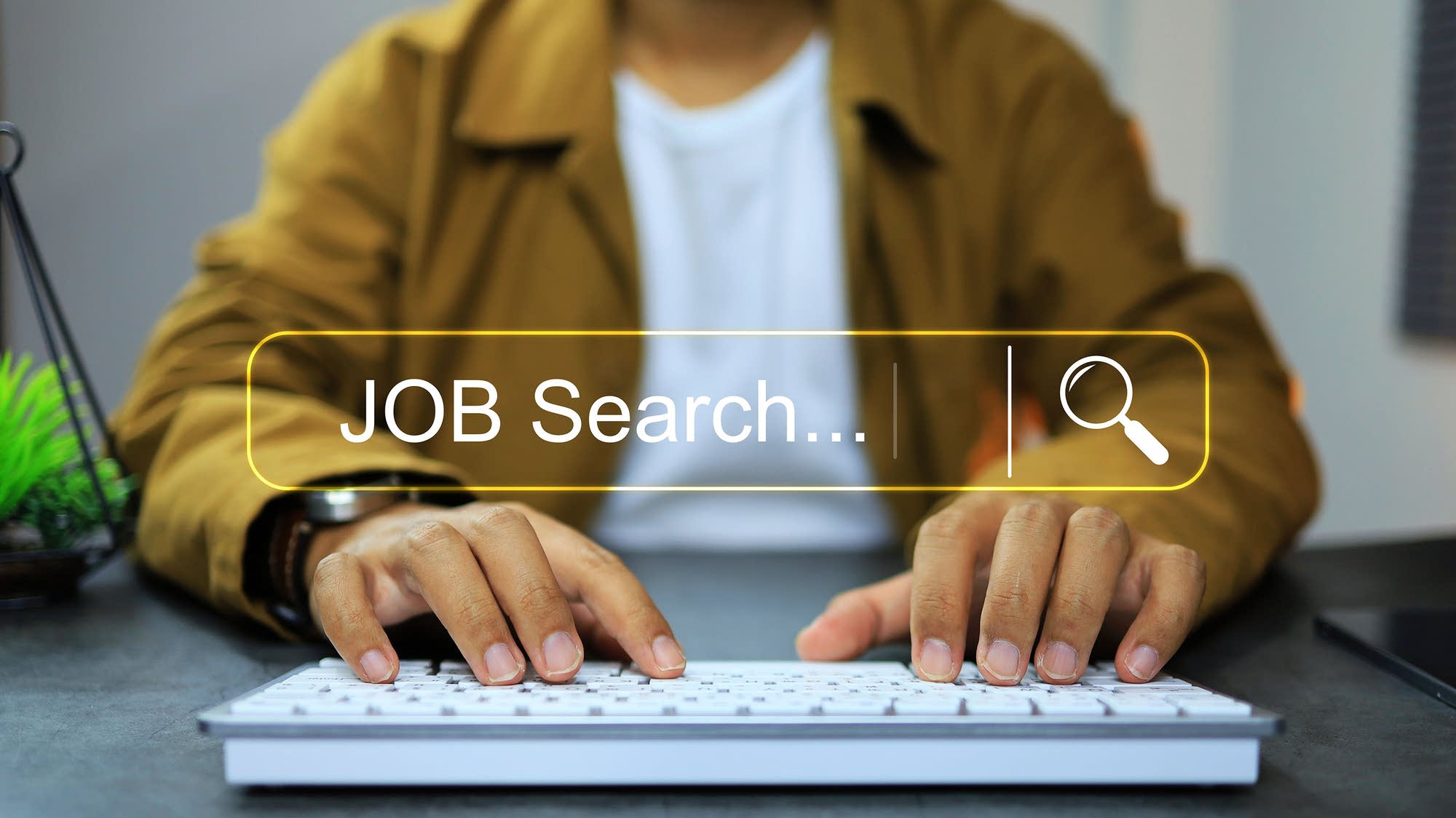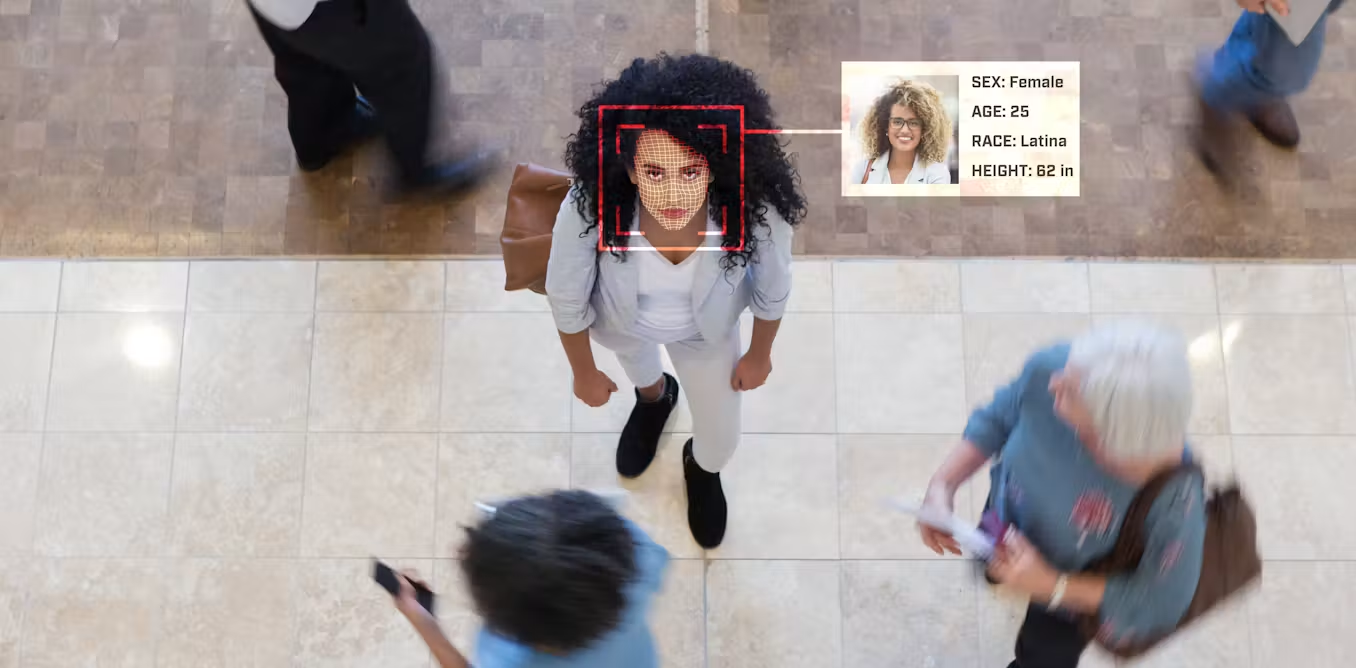
Photo by Helena Lopes on UnsplashUNSPLASH.COMIf you follow industry news, you may be aware of the lawsuit being brought against the HR platform Workday, which claims that AI has been unfairly screening out candidates based on factors like age, race and disability. Workday has denied the claims, insisting that hiring decisions are made by humans, and that AI is only used to compare a candidate’s qualifications with those listed in a job posting. “They [AI] are not trained to use—or even identify—protected characteristics…and there’s no evidence that the technology results in harm to protected groups,” a Workday spokesperson previously told Forbes. How the lawsuit unfolds remains to be seen. But regardless of the outcome, the issues around AI bias are very real. As we outsource more and more tasks to rapidly emerging technology, leaders need to not only consider the impacts these biases can have on everything from hiring decisions to customer interactions, but recognize that the legal and ethical responsibility for those outcomes still sits squarely with them.What Is AI Bias?AI is trained on large datasets—vast collections of existing information that has been generated over time. Like humans themselves, some of this data is flawed, reflecting the prejudices, blind spots and systemic inequities of the humans and institutions that produced it. “AI bias is born from data bias,” Adnan Masood, chief AI architect at digital transformation company UST, told the startup platform Built In. “It is a mirror and magnifier of existing inequalities. It amplifies the prejudices we already have.”This has very real implications for how AI behaves. If a company spent decades promoting men over equally qualified women, that pattern is evident in the data. If certain candidates were systematically passed over based on their age or the type of degree they held, that’s in there, too. While human biases can be identified and remedied, the same cannot necessarily be said for AI models. In addition to training data, biases may be unconsciously built into algorithms by developers—and once they’re there, they can be nigh impossible to remove. As Flavio Villanustre, global chief information security officer at LexisNexis Risk Solutions, told the Wall Street Journal: “It is absolutely difficult, and in some cases impossible—unless you can go back to square one and redesign it correctly with the right training data and the right architecture behind it.” The Risks Of AI BiasBecause AI bias is difficult to weed out, it’s important that leaders don’t treat it as a simple technical issue that can be handed off to engineering teams. By the time it surfaces in your operations, it could be in the form of a lawsuit, a regulatory audit or even a headline. Regulation, particularly when it comes to hiring, is well underway. Several states have already enacted laws targeting discrimination by AI and automated systems in employment. Colorado's AI Act, set to take effect later this year, will require employers deploying high-risk AI systems to take reasonable care to protect consumers from algorithmic discrimination. New York City already requires bias audits for AI hiring tools.Beyond the legal risk, there’s also your reputation. Candidates talk; so do employees. A pattern of AI-driven rejections targeting older workers or people with disabilities will likely surface with time. This matters—people care about organizational values. According to Accenture research that surveyed nearly 30,000 consumers globally, 65 percent say their purchasing decisions are influenced by the words, values and actions of a company's leaders. Whatever efficiency may be gained from over-reliance on a potentially biased AI, the trade-off will not be worth it. Getting Ahead Of AI BiasThe good news is that AI bias is manageable, provided leaders are willing to be proactive about curbing it. The most important thing? Ask the hard questions before you deploy. Don't wait until a tool is embedded in your operations to find out how it was built or what data it was trained on. Treat due diligence on AI tools the way you would any other high-stakes business decision—because that's exactly what it is.Once a particular tool is in use, check in on it regularly. Real-world deployments surface issues that may not happen in testing environments, and datasets that seemed balanced at launch can become outdated or skewed over time. AI is never a set-it-and-forget-it system, so build regular reviews into your process. As a general rule, AI should not be making decisions that affect people’s lives and livelihoods without human oversight. AI can be a powerful tool for efficiency, but it should never come at the cost of accountability. If a decision has real consequences for a real person, a human should be in the loop. It also helps to bring diverse perspectives into the room when evaluating AI systems. The blind spots in any model are easier to catch when the people reviewing it don't all share the same background, experience and frame of reference. The risks of AI bias are genuine, but they can be managed with enough due diligence and care. Get it right early, commit to ongoing monitoring and protect yourself and your business in the long-term.
The Smart Leaders’ Guide To Stopping AI Bias In Its Tracks
As we outsource more and more tasks to AI, leaders need to consider the impacts that AI bias can have on everything from hiring decisions to customer interactions.
845 words~4 min read