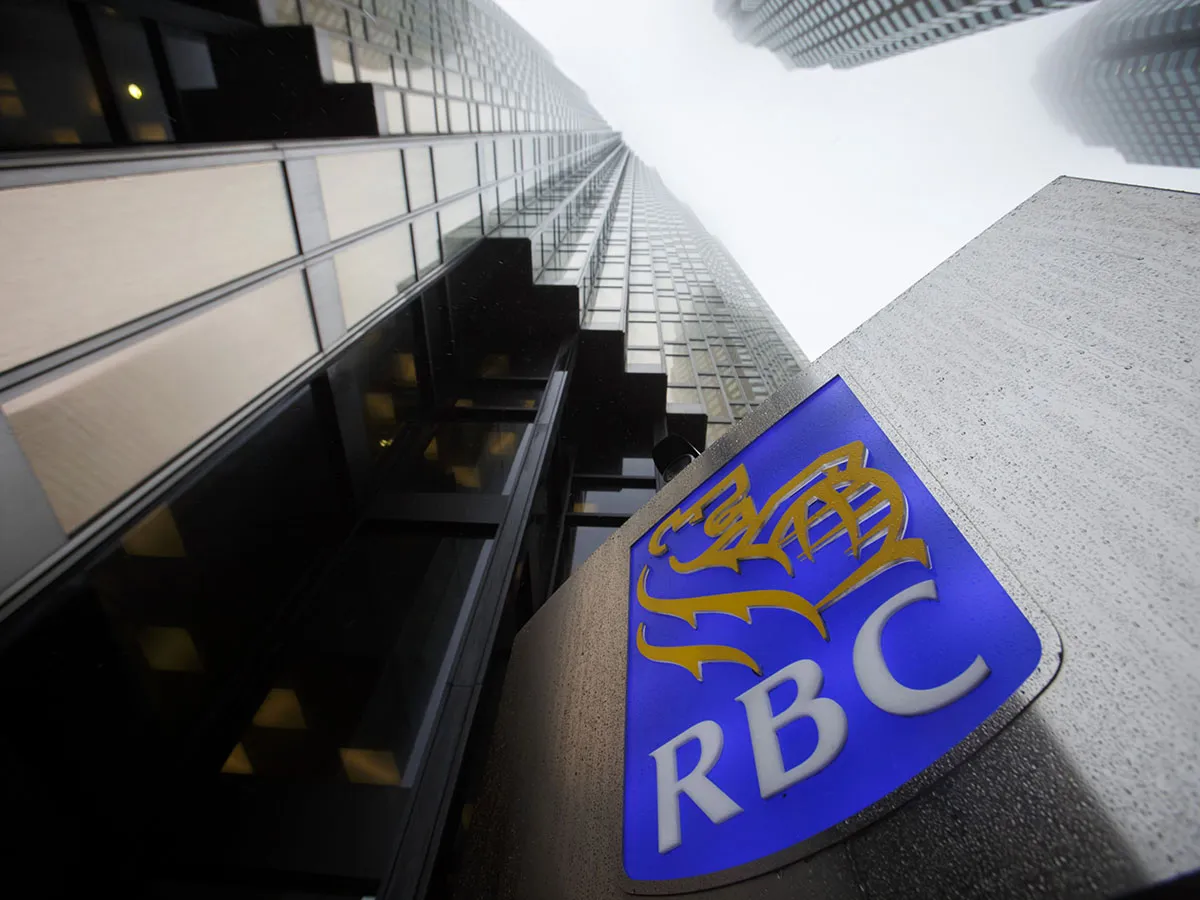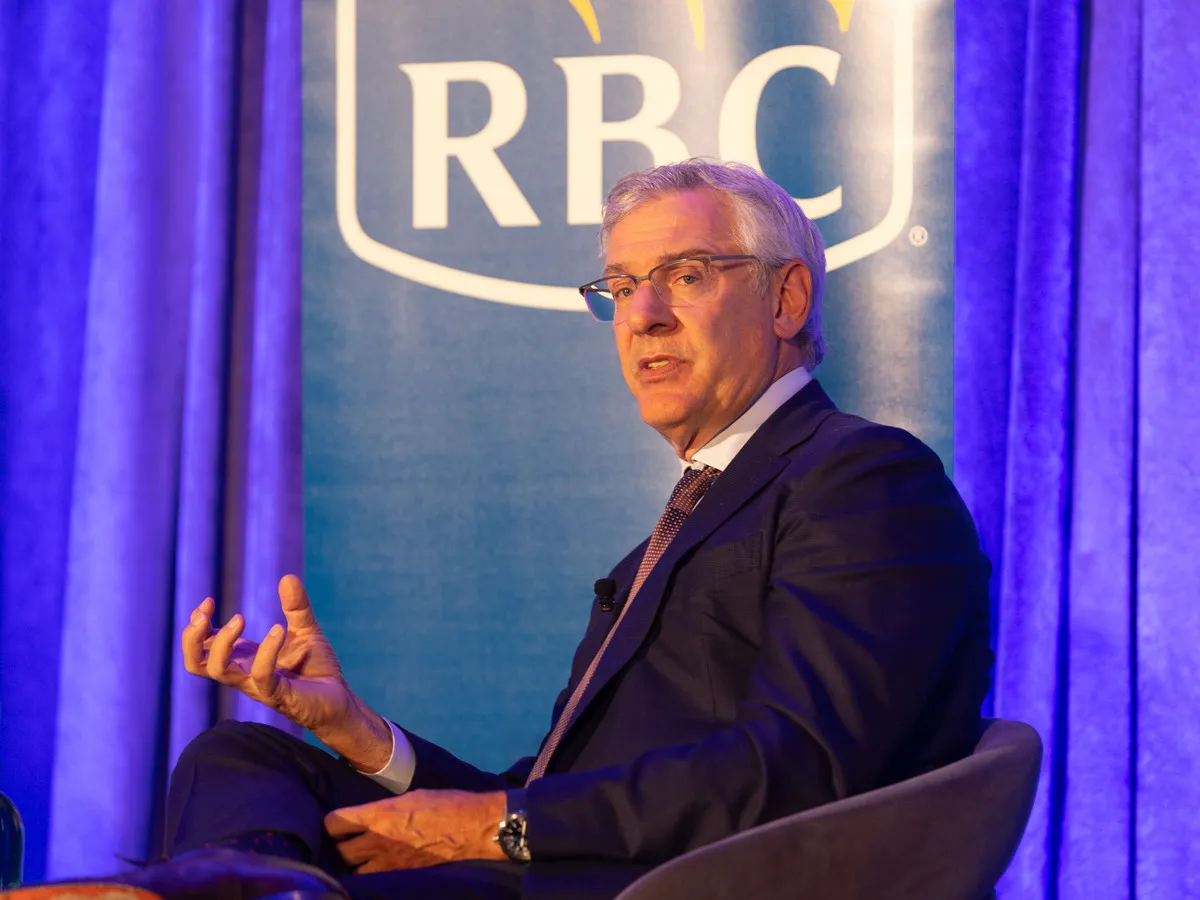
Skip to Content News Archives Economy Energy Oil & Gas Renewables Electric Vehicles Mining Commodities Agriculture Real Estate Mortgages Mortgage Rates Finance Banking Insurance Fintech Cryptocurrency Work Wealth Smart Money Wealth Management Investor Personal Finance Family Finance Retirement Taxes High Net Worth FP Comment Executive Women Puzzmo Newsletters Financial Times Business Essentials More Innovation Information Technology FP500 Podcasts Small Business Lives Told Tails Told Shopping Financial Post Store Obituaries Place a Notice Advertising Advertising With Us Advertising Solutions Postmedia Ad Manager Sponsorship Requests Classifieds Place a Classifieds ad Working Profile Settings My Subscriptions Saved Articles My Offers Newsletters Customer Service FAQ News Economy Energy Mining Real Estate Finance Work Wealth Investor FP Comment Executive Women Puzzmo Newsletters Financial Times Business Essentials HomeFinanceBanking'Really impressed' by resilience in Canadian economy, say RBC CEO, TD executiveDave McKay said any weakness from Canadian sectors exposed to U.S. tariffs has not spread into the broader economy You can save this article by registering for free here. Or sign-in if you have an account.Royal Bank of Canada chief executive Dave McKay said any weakness from Canadian sectors exposed to United States tariffs has not spread into the broader economy. Photo by Brent Calver/Postmedia filesCanadians have been resilient despite an uncertain economy that has lately been under more stress due to the war on Iran, executives at Canada’s biggest banks said on Thursday after reporting second-quarter earnings that beat analysts’ expectations.Subscribe now to read the latest news in your city and across Canada.Exclusive articles from Barbara Shecter, Joe O'Connor, Gabriel Friedman, and others.Daily content from Financial Times, the world's leading global business publication.Unlimited online access to read articles from Financial Post, National Post and 15 news sites across Canada with one account.National Post ePaper, an electronic replica of the print edition to view on any device, share and comment on.Daily puzzles, including the New York Times Crossword.Subscribe now to read the latest news in your city and across Canada.Exclusive articles from Barbara Shecter, Joe O'Connor, Gabriel Friedman and others.Daily content from Financial Times, the world's leading global business publication.Unlimited online access to read articles from Financial Post, National Post and 15 news sites across Canada with one account.National Post ePaper, an electronic replica of the print edition to view on any device, share and comment on.Daily puzzles, including the New York Times Crossword.Create an account or sign in to continue with your reading experience.Access articles from across Canada with one account.Share your thoughts and join the conversation in the comments.Enjoy additional articles per month.Get email updates from your favourite authors.Create an account or sign in to continue with your reading experience.Access articles from across Canada with one accountShare your thoughts and join the conversation in the commentsEnjoy additional articles per monthGet email updates from your favourite authorsSign In or Create an AccountorConsumers are still spending and saving despite little activity in the real estate sector, which plays a big role in the economy, Royal Bank of Canada chief executive Dave McKay said, and any weakness from Canadian sectors exposed to United States tariffs has not spread into the broader economy.“I am really impressed by the resilience of the Canadian economy right now,” he said on a call with analysts. “I see so many positive trends.”Breaking business news, incisive views, must-reads and market signals. Weekdays by 9 a.m.By signing up you consent to receive the above newsletter from Postmedia Network Inc.A welcome email is on its way. If you don't see it, please check your junk folder.The next issue of Posthaste will soon be in your inbox.We encountered an issue signing you up. Please try againAll Big Six banks reported earnings this week, providing a barometer for the economy’s direction since they are key pillars.Despite his hopeful outlook, McKay said “we should be all-eyes-wide-open about Section 232 impacts,” referring to legislation that allows the U.S. to impose trade restrictions on imported goods that it believes threaten the country’s national security.For example, U.S. president Donald Trump has targeted imports of steel and aluminum, which have weighed on parts of Canada’s exporting and manufacturing sectors.In the longer term, McKay expects Canada’s decision to accelerate key energy projects will boost the economy.“These are going to still take a while to get shovels in the ground, but they’re moving at a pace … that we haven’t seen before,” he said. “And I’m getting excited about the opportunity to deploy RBC capital into that.”Toronto-Dominion Bank chief risk officer Ajai Bambawale attributed the resilience of Canadian consumers to declining interest rates, wage growth and ongoing government support.But he said there are signs that some consumers are under pressure, something that was expected.Bambawale said he expects some pressure on provisions for credit losses (PCLs) — the amount of money banks keep aside to tackle potentially bad loans — because of trade and tariff actions, potential impacts from the war in the Middle East and the macroeconomic environment in Canada.But TD is ready to tackle those scenarios, he said, since it has kept aside close to $500 million for PCLs and most of that reserve is unused.PCLs were a key theme in the banks’ earnings this quarter. Analysts expected the ongoing economic uncertainty to compel banks to continue to keep aside a high amount of money for loans that may potentially go bad, a shift from earlier forecasts, which had anticipated a gradual improvement in PCLs in the second half of 2026.RBC’s total PCLs during the second quarter decreased to $912 million from $1.09 billion in the previous quarter and $1.4 billion a year ago, which helped it top analysts’ expectations for the three months ending April 30.RBC’s net income was $5.5 billion, up $1.12 billion, or 25 per cent, from the same period last year, resulting in net earnings per share of $3.85.Its adjusted net income — which removes the impact of non-recurring items — was $5.6 billion, up 23 per cent year over year, resulting in adjusted earnings per share of $3.90, which topped analysts’ expectations of about $3.80 per share.McKay said it was the bank’s second-highest quarterly performance on record, but some analysts took a more cautious tone.“Royal came in above expectations not just at the top of the house, but along each of its operating segments as well,” John Aiken, an analyst at Jefferies Inc., said in a note on Thursday. “However, the vast majority of the beat came from lower-than-anticipated provisions.”TD also posted lower PCLs compared to the previous quarter and the same period last year: about $1 billion compared to $1.03 billion in the previous quarter and $1.34 billion a year ago.The bank also posted higher profits in each of its business segments.TD’s net income was $4.3 billion, compared to $11.1 billion during the same quarter last year, resulting in net earnings per share of $2.43.Its adjusted net income — which removes the impact of non-recurring items — was $4.2 billion, up 15 per cent year over year, resulting in adjusted earnings per share of $2.38, which topped analysts’ expectations of about $2.26 per share.“While TD did benefit from lower-than-anticipated provisions, we note that it saw solid contributions from each of its operating units,” Aiken said in a separate note on Thursday. Get the latest from Naimul Karim straight to your inbox Join the Conversation This website uses cookies to personalize your content (including ads), and allows us to analyze our traffic. Read more about cookies here. By continuing to use our site, you agree to our Terms of Use and Privacy Policy.
'Really impressed' by resilience in Canadian economy, say RBC CEO, TD executive
Canadians have been resilient despite an uncertain economy that has lately been under more stress due to the war on Iran. Find out more.
1,243 words~6 min read