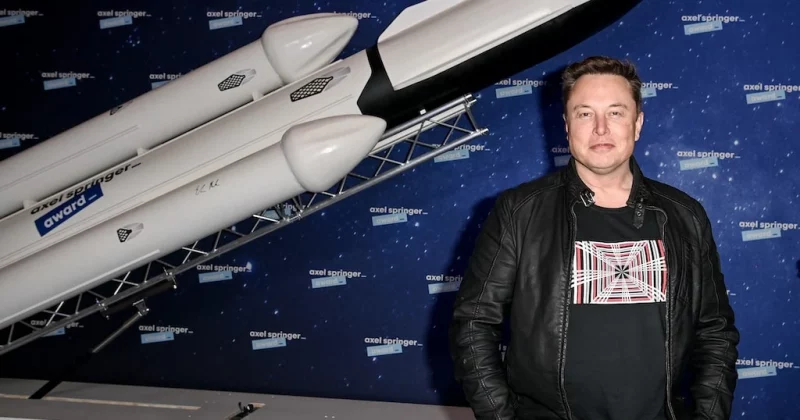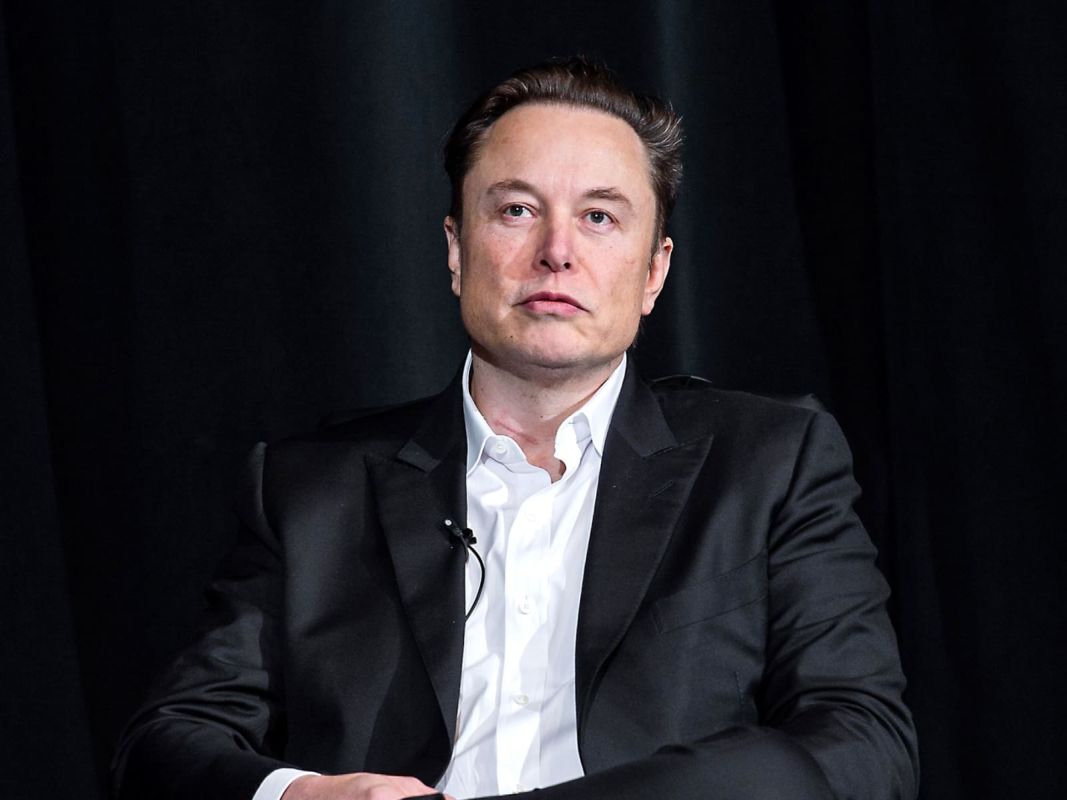
⏳ Reading Time: 6 minutesLong before a human being sets foot on Mars, the world will have produced its first trillionaire. On 12 June, under the ticker SPCX on the Nasdaq, SpaceX will make its stock market debut with an offering that could raise as much as $75 billion – two and a half times the $29 billion raised by Saudi Aramco in 2019, still the largest Initial Public Offering (IPO) in history to date. The initially indicated valuation of $1.75 trillion has already climbed, according to Bloomberg, to more than $2 trillion, which would make SpaceX one of the world’s most valuable companies.
The prospectus filed on 20 May with the Securities and Exchange Commission (SEC) has, for the first time, opened a window into the financial details of one of the world’s largest private companies. The story begins in May 2002, when 30-year-old Elon Musk, who at the time was liquidating his stake in PayPal, founded Space Exploration Technologies Corp with $100 million of his own money. The company had an almost eschatological mission, one that remains unchanged today: to make humanity an interplanetary species capable of ensuring its own survival by colonising other planets. But as with all of Musk’s companies, behind the vision lay a highly practical opportunity. The aim was to fill the vacuum created by the decline in American and Soviet investment during the 1990s and enter the space propulsion industry, a sector destined for growth. Musk has said that the decision to found SpaceX came after a failed attempt to purchase a Soviet ballistic missile in order to send a greenhouse to Mars.