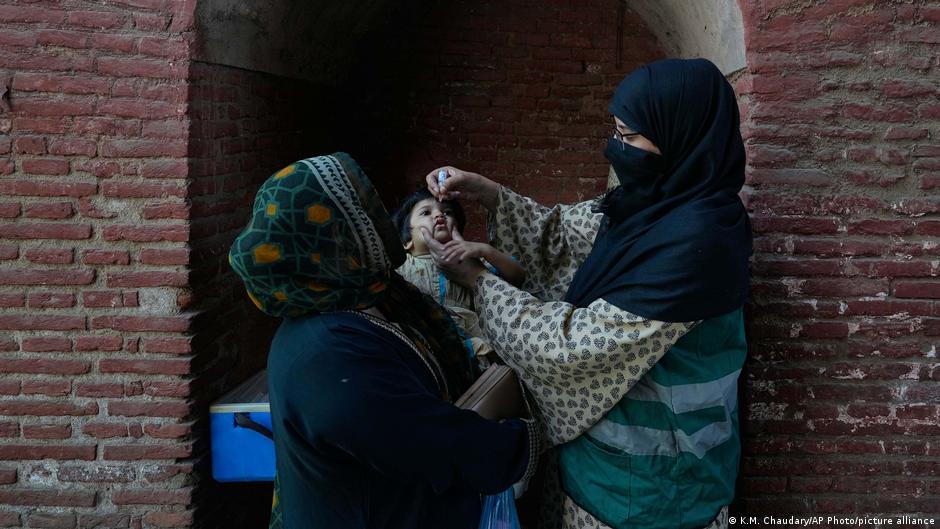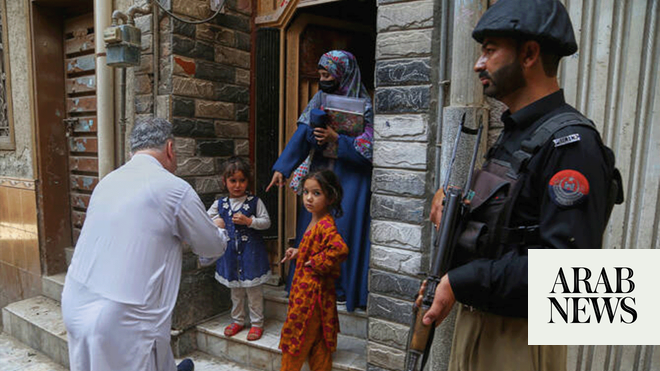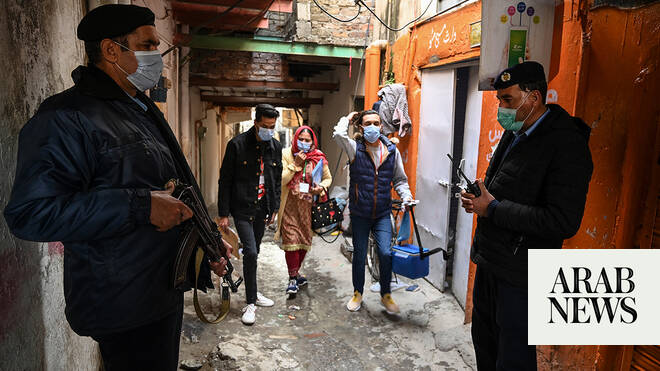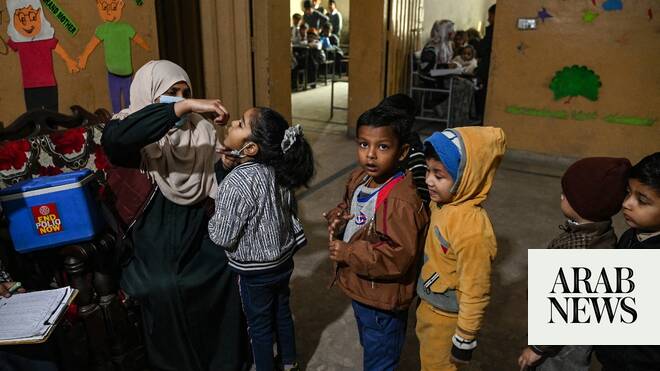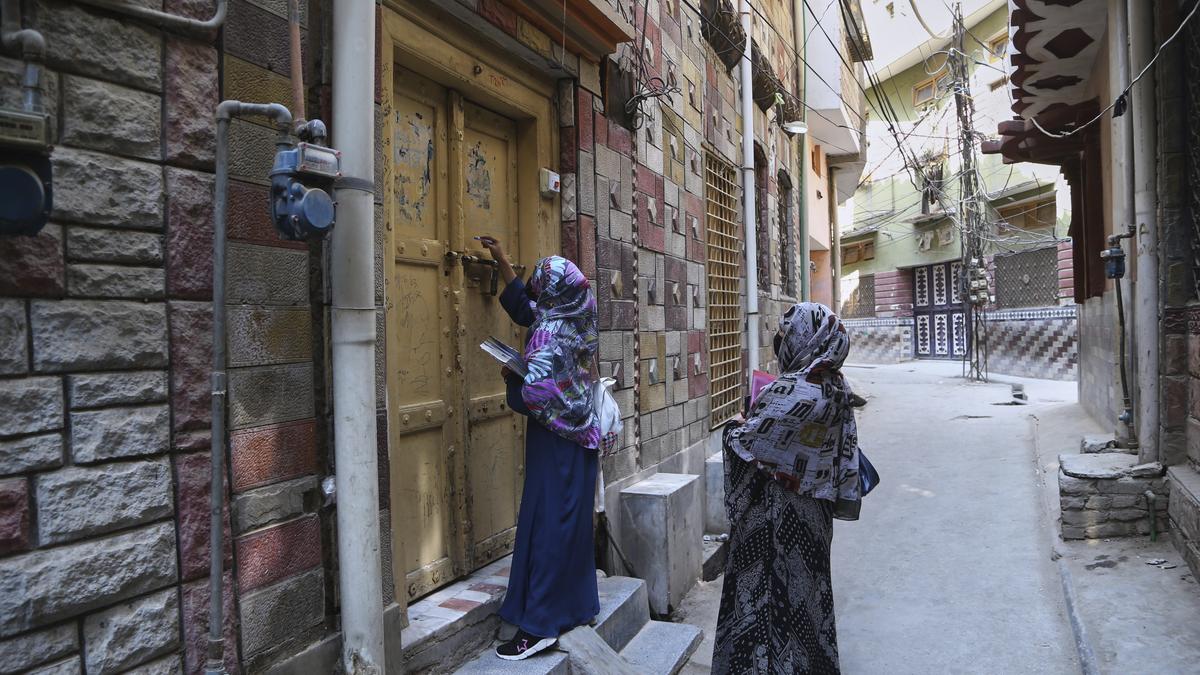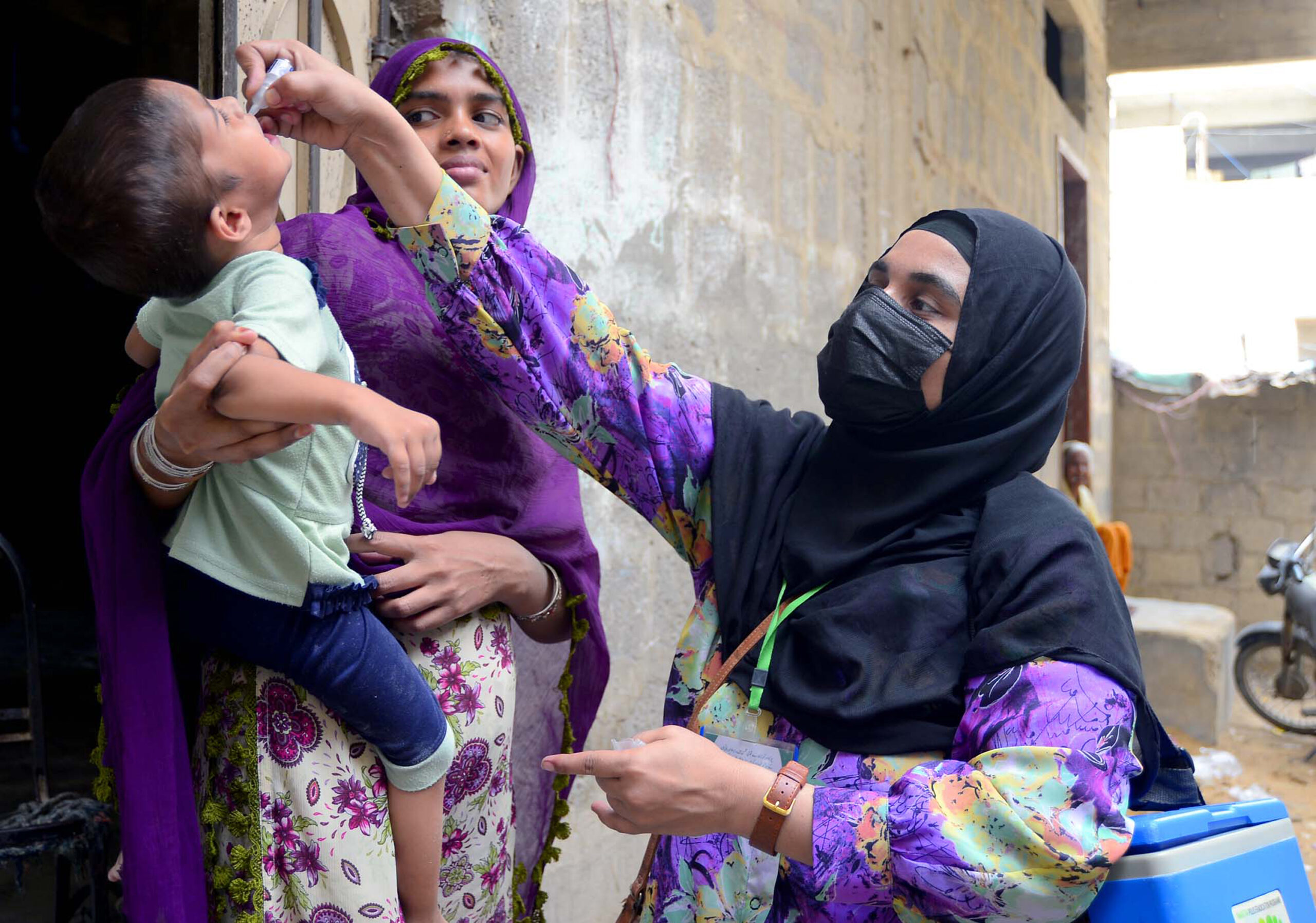
WASHINGTON—On April 14, during the second phase of a nationwide anti-polio campaign, gunmen in Pakistan opened fire on a police vehicle escorting polio vaccinators in Hangu, a district in Khyber Pakhtunkhwa (KPK) province along the Afghan border. One officer was killed and four were wounded.
The attack captures a paradox at the heart of Pakistan’s final mile fight against polio. Pakistan is one of just two countries—the other is Afghanistan—where polio is still endemic. Fortunately, the country is closer than it has ever been to ending a disease that once paralyzed thousands of Pakistani children every year. Yet frontline health workers are operating inside one of the world’s most violent security environments, complicating efforts to reach the finish line. Recent years have brought a surge in cross-border militancy, including the resurgence of Tehrik-i-Taliban Pakistan (TTP), an al-Qaeda-allied group that in an earlier era was responsible for thousands of attacks across Pakistan. These included multiple assaults on polio workers and their security details that killed nearly sixty people from 2012 to 2014.
How Pakistan navigates this paradox this year will shape the outcome of a thirty-year global eradication effort. If the eradication campaign falters, wild poliovirus cases could rise in Pakistan and Afghanistan, squandering years of progress and risking transmission beyond the region.