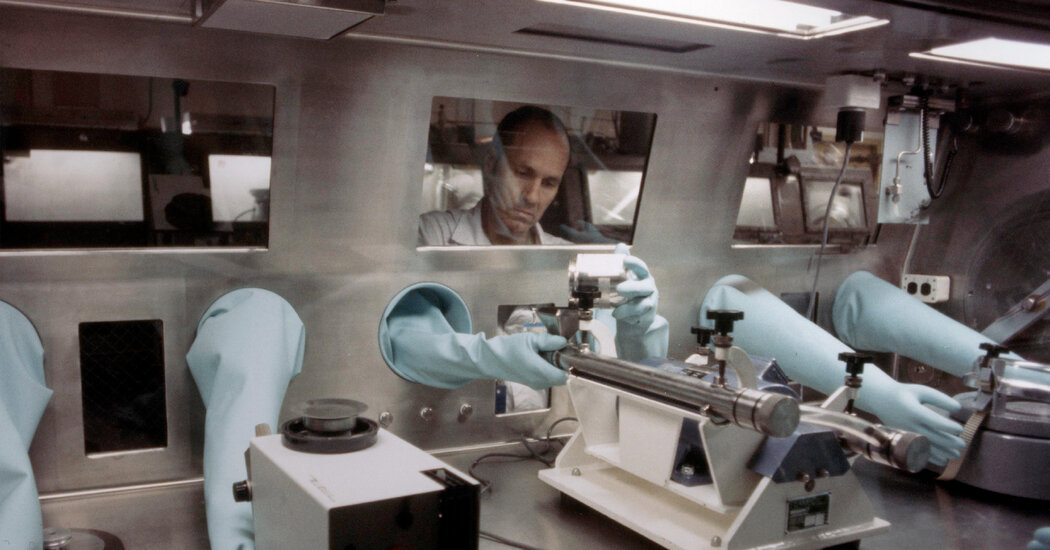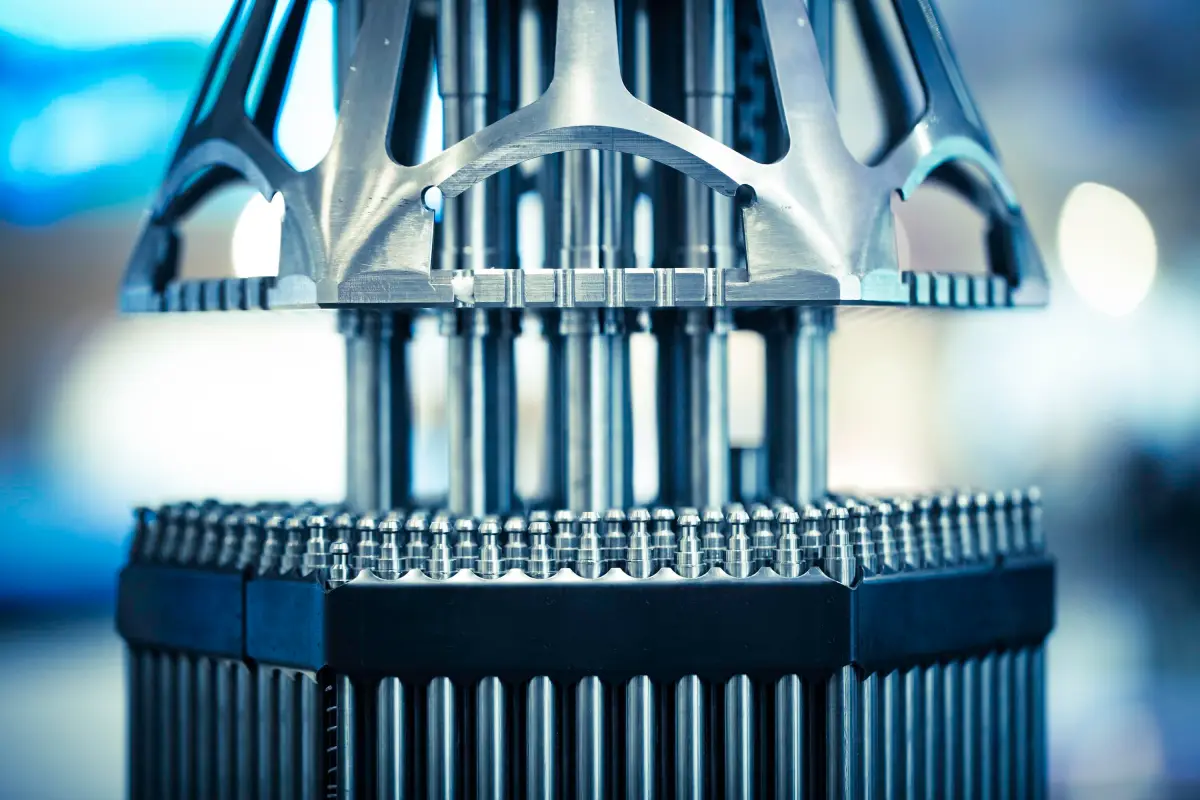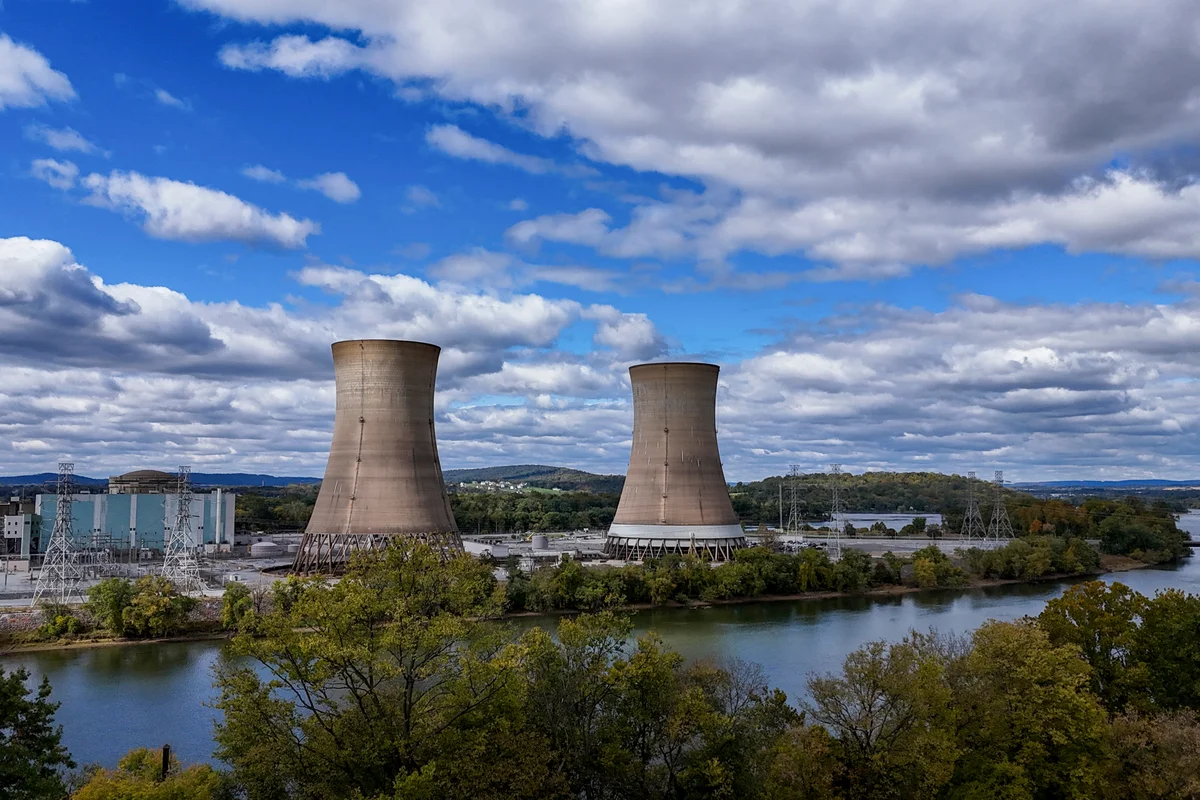
Weapons-grade plutonium can fuel nuclear reactors known as mixed oxide reactors, but none of these exist in the U.S.By Adam Kovac edited by Claire Cameron Heather Khalifa/Bloomberg via Getty ImagesThe Trump administration’s plan to offer plutonium from dismantled Cold War-era nuclear weapons to private energy companies is drawing criticism from experts who say it makes little economic sense and presents a national security threat.There are currently no operational nuclear reactors in the country that are built to use plutonium-derived fuel. Instead, nuclear power plants in the U.S. are powered by a mixture of two uranium isotopes. A small portion, usually around 5 percent, of that fuel is uranium-235, which can also be used to make nuclear weapons, while the majority is uranium-238, which cannot sustain a nuclear fission reaction on its own. Because of that balance, if some of this fuel were to fall into the wrong hands, it would be enormously difficult to weaponize, says Scott Roecker, vice president of nuclear materials safety at the Nuclear Threat Initiative, a non-profit dedicated to preventing nuclear catastrophe.“The most difficult step in getting a nuclear weapon is having enough of that material,” he explains. “The U.S. government has spent probably billions of dollars over the last several decades to remove highly-enriched uranium and separated plutonium from countries that don't need it.”On supporting science journalismIf you're enjoying this article, consider supporting our award-winning journalism by subscribing. By purchasing a subscription you are helping to ensure the future of impactful stories about the discoveries and ideas shaping our world today.Plutonium, meanwhile, does not occur in nature and is a byproduct of the reactions that take place inside nuclear reactors. As uranium-238 is bombarded with neutrons inside the reactor, the molecules absorb some of these particles and become the heavier uranium-239, which eventually decays into extremely radioactive plutonium.That plutonium can be mixed back in with uranium to be used as fuel in specific nuclear reactors called mixed oxide reactors. The U.S. abandoned mixed oxide reactors in the 1970s because they were both difficult and expensive to run. These kinds of reactors do exist elsewhere, though— in Japan, Russia and France—but those countries have encountered their own problems with the reactors, says Roecker.“In France, the government's subsidizing that process,” he says. “Only I think 1 percent of the uranium that's actually reprocessed is being reused, and in Japan, it’s cost the country billions of dollars, and has still not started operation, and who knows if it actually ever will.”The U.S. Department of Energy has defended the plan, saying the private sector could play a vital role in advancing U.S. nuclear power infrastructure. Ted Garrish, the assistant secretary for the Office of Nuclear Energy, said in April that decommissioned nuclear fuel “represents an immense, untapped energy resource for the United States.” The department did not immediately respond to a request for comment.Aside from the concern over cost and feasibility, other experts point out that securing plutonium is much more difficult than typical uranium-based nuclear fuel. David Speyer, a professor of nuclear power plant systems at New York University, says he isn't convinced that energy start-ups could properly store plutonium. Even if the material is mixed back in with uranium, separating the two to isolate the highly fissile material isn't so difficult as to be impossible—introducing a clear security threat, he says.“It's not something that a small organization really probably could do, but if you give them plutonium in purer form, I think it's almost a trivial act to make a bomb," he says. "A simple atomic bomb is not difficult to make. I think I could make one, actually.”The Energy Department says that any company selected to receive the Cold War plutonium will have to show a deep understanding of the technology involved, as well as robust security plans and regulatory compliance. However the plan has also met some pushback on Capitol Hill. In September last year, Democratic Senator Edward Markey and two Democratic congressmen sent a letter to President Donald Trump raising concerns over the risk to national security.“The transfer of weapons-usable plutonium to private industry would increase the risk of nuclear weapons proliferation, including to rogue states or terrorists,” they wrote.It’s Time to Stand Up for ScienceIf you enjoyed this article, I’d like to ask for your support. Scientific American has served as an advocate for science and industry for 180 years, and right now may be the most critical moment in that two-century history.I’ve been a Scientific American subscriber since I was 12 years old, and it helped shape the way I look at the world. SciAm always educates and delights me, and inspires a sense of awe for our vast, beautiful universe. I hope it does that for you, too.If you subscribe to Scientific American, you help ensure that our coverage is centered on meaningful research and discovery; that we have the resources to report on the decisions that threaten labs across the U.S.; and that we support both budding and working scientists at a time when the value of science itself too often goes unrecognized.In return, you get essential news, captivating podcasts, brilliant infographics, can't-miss newsletters, must-watch videos, challenging games, and the science world's best writing and reporting. You can even gift someone a subscription.There has never been a more important time for us to stand up and show why science matters. I hope you’ll support us in that mission.
Experts warn against Trump plan to give Cold War plutonium to nuclear power companies
Weapons-grade plutonium can fuel nuclear reactors known as mixed oxide reactors, but none of these exist in the U.S.
898 words~4 min read