Some outdoor recreation rules may seem odd at first, but they're part of a sprawling effort to curb the spread of destructive invasive species.Show Caption
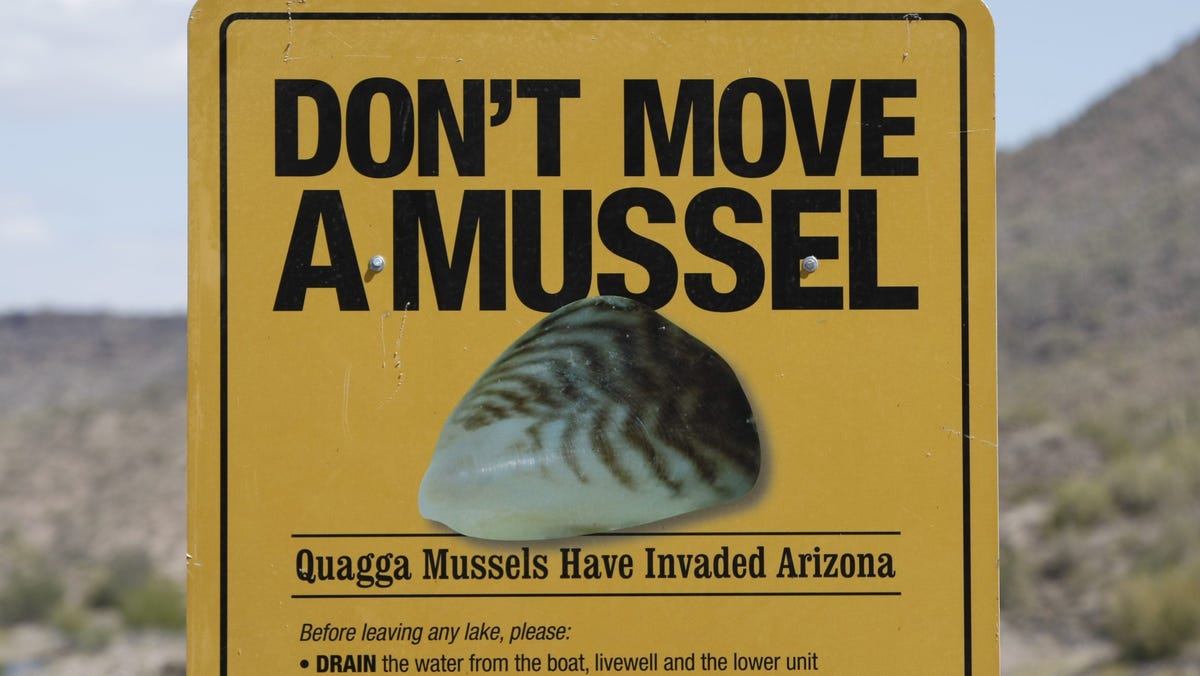
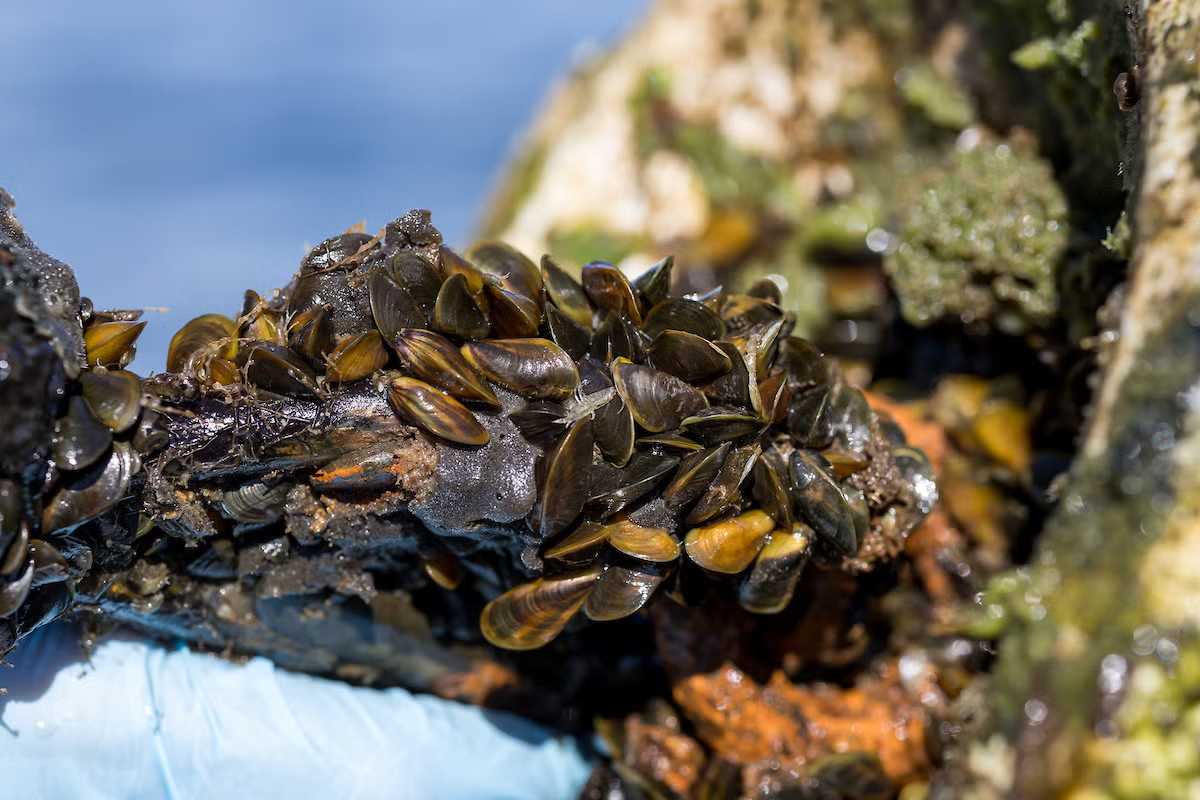
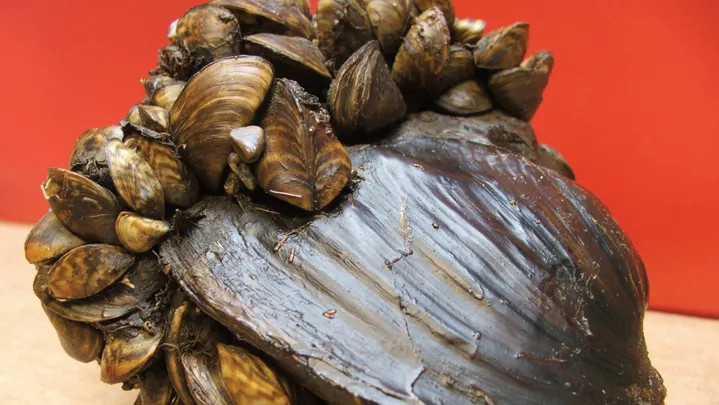
You might find yourself a soldier in the nation’s ongoing battle to control invasive species while on vacation this summer, simply by going through a boat propeller inspection or by being forbidden to use your own firewood while camping.The nation is grappling with all sorts of invasive species, but the rapid spread of destructive golden mussels in California has created new urgency and demonstrates why some restrictive rules have been adopted."The threat is real," Sam Blue, with the Arvin-Edison Water Storage District, told the Board of Supervisors for Kern County, California, during a May 12 meeting. Kern County is in a large agricultural region just north of Los Angeles.Exotic species are introduced in many ways, including via shipping containers, ballast water in ships, the wildlife trade, imported plants and even tropical cyclones. That has prompted a sprawling and evolving effort to stop the spread of invasive species. Efforts include rules about moving firewood, cleaning boats, killing invasive species on sight or transporting fruits, vegetables and plants.Why golden mussels increase 2026 concernsGolden mussels were discovered in California in 2024 and within a year had spread throughout the district's distribution system, requiring a 30-day chemical eradication campaign that cost $3 million, Kern County said."This species moves with terrifying speed," Blue told the board. "A single female can produce over 1 million eggs annually."The exploding threat prompted both Kern and San Joaquin counties in California to declare local emergencies since April 28.Invasive species are an escalating problemThe golden mussel is among myriad species that states and the federal government are trying to kill or control, hoping to curb exotic and non-native species and protect native species and ecosystems. Nearly 15,000 records of non-native, reproducing species have been filed with the U.S. Register of Introduced and Invasive Species."Humans have been moving species around for a really long time, ever since we started populating and walking around the globe," said Sara Kuebbing, a research scientist at the Yale School of the Environment. The risks from many of the invasive species are high, in terms of damaging economic, environmental and human health impacts, she said.The consequences are serious and costly, not only for governments, farmers, businesses and consumers, but also for at-risk native plant and animal species and protected ecosystems, said Kuebbing and Andrew Kramer, an associate professor in biology at the University of South Florida. Federal agencies estimate the annual overall cost of invasive species nationwide is more than $100 billion.Efforts to curb the spread of invasive species often make headlines. Florida's effort to eradicate Burmese pythons has become well known and the Great Lakes region is struggling to prevent the spread of zebra and quagga mussels. Both cases show how failure to promptly control or eradicate species can lead to costly, ongoing measures.In February, the U.S. Department of the Interior appealed to the public to help identify and report such species and keep them from spreading, saying in a post that invasive species are "a serious concern for all who protect and preserve America’s public lands and waters."The Bureau of Reclamation recently launched a prize challenge seeking ways to prevent the spread of exotic mussels and other aquatic invasive species."The impact is growing because there are more species and they're spreading," Kramer said. "In a sense, it’s unavoidable given the way the world works right now."How you can help stop the spread of invasive speciesBy being vigilant, particularly when traveling out of state or country, scientists and government officials say each individual can prevent spreading invasive plants and animals that could threaten native species. Among the guides and tip sheets from the federal government and elsewhere are these reminders:Buy firewood where you burn it. In some states and/or parks, it's illegal to bring in firewood from other areas to prevent the spread of tree-killing pests.Clean shoes, gear and boats before entering or leaving waterways to remove plants, animals and pests, and drain water from live wells and bilges before moving your watercraft.Don't abandon exotic pets or let them go.When traveling, avoid bringing home plants or produce that could be carrying pests.Dinah Voyles Pulver covers climate change, wildlife and the environment for USA TODAY. Reach her at dpulver@usatoday.com or @dinahvp on Bluesky or X or dinahvp.77 on Signal.