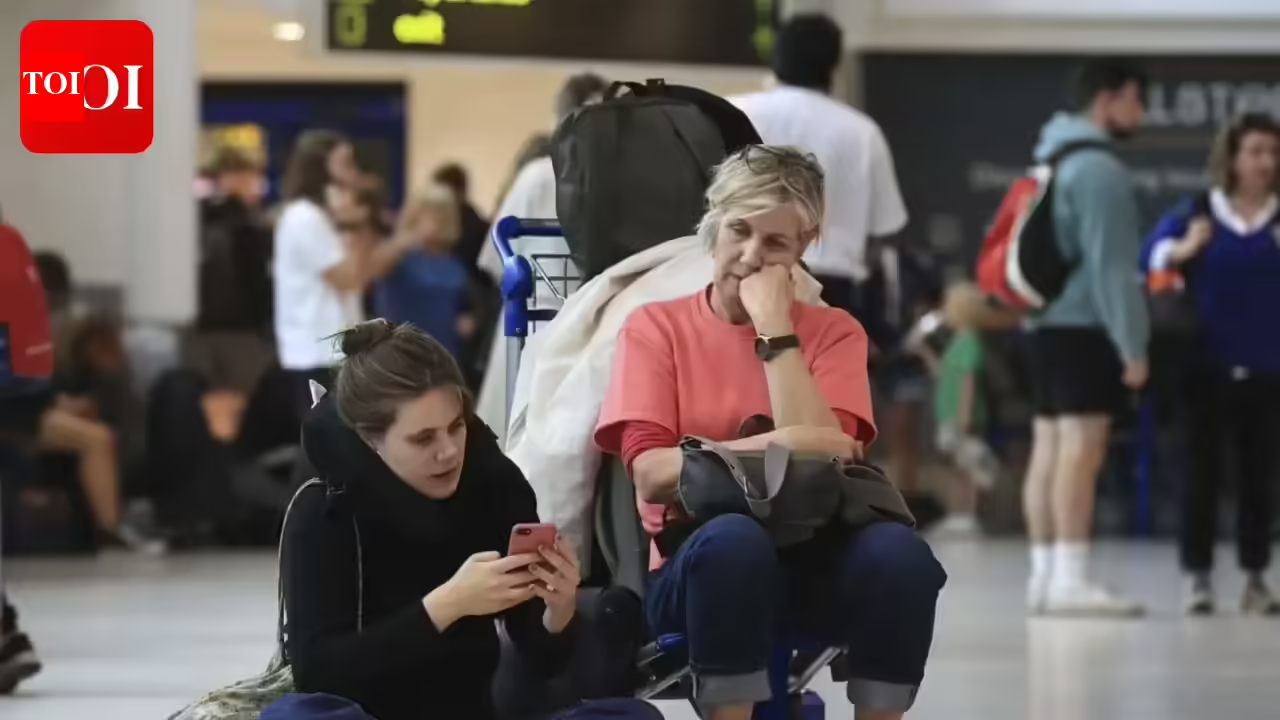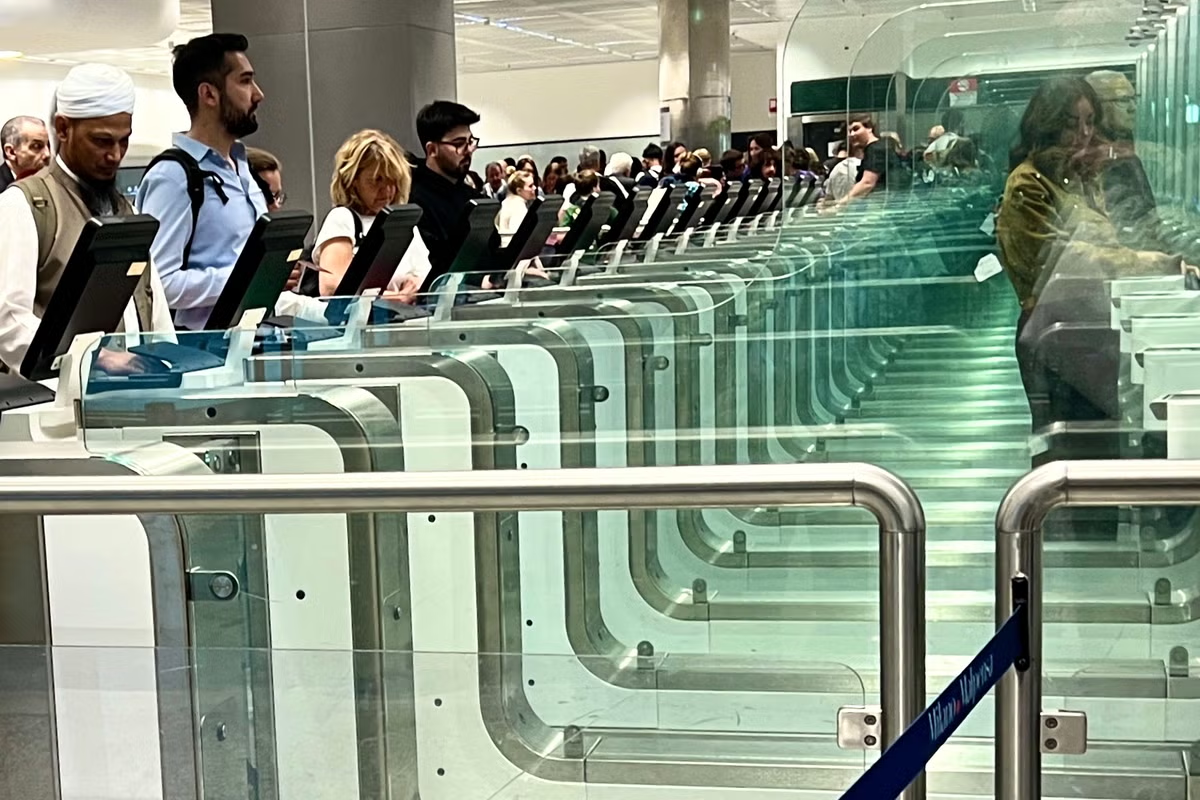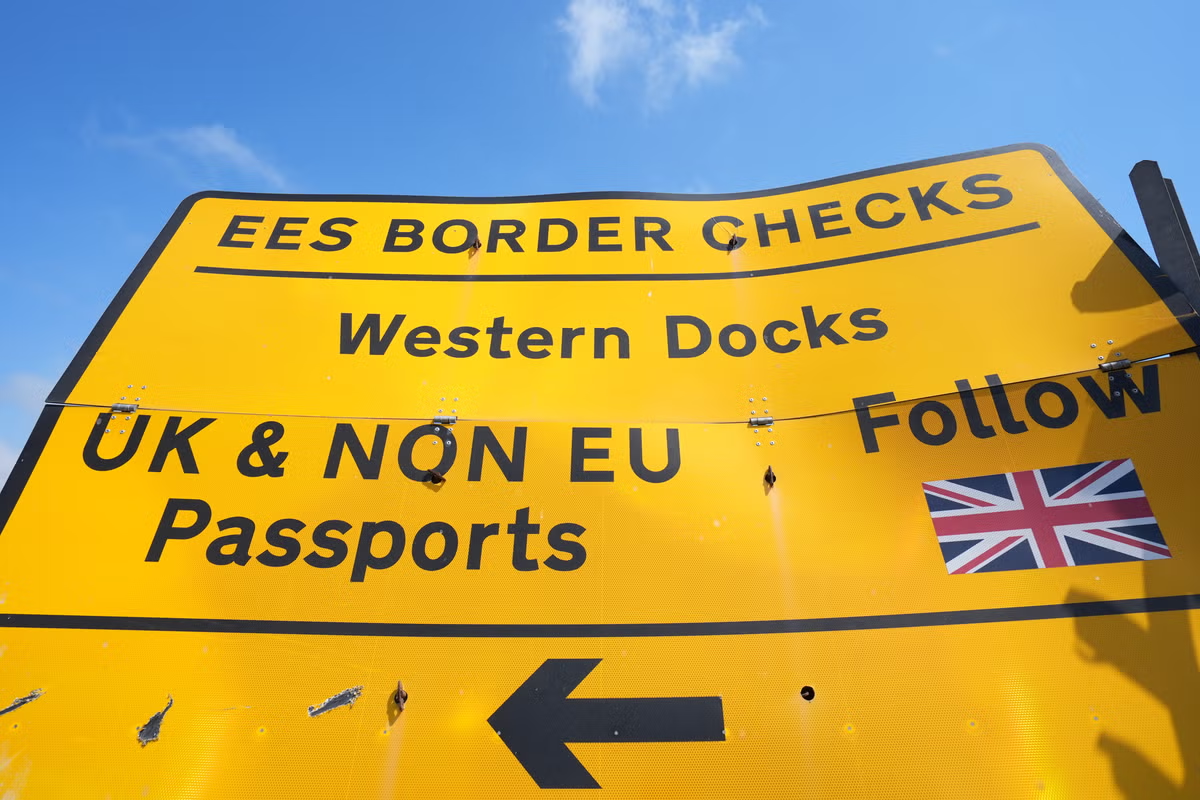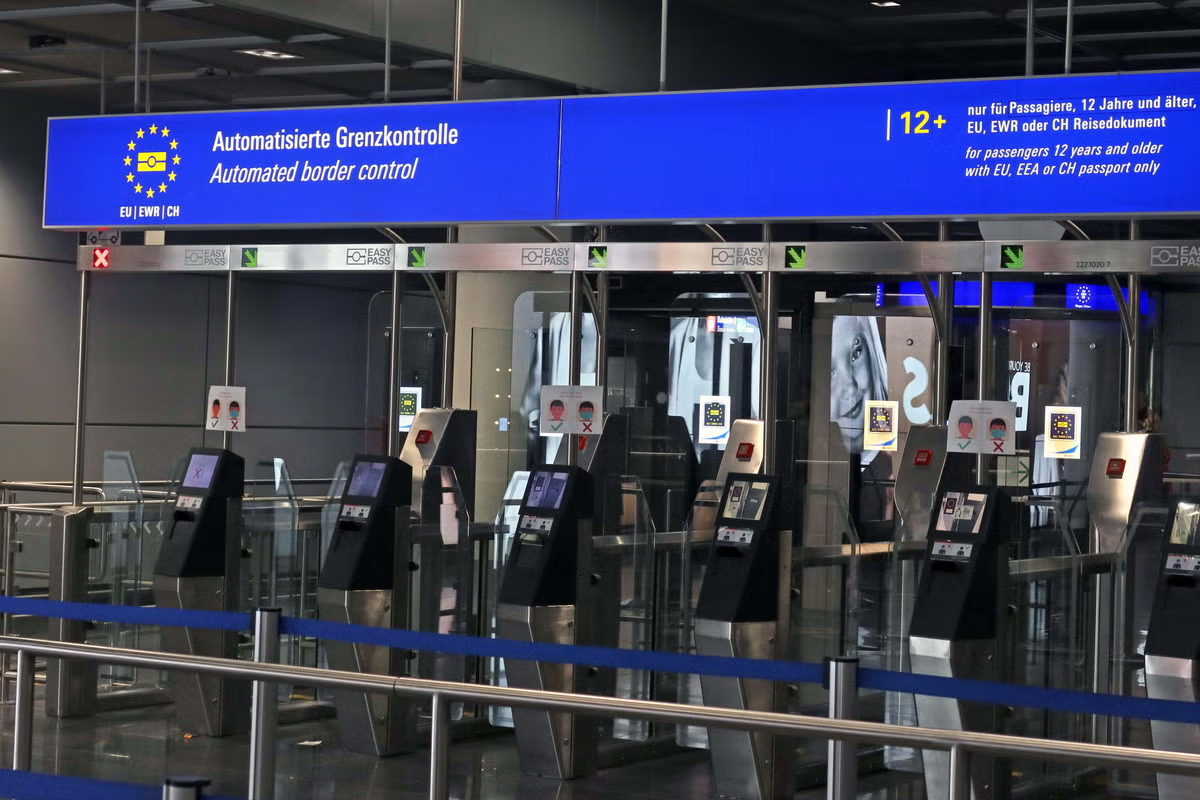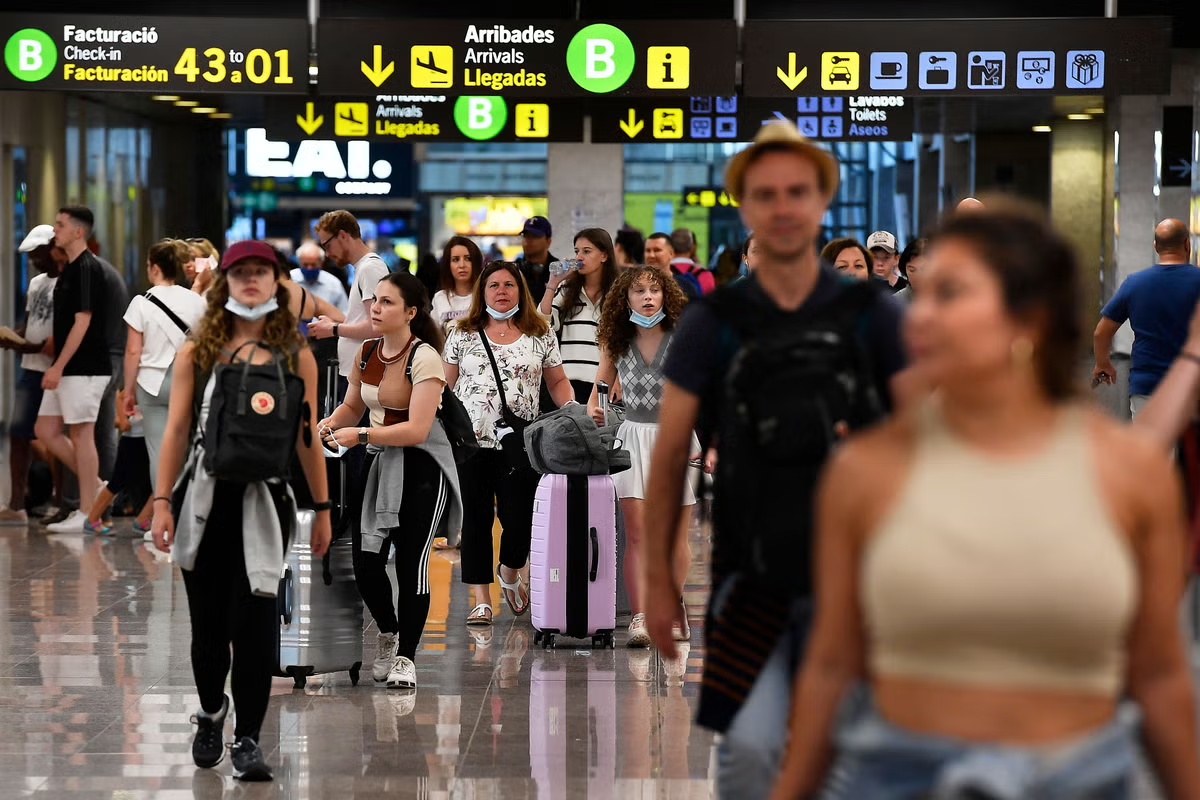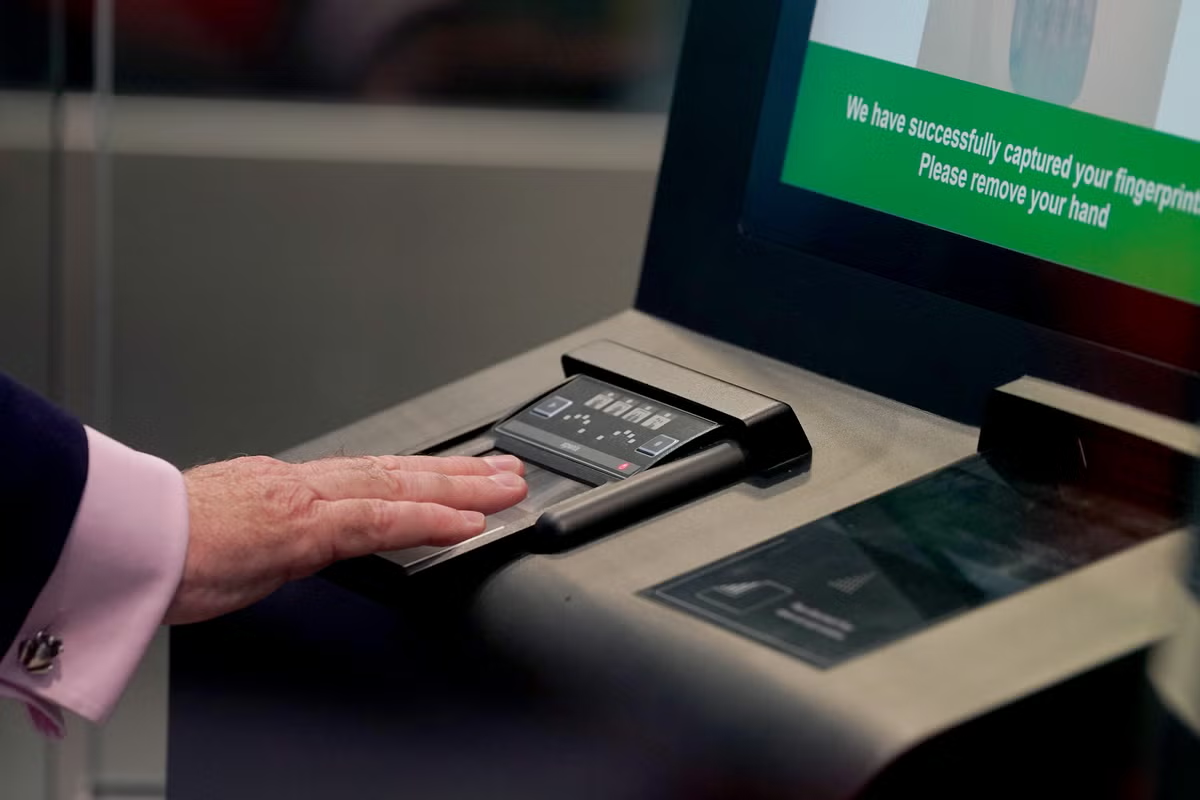
Stay up to date with notifications from The IndependentNotifications can be managed in browser preferences.AllNewsSportCultureLifestyleThe EU's Entry-Exit System (EES), which requires biometric data from “third-country nationals” like British travellers entering the Schengen area, has experienced an inconsistent rollout since its implementation on 10 April. While some locations like Palma airport report smooth operations, others, such as Milan, have faced “technological chaos” and significant delays, leading to over 100 passengers being left behind and gridlock in Dover. Dr Nick Brown, an expert on European bureaucracy, notes that the EES was not designed for implementation at 400 airports and suggests flexibility, saying that occasional missed biometrics are not critical. Despite the EES's chaotic rollout, Dr Brown predicts the European Travel Information and Authorisation System (ETIAS) 'euro-visa', costing €20 and valid for three years, will commence by the end of 2026. ETIAS is expected to include a six-month phase-in period, meaning it would not be strictly required until April 2027, and is unlikely to cause airport chaos as checks will occur before boarding, potentially speeding up the EES process. In fullNew ‘euro-visa’ will be rolled out this year despite EU entry-exit chaos, predicts expertThank you for registeringPlease refresh the page or navigate to another page on the site to be automatically logged inPlease refresh your browser to be logged in
New Etias ‘euro-visa’ could begin by the end of the year
Stay up to date with notifications from The IndependentNotifications can be managed in browser preferences.AllNewsSportCultureLifestyleThe EU's Entry-Exit System (EES), which requires biometric data from “third-country nationals” like British travellers entering the Schengen area, has experienced an inconsistent rollout since its implementation on 10 April. While some locations like Palma airport report smooth operations, others, such as Milan, have faced “technological chaos” and significant delays, leading to over 100 passengers being left behind and gridlock in Dover. Dr Nick Brown, an expert on European bureaucracy, notes that the EES was not designed for implementation at 400 airports and suggests flexibility, saying that occasional missed biometrics are not critical. Despite the EES's chaotic rollout, Dr Brown predicts the European Travel Information and Authorisation System (ETIAS) 'euro-visa', costing €20 and valid for three years, will commence by the end of 2026. ETIAS is expected to include a six-month phase-in period, meaning it would not be strictly required until April 2027, and is unlikely to cause airport chaos as checks will occur before boarding, potentially speeding up the EES process. In fullNew ‘euro-visa’ will be rolled out this year despite EU entry-exit chaos, predicts expertThank you for registeringPlease refresh the page or navigate to another page on the site to be automatically logged inPlease refresh your browser to be logged in