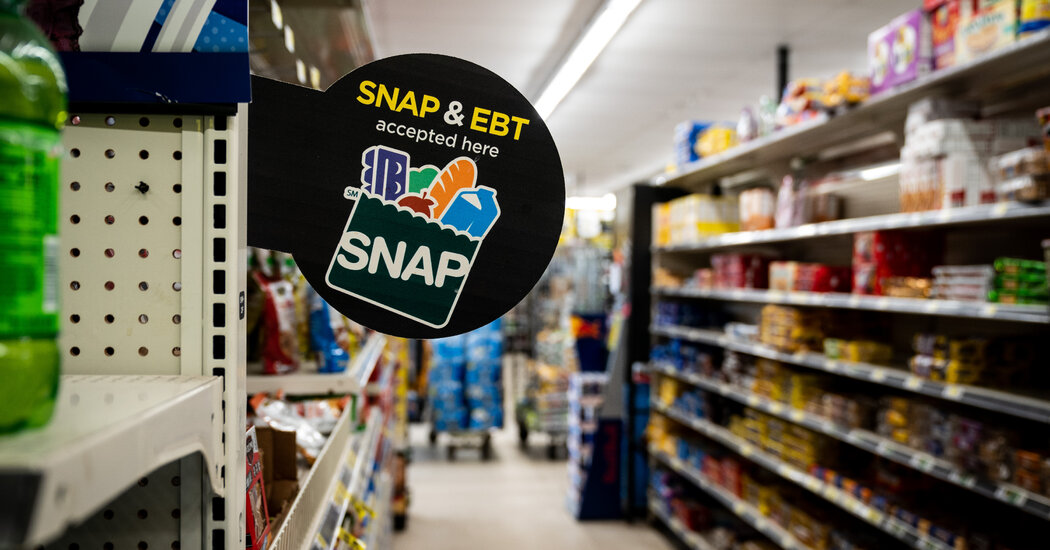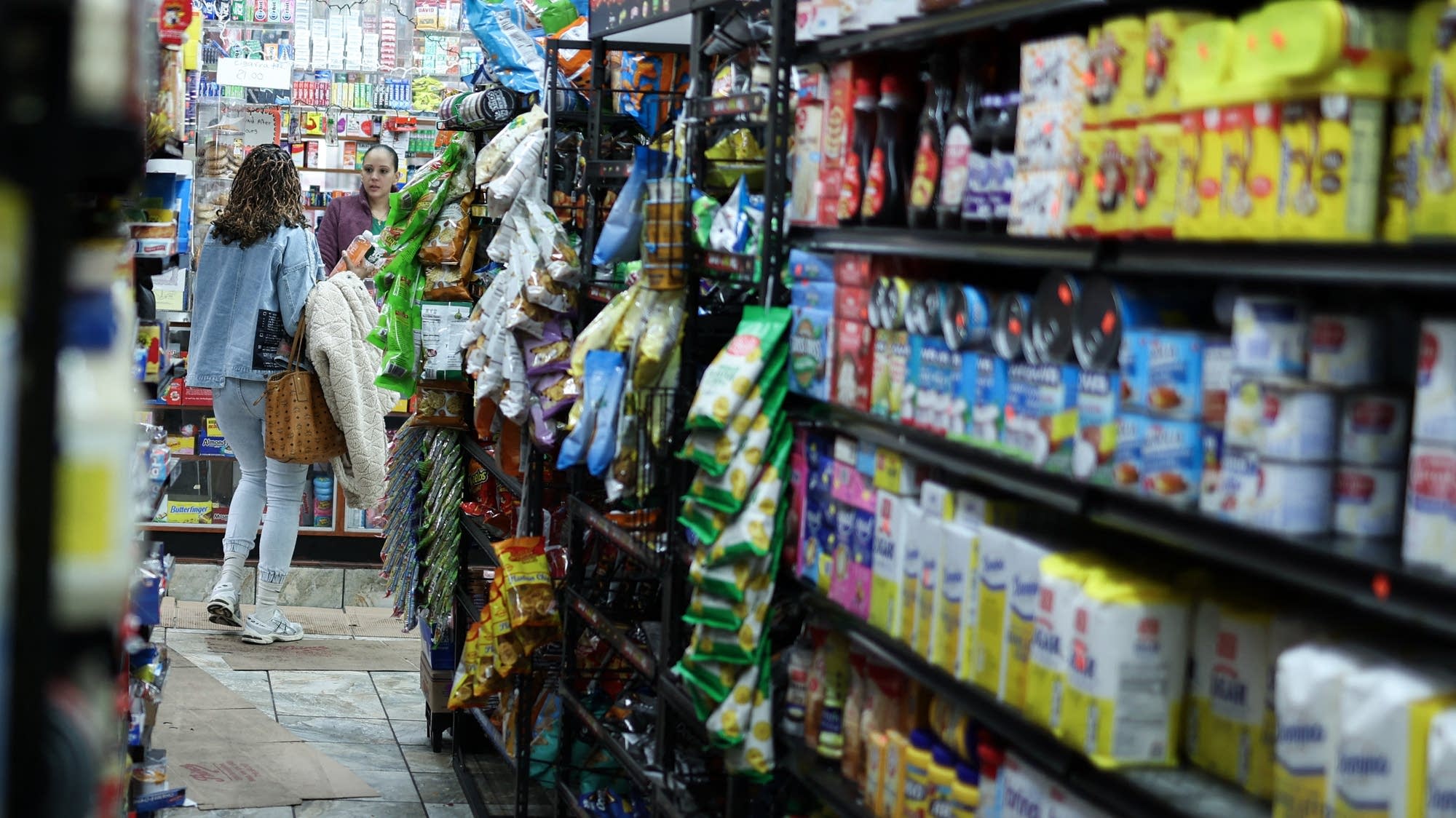
The food stamp program was born during the Great Depression as an emergency mechanism to get basic staple foods to families facing widespread hardship. The mission was simple: put real food on the table for people who couldn’t afford it.Ninety years later, the program looks almost nothing like that. Today, food stamps can be redeemed at more than 250,000 retailers — including a rapidly growing number of stores that bear little resemblance to a grocery, such as smoke shops and liquor stores. For decades, the rules governing what those retailers actually had to offer their customers were so weak that the program’s core purpose was quietly forgotten or ignored.That has changed under President Donald Trump and Agriculture Secretary Brooke Rollins. On May 7, the U.S. Department of Agriculture strengthened the stocking standards for food stamp retailers. It is exactly the kind of reform this program has needed, and exactly what Congress intended, for a long time.
THE MEDIA ARE WRONG: IT’S GOOD THAT ABLE-BODIED ADULTS ARE LEAVING FOOD STAMPS
Food stamp-authorized retailers accept more than $90 billion a year, or $236 million a day, in taxpayer dollars. In return, they have been required to stock as few as 12 distinct staple food items across four categories: protein, dairy, grains, and fruits or vegetables. That is three varieties per category, three units of each. A store could check the box with a handful of canned goods and a few bags of chips and get taxpayer-funded food stamps. Stores weren’t required to stock fresh, perishable food in most categories — meaning families who relied on those stores might have nowhere nearby to find a piece of fruit, a carton of milk, or a cut of meat. The result, over time, is worse health outcomes for food stamp users.