Story audio is generated using AI
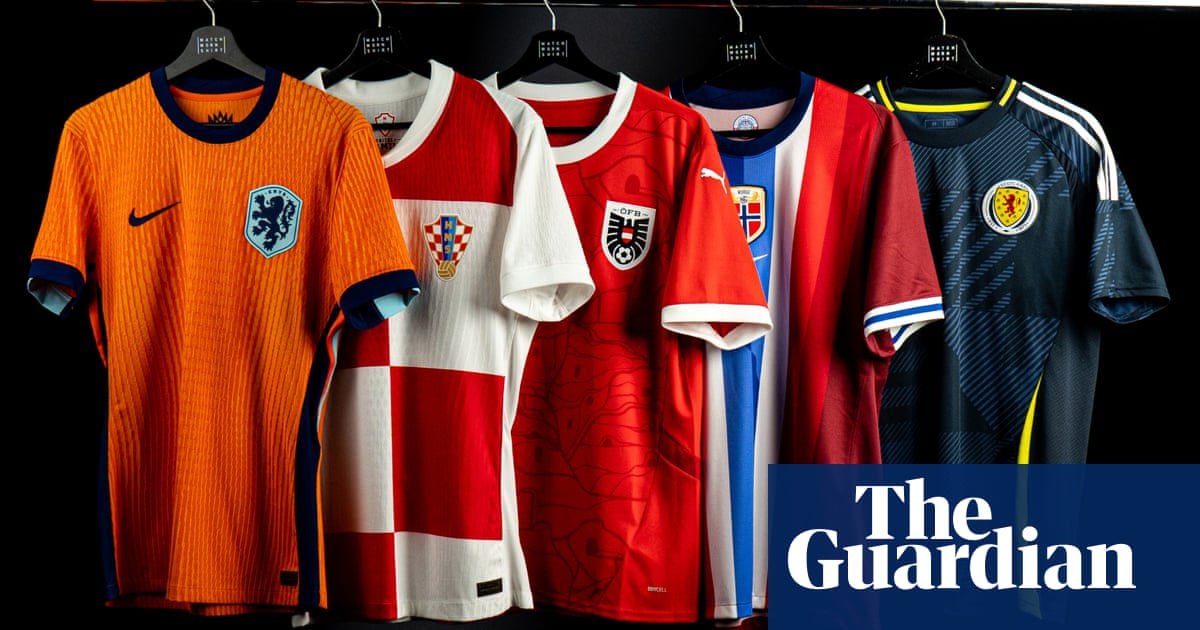
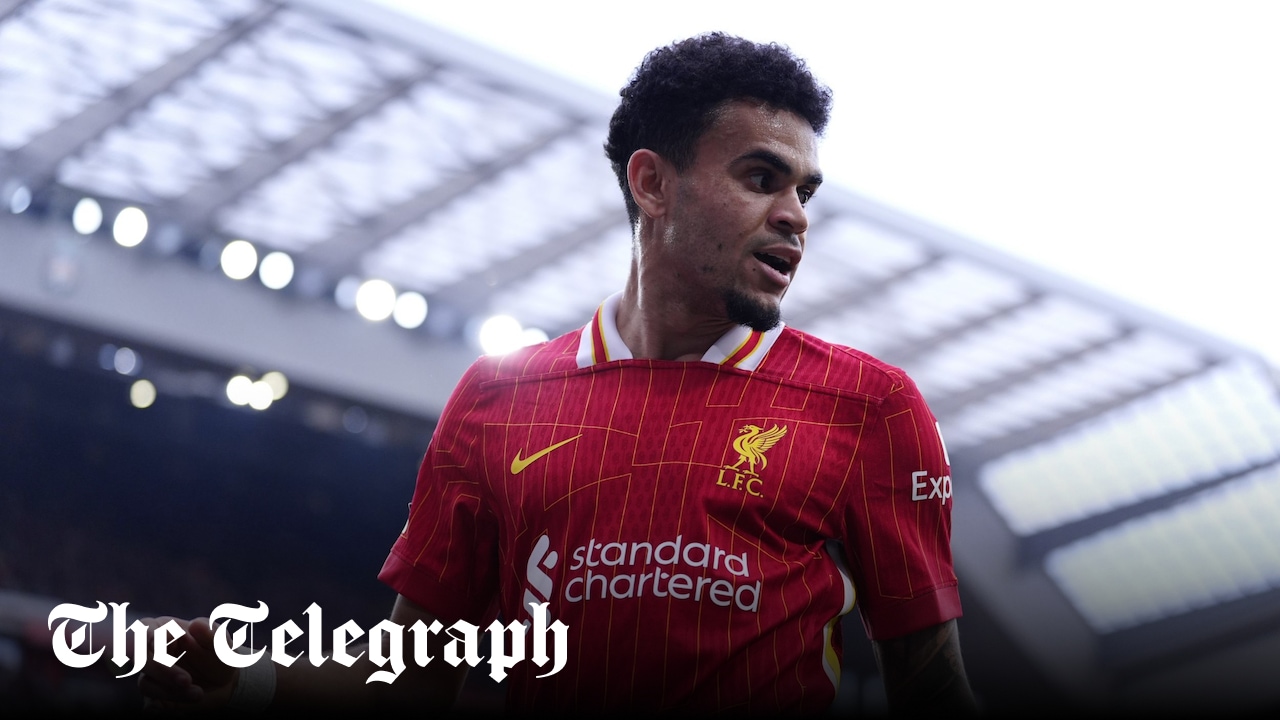
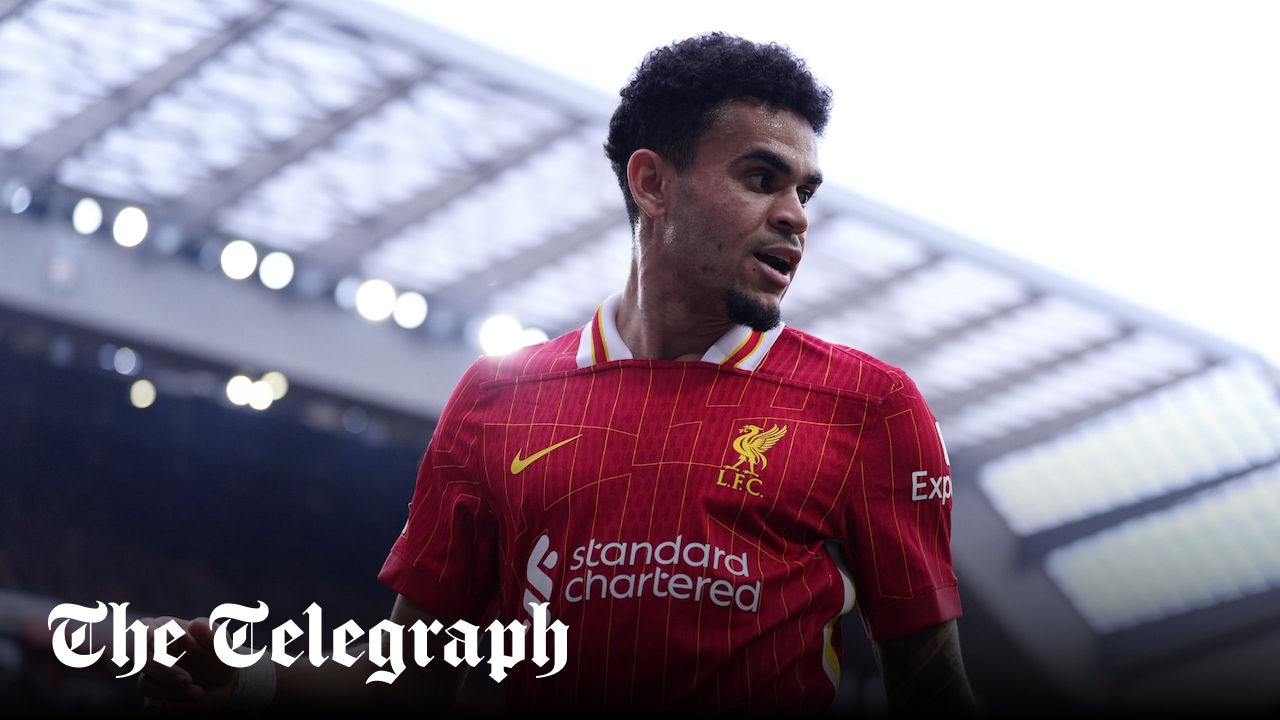
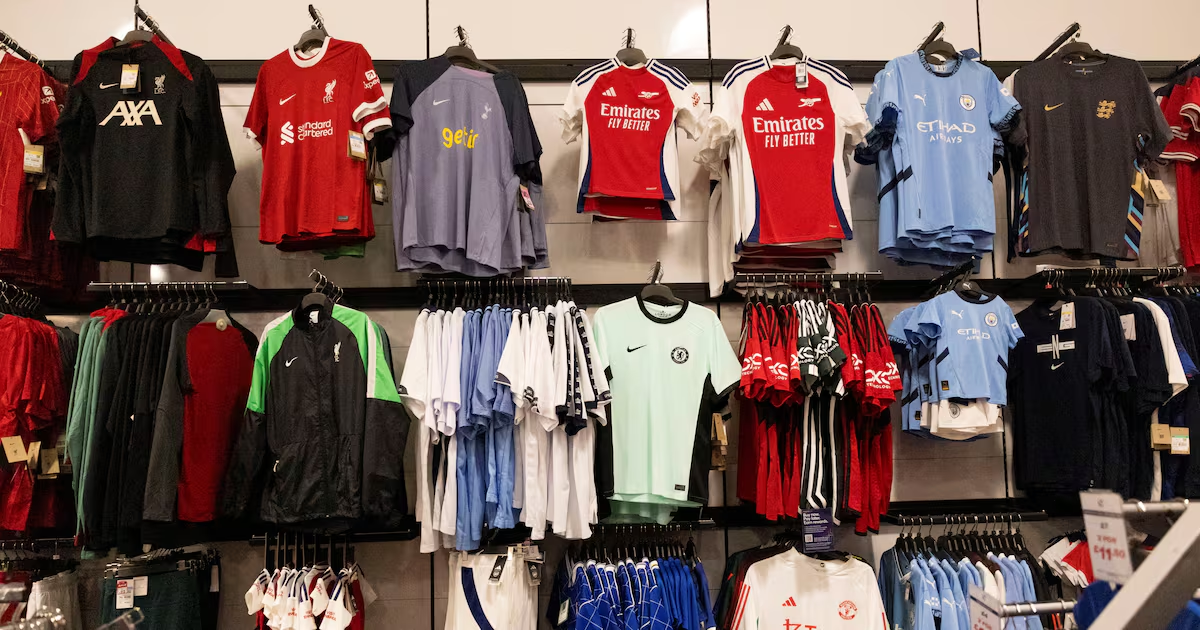
The queue outside the Liverpool Football Club store at the Mall of Africa was long and getting longer late last Thursday afternoon. It snaked politely, if a tad impatiently, past the toilets near one of the many parking lots in a shopping complex that seems to have no end.Thank the heavens I knew the right person who knew the right people for the gift of access to the VIP lounge. The Liverpool fans sang anthems and chants. They posed with Bruce Grobbelaar, the former Liverpool goalkeeper who played 628 times for the club from 1981-1994, winning six league titles, the European Cup, and the FA Cup and League Cup three times each. They posed with Mighty Red, the Liverpool mascot, who made his debut for the club at a children’s party in the famous Boot Room in July 2012. Mighty Red has seen the club win 11 titles, including the Premier League twice, Champions League, the FA Cup, three League Cups, the Uefa Super Cup, Club World Cup and Women’s Super League twice. The fans had been queueing for some hours to get into the shop for the official opening, which was a little strange as the store had been open since the week before. But they did not come here to shop on Thursday, they came for the hype of being at an event. Being part of the family of Liverpool FC and a fan of any club can be overwhelming and expensive.It is estimated by Liverpool FC that there are 12.5-million Reds fans in South Africa. Kaizer Chiefs have 16-million and Orlando Pirates fans are said to number 9-million to 14-million. Those are big numbers even if they are just estimates, which is good news for the owners of Old School, who have partnerships with all three teamsBrothers Daneel and Stef Steinmann started Old School when they wanted retro, vintage-feel Springbok jerseys for the 2019 Rugby World Cup and could not find them. In 2022 they sold R4m worth of jerseys in a year. During the 2023 Rugby World Cup they sold that number in just one day.They have deals with Chiefs, Pirates, South Africa Rugby, Manchester City, Sundowns, Barcelona, Real Madrid and the National Basketball Association and standalone stores across the country. Now, in partnership with Liverpool FC, they have opened the only European football club stores in Africa. Liverpool FC now has more than 20 “standalone stores worldwide, more than any other team in world sport – including top European football clubs and major US franchises”.The African sports equipment and apparel market is ripe for expansion. In April Guzangs.com reported it was “valued at $4.27bn in 2024 and was expected to reach $5.58bn by 2030 … the Middle East and Africa region is expected to record the fastest growth in sports apparel, with a projected compound annual growth rate of 9.15% from 2026-31, the fastest of any region in the world. And yet the continent remains, largely, an afterthought in global sports brand strategy. The demand is unquestionable. The strategic commitment has not followed.”The numbers do not take into account the informal economy, “the roadside vendors in Lagos, the stalls in Kumasi’s Kejetia market, the WhatsApp resellers in Nairobi. A considerable volume of jersey transactions happen every day in these channels.”Counterfeit jerseys are a global issue and, from the looks of some Liverpool kit in the queue at the Mall of Africa, remains a big problem in this country. Treating Africa as a country instead of a continent of many trends is the biggest mistake global sports brands make. Ghanaian sports marketing consultant and former elite rower Jon Boafo told Guzangs.com, “South Africa has a formalised retail infrastructure, a strong middle class and established licensing frameworks. Ghana operates differently. Nigeria is a market of more than 220-million people with its own commercial logic. The GDP per capita gap between South Africa and a country such as Mali is enormous and yet a single continental strategy gets applied across all of them. That is not really a strategy. It is something done by default.”Liverpool have gone Old School in their strategy for South Africa with a new school way of thinking. Adapt to the market and use its strengths. If you build it, they will queue.Business Day