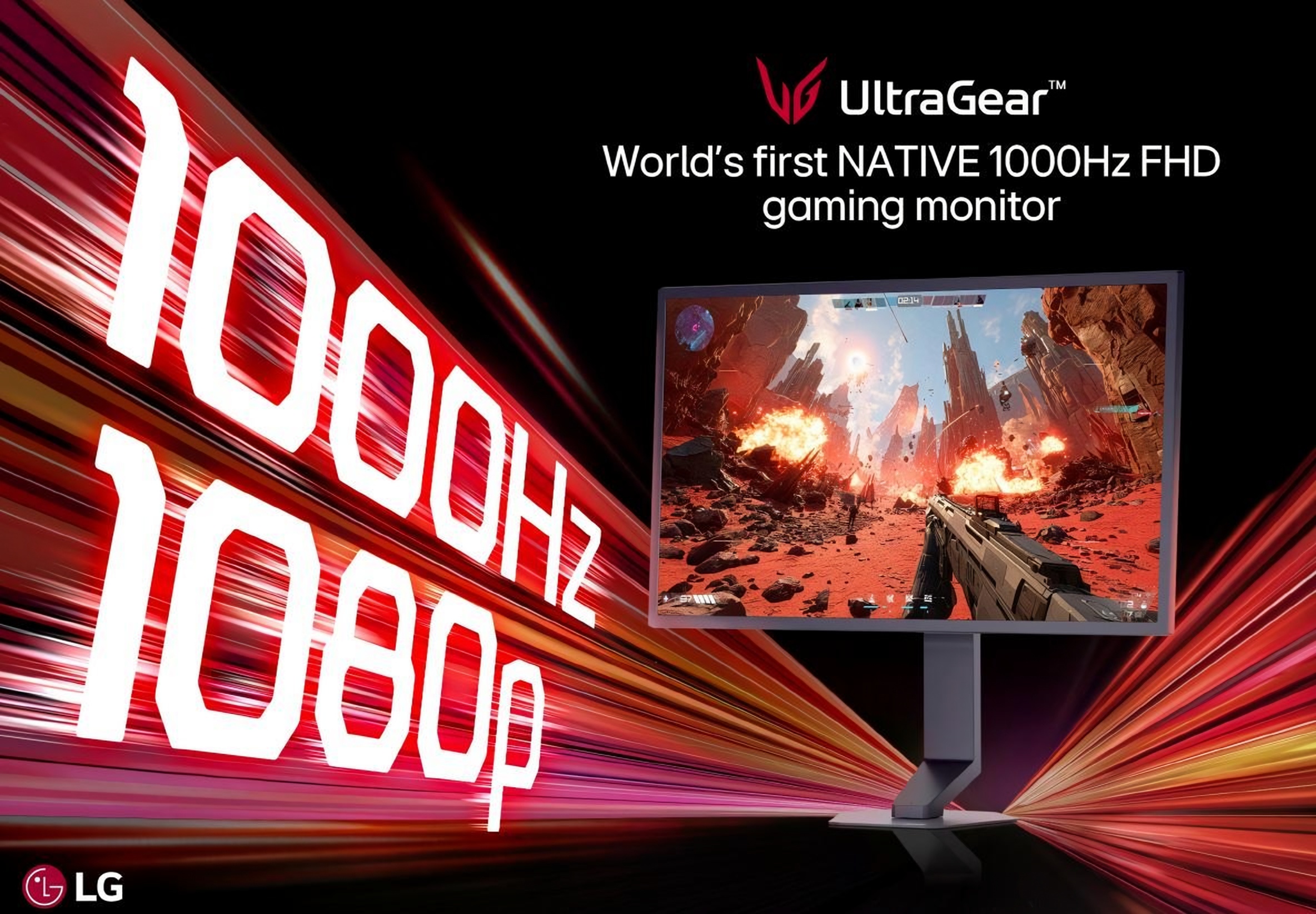
FORWARD-LOOKING: First, it was the leap from traditional 60Hz displays to 120Hz gaming monitors. When that wasn't enough, panel manufacturers reached 144Hz, then 165Hz, then 240Hz, then 360Hz at 1440p and eventually 4K. Now, after achieving 480Hz, 540Hz, and 720Hz at 1080p and surpassing the kilohertz mark at 720p, gaming monitors have begun repeating the feat in Full HD. LG was first, with AOC and Philips following close behind.
At a recent press conference, AOC and Philips, in collaboration with BOE, unveiled two of the earliest monitors to achieve 1,000Hz at 1080p. The blisteringly high refresh rate could offer a competitive edge in esports games and improve motion clarity in other titles.
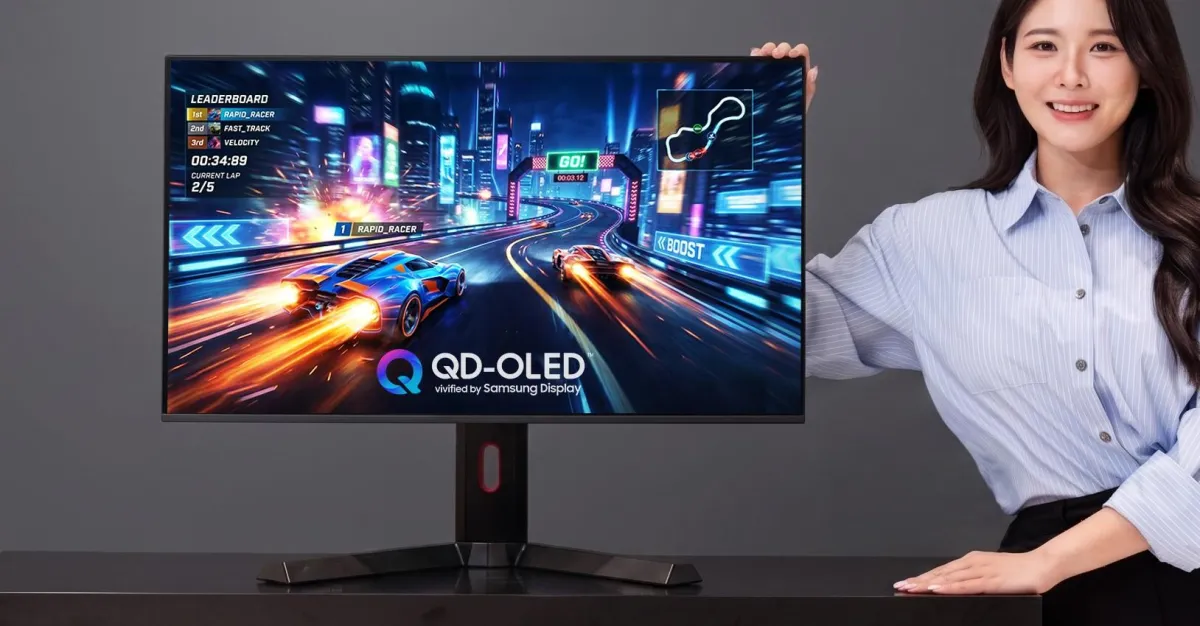
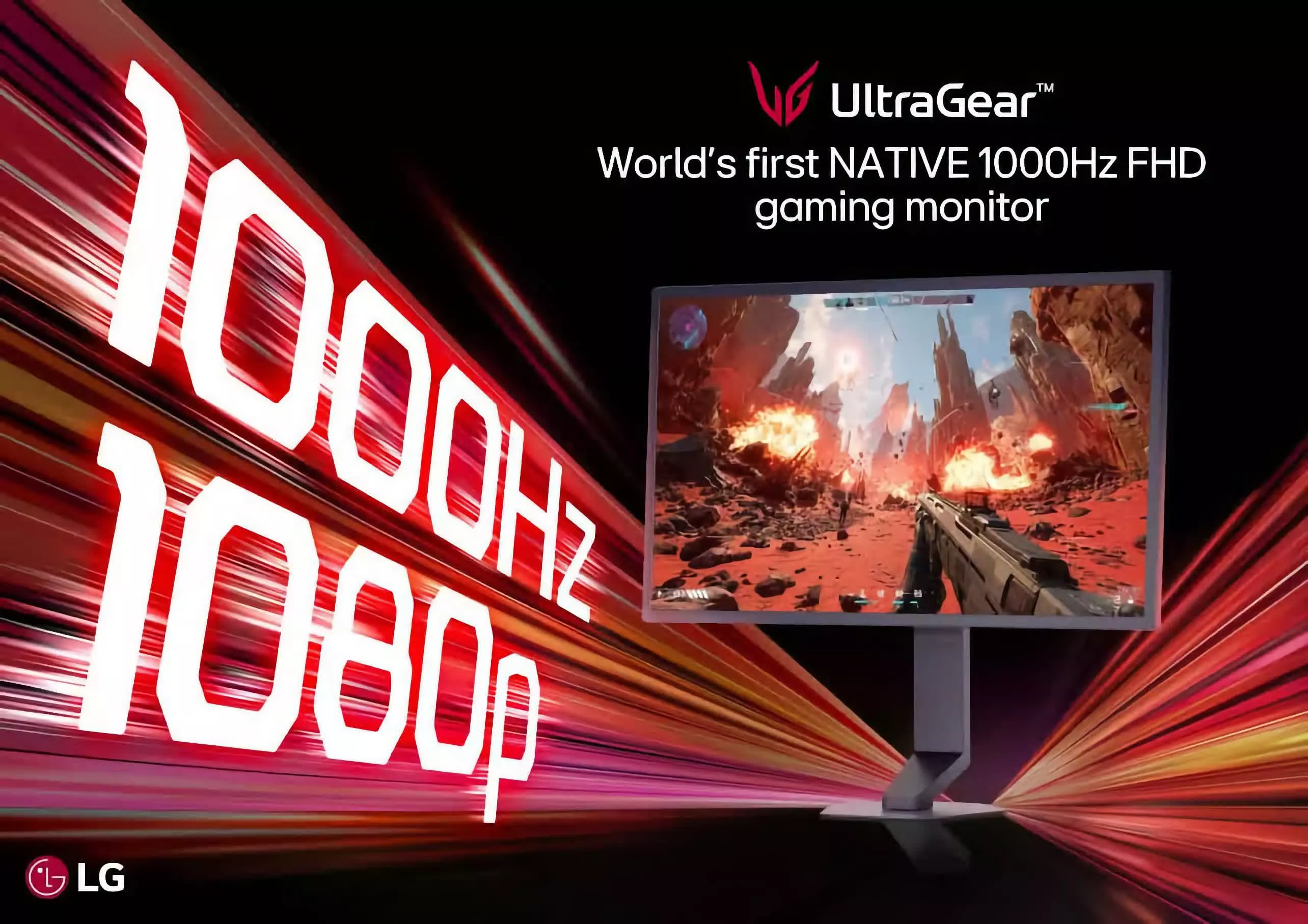
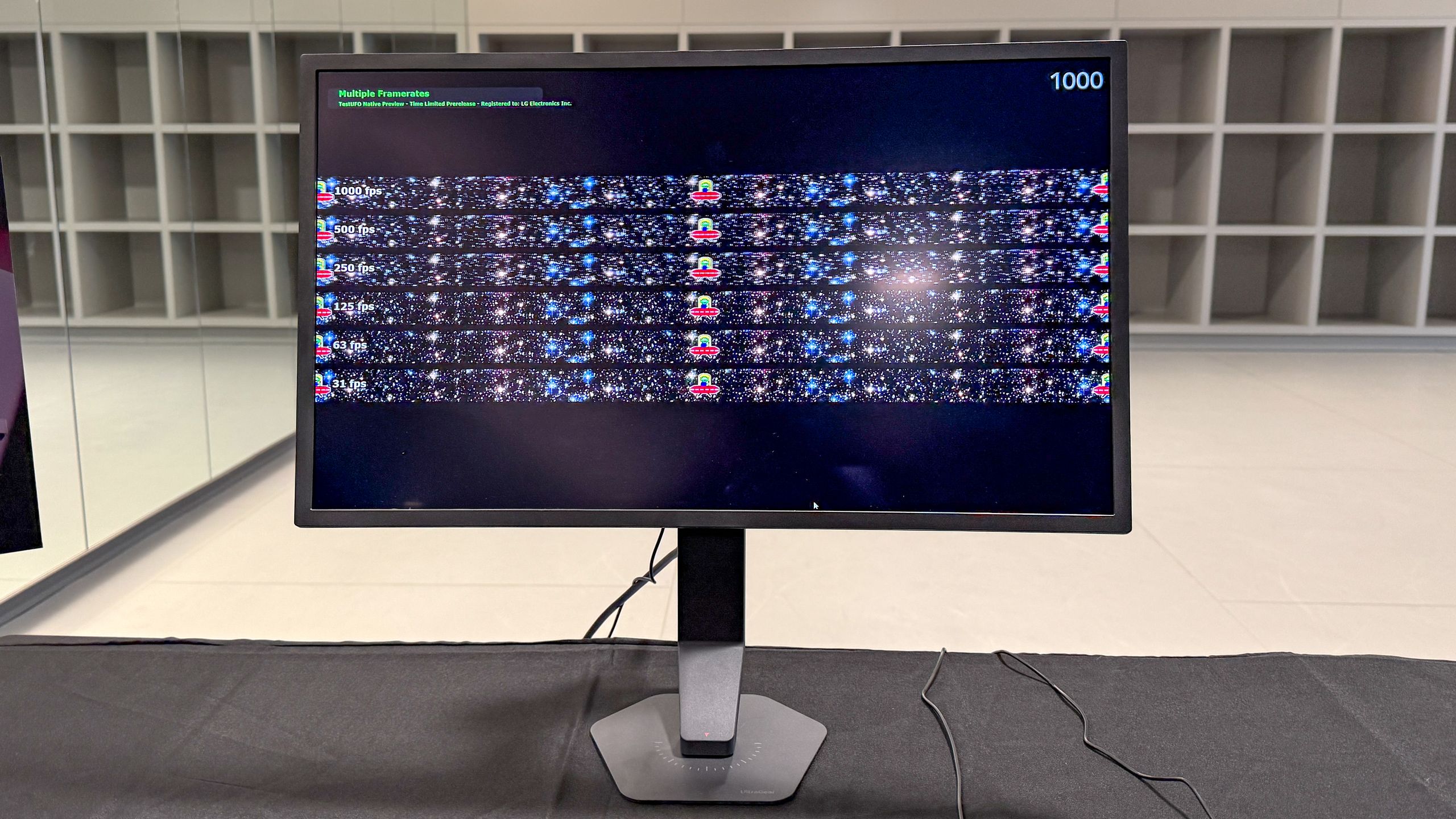
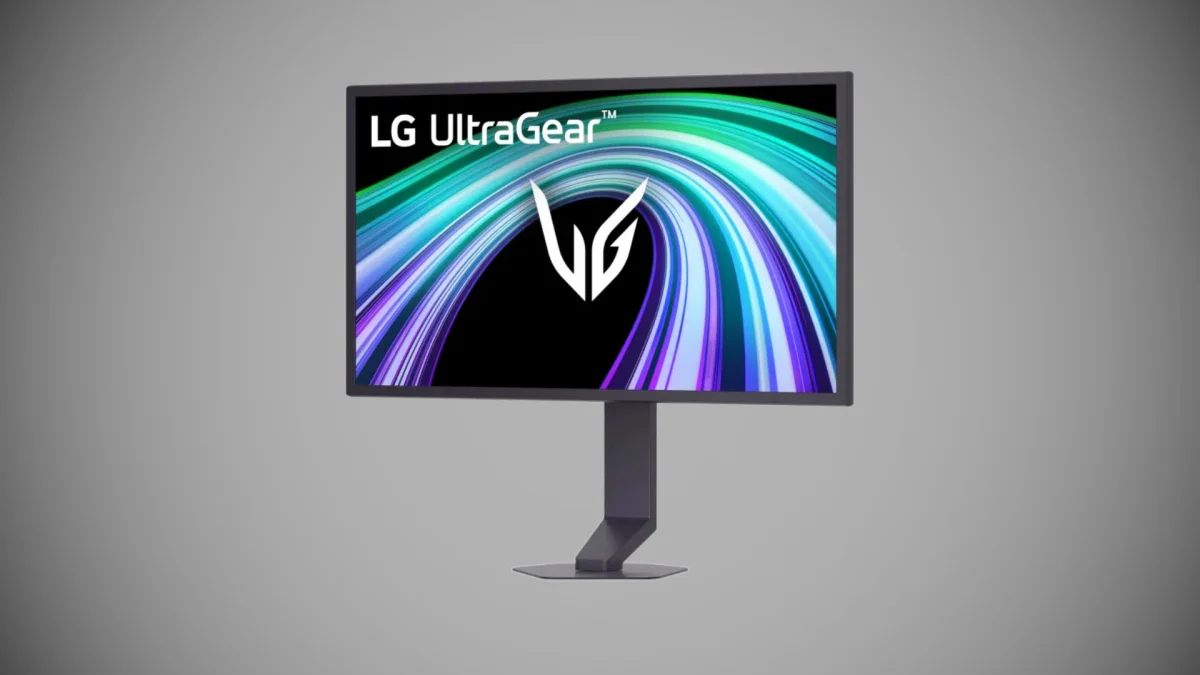
AntGamer and Samsung unveiled 1,000 Hz screens last year, but they were dual-mode panels that could only achieve their full refresh rates at 720p. Earlier this month, LG's UltraGear 25G90B became the first monitor to achieve 1,000 Hz unambiguously in native 1080p. AOC and its sister company, Philips, have now followed up with the Agon AGP257FT and the Evnia 25M4P5200T, both of which achieve the same milestone.
Also read: Why Refresh Rates Matter
According to AOC's website and media in attendance (machine-translated from Chinese), the two screens feature a 0.2ms GtG response time, and the AGP257FT includes BLMB display technology, which appears to be a black frame insertion method. Many monitors and TVs use black frame insertion at refresh rates above 120Hz to increase motion clarity by displaying a black screen every other frame, mimicking the flicker effect from old CRTs.