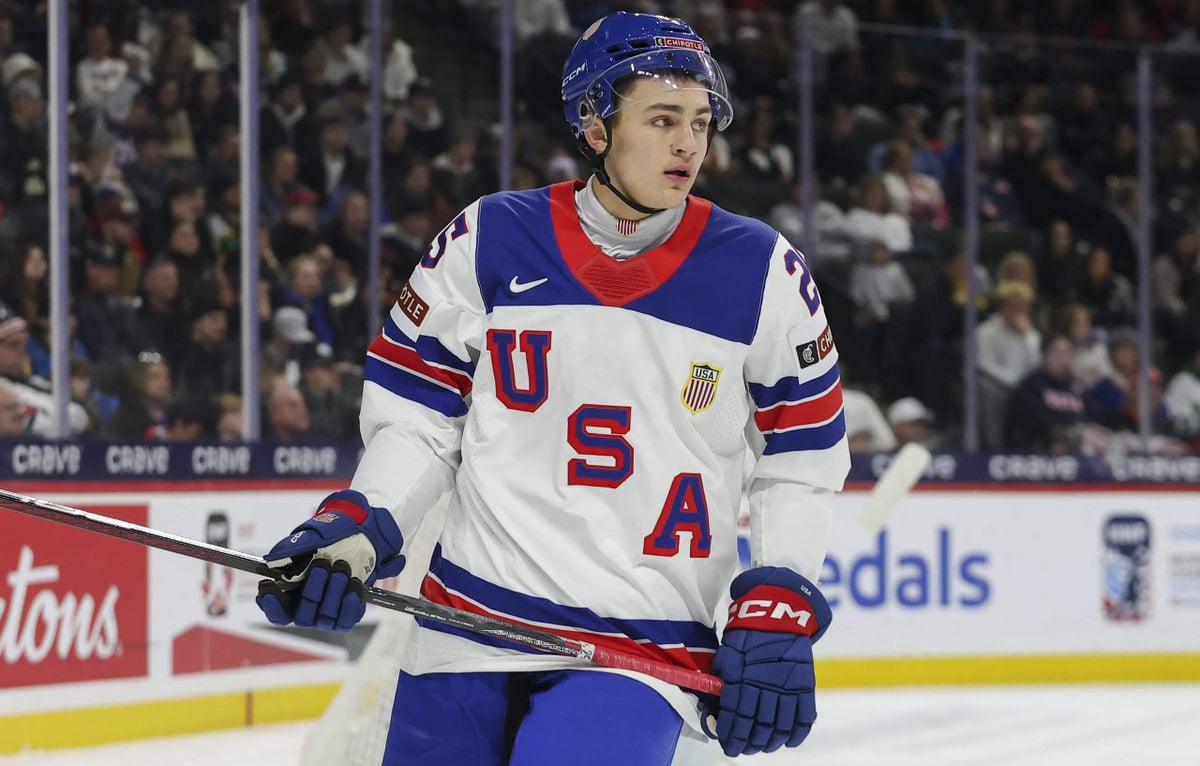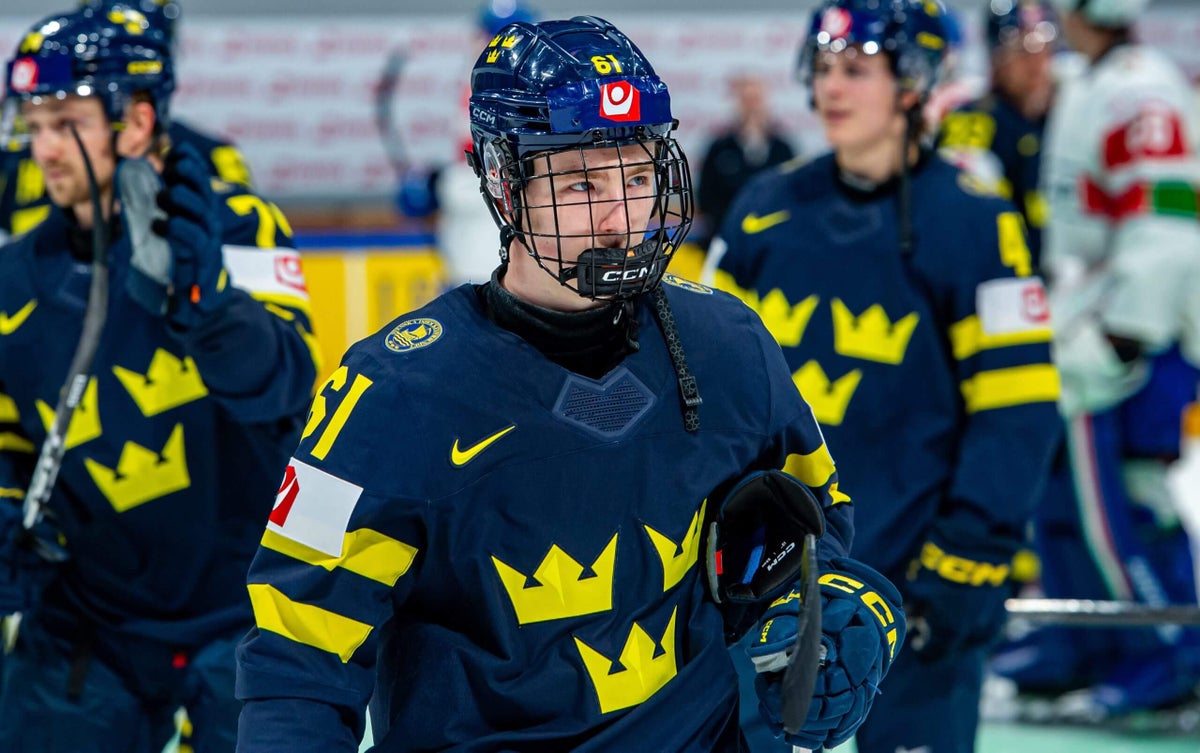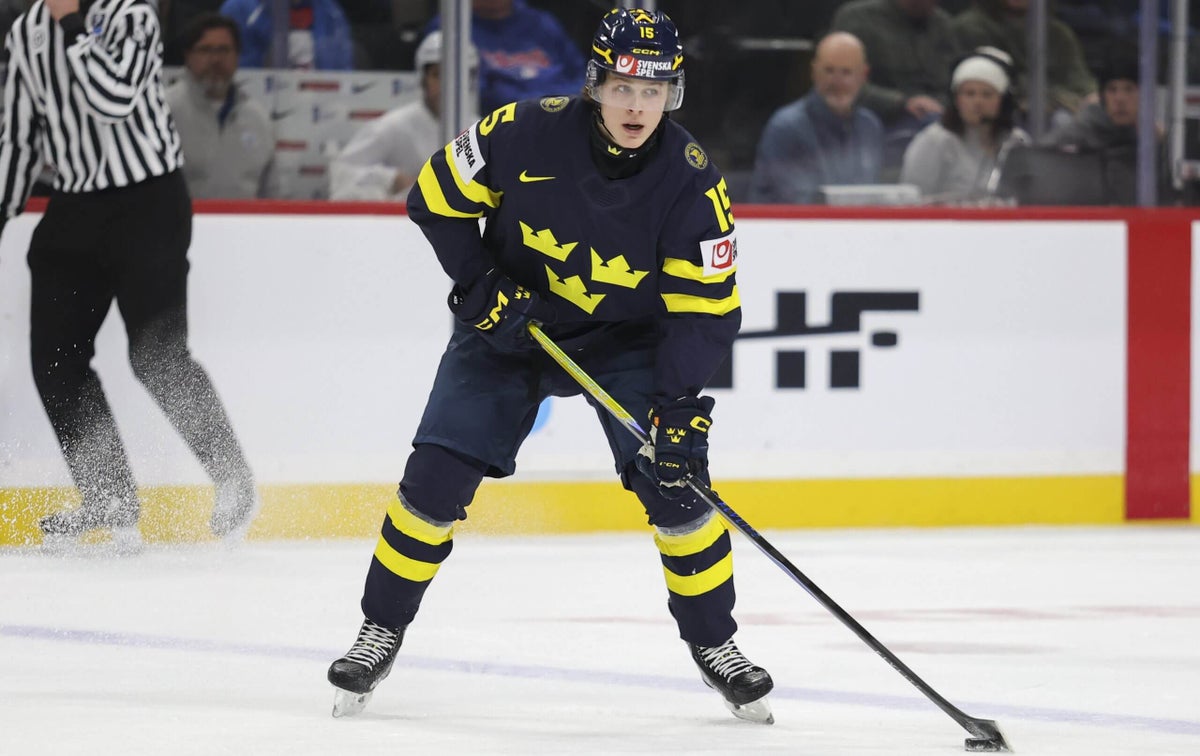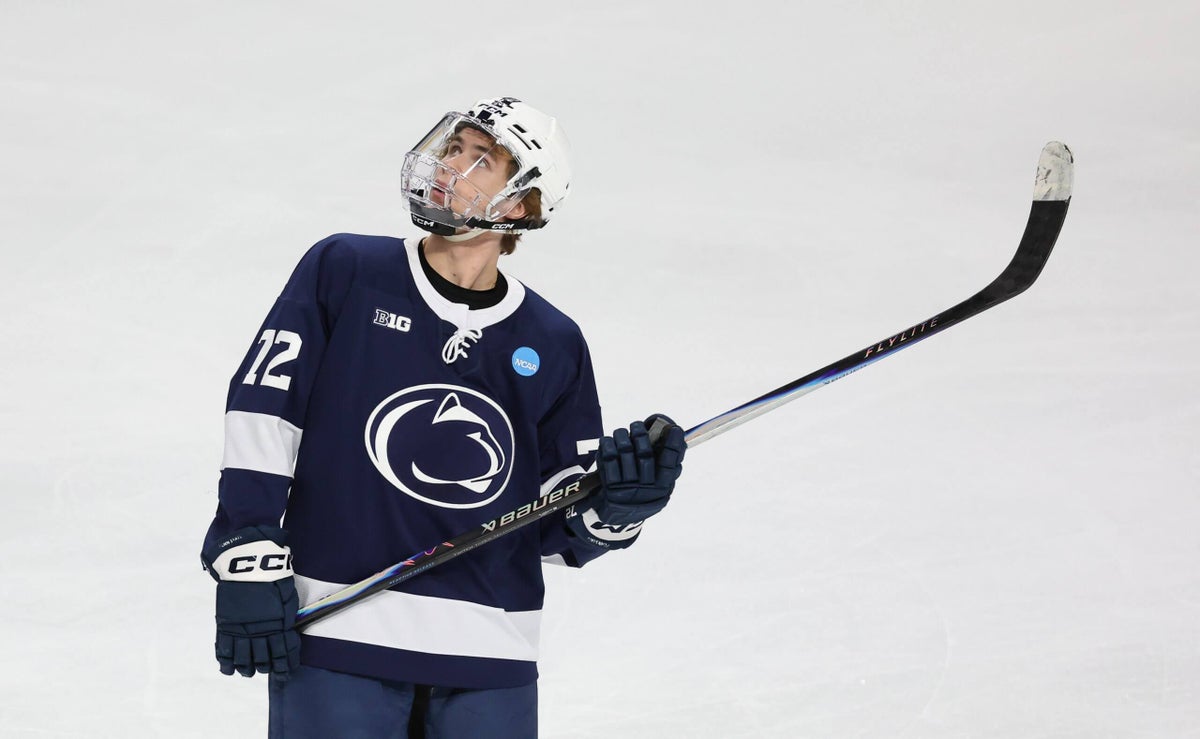
This is the third story in a series examining the Vancouver Canucks’ options with the No. 3 pick in the 2026 NHL Draft. You can read part 1 on Ivar Stenberg here, and part 2 on Caleb Malhotra here. Today, we lay out the case for Soo Greyhounds defender Chase Reid and some of the other top defenders in the 2026 class.The basicsThe 2026 draft could see as many as five or six defenders selected in the top 10, with several of them in contention to hear their name called with a top-three selection. This is, simply put, a near historic class for defencemen, and it’s headlined by Reid.Reid stands 6-foot-2 and is an exceptionally dynamic skater and puck mover. A late birthday, Reid is a late bloomer, who opened his age-17 season in the NAHL and made his OHL debut at an age when most of the other top prospects in this class are already gearing up to be drafted.Pedigree aside, Reid’s skating tools and overall two-way awareness have wowed NHL scouts. He seems to have separated somewhat from the rest of the pack as the top blue-line prospect in this draft class, and as we’ve repeatedly reported at The Athletic, the Canucks have had serious interest in him throughout this process.There was a point shortly after the Ivan Hlinka tournament, where Keaton Verhoeff — a 6-foot-4, right-handed defender who represented Canada at the World Juniors as a 17-year-old — was tabbed by the scouting community as a contender to be selected first. The hype around Verhoeff receded, however, as a result of Gavin McKenna’s brilliant play down the stretch in the NCAA, and Verhoeff’s struggles in the college hockey playoffs with North Dakota (and subsequent only fine performance at the U18s).Despite his frame and profile as a more punishing player reliant on strength rather than speed to control play, Verhoeff is more of a natural offensive defenceman than he is a shutdown type. His skating and overall processing have been brought up more frequently by scouts, although he still has significant supporters as the top defender in this class.There’s also a pair of pedigree WHL defenders in Carson Carels and Daxon Rudolph, both of whom should push to be top-10 selections, and have the sort of profiles and skill sets worthy of consideration as high as third.Carels is the higher octane scorer of the two, a wide-bodied, super physical left-handed defender who was absolutely dominant in the WHL this season. His combination of physical tools and high-end offensive ability might make him the safest ceiling and floor combination bet among all the blueliners in this class.Rudolph is a 6-foot-2 right-hander who broke out offensively in the playoffs for Prince Albert. He has an uncanny ability to control the game at five-on-five, and he sometimes makes it look deceptively easy. That can be to Rudolph’s detriment. It can look like he has a low motor, but there’s no arguing that the puck seems to follow him around the ice. What might look like a low-effort route often turns out to be high-end anticipation.Then, there’s Latvian prodigy Alberts Šmits, who’s widely viewed as a functionally NHL-ready top-four calibre defender right off the hop. Šmits was a standout for Latvia at both the Olympic tournament and at the World Championships, has both a big frame and is a plus NHL-level skater, and has a booming slap shot. The reason Šmits isn’t the consensus top defender in this class, despite his obvious readiness, is that he wasn’t especially productive in club play in Liiga this season, despite being an assertive two-way force. As a result, there are some questions about his upside, even if his floor is safer and it’s very obvious, in contrast with most of the other blueliners in this class, that he’s likely to be ready to contribute in an NHL lineup next season.The production profilesOne of the most interesting dynamics in this draft class is the difficulty of evaluating players who dominated younger players and peers at the major junior level, and contrasting that with how a player like Verhoeff — whose age-16 WHL season was borderline historic from a production standpoint — fared against tougher competition as a 17-year-old in the NCAA.There’s a lot of uncertainty about how much weaker the NIL era has made major junior competition. And there just aren’t very many 17-year-old defenders who have even played NCAA hockey ever, much less played it and succeeded to the extent that Verhoeff did, especially earlier on in his true freshman campaign.In fact, across the last 20 years, Verhoeff is just the third 17-year-old NCAA blueliner to manage 20 points in a season. The other two to do so were Zach Werenski and Noah Hanifin.PlayersYearGPPointsZach Werenski20153525Noah Hanifin20153723Keaton Verhoeff20253620Sascha Boumedienne20254013Yan Kuznetsov20203311Dillon Simpson20113010Simon Danis-Pepin23235The rarity of what Verhoeff accomplished this season shouldn’t be understated. From a profile standpoint, scouting staffs will need to make a very difficult determination: to what extent is Verhoeff holding up in a rare way against tough competition, even tougher than what Werenski and Hanifin faced, given the influx of top CHL talent, more impressive than the way the top CHL defenders dominated against watered-down competition?
Vancouver Canucks’ No. 3 pick in 2026 NHL Draft: The case for Reid, Verhoeff, Carels, Šmits and Rudolph
The 2026 draft could see as many as five or six defenders selected in the top 10, and some as early as the top three.
2,269 words~10 min read