Millions of epilepsy patients across Africa cannot access treatment due to medicine shortages, few specialists and deep-rooted stigma. [File,Standard]
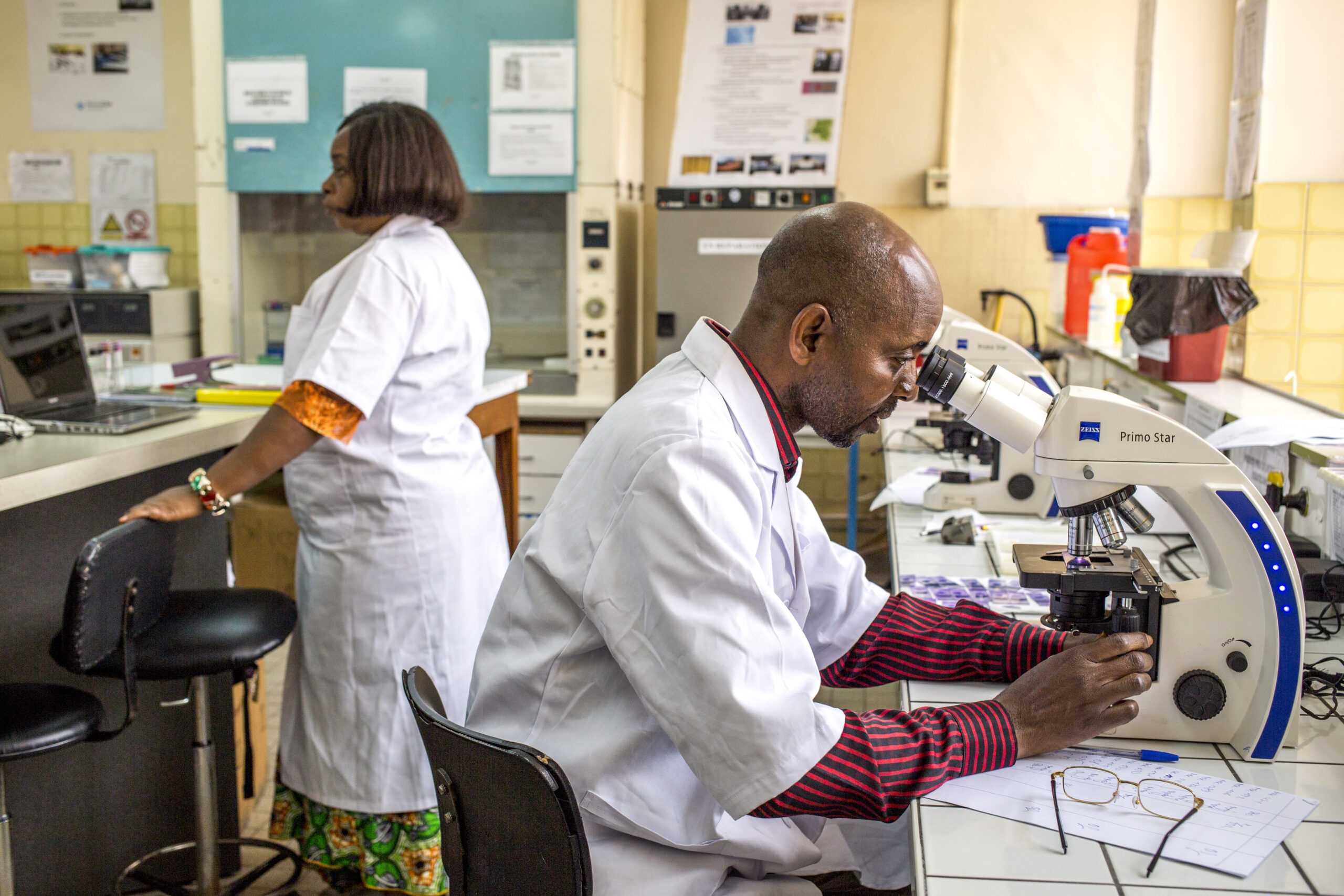
Roughly 80 per cent of people living with epilepsy across sub-Saharan Africa receive no treatment at all, a figure that an epilepsy advocate says exposes a failure at the heart of global health policy.
Dr. Phyllis Kimani, a pharmacist qualified in both the United Kingdom (UK) and Kenya, raised the alarm as global health ministers convened at the World Health Assembly (WHA) in Geneva, arguing that neurological conditions remain peripheral in discussions that should place brain health at their centre.
"Brain health is health. Neurological care is not a luxury," said Kimani, who focuses her work on refractory epilepsies, cases where patients do not respond to standard treatment.
Epilepsy affects approximately 50 million people globally and ranks among the world's most prevalent neurological disorders. In low-income countries, about three quarters of people with epilepsy may not receive the treatment they need, a phenomenon researchers call the treatment gap.