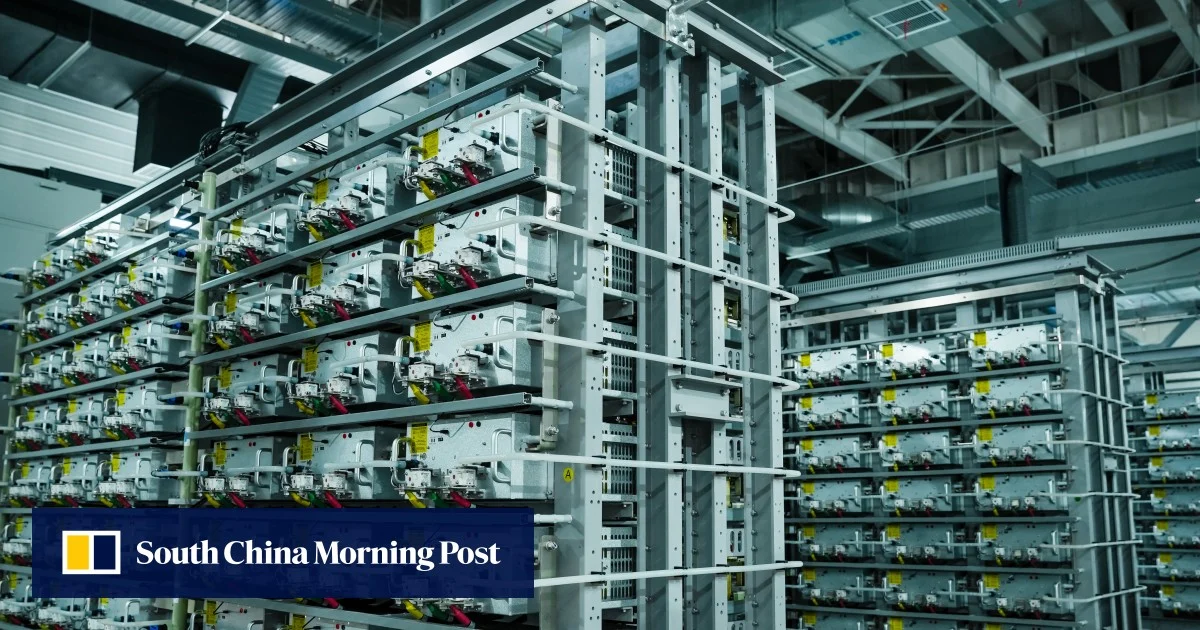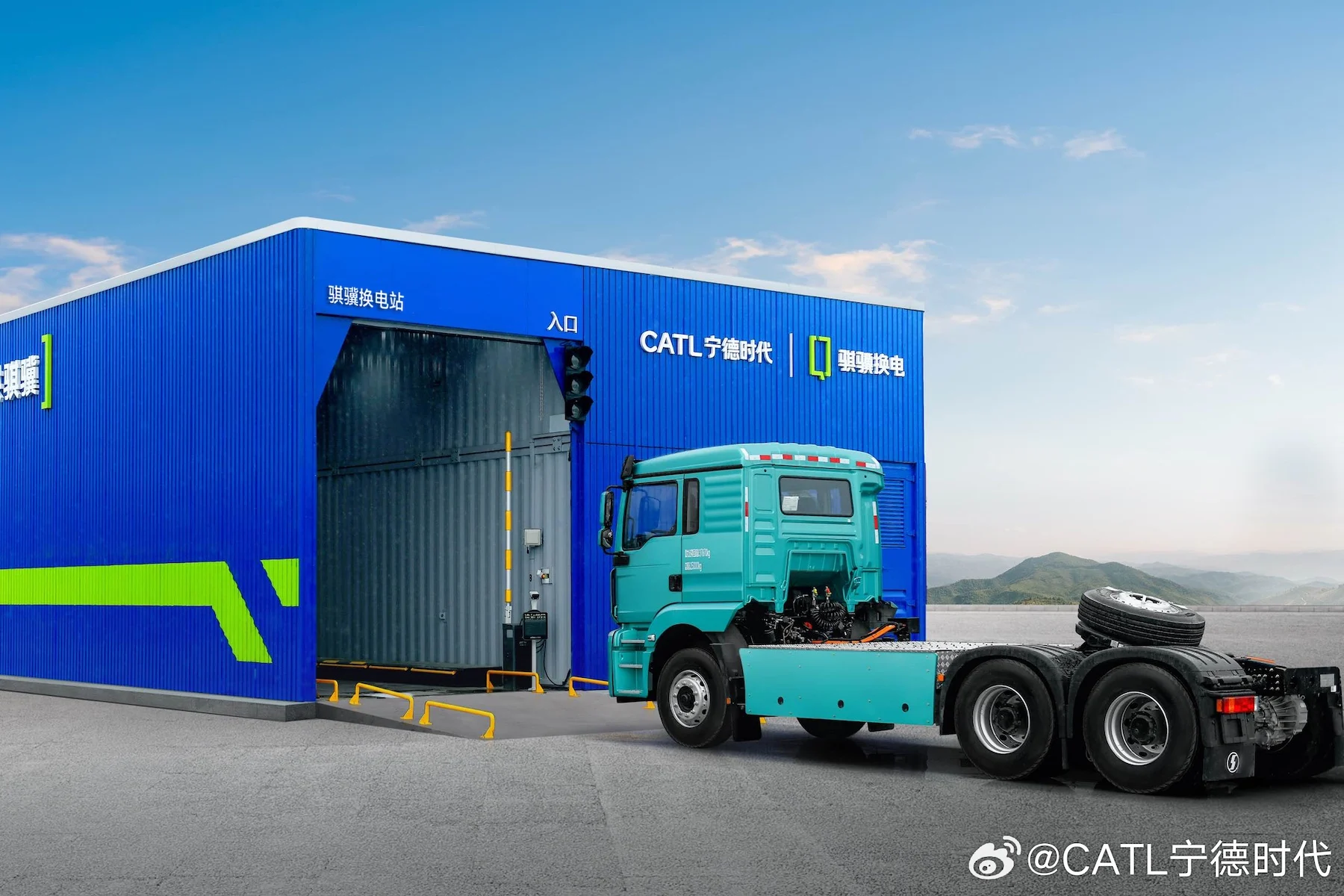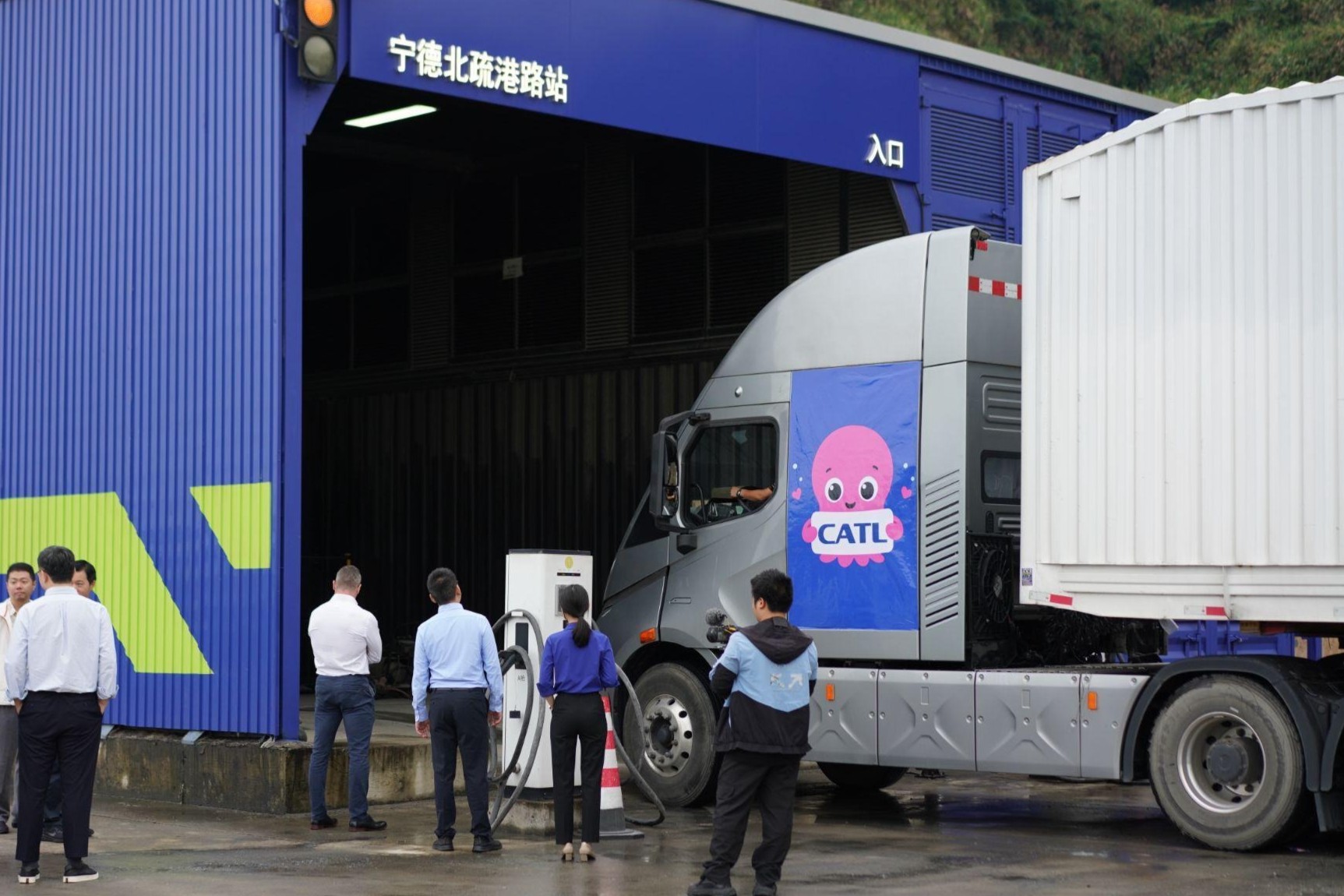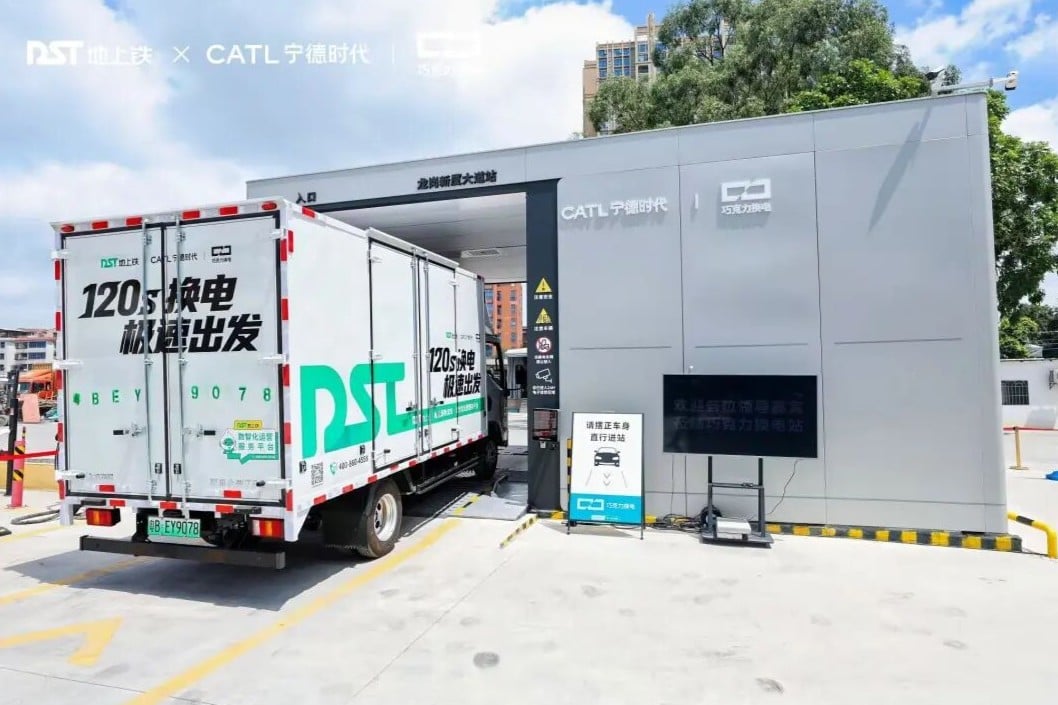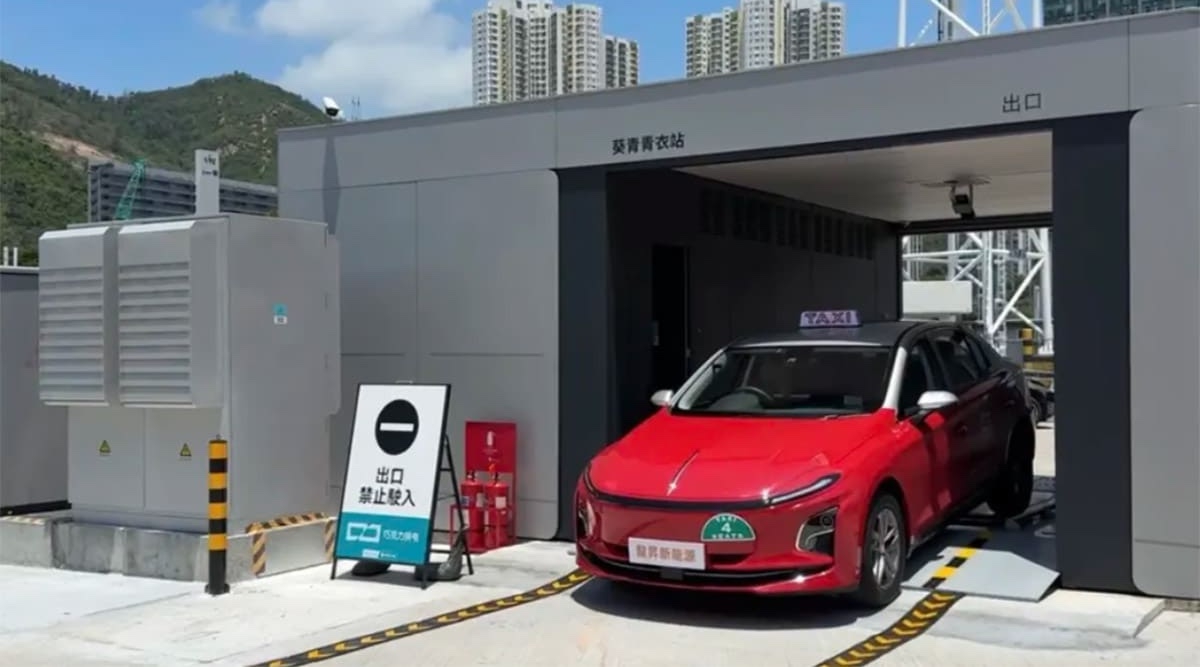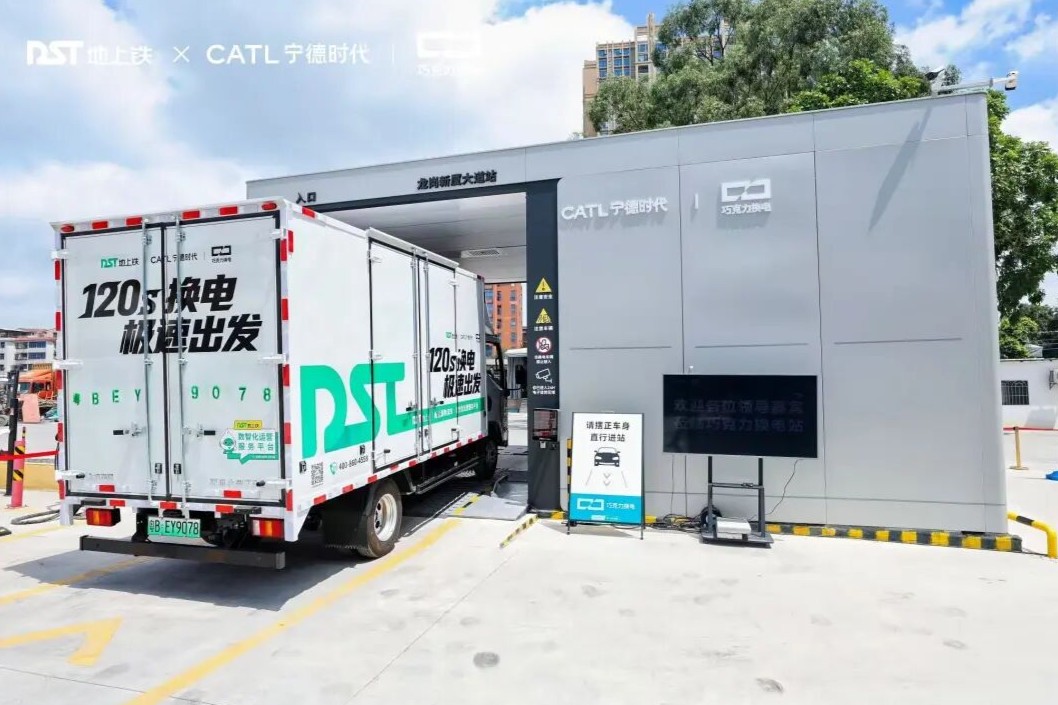
CATL is launching the first standardised battery swap system for light electric trucks together with Shenzhen-based logistics provider DST. The initial rollout targets the Greater Bay Area, including Guangdong, Hong Kong and Macau. The region already operates 31 battery swap stations, and the partners plan to expand the network to 140 sites by the end of 2026.Image: CATLThe advantage of rolling out the system in a geographically defined region with a fixed partner is clear: CATL can guarantee a certain utilisation rate for its battery-swapping stations while simultaneously demonstrating to other potential partners that the system delivers the promised performance.The project with DST is operating on a large scale. The planned network of 140 battery swap stations will support a fleet of 5,000 light battery-electric trucks operated by DST. CATL has not yet disclosed the specific vehicle model. However, the company states that each electric truck will save more than 2,000 hours of refuelling time over an eight-year lifecycle and cut operating costs by around 50 per cent compared to a diesel truck.In any case, the system being deployed is CATL’s Choco-SEB system, which the company unveiled at the end of 2024. This system offers battery packs in various sizes, which are now used by several vehicle manufacturers in China. SEB stands for ‘Swapping Electric Blocks’ and the name ‘Choco’ is inspired by the appearance of a chocolate bar with its individual blocks.The swap stations will be built in the Greater Bay Area, a metropolitan region with nearly 90 million inhabitants, encompassing the Special Administrative Regions of Hong Kong and Macao, as well as nine cities in Guangdong Province: Guangzhou, Shenzhen, Zhuhai, Foshan, Huizhou, Dongguan, Zhongshan, Jiangmen, and Zhaoqing.According to Chinese media reports, the modular battery swap stations under construction in the region will support both electric cars and electric trucks with wheelbases ranging from 2.7 to 3.75 metres. The stations are compatible with CATL’s Choco-SEB batteries, specifically the 25# and 35# variants, enabling interoperability between passenger cars and commercial vehicles. The battery swap process is fully automated and takes just two minutes.While the 25# battery was already introduced for passenger cars at the end of 2024, the 35# battery is a later development designed specifically for light trucks, which are now being deployed in this project. CATL has not disclosed the exact capacities of these batteries.This initiative with DST aligns with CATL’s overarching goal of establishing a network of 3,000 battery-swapping stations in China by the end of 2026. As of October 2025, the company had already reached 700 locations, and by the turn of the year, this number had grown to 1,020 battery-swapping stations.cnevpost.com
CATL launches battery-swapping network for light electric trucks in southern China - electrive.com
CATL is launching the first standardised battery swap system for light electric trucks together with Shenzhen-based logistics provider DST. The initial
436 words~2 min read