Hunger in Africa persists not primarily because of a lack of science, but because the connective tissue between evidence, policy and implementation is weak.
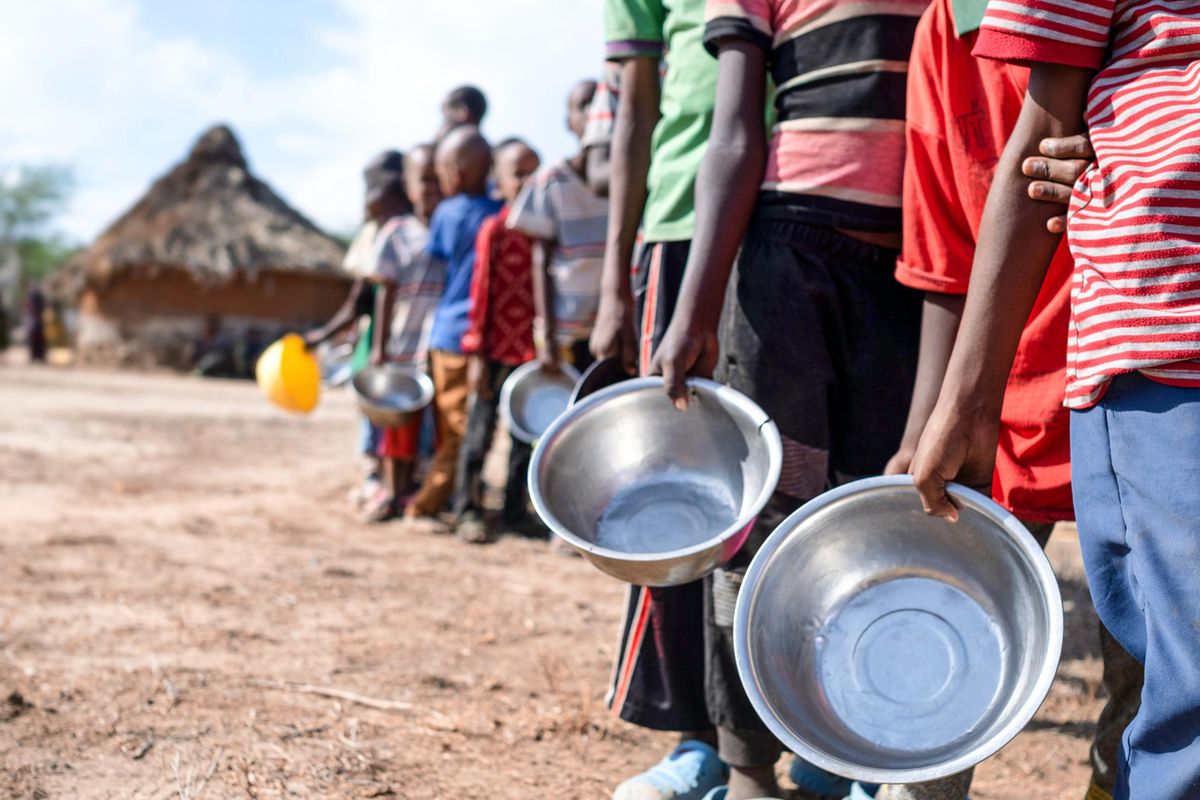
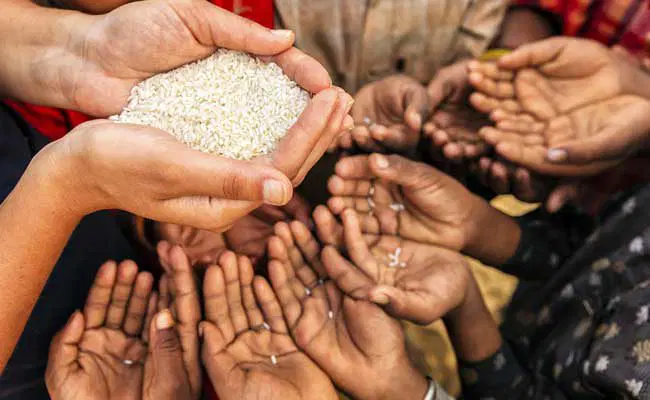
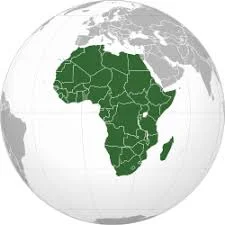
On World Hunger Day on 28 May, it is important to point out that more than one in five people in Africa go hungry today, and nearly six in 10 face moderate or severe food insecurity. The latest State of Food Security and Nutrition in the World report shows hunger continuing to rise across the continent even as it falls elsewhere, and projects that by 2030, nearly 60% of the world’s chronically undernourished people will be African.
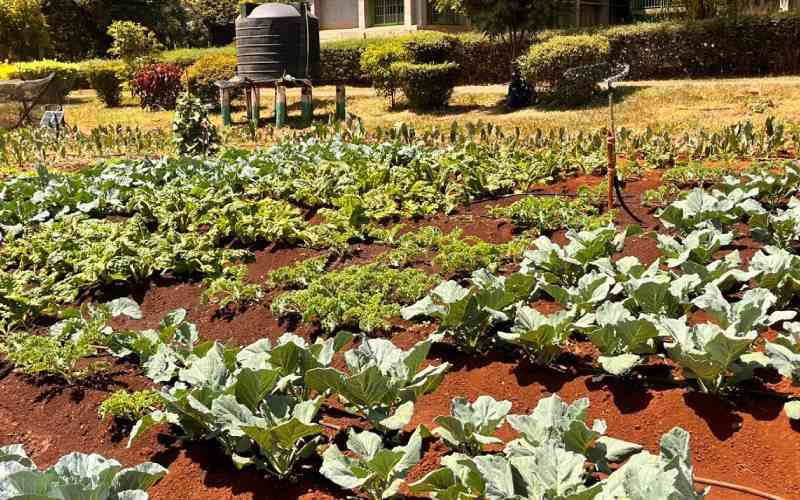
Africa is not short of evidence on how to feed itself. Across the continent, researchers, farmers, civil society organisations and policy institutes have spent decades documenting what works: which crops thrive under shifting climates; which markets serve the poor; which interventions reduce child stunting; and which trade rules either enable or undermine nutritious diets. The evidence base is rich, often locally generated and frequently ignored.
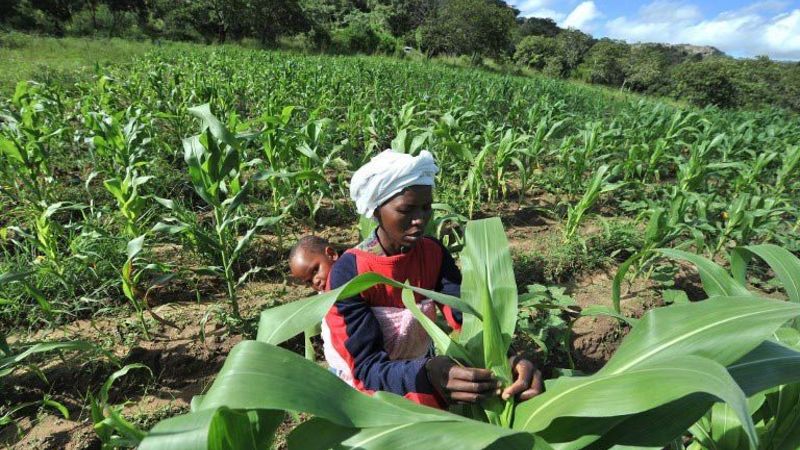
Hunger in Africa persists not primarily because of a lack of science, but because the connective tissue between evidence, policy and implementation is weak. Strategies sit on shelves. Cross-sectoral coordination falters. The voices most affected — women managing household food security, smallholder farmers and informal traders who actually feed African cities — remain at the edge of decision-making rather than at its centre. Many of the pressures driving hunger, including climate variability, food price volatility, disrupted supply chains and the spread of diet-related disease, do not respect national borders. They are regional phenomena, and they require regional responses.