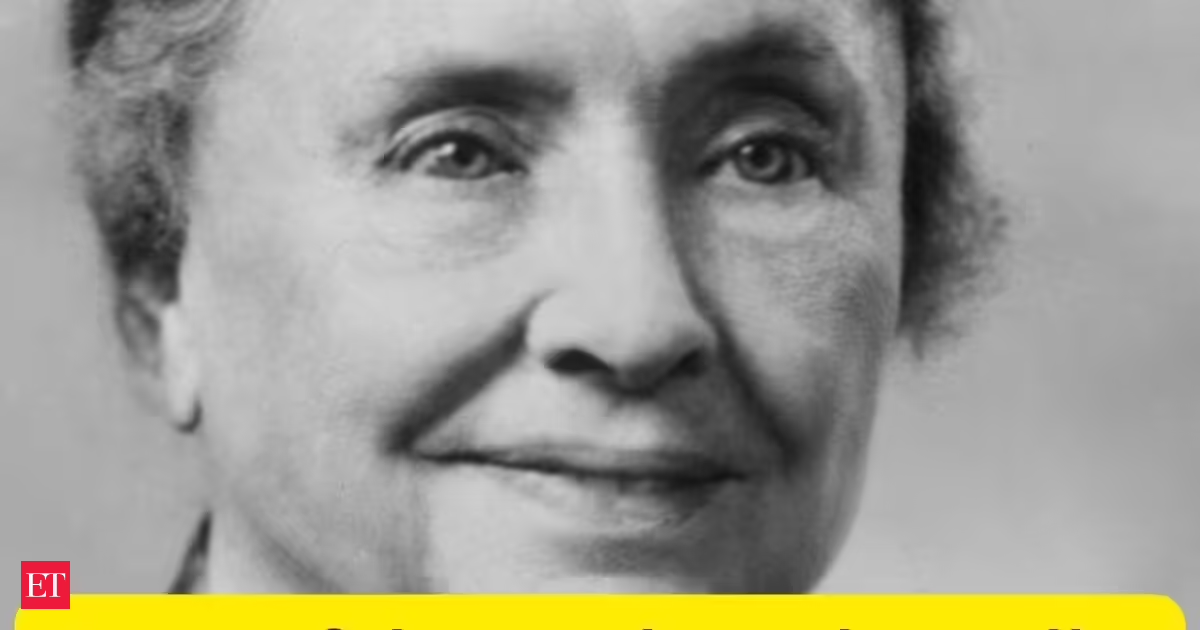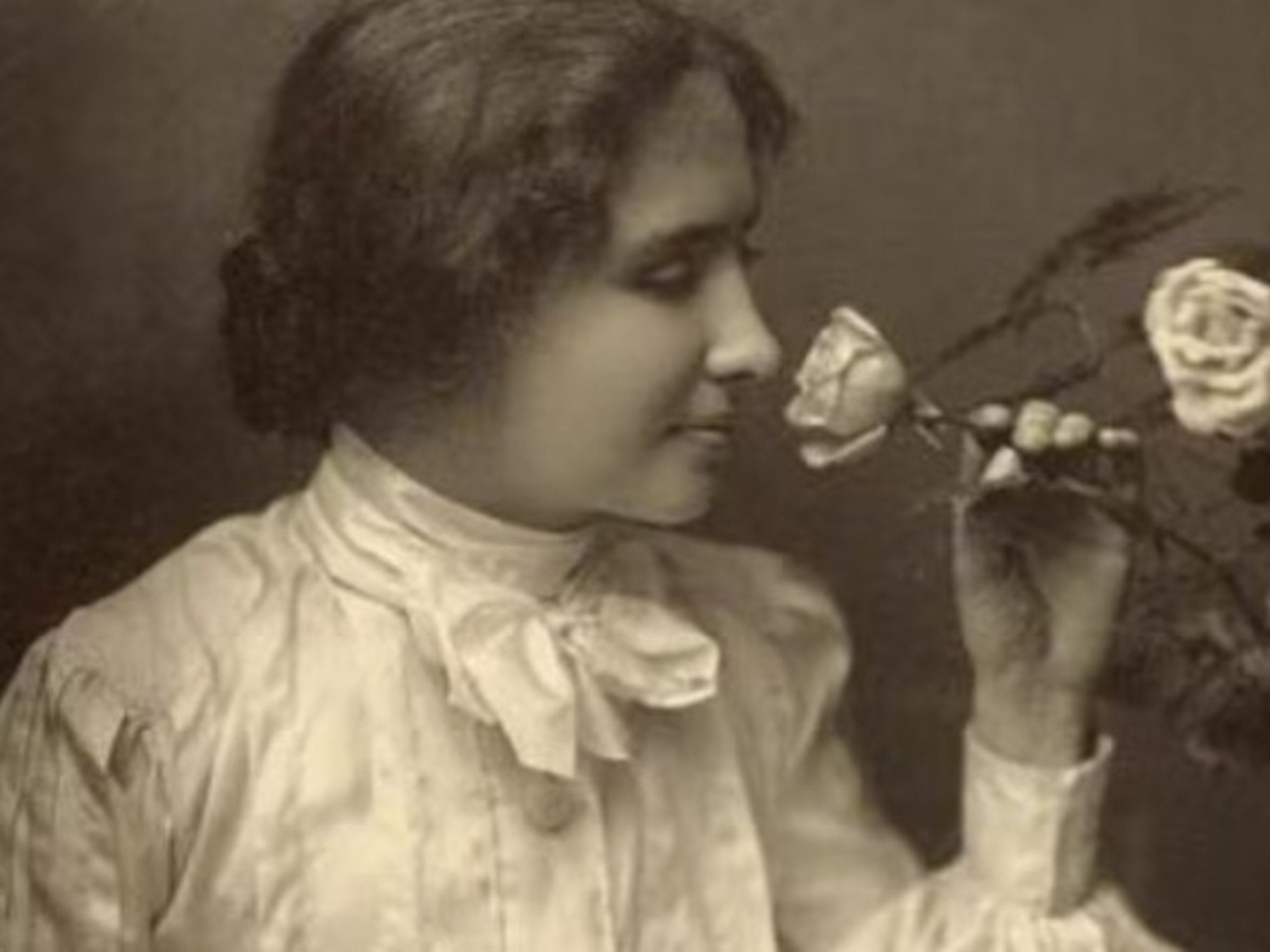
Quote of the day by Helen Keller has inspired people across generations. The line, “Be happy with what you have while working for what you want,” speaks about balancing satisfaction and ambition. The quote connects with people dealing with work pressure, personal struggles and future goals. Helen Keller’s own life reflected these values. She faced blindness and deafness at a young age but continued learning, writing and speaking for social causes. Her achievements in education and public service made her one of the most known American authors and educators. The quote continues to remain relevant in discussions about happiness, success and personal growth.The quote is, “Be happy with what you have while working for what you want.” Quote meaning and relevance in modern lifeThe quote “Be happy with what you have while working for what you want” explains two ideas together. The first idea is contentment. The second idea is ambition. Helen Keller’s words suggest that people should appreciate their present situation while still trying to improve their future. Many people focus only on what they do not have. This can create stress and disappointment. The quote reminds people that happiness should not depend only on future success. It says people can remain thankful for their current life while continuing their efforts toward goals.The quote is also relevant in workplaces, education and relationships. Students often worry about marks and careers. Workers worry about promotions and income. Social media also creates comparison among people. Helen Keller’s message encourages balance between present happiness and future planning. The statement does not ask people to stop dreaming. Instead, it encourages people to continue working for improvement without losing peace in the present moment. This is why the quote remains important in conversations about mental health, motivation and personal development.You Might Also Like:Quote by Helen Keller and lessons on happinessThe quote teaches that happiness does not come only from achievements. Many people believe they will become happy after getting money, jobs or recognition. Helen Keller’s words challenge this thinking. The quote explains that happiness can exist even before goals are completed. A person can feel grateful for family, education, health or opportunities while continuing to aim for growth.This lesson becomes important in fast-moving societies where people often measure success through material achievements. Helen Keller’s message suggests that constant dissatisfaction can prevent people from enjoying life. The quote also encourages patience. Goals often take years to achieve. If happiness depends only on results, people may spend most of their lives unhappy. Helen Keller’s statement promotes steady effort along with emotional balance. The message is useful for young people planning careers. It also applies to older people facing personal or professional challenges. The quote supports the idea that growth and contentment can exist together.Helen Keller’s life and struggle with blindness and deafnessHelen Keller was born on June 27, 1880, in Tuscumbia, Alabama, United States. She became blind and deaf at the age of 19 months after an illness that may have been scarlet fever. At the age of six, she was examined by inventor Alexander Graham Bell. He later connected her with Anne Sullivan from the Perkins Institution for the Blind in Boston. Sullivan became Keller’s teacher in March 1887 and stayed with her until Sullivan’s death in 1936.You Might Also Like:Anne Sullivan helped Helen Keller learn communication through finger signals on the palm. Keller soon learned to connect objects with words. She later learned to read raised words on cardboard and create sentences. Between 1888 and 1890, Keller studied at the Perkins Institution. She learned Braille and later worked on speech training under Sarah Fuller at the Horace Mann School for the Deaf in Boston.Helen Keller also learned lip-reading by touching the lips and throat of speakers while words were spelled into her hand. At 14, she attended the Wright-Humason School for the Deaf in New York City. At 16, she entered the Cambridge School for Young Ladies in Massachusetts. In 1900, Keller joined Radcliffe College. She graduated cum laude in 1904. Her educational achievements became known around the world because few people with similar disabilities had reached that level of education during that time.Helen Keller’s writing career and social workHelen Keller became an author and public speaker. She wrote about blindness and disability at a time when these topics were rarely discussed openly. Her articles appeared in publications including Ladies’ Home Journal, The Century, McClure’s and The Atlantic Monthly. She later published books including The Story of My Life (1903), Optimism (1903), The World I Live In (1908), Light in My Darkness and My Religion (1927), Helen Keller’s Journal (1938) and The Open Door (1957). In 1913, Keller started giving lectures with the help of interpreters. She worked for the American Foundation for the Blind and helped establish a $2 million endowment fund.Her lecture tours took her across different countries. She supported better treatment and education for blind and deaf people. Keller also played a role in encouraging states to establish commissions for the blind. In 1920, she cofounded the American Civil Liberties Union with Roger Nash Baldwin and others. Her work influenced discussions on disability rights and education in the United States. Helen Keller died on June 1, 1968, in Westport, Connecticut, at the age of 87.The Miracle Worker and Helen Keller’s cultural impactHelen Keller’s childhood and education with Anne Sullivan inspired the play The Miracle Worker by William Gibson in 1959. The play won the Pulitzer Prize in 1960. The story was later adapted into a motion picture in 1962. Anne Bancroft played Anne Sullivan, while Patty Duke portrayed Helen Keller. The film received two Academy Awards.The success of the play and film introduced Keller’s story to wider audiences. Her journey became an example of determination, education and communication despite disabilities. Today, Helen Keller continues to be remembered through books, schools, disability rights discussions and motivational quotes. Her quote about happiness and working toward goals remains widely shared because it connects personal growth with gratitude.
Quote of the day by Helen Keller: 'Be happy with what you have while...' Life lessons on happiness, contentment, human nature and success by American author and educator
Quote of the day by Helen Keller focuses on happiness, contentment, success and human nature. The quote explains how people can value their present life while continuing to work toward goals. Helen Kellers journey as an author and educator also shows determination, learning and social contribution despite blindness and deafness.
992 words~5 min read