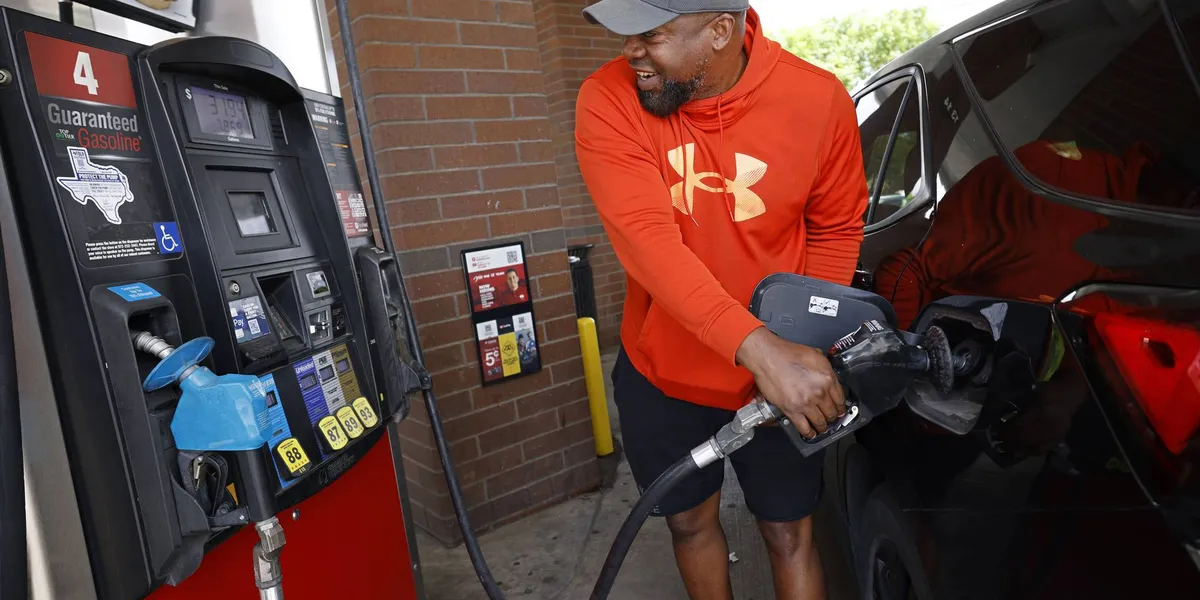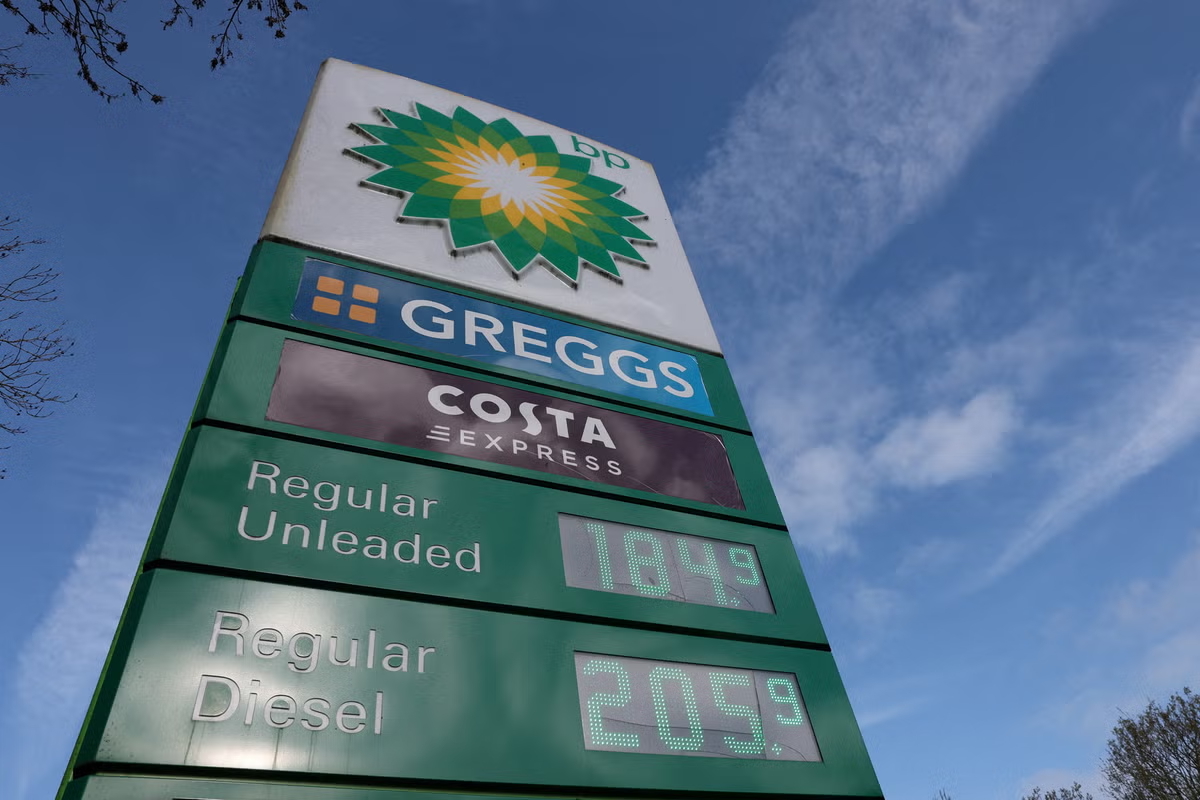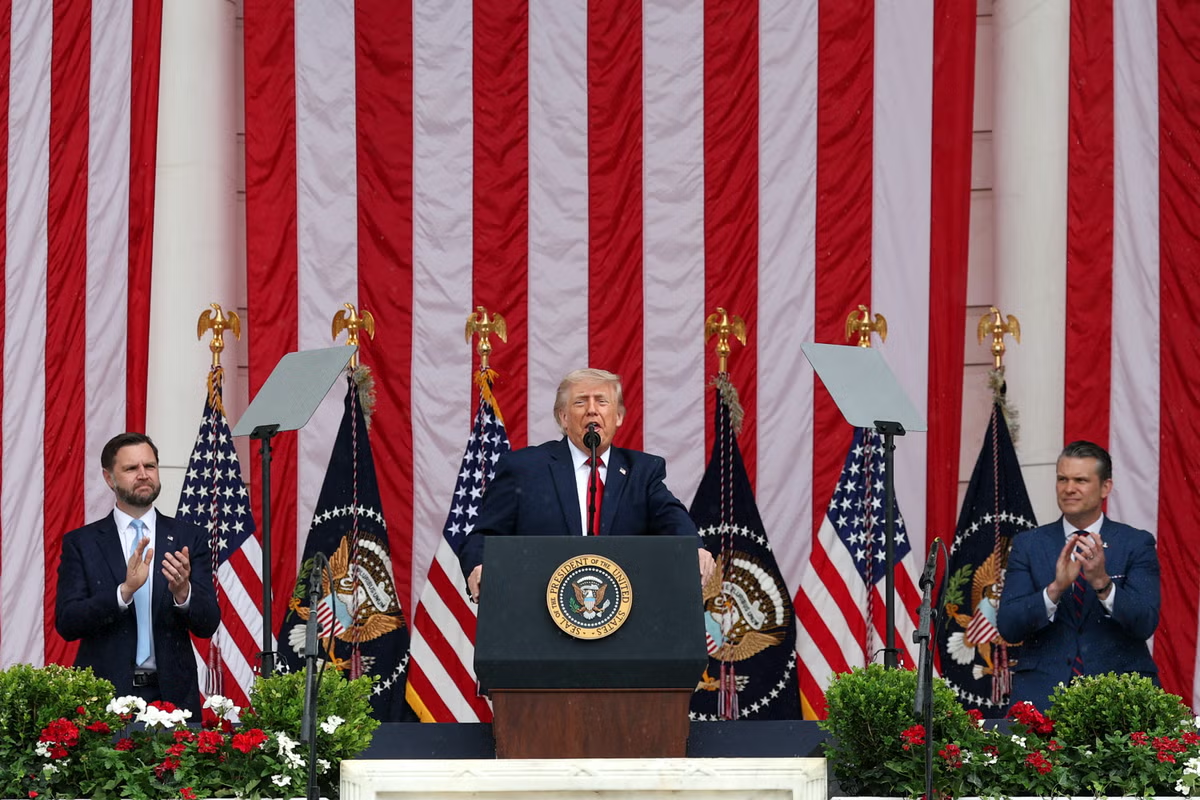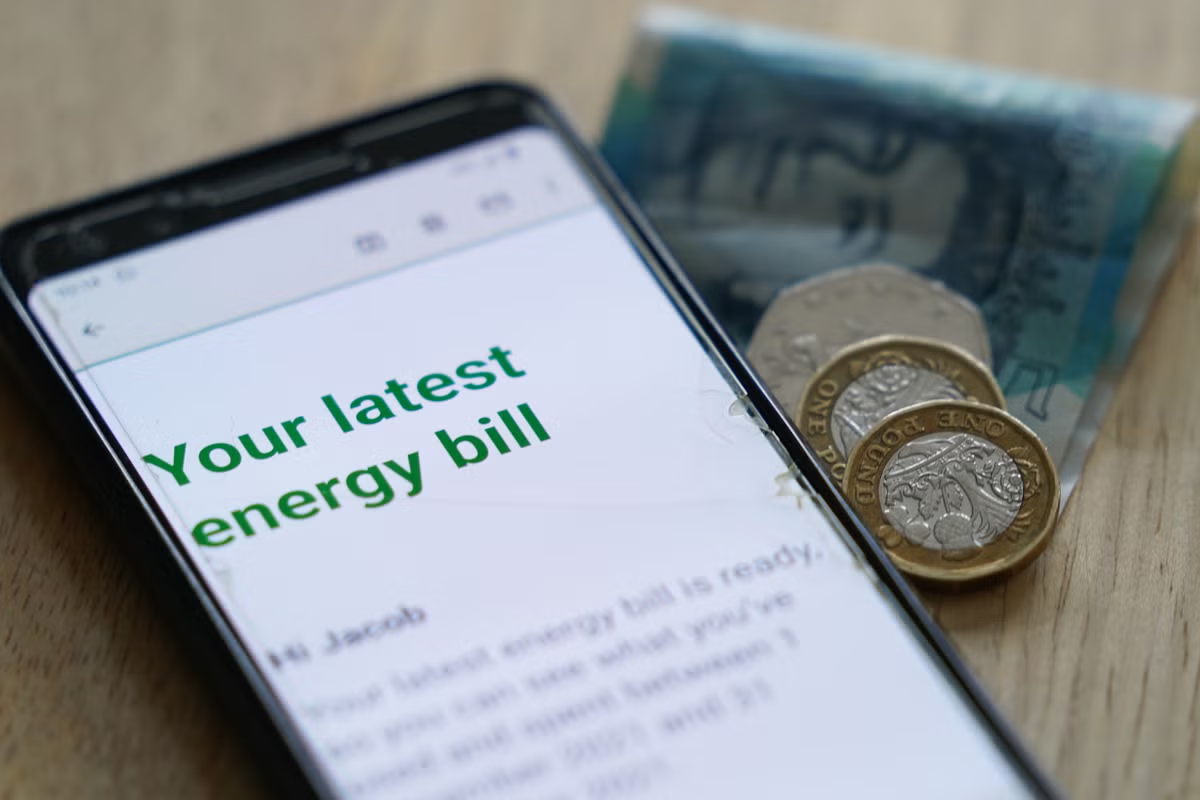
It comes as talks aimed at ending the hostilities remain in limbo, with US president Donald Trump claiming Tehran was 'negotiating on fumes'12:18, 28 May 2026UK households continue to be clobbered with the cost of the war in the Middle East, with energy bills now confirmed for a huge hike this summer.It has been three months since the United States and Israel launched a campaign of airstrikes on Iran at the end of February. Since then, fuel prices have already risen in the UK and mortgage rates have gone up.The price of food has also become more expensive and some airlines have upped the cost of their airfares. It comes as talks aimed at ending the hostilities remain in limbo, with US president Donald Trump claiming Tehran was “negotiating on fumes” and warned of renewed attacks to “finish the job”.The main focus of the negotiations has been on reopening the Strait of Hormuz, through which 20% of the world's oil and liquefied natural gas usually passes, and on whether Iran will give up its highly enriched uranium, which the US fears could be used to create a nuclear weapon.EnergyThe Ofgem energy price cap is increasing by 13% to £1,862 a year for the typical dual fuel household that pays by direct debit from July. This marks an increase of £221, or £18 a month, based on the current price cap figure of £1,641.People will see a smaller price rise of around 5% on their electricity bills compared to gas bills, which are rising by 24%. The impact will be lessened somewhat as the increase comes during the summer, but experts are predicting another increase this winter.Cornwall Insight now forecasts a 2% rise for the October price cap to £1,899 a year. Ofgem updates its price cap every three months. Dr Craig Lowrey, Principal Consultant at Cornwall Insight, said: "Even more concerning is October, where our forecasts are already pointing to a slight rise landing just as people start to turn their heating back on for winter."A lot of people assume that if the conflict in the Middle East ended tomorrow, prices would return to their pre-conflict levels fairly quickly."However, that may be overly optimistic. The damage to infrastructure, the disruption to supply chains and the erosion of market confidence will not unwind overnight, and the impacts could be felt in bills for longer than many expect"Heating oil customers have also been hit with huge increases following the conflict.Heating oil is not covered by the Ofgem price cap, prompting the Government to announce £53million in support for “those households that are most exposed” by the rising costs.FuelDrivers have had to deal with higher fuel prices over the last few weeks, linked to the increased cost of oil. The latest RAC figures show the average price of petrol is now 159.53p per litre, while diesel is now 184.59p per litre.The price of petrol was 132.83p per litre when the war begin at the end of February, while diesel was 142.38p per litre. At its worst, diesel peaked at 191.54p per litre on March 15.Last week, Chancellor Rachel Reeves announced that the Government would delay its planned removal of the 5p fuel duty cut from September until the end of the year.RAC head of policy Simon Williams said: "Drivers are struggling with the cost of filling up... so the decision to keep the 5p fuel duty in place for the time being is very welcome."The Prime Minister's announcement that duty won't go up this year means a penny won't go back on in September, followed by a further 2p in December."The big question is now: what will happen next year and will drivers be hit with the full 5p in one go in the spring, will a new phasing be agreed, or will the Government even abandon an increase altogether?"FoodFood price inflation fell to 3% in the year to April 2026, down from 3.7% in Mach, according to the latest Office for National Statistic (ONS) figures.However, the Food and Drink Federation (FDF), which represents manufacturers, has warned that the increases faced by manufacturers typically take between seven and 12 months to feed through into retail prices.FDF predicts food inflation could reach 10% by the end of this year. A report by the Energy and Climate Intelligence Unit (ECIU) also warned that household food staples like bread and pasta are set to remain more expensive in the long term.ECIU food and farming analyst Chris Jaccarini said: “Shoppers feeling that prices are on a never-ending escalator upwards is borne out by the data.“War and extreme weather are increasingly pushing up the cost of the weekly shop with the latest conflict in the Middle East driving up the price of oil, gas and fertiliser used to grow, ship and process food.“MortgagesMortgage costs have risen since the start of the Iran war as lenders have anticipated that interest rates will not fall as previously expected.Moneyfacts analysis shows the average two-year fixed rate is now 5.73% compared to 4.83% at the start of March. The average rate for a five-year deal is now 5.66% - at the start of the conflict, it was 4.95%.The financial data and comparison site has now warned that mortgage bills could jump by over £3,000 a year in a worst-case scenario where inflation hits 6.2%.In its latest report, the Bank of England said average monthly payments are expected to rise by approximately £80 over the next three years.About 53% of UK mortgage holders are expected to see their payments rise, but around 25% of those who fixed at higher rates should see their payments fall.Adam French, Head of Consumer Finance at Moneyfacts, said: “The Bank of England’s 'Trumpflation' stress scenarios lay bare just how damaging the economic repercussion of the Iran conflict could become.“At one end, a relatively benign path would see energy prices ease quickly, with inflation peaking at around 3.6% before falling back below target next year.“At the other, a prolonged period of elevated oil prices could drive inflation as high as 6.2%, forcing a much more aggressive response from the central banks rate setters.“HolidaysJet fuel prices have doubled since the outbreak of the Middle East conflict, with a knock-on effect on the cost of your holiday. easyJet said it needs to increase ticket prices this winter by “by two to three pounds” to offset higher costs, while British Airways has also said it will impose fare hikes.Ryanair CEO Michael O'Leary said its costs could increase if the Iran conflict continues. Some 13,000 flights have also been cut globally, mostly long-haul routes that use more fuel and need to fly over the Middle East.Willie Walsh, the director general of the International Air Transport Association, told the BBC there was no need to panic over potential jet fuel shortages, but warned rising fuel prices would inevitably feed through into higher ticket prices.He said: “There’s just no way airlines can absorb the additional costs they’re experiencing.Article continues below“There may be some instances where airlines will discount to stimulate some traffic flow… but over time it’s inevitable that the high price of oil will be reflected in higher ticket prices.”
Real-life cost of Donald Trump's Iran war - from energy to food and holidays
It comes as talks aimed at ending the hostilities remain in limbo, with US president Donald Trump claiming Tehran was 'negotiating on fumes'
1,186 words~5 min read