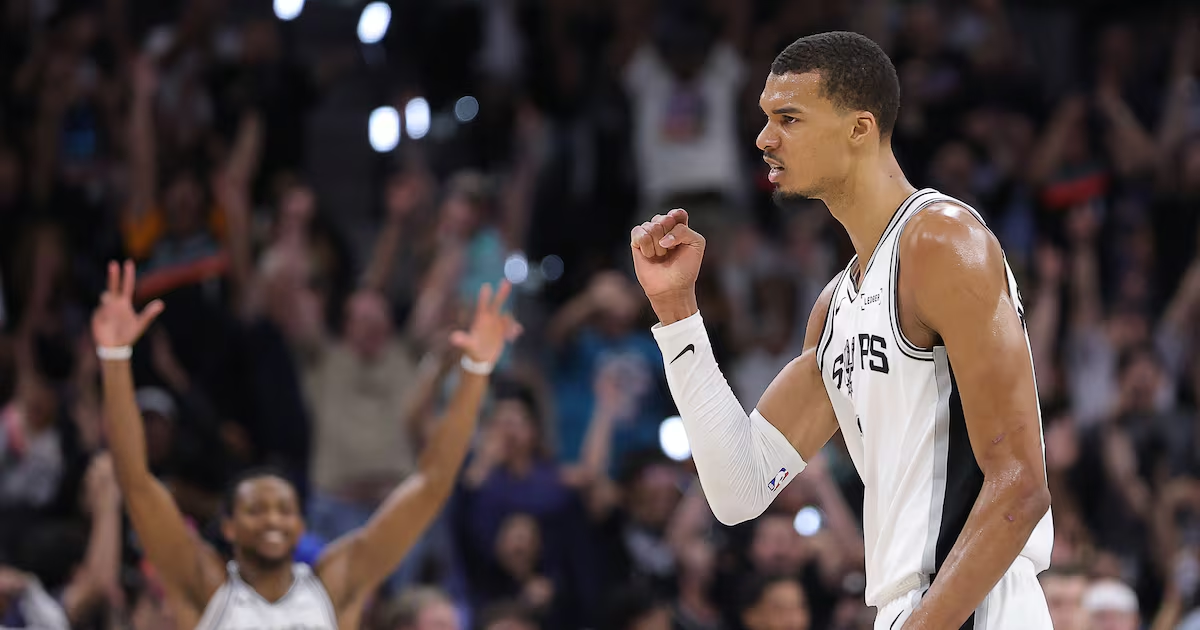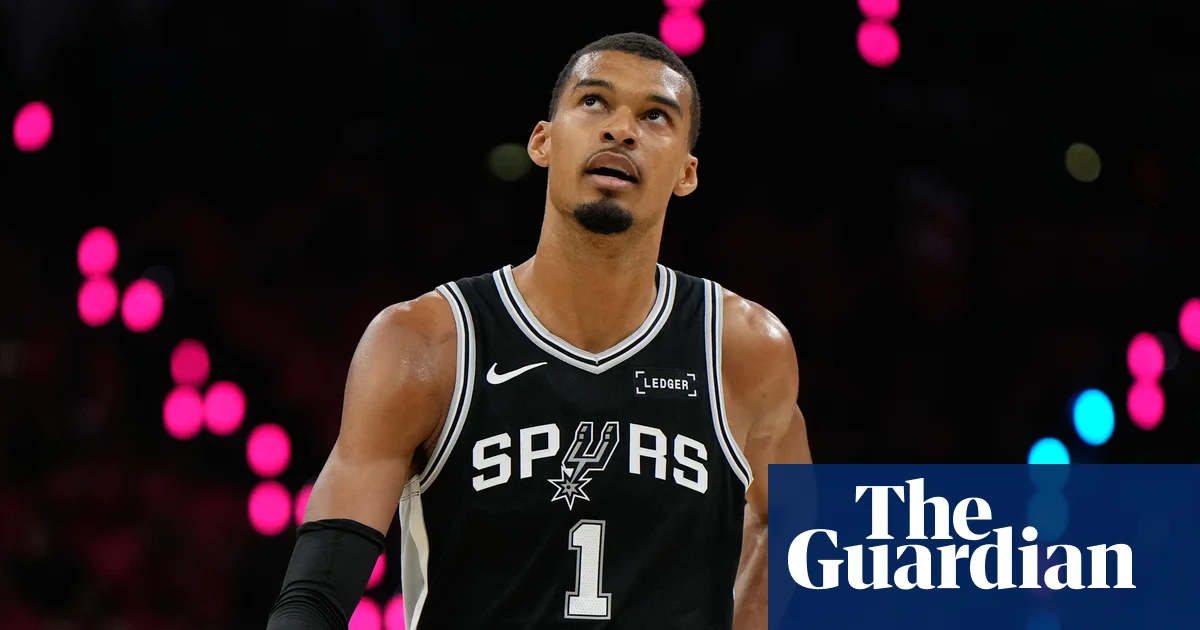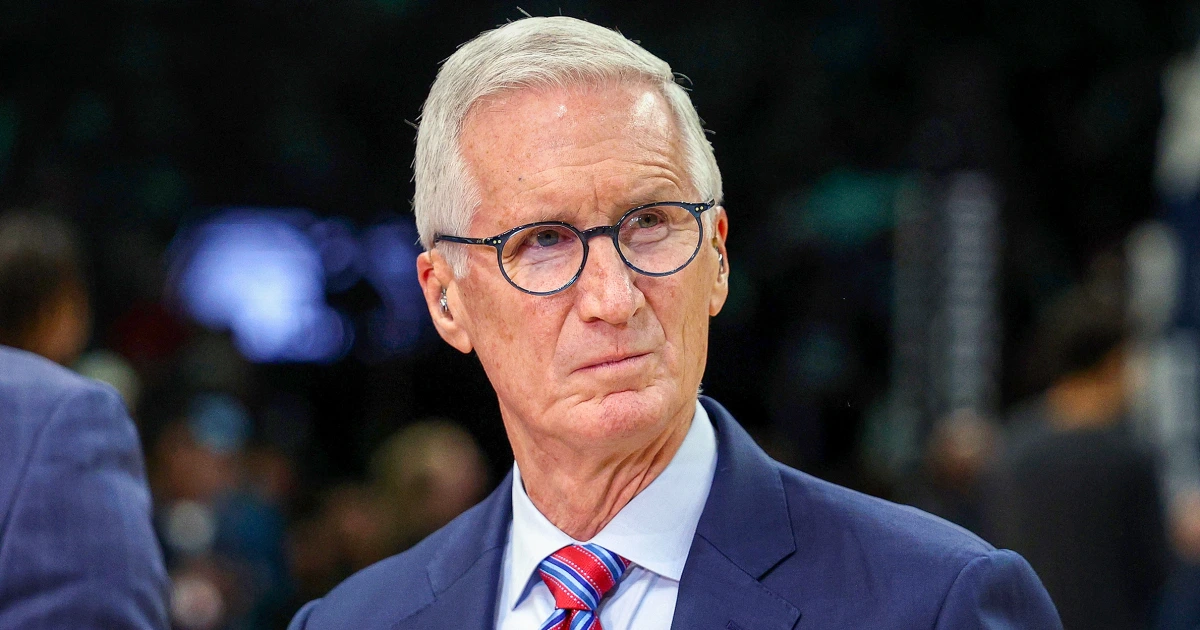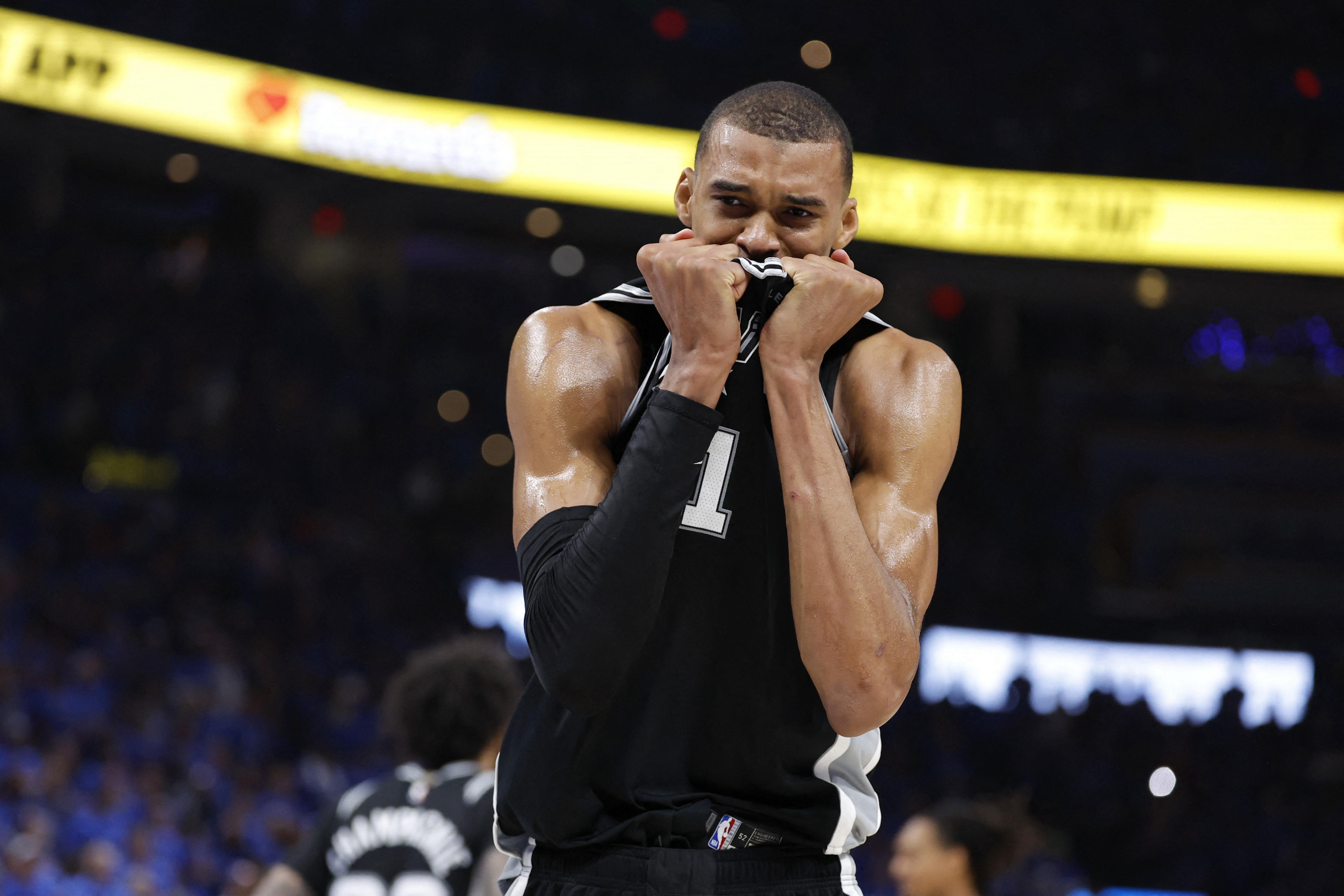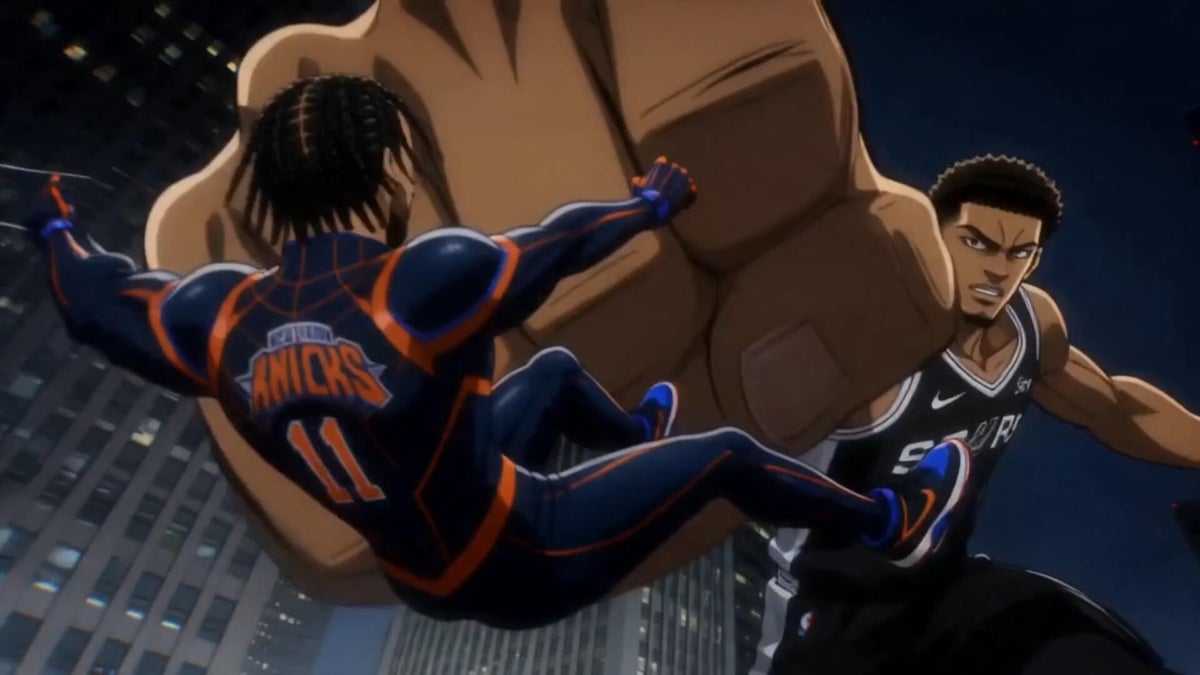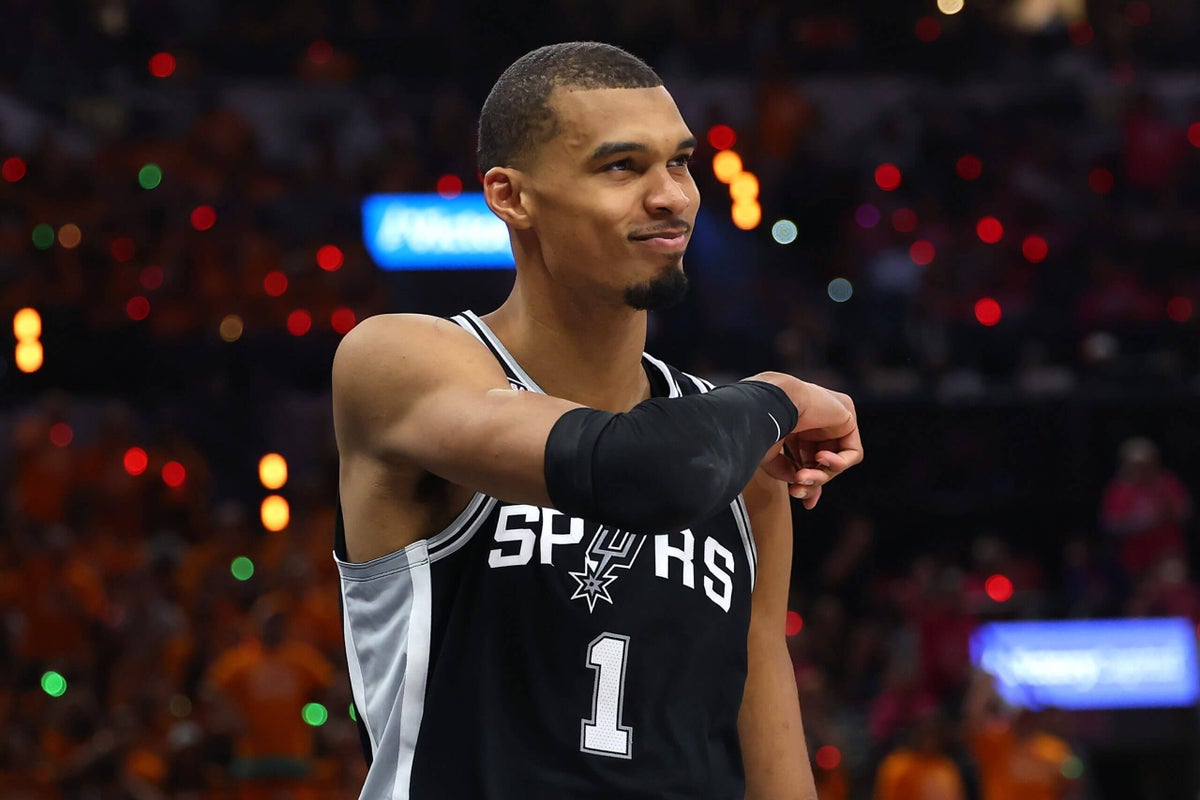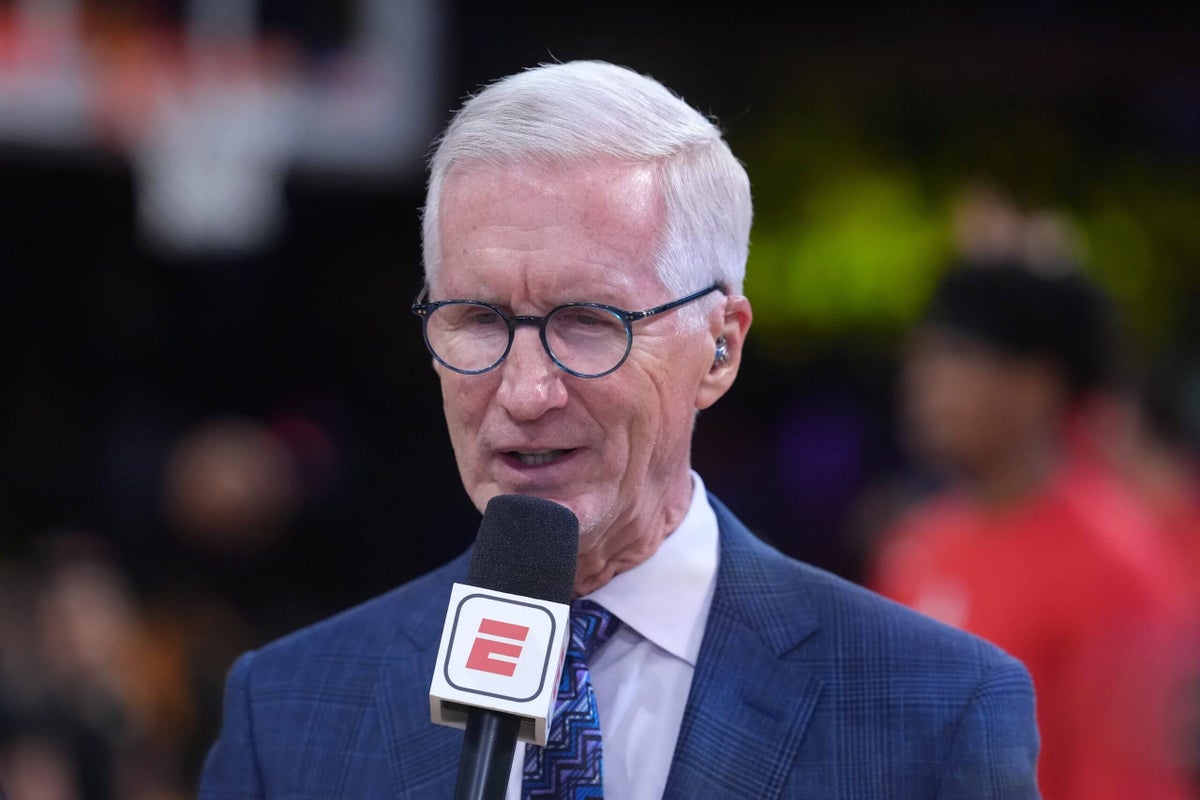
The job of a sports television broadcast is to show the action on the floor or field. But capturing the magic that brings it to life on any screen, of any size, in any random place across the world? That’s the real goal.How do you transport the audience into the scene from the TV in their living room or their phone on the train?Sam Flood could see the answer as he scouted his return to the NBA, looking both to the past and to what’s in front of him.Flood is the executive producer and president of production for NBC Sports, overseeing everything from “Football Night in America” to the Premier League broadcast. He’s the one in charge of bringing the NBA back to NBC in the first year of the league’s comprehensive new 11-year, $76 billion media rights deal.NBC’s return to the NBA came with a need to balance the nostalgia of its past and the sport’s evolution into the future. NBC is most closely associated with the Michael Jordan era of the 1990s, a period that launched the NBA on a path of global expansion that continues today. Now, San Antonio Spurs star Victor Wembanyama has arrived as a product of that growth and as the potential face of its next era.As the league and network try to understand what Wembanyama’s ascension will mean for their futures, they are looking through a lens that Jordan first calibrated. It hasn’t been perfect. MJ himself was hyped up as a part of NBC’s return, but it turned out to be only a few brief interviews sprinkled into segments early in the season. The drone cam to start halves in the conference finals has been polarizing, to say the least.But overall, the return of the NBA on NBC has been a success. The network put analysts on each bench courtside during the regular season to bring a different aspect to the game experience. It has the visiting players introduce themselves a la Sunday Night Football. NBC even did retro nights that went beyond the graphics bringing back the commentators from 20 years ago like Bob Costas, Doug Collins, Mike Fratello and Hannah Storm.And it has leaned heavily into the budding fascination that is Wembanyama, flexing in several Spurs games throughout the season and treating this Western Conference finals clash with the Oklahoma City Thunder like something grander than a matchup of two excellent basketball teams.“We think of our vision as we make musicals,” Flood says. “We make a bigger story and we tell a bigger story to get people engaged differently than going to the theater for a drama. A musical has different notes that are welcoming to all.”The biggest thing missing from watching a game remotely is the immersion of sound. In the arena, you exist within the game environment. Your senses are overwhelmed by it. The broadcast is a vignette into that world, so Flood took a distinct approach to shaping the program.Flood saw the gateway into the heart of the viewer just before tip-off. In the ‘90s, you would hear John Tesh’s “Roundball Rock” NBA on NBC theme song, the Pavlovian “duh-nuh-nuh-nuh-nuh-nuh-nuh-nuh,” and start building up the adrenal response to some hardwood heroics. There was this feeling that a journey was beginning.“You’d hear that music, and you’re ready for basketball,” Flood says. “So we all knew that was an important element to growing and returning to the NBA.”Beyond that, NBA games never start at the time they say. Pregame events, from the anthem to the intros to the actual tip itself, require between seven and 12 minutes to sift through. Broadcasters use this space to do the “open,” a tight, colorful mini-show full of reports, analysis, highlights and hype.
How NBC is using inspiration from its past to bring Victor Wembanyama, NBA to life
NBC is balancing nostalgia with a nod to the future in its return to broadcasting the NBA. Wembanayma is the perfect bridge.
1,864 words~8 min read